NEW YORK — The New York Yankees have another winter of difficult infield decisions ahead, and the first question is whether they can find a better balance between defensive reliability and making contact. Their 2026 season ended with familiar problems exposed under October pressure. The front office has promising young players, established veterans and expensive commitments, but no simple answer for every position.
The offense hit .235 and struck out in 24.7% of its plate appearances during the regular season. That combination intensified scrutiny of a roster that could hit for power but too often struggled to keep rallies alive. The Yankees need more than another name with a big home run total. A hitter capable of putting the ball in play while saving runs on defense would change the equation.
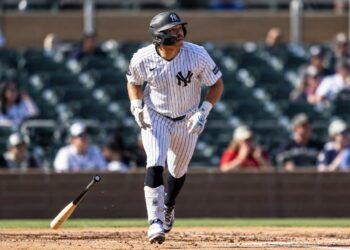
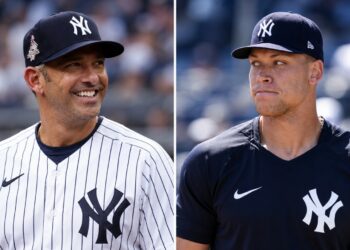
Jazz Chisholm Jr. is headed toward free agency, leaving the Yankees with a major decision at second base. Ryan McMahon remains part of the third base picture, while Anthony Volpe and George Lombard Jr. complicate the middle-infield outlook. Manager Aaron Boone and general manager Brian Cashman must determine where their young players fit before choosing which hole to address through a trade.
The organization also has reason to be selective. Another early postseason exit increased the pressure to make meaningful changes, but surrendering premium prospects for a single strong season carries risk. A controllable infielder would offer a longer-term solution than a short contract, although years of team control would also push up the asking price.
Miami is a natural place for the Yankees to examine those options. Cashman has dealt with the Marlins before, including the move that brought Chisholm to New York. This time, the possibility involves an everyday contact hitter whose production sharply contrasts with the Yankees’ teamwide numbers. The question is not just whether he is available, but how much New York should sacrifice to get him.
Miami opens a door for an All-Star infielder
The Marlins are willing to hear substantial offers for All-Star shortstop Otto Lopez and second baseman Xavier Edwards, reported Barry Jackson of the Miami Herald. This gives the Yankees a potential opening. Miami entertained inquiries about Lopez at the summer deadline and retained him. Its latest position gives interested clubs an opportunity to test the price this offseason.
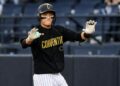
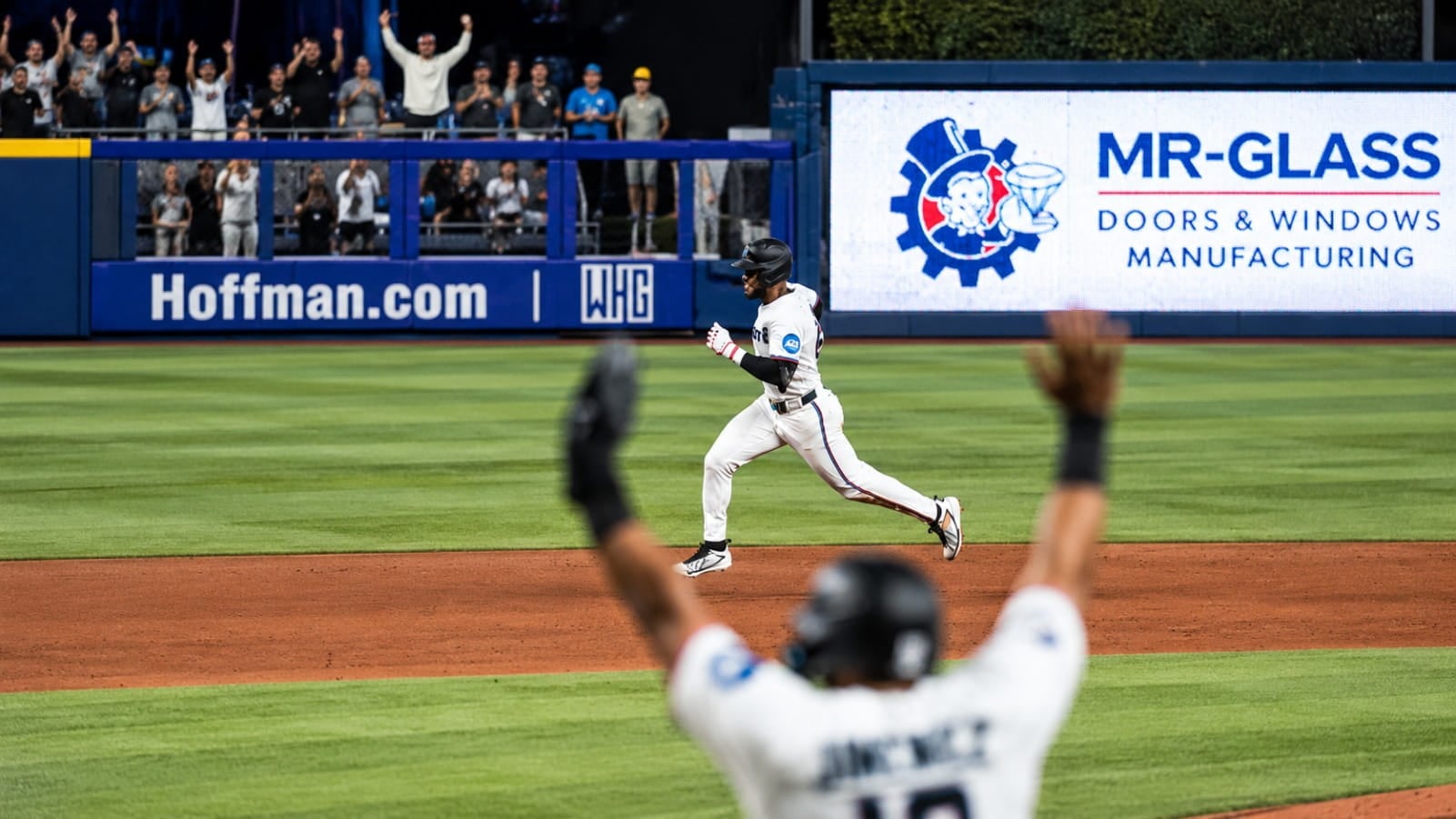
Lopez, 28, made his first All-Star team in 2026 and finished with a .305 batting average, .349 on-base percentage and .437 slugging percentage. He totaled 191 hits, 11 home runs and 34 stolen bases. Edwards, 27, hit .280 with a .360 on-base percentage and 21 steals. Both are under team control through 2029.
That control is the main obstacle. Miami does not need to clear either player from its roster, and an interested team would have to offer significant young talent to persuade the Marlins to make a deal.
Contact numbers expose Yankees’ missing ingredient
Lopez struck out 89 times in 687 plate appearances, a 13.0% rate. That is 11.7 percentage points below the Yankees’ 24.7% team strikeout rate. The comparison does not guarantee the same result in a new lineup, but it illustrates why his bat would provide a different offensive profile.
Lopez also drew just 40 walks, or 5.8% of his plate appearances. His value at the plate depended heavily on hits, an important consideration for any club deciding whether to pay for a career season. He posted a .673 OPS in 2025 before lifting it to .786 in 2026.
His glove strengthens the case. Lopez recorded 14 Outs Above Average at shortstop in 2026, with six defensive runs saved. He also has major league experience at second base, giving the Yankees more than one possible way to arrange their infield.
A middle-infield trade could redraw New York’s plans
One alignment would install Lopez at shortstop and move Lombard to second or third. Another would leave the Yankees’ developing shortstop plan intact and use Lopez at second. Both arrangements would need to account for Volpe’s role and the cost of moving McMahon out of regular duty.
The 2026 defensive workload makes that flexibility concrete. Lopez logged 1,357 innings at shortstop after playing 265 1/3 innings at second in 2025. His experience at both positions could help the Yankees protect their prospect development plans rather than forcing an immediate choice between a rookie and an established defender.
There is also a direct connection to the pitching staff. Groundball-oriented starters such as Max Fried and Ryan Weathers stand to benefit from cleaner infield defense. For the Yankees, the attraction is therefore broader than replacing strikeouts with singles. It would mean trying to make both sides of the roster function together.
Prospect price becomes Cashman’s biggest decision
The Yankees have attractive young pieces, including Dax Kilby, Elmer Rodriguez and Carlos Lagrange, and any trade discussion involving Lopez would test their willingness to move future talent. Those names have been raised as possible trade currency, not as an agreed package. Miami’s willingness to listen is an opening for negotiation rather than a completed proposal.
Edwards presents a different route. His .360 on-base percentage exceeded Lopez’s .349 mark, but Lopez offered more power and stronger shortstop defensive metrics in 2026. The Yankees could compare the acquisition cost of both instead of fixing on a single target before understanding Miami’s demands.
For now, the Marlins retain both infielders and the Yankees face the same central challenge: improve their contact and defense without weakening the next wave of talent. Miami’s newly public willingness to consider a major return has given Cashman an actionable market to explore as the offseason begins.
What do you think? Leave your comment below.