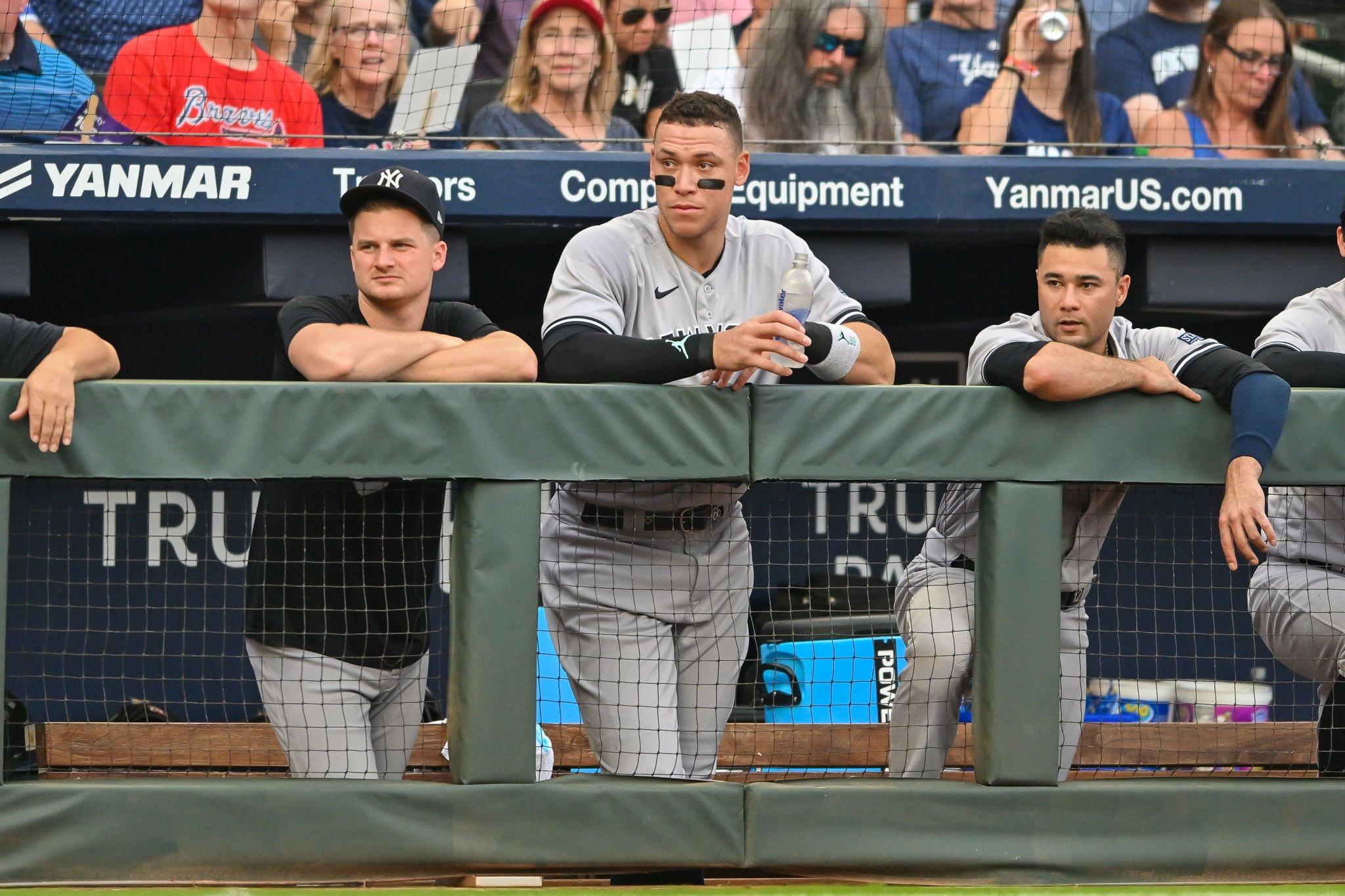
NEW YORK — The Yankees enter another offseason facing an uncomfortable question about third base. Their most expensive current option has not provided the offense expected from the position, and another October exit has increased pressure to find more reliable production.
Ryan McMahon finished 2026 batting .213 with 11 home runs, 41 RBIs and a .635 OPS. He is owed $16 million in 2027, the final season of his contract. Jose Caballero and Anthony Volpe give Aaron Boone alternatives, but the Yankees still lack an established middle-of-the-order hitter at the hot corner.
The decision comes with an additional complication. Major League Baseball is approaching negotiations over a new labor agreement, and uncertainty about the sport’s next economic rules could affect when the Yankees commit to major contracts.
That combination of a roster vacancy, a familiar rival and an unusually powerful international free agent has created an early test for Brian Cashman. The Yankees could face competition not only on price but also on where a newcomer would play.
Red Sox emerge as a major threat for Japanese slugger
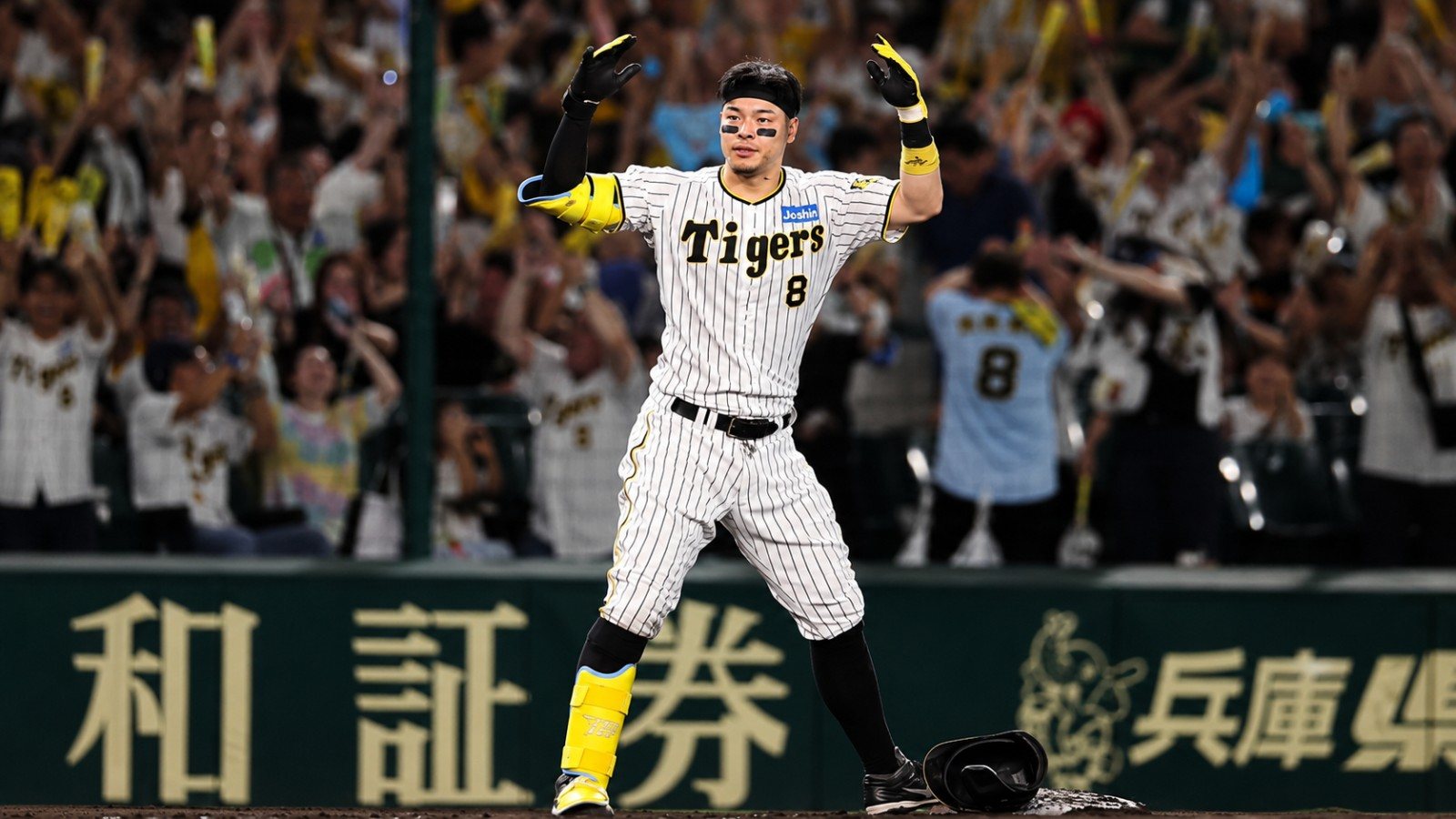
The Yankees and Boston Red Sox have been named among the strongest potential destinations for Teruaki Sato, the Hanshin Tigers star preparing to move from Japan to MLB through the posting system. Former general manager Jim Bowden projects a five-year, $180 million deal for the 27-year-old third baseman.
Sato won the 2026 Central League Triple Crown with a .306 average, 39 home runs and 106 RBIs. He added 40 doubles, reached base at a .383 clip and slugged .609. The Yankees would be buying power from the left side, but they would not have the field to themselves.
Bowden also identified the Phillies and Angels as attractive destinations and expects the market to draw aggressive spending from wealthy clubs. Boston has a clear need for more home run production after finishing the 2026 season with 163 homers, ranking 26th in MLB.
In explaining the projected competition, Bowden highlighted both the bat and uncertainty about Sato’s defensive position.
“Some teams believe he can stay at third base; others see him as best suited for first base or left field,” Bowden wrote. “Either way, the bat profiles for the middle of the order.”
Bowden then identified the Yankees as part of a larger group of possible bidders.
“I think he stays at third base initially and would be a perfect fit for teams like the Phillies, Red Sox, Angels and Yankees, which leads me to believe this will end up being a big-market bidding war,” Bowden wrote.
Yankees must weigh Sato against McMahon and a crowded lineup
Sato’s position could matter as much as his salary. The Yankees have Ben Rice at first base and Giancarlo Stanton in the designated hitter role. Those commitments reduce the appeal of paying a premium for a player who might have to move away from third base.
Sato earned a Golden Glove award in Japan in 2025. But major league evaluators differ about whether his glove can stay at third. His experience also includes outfield appearances, creating alternatives for teams with different lineup configurations.
The Yankees already hold a financial commitment to McMahon. Adding a player at Bowden’s projected $36 million average annual salary would put $52 million in annual salary commitments into the third-base decision for 2027 before accounting for other needs. That figure combines Sato’s hypothetical annual average with McMahon’s scheduled pay; it is not a forecast of the Yankees’ eventual payroll.
Sato’s two-year power surge strengthens the case for a sizable contract. He hit 40 home runs in 2025 before his 39-homer Triple Crown season. Across his six seasons in Japan, he has recorded at least 20 homers five times.
His strikeout rate also requires examination. MLB’s profile of Sato puts his strikeout rate at roughly 27% over the past two seasons, a reminder that translating elite NPB production into the majors is not automatic.
Labor uncertainty may shape any Yankees bidding war
An unsettled collective bargaining agreement could make the Yankees cautious about an early financial commitment. ESPN analyst Buster Olney has raised the possibility that clubs will wait for greater clarity about the economic system before pursuing expensive deals.
Olney described the Yankees’ potential reluctance to act while labor questions remain unresolved.
“Here’s the thing: the Yankees aren’t going to really move on anything, and I think a lot of teams are going to be in this position until they know exactly what the economic system is going to be,” Olney said.
Hanshin has approved Sato’s move to MLB. Once he is formally posted, teams will have a 45-day negotiating window. Because he is older than 25, he can sign a major league contract without the restrictions imposed on younger international amateurs. Hanshin will receive a posting fee based on the agreement.
The Yankees also have a precedent for successfully importing Japanese star power. Hideki Matsui arrived before the 2003 season after winning MVP honors in Japan and became a central contributor to New York’s 2009 World Series championship.
For now, the Yankees’ immediate choice is whether to treat Sato as a priority at third base despite the cost and positional questions. Boston’s presence, a potentially crowded field and the posting clock could force that decision before the broader MLB labor picture becomes clear.
What do you think? Leave your comment below.