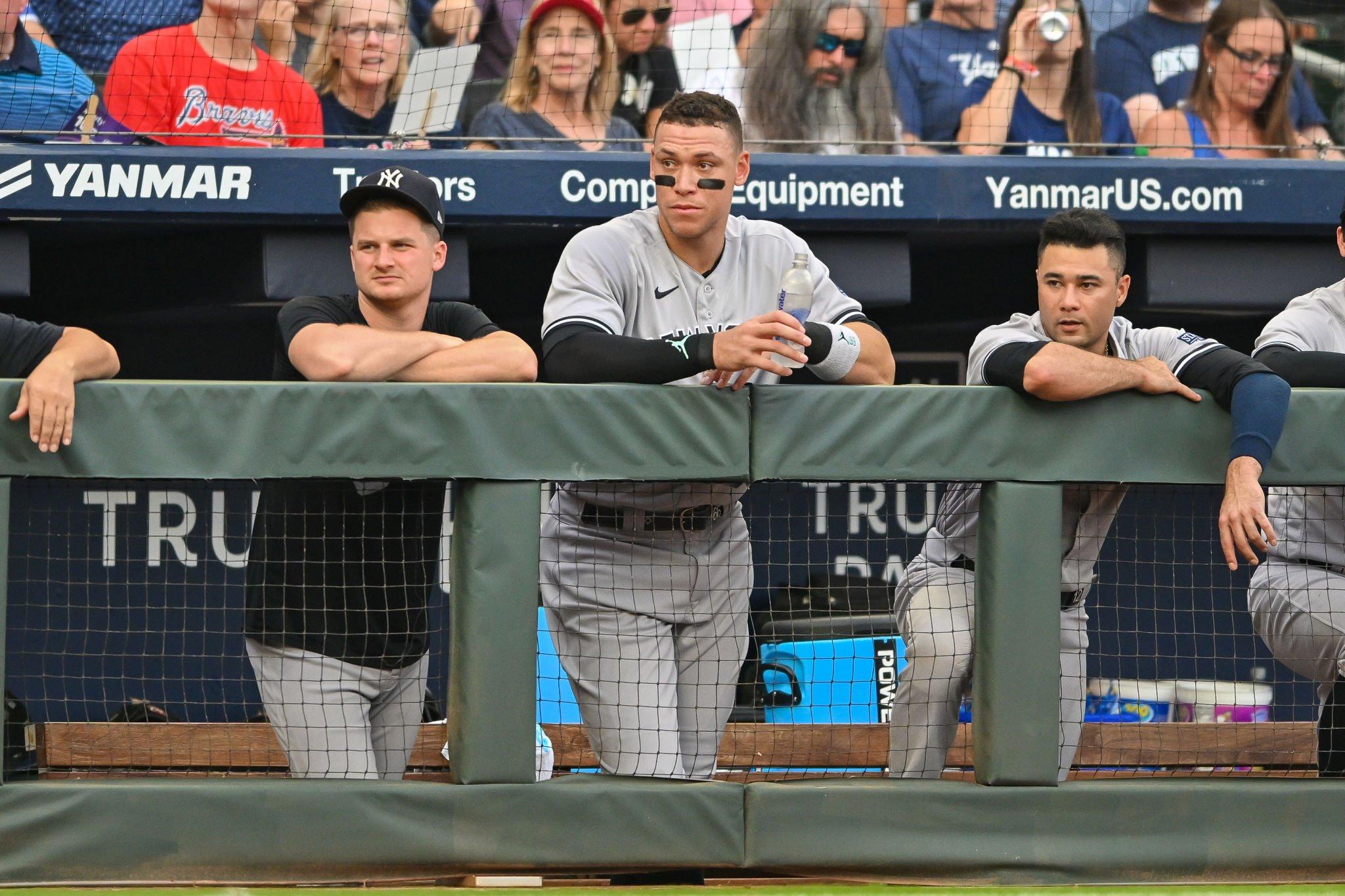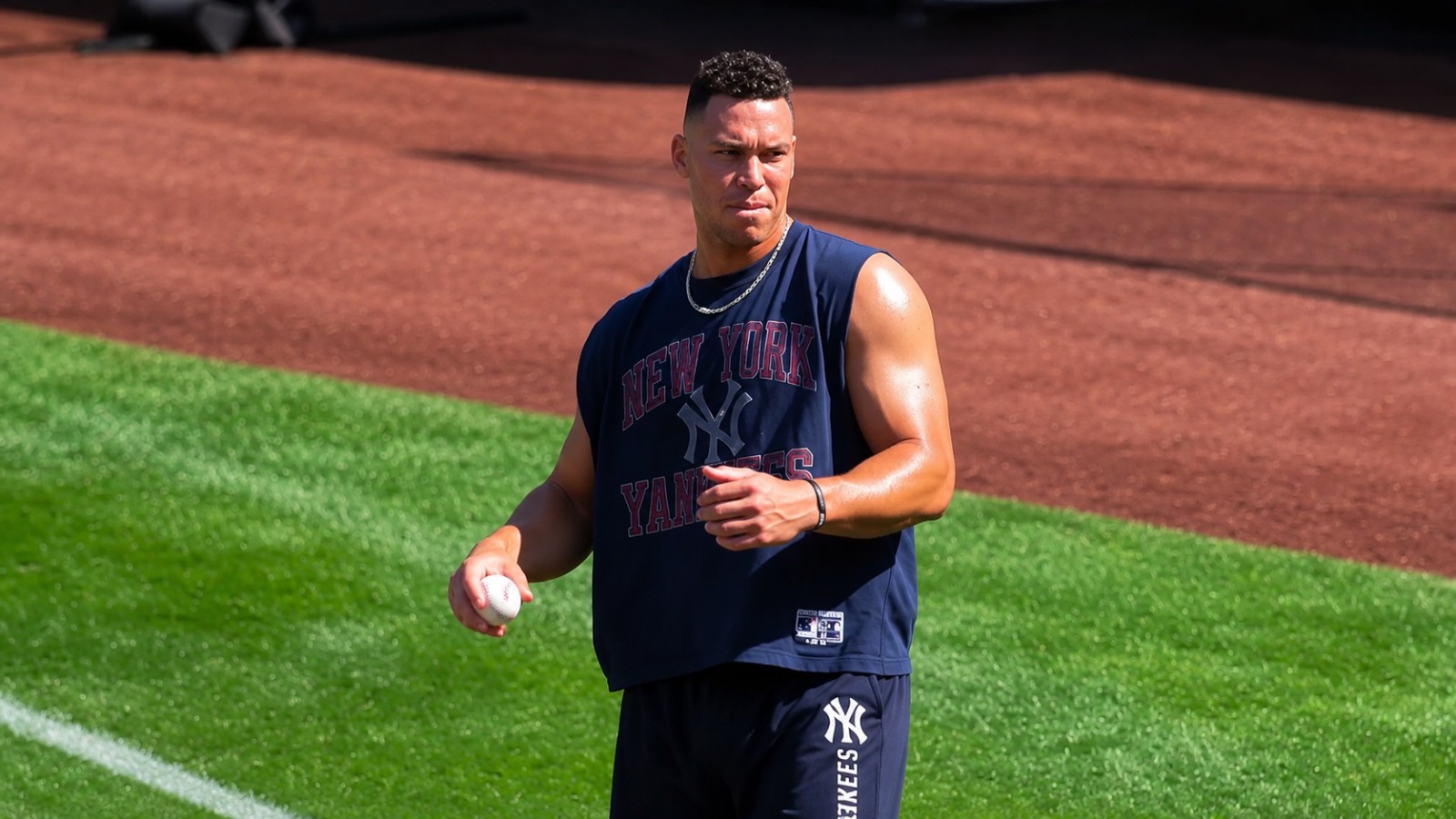
NEW YORK — Aaron Judge ended another season without a championship, unable to take a swing in the postseason and facing questions that no individual award can settle. His latest challenge comes from a different direction.
The Yankees captain has demanded that the organization match his urgency after a painful October exit. The message was public, directed at a franchise that has spent heavily but has not brought another World Series trophy to the Bronx since 2009.
The timing was awkward. Judge, 34, appeared in only 66 regular-season games because of injuries and missed all five playoff contests. New York nevertheless won 93 games, then saw its postseason end in a three-game division series sweep.
The exit left the Yankees with a 17-season championship drought and exposed competing views about where responsibility for the latest failure belongs. Judge emphasized the need for roster upgrades. The unanswered question is how his bosses viewed that challenge.
Anonymous complaint creates new Yankees problem
New York Post insider Jon Heyman first reported the tension Oct. 15. He said one or two Yankees higher-ups were mildly annoyed by Judge’s call to go all in. Other outlets repeated Heyman’s account. The officials were unnamed, and Judge reportedly retained good relations with management.
Why did that complaint reach Heyman? Was someone explaining the club’s financial position or checking the captain’s public influence?
Neither Heyman’s account nor subsequent coverage identifies who spoke to the reporter, establishes that ownership authorized the disclosure or proves an effort to diminish Judge. A deliberate warning remains a possibility, not a verified finding.
Yet the effect is evident. Judge challenged the front office after missing the postseason with an injury. The next week, anonymous irritation became a story of its own, shifting attention from the club’s roster needs to whether its captain had gone too far.
Judge’s words collide with Yankees payroll argument
Judge laid out his expectations after the Rays series, saying the franchise cannot measure success by regular-season victories alone. His message included personnel additions as well as a broader call to address weaknesses.
“We’re the Yankees,” Judge said. “I feel like they should go all in and do what they need to do and find. If we’ve got holes, if it’s finding certain players or personnel, whatever we need, you’ve got to go out there and get it.”
When asked if the organization had already done enough, Judge acknowledged that a front office cannot sign every star. He still insisted that being consistently competitive falls short of the standard in New York.
“It’s tough to say,” Judge said. “I want to trade for everybody, sign everybody every single year, but I know that’s not realistic.”
The financial disagreement turns on what counts as enough. The anonymous account referred to a $320 million Yankees team. MLB’s postseason review described an approximately $308.3 million payroll, the third-highest in baseball. Those figures reflect different payroll measures, not necessarily contradictory spending claims.
The Yankees also made a major investment that Judge supported: retaining Cody Bellinger on a five-year, $162.5 million contract. The reported management reaction partly rested on the idea that the club had already responded to its captain’s preferences.
The authority question is bigger than another free agent
There is a distinction between asking ownership to spend more and asking it to spend better. The Yankees had an expensive roster but scored only five runs while losing three ALDS games to the Rays. Their lineup hit .130 in the series.
The possible motives are substantial: defend one of baseball’s highest payrolls, remind fans that Judge advocated Bellinger’s expensive return, and protect ownership’s authority over the budget. These are interpretations, not proven motives for a leak.
The captain also backed manager Aaron Boone after elimination. That matters because an earlier opinion piece speculated that former first baseman Anthony Rizzo might be conveying an anti-Boone message on Judge’s behalf. No evidence has established that Rizzo was acting as Judge’s intermediary.
Judge publicly took the opposite position when asked about Boone’s future.
“He’s our manager. He’s running the ship,” Judge said.
The contrast narrows the real disagreement. Judge has not publicly demanded a managerial firing. He has publicly challenged the Yankees to strengthen the team around the manager and players already in place.
No evidence yet of an orchestrated effort
As of Oct. 16, the available reporting establishes dissatisfaction among one or two Yankees higher-ups, not a coordinated campaign against Judge. Heyman did not identify his sources or report that Steinbrenner directed anyone to speak. There is no documented clubhouse rupture.
That distinction matters during an offseason involving pending free agents such as Jazz Chisholm Jr., Trent Grisham and David Bednar. The Yankees must decide how to reshape the roster while general manager Brian Cashman approaches the end of his contract.
Judge remains both the team’s most prominent player and its most recognizable public voice. His comments have made the club’s championship standard part of the offseason agenda. The report about unhappy executives shows that even agreement on the goal does not guarantee agreement on the message.
For now, the Yankees have not identified the people unhappy with Judge or explained how their reaction reached Heyman. Their apparent defense of past spending is public. Whether anyone intended the report to reduce Judge’s influence remains unknown.
What do you think? Leave your comment below.