NEW YORK — A question about accountability is following the Yankees into the offseason, and it reaches beyond the manager’s office. The decision to decline qualifying offer to Jazz Chisholm Jr. is a direct result of that.
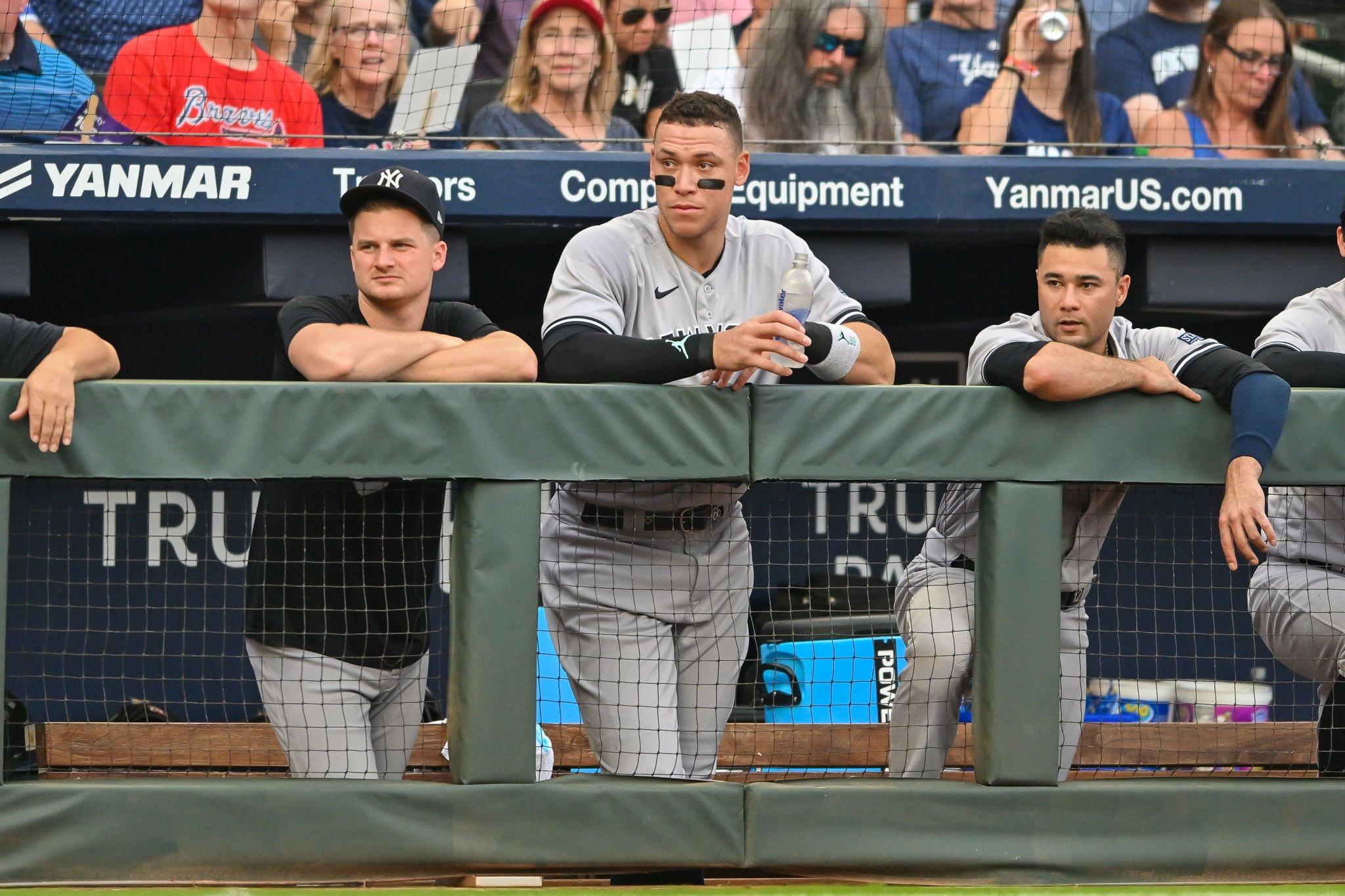
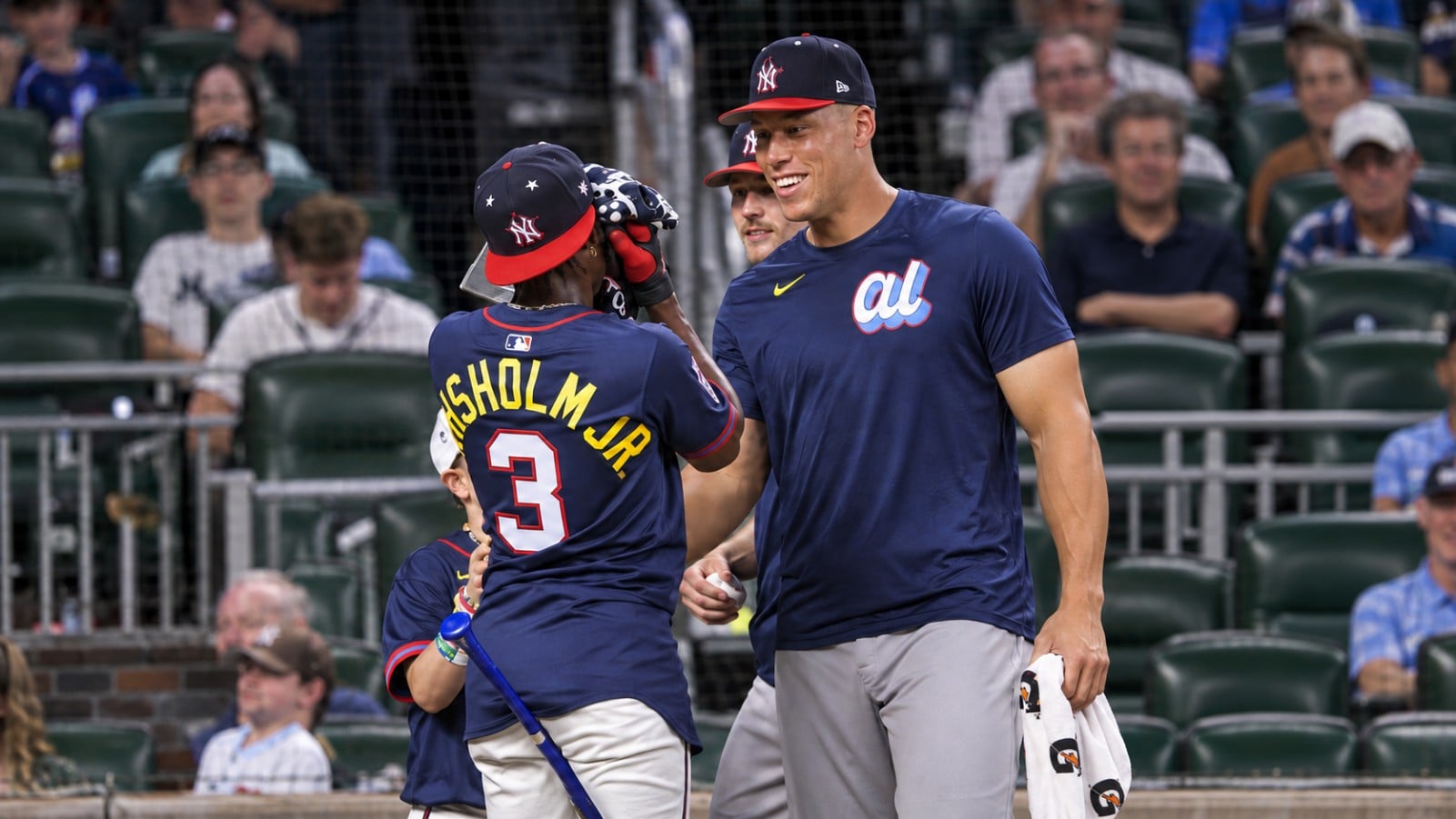
Captain Aaron Judge has been a central figure in that discussion. His leadership gets the blame as the Yankees continue to face questions over the handling of mistakes, defensive lapses and clubhouse standards.
Judge’s reputation as a supportive captain is well established. The Yankees captain reportedly intervened privately when Chisholm’s behavior crossed a line. That episode now forms part of a wider debate about the Yankees’ clubhouse standards and the decision to let the second baseman test free agency.
Judge reportedly addressed Chisholm’s behavior privately
The player at the center of the debate is Jazz Chisholm Jr. The Yankees declined to extend the free-agent second baseman a one-year, $23.15 million qualifying offer by the Nov. 2 deadline. That makes a reunion less certain, although it does not rule out a new agreement.
The captain’s involvement is not entirely theoretical. In a Nov. 4 discussion of the Yankees’ clubhouse, veteran beat writer Randy Miller said Chisholm had told him Judge personally intervened when the second baseman crossed a line.
Miller described the private conversations while examining whether teammates, rather than the manager alone, should enforce the standards expected of Yankees players.
“I know Judge has sternly told Jazz to stop doing certain things, because Jazz told me it happened,” Miller said.
That account establishes that Judge challenged Chisholm’s behavior. It could have influenced a qualifying offer decision.
Chisholm’s antics, Boone’s loose accountability put Judge under fire
Chisholm drew criticism for playing with a lollipop in his mouth and wearing his back pocket turned out during a postseason game. Those details became symbols of a larger argument over how the Yankees enforced standards during a season marked by sloppy fundamentals.
Miller questioned whether Judge should have pressed harder, given his stature in the clubhouse. Columnist Bob Klapisch challenged that assessment, drawing a line between the captain’s influence and manager Aaron Boone’s power to impose consequences.
“That’s Aaron Boone’s responsibility to sit a player, fine a player, call him into the office and get in his face if he’s done something egregious,” Klapisch said.
Boone has preferred to address player mistakes privately, a philosophy that has drawn criticism from former Yankees as well as outside observers. Judge, meanwhile, is known for organizing team meetings, supporting rookies and building relationships throughout the clubhouse.
Miller described Judge arranging a family dinner for rookie pitcher JP Sears and later stopping by to meet the family himself. That account illustrated why teammates have long praised the captain, even as questions persist about whether his supportive style can also enforce discipline.
Chisholm’s declining production changes the financial equation
The baseball case against a $23.15 million commitment is substantial on its own. Chisholm hit .231 with a .312 on-base percentage and .399 slugging percentage in 137 games in 2026. His 19 homers and 55 RBIs followed a 2025 season of 31 homers and 80 RBIs.
His stolen-base total rose from 31 to 41, preserving significant value on the bases. But his overall wins above replacement, as reported by WFAN, fell from 4.1 to 1.7 despite playing seven more games. He also batted .182 in each of his past two postseasons.
That creates a roster-building choice rather than a simple judgment about personality. The Yankees could keep negotiating with Chisholm at a different price, or use the money and available second-base spot to reshape their lineup.
Jack Curry has indicated the Yankees appear ready to part ways with Chisholm. Anthony Volpe and José Caballero have surfaced as possible internal options at second base, although the club has not announced its 2027 starter.
Yankees face a leadership question as second base opens
Miller and Klapisch also examined whether another veteran could supply the forceful clubhouse voice once associated with Brett Gardner and CC Sabathia. They disagreed about how much that old-school approach would resonate with today’s players.
The debate places responsibility across the Yankees organization. Judge can speak to teammates. Boone determines playing time and discipline. Cashman selects the players who enter the clubhouse. Those roles overlap, but they are not interchangeable.
Chisholm had said he hoped to remain a Yankee following the AL Division Series. By November 5, he was a free agent without a qualifying offer, and New York had retained the ability to negotiate with him rather than guarantee a one-year salary at the qualifying-offer level.
Judge’s attempts to correct Chisholm are now part of that account. Whether the captain had any input in the front office’s decision remains unanswered as the Yankees weigh another offseason change at second base. What do you think? Leave your comment below.