NEW YORK — The Yankees face an unusually narrow window to settle their most pressing free-agency decisions, with the possibility of a December labor shutdown accelerating an offseason already shaped by another early playoff exit.
New York has questions in the bullpen, at two infield positions and in center field. Waiting until the winter meetings would normally leave ample time for negotiations. This year, unresolved labor talks threaten to interrupt the market before those meetings can become a reliable avenue for completing deals.
The Yankees have already made one consequential call, offering closer David Bednar $23.15 million for 2027 while withholding the same qualifying offer from second baseman Jazz Chisholm Jr. They now have to decide which gaps can be filled quickly and which negotiations demand more time.
The collective bargaining agreement expires at 11:59 p.m. ET on Dec. 1. If owners impose a lockout after expiration, major league transactions could freeze beginning Dec. 2. That gives the Yankees less than a month to act under the existing rules.
Curry expects Yankees to act before market freezes
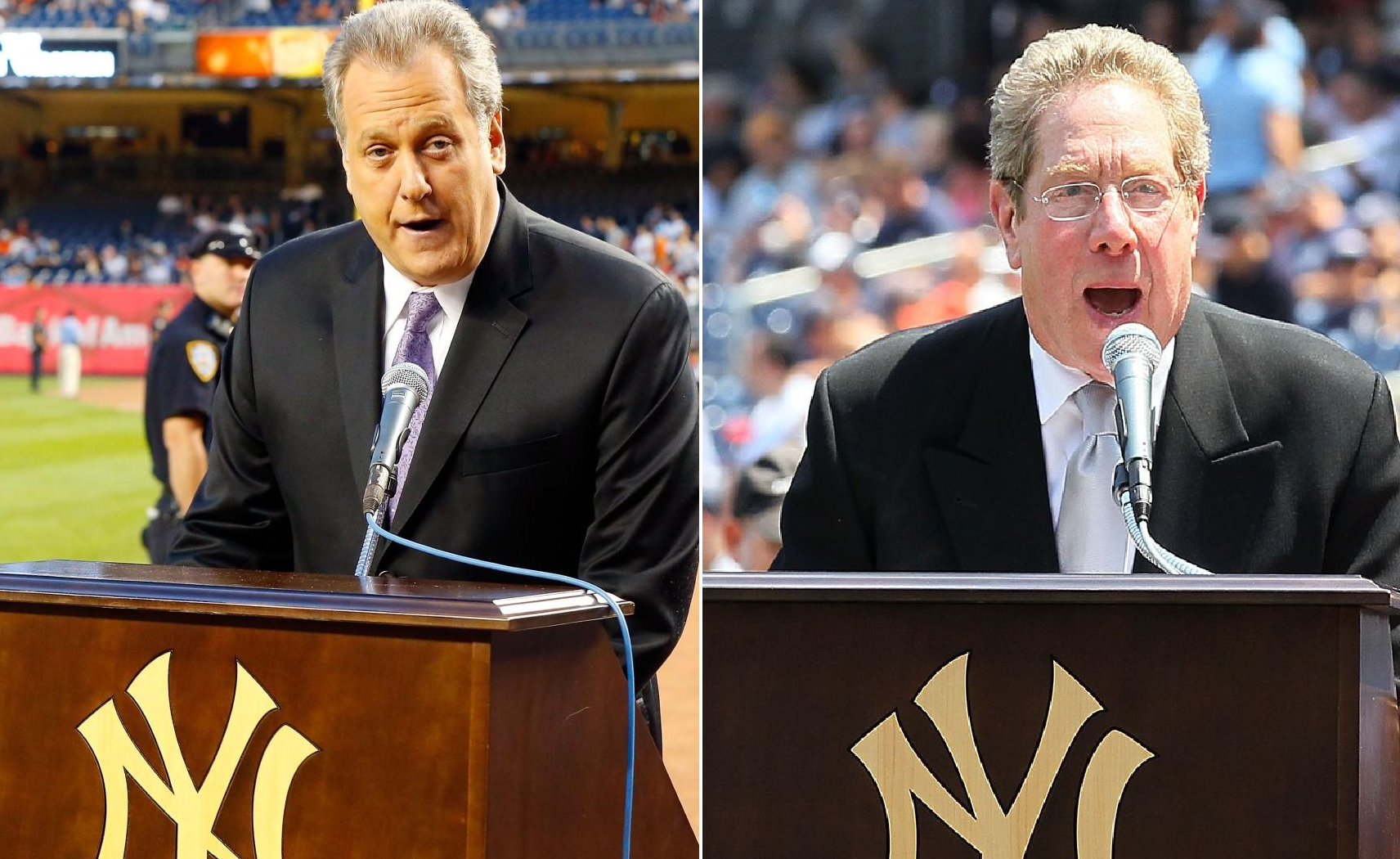
YES Network analyst Jack Curry expects New York to pursue roster improvements before a potential lockout. During an appearance on The Michael Kay Show, he singled out relief pitching, third base, second base and center field as positions the Yankees could address.
Curry specifically highlighted the bullpen while assessing where the Yankees need help.
“When I look at the Yankees, I look at that bullpen as an area of need,” Curry said.
Those four areas create competing demands on the front office. Securing a late-inning reliever would stabilize the pitching staff, while changes at second, third or center field would reshape the everyday lineup around Aaron Judge. The short calendar increases the value of decisions that can be completed without prolonged bidding.
Curry’s comments describe expectations for an active market, not an announcement of completed Yankees deals. The club’s first moves will indicate which need general manager Brian Cashman considers most urgent.
Bednar’s November 17 deadline comes first
The Yankees already made their most direct offseason commitment to the relief corps. They extended closer David Bednar a one-year, $23.15 million qualifying offer on Nov. 2, while declining to make the same offer to second baseman Jazz Chisholm Jr.
Bednar converted 35 saves in 2026 and posted a 2.47 ERA over 64 appearances. Yankees relievers collectively finished with a 3.13 ERA, second best in the majors, but several bullpen contributors entered free agency.
The 32-year-old closer has until Nov. 17 to accept or reject the qualifying offer. A rejection would not prevent the Yankees from negotiating a multiyear agreement, although competing clubs could enter the bidding.
New York’s relief needs therefore involve both retention and reconstruction. Losing Bednar would open the ninth inning; keeping him would still leave general manager Brian Cashman with decisions about the innings leading to the closer.
High-priced targets could slow a broader Yankees push
The contrasting qualifying-offer decisions provide an unusually clear measure of New York’s early offseason priorities. The Yankees were willing to risk a one-year, $23.15 million commitment to Bednar but not to Chisholm, even though the second baseman remained a candidate to fill a position of need.
The remaining infield question sits at third base, where the Yankees have been connected in outside projections to Japanese slugger Teruaki Sato. That possibility is distinct from any confirmed agreement or formal offer.
Tarik Skubal has appeared in discussions of possible Yankees free-agent targets, but committing to a top-of-the-market starter would consume resources that could otherwise address multiple openings. New York’s existing rotation depth gives Cashman reason to measure the cost of a headline acquisition against the bullpen and lineup needs Curry identified.
Other names floated in offseason projections include Luis Arraez for second base, Ryan Jeffers behind the plate and former Yankee Jake Bauers. Those connections differ in strength and should not be mistaken for completed negotiations.
Jeffers received his own $23.15 million qualifying offer from Minnesota, adding a potential draft-pick cost if he rejects it and signs with another club. The distinction matters for a Yankees team weighing several possible additions in one compressed market.
Center field remains a separate decision after Trent Grisham reached free agency. Keeping that position open while adding a second baseman and bullpen arms would leave the Yankees trying to solve multiple roster problems simultaneously.
December 1 deadline turns roster planning into a sprint
MLB free agents became eligible to sign with new clubs Nov. 2. Beyond Bednar’s Nov. 17 decision, teams face a Nov. 20 non-tender deadline before the collective bargaining agreement expires Dec. 1.
The Yankees navigated the 2021-22 lockout largely by postponing their biggest roster adjustments until transactions resumed. The present deadline presents a choice: close workable deals in November or risk resuming a crowded offseason after a work stoppage.
Cashman and Boone remain in charge as of Nov. 5, and the Yankees have not announced a major free-agent signing to resolve the four positions Curry identified. Bednar’s Nov. 17 decision and the approaching Dec. 1 expiration now set the sequence for New York’s next moves.
What do you think? Leave your comment below.