


In the vast landscape of international sports, few franchises have achieved the level of global reverence enjoyed by the New York Yankees. While their dominance in Major League Baseball has created legions of fans worldwide, their connection to Japan stands apart as a uniquely profound relationship. This enduring bond, cultivated over decades, represents more than mere sporting appreciation—it embodies a cultural bridge built through shared values, historical moments, and legendary figures who have left indelible marks on both nations’ baseball heritage.
Yankees lead making baseball a cultural bridge in the post-war era
The foundation of the Yankees’ Japanese connection emerged from the ashes of World War II when baseball served as an instrument of reconciliation and understanding. As American forces stationed in Japan helped reintroduce organized baseball, the Yankees—fresh from their dominant campaigns of the 1930s and 1940s—naturally embodied the pinnacle of baseball excellence.
A pivotal moment in documenting this growing connection came through Sports Illustrated journalist Jimmy Jemal’s enlightening 1956 visit to Japan. His observations revealed how deeply Japanese fans had embraced the Yankees’ ethos, finding particular resonance in the team’s emphasis on tradition, disciplined play, and pursuit of excellence. The legendary status of players like Babe Ruth, Joe DiMaggio, and Mickey Mantle transcended mere athletic achievement, becoming symbols of baseball’s highest ideals.
The Bambino’s impact: Ruth’s historic 1934 tour

The cornerstone of the Yankees’ Japanese legacy was laid in 1934 when Babe Ruth led an American All-Star team on a transformative goodwill tour. Accompanied by Yankees teammate Lou Gehrig and other MLB stars, Ruth’s presence created unprecedented excitement across Japan. The streets of Tokyo witnessed extraordinary scenes as nearly half a million spectators gathered, hoping to glimpse the man they called “The God of Baseball.”
A defining moment of this tour occurred at Meiji Jingu Stadium, where Ruth faced young pitching prodigy Eiji Sawamura. The resulting home run became more than a mere athletic feat—it represented a moment of shared appreciation for baseball excellence that transcended national boundaries. Today, a statue in Sendai stands as a permanent reminder of Ruth’s impact, symbolizing the enduring connection he helped forge.
Early pioneers and baseball’s Japanese evolution

Former Yankee Lefty O’Doul emerged as another crucial figure in developing baseball’s Japanese presence. His dedicated efforts to organize tours and promote the sport directly influenced the establishment of Japan’s first professional team, the Tokyo Giants. This organization’s nickname—”the Yankees of Japan”—reflects the deep respect for the New York franchise that permeated Japanese baseball’s early professional development.
Godzilla in pinstripes: The Matsui era
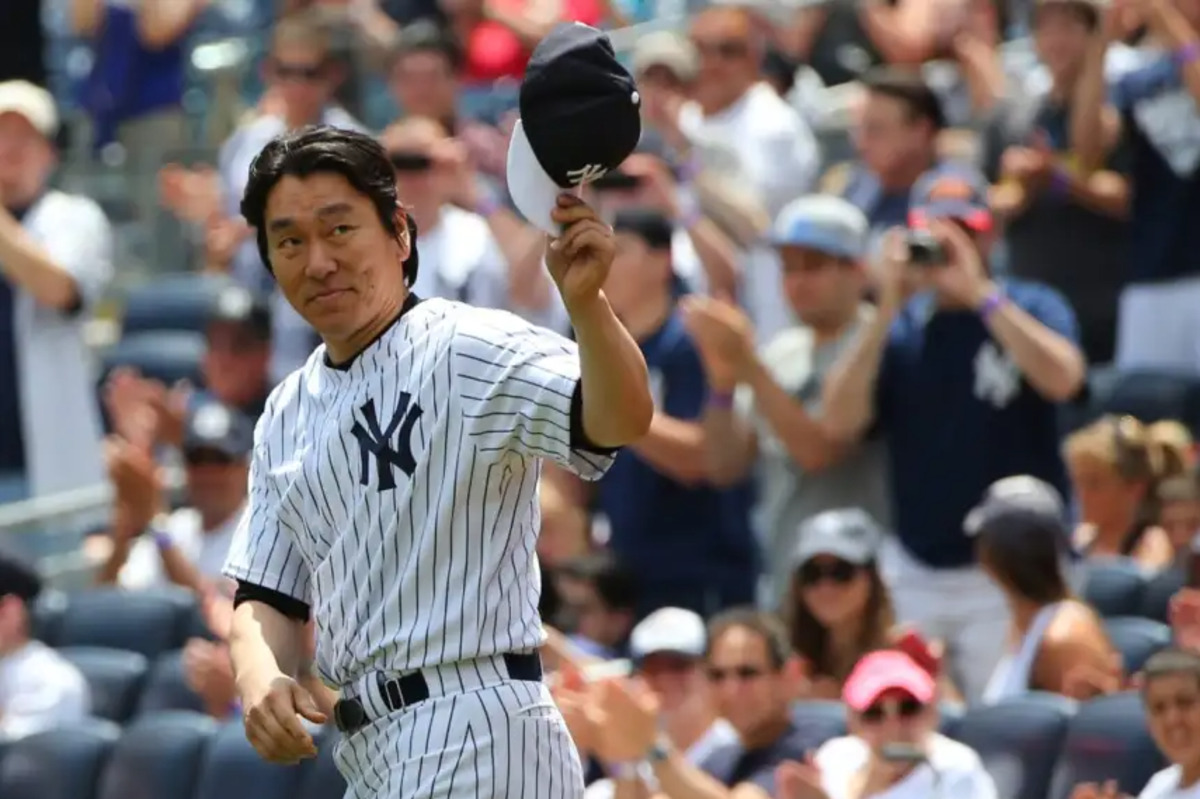
The Yankees’ signing of Hideki Matsui in 2003 marked a watershed moment in their relationship with Japan. Already a legendary figure with the Yomiuri Giants, Matsui’s arrival in New York created unprecedented excitement among Japanese baseball fans. His debut season attracted millions of Japanese viewers, establishing new patterns of international baseball consumption.
Matsui’s crowning achievement—earning World Series MVP honors in 2009—resonated deeply in both cultures. His approach to the game, characterized by quiet determination, unwavering professionalism, and a team-first attitude, perfectly aligned with both Japanese cultural values and the Yankees’ organizational philosophy.
Tanaka’s Yankees time: Continuing the legacy

Masahiro Tanaka‘s 2014 signing represented the next chapter in this ongoing narrative. Following his remarkable 24-0 season with the Tohoku Rakuten Golden Eagles, Tanaka’s transition to the Yankees maintained a strong connection between Japanese fans and the Bronx Bombers. His successful adaptation to MLB competition, particularly his clutch performances in crucial games, further strengthened the bonds between these baseball-loving nations.
Beyond the diamond: Commercial and cultural impact
The Yankees’ influence in Japan extends far beyond athletic competition. Their iconic interlocking “NY” logo has become a fashion statement, transcending its sporting origins to represent a broader cultural aesthetic. Strategic partnerships with Japanese corporate giants like Sony and Canon have further integrated the Yankees brand into Japanese daily life, while regular broadcasts of Yankees games maintain a constant connection with fans across the Pacific.
Shared Values: Foundation of lasting connection
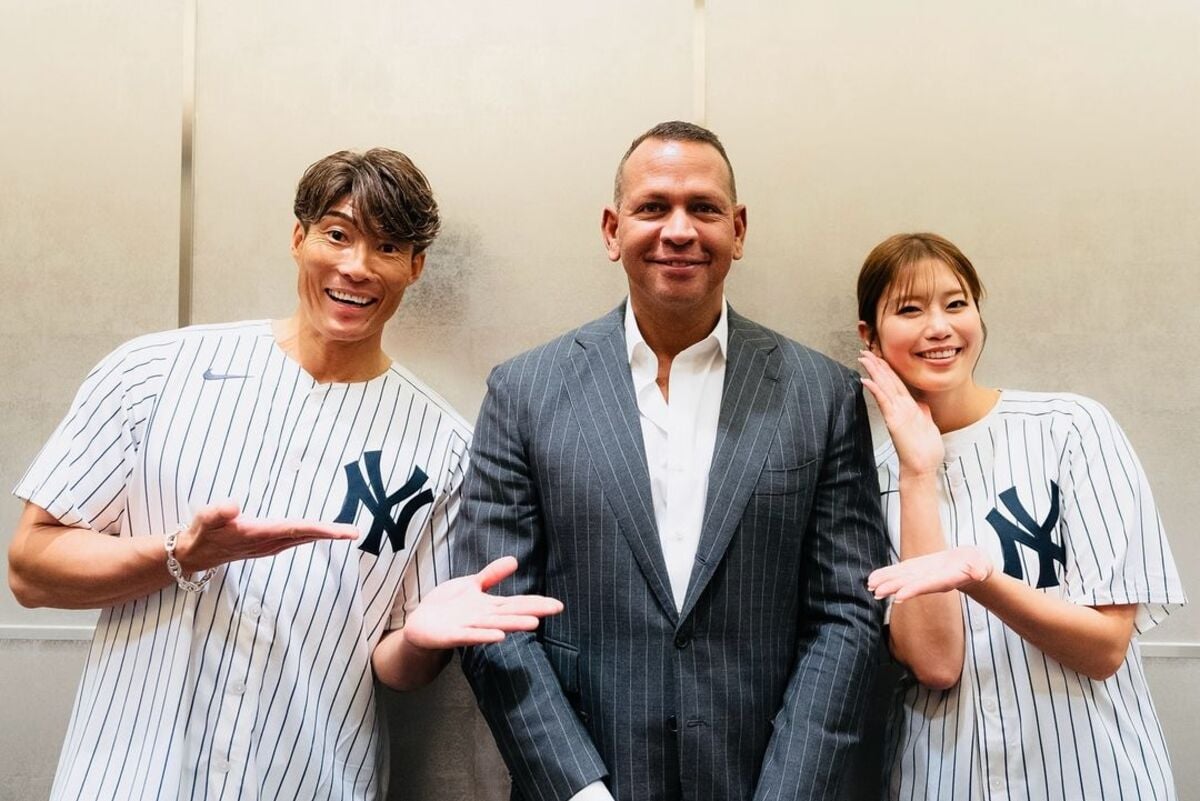
The Yankees‘ remarkable popularity in Japan stems from more than athletic achievement. The organization’s emphasis on tradition, excellence, and disciplined execution mirrors fundamental values in Japanese society. This alignment of philosophical approaches has created a natural affinity that deepens the sporting connection.
Historic moments and meaningful exchanges
Significant tours have reinforced this relationship throughout the decades, from Mickey Mantle’s 1955 visit to the emotionally charged 2004 game in Hiroshima. The latter event, particularly, demonstrated baseball’s power to heal historical wounds and build bridges between nations. These tours have consistently showcased the Yankees’ role as cultural ambassadors, extending their influence beyond competitive athletics.
Learning through challenges
The relationship has weathered its share of difficulties, notably the struggles of players like Hideki Irabu and Kei Igawa to meet lofty expectations. However, these challenges have served to demonstrate the complexity of cross-cultural athletic transitions while ultimately strengthening the broader connection between the Yankees and their Japanese fanbase.
Ichiro: A dream fulfilled
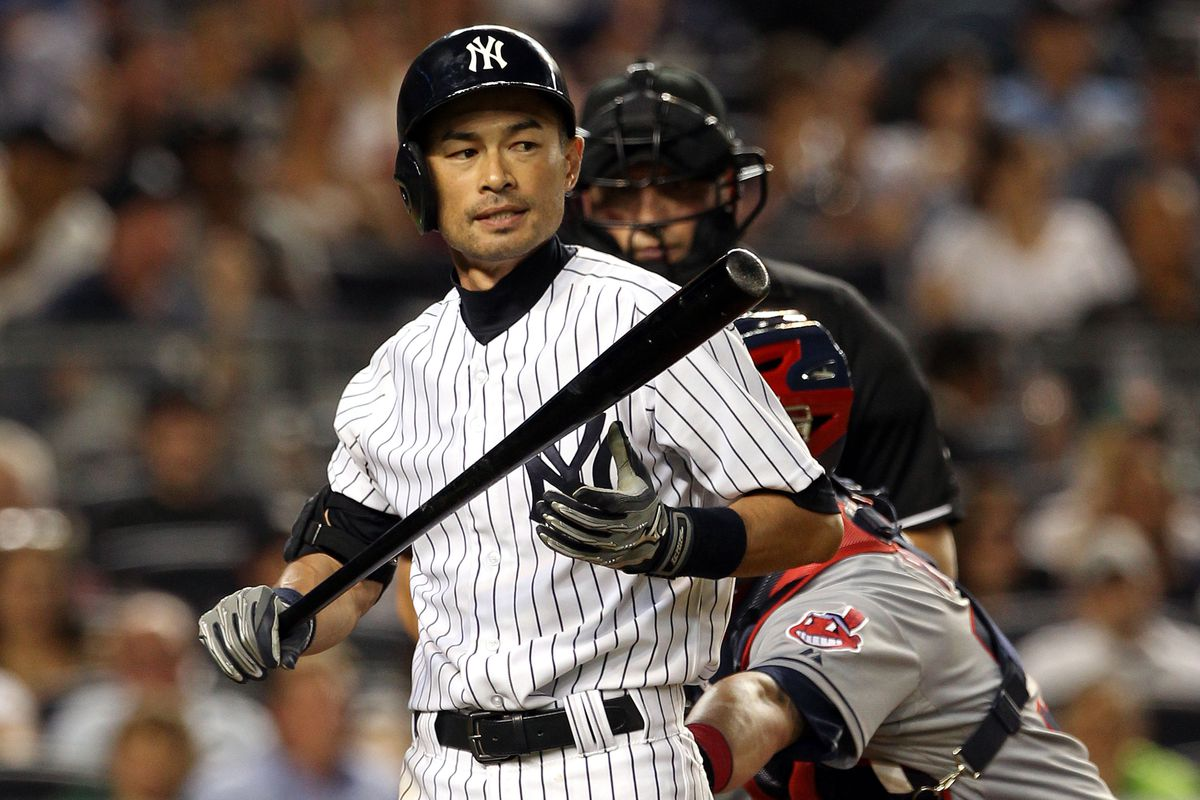
When Ichiro Suzuki donned the pinstripes in 2012, it represented the fulfillment of a long-held dream for many Japanese baseball fans. Though his Yankees tenure came later in his career, his presence in New York added another distinguished chapter to the ongoing story of Japanese baseball excellence in the Bronx.
Yankees ability to sustain a global legacy
The Yankees’ enduring popularity in Japan exemplifies the sport’s unique ability to forge lasting international connections. From Babe Ruth’s groundbreaking tour to the modern achievements of stars like Matsui and Tanaka, the Yankees have consistently strengthened the bonds between American and Japanese baseball cultures.
As baseball continues its global evolution, the special relationship between the Yankees and Japan stands as a testament to the power of shared passion and mutual respect. This connection, built on historical moments, cultural understanding, and athletic excellence, promises to inspire future generations of baseball fans on both sides of the Pacific.
What do you think? Leave your comment below.














I am a CALS. My husband is PALS. It was hard and I cry daily but not in front of him unless we cry together. He couldn’t find anything to give him happiness or hope. We have been focusing on our faith. He was only losing his voice before we made the decision to try different medications, which significantly enhanced his condition. He received the ALS/MND treatment for his ALS from uinehealthcentre. com approximately four months ago; since then, he has stopped using a feeding tube, speech is getting better by the day, sleeps well, works out frequently, and has become very active.