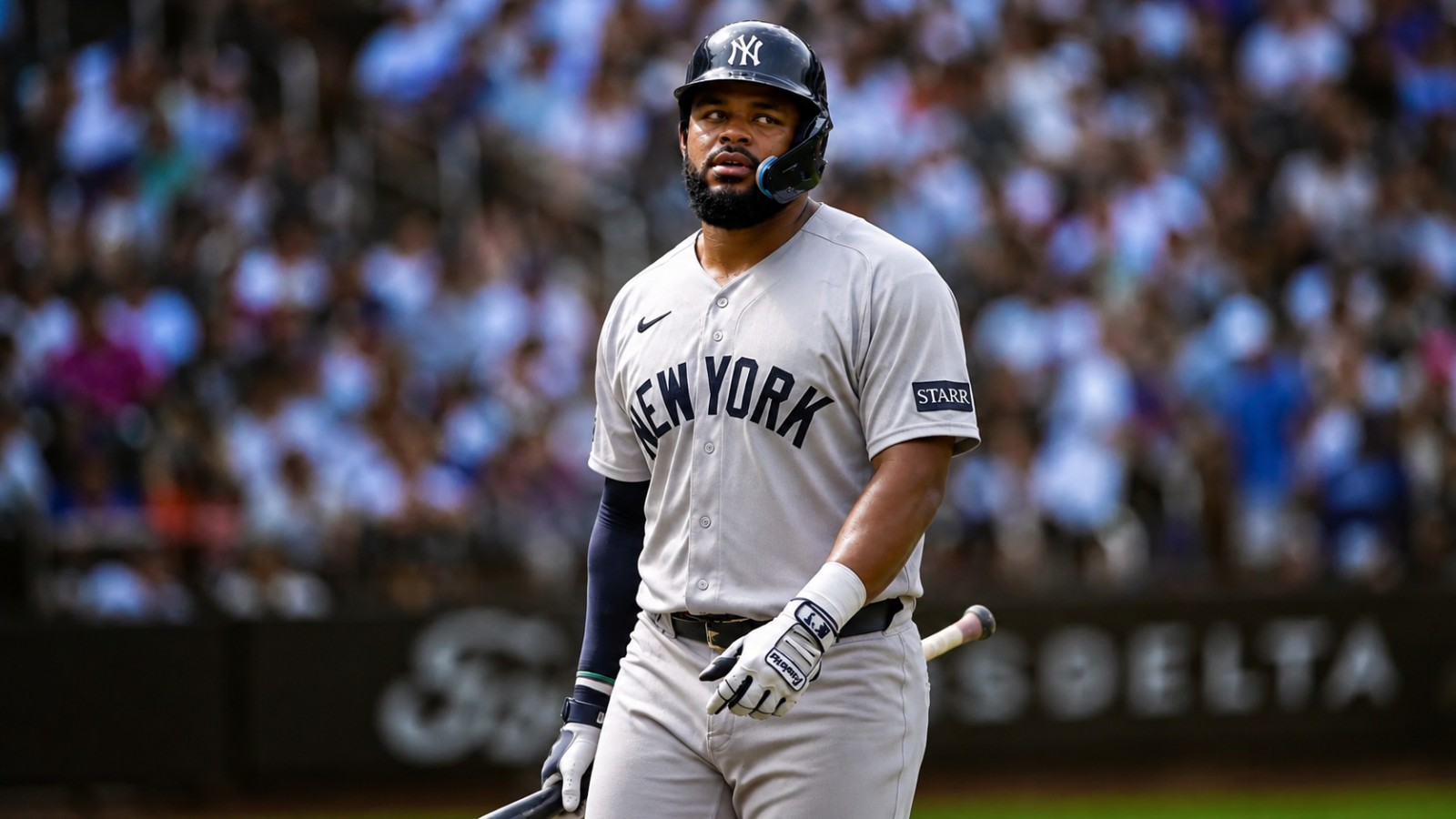
NEW YORK — The cost of Brian Cashman’s summer roster gamble has become harder to ignore with every week of the Yankees’ offseason. What initially appeared to be a modest solution to a temporary shortage of right-handed offense now raises a larger question about how the organization values young talent.
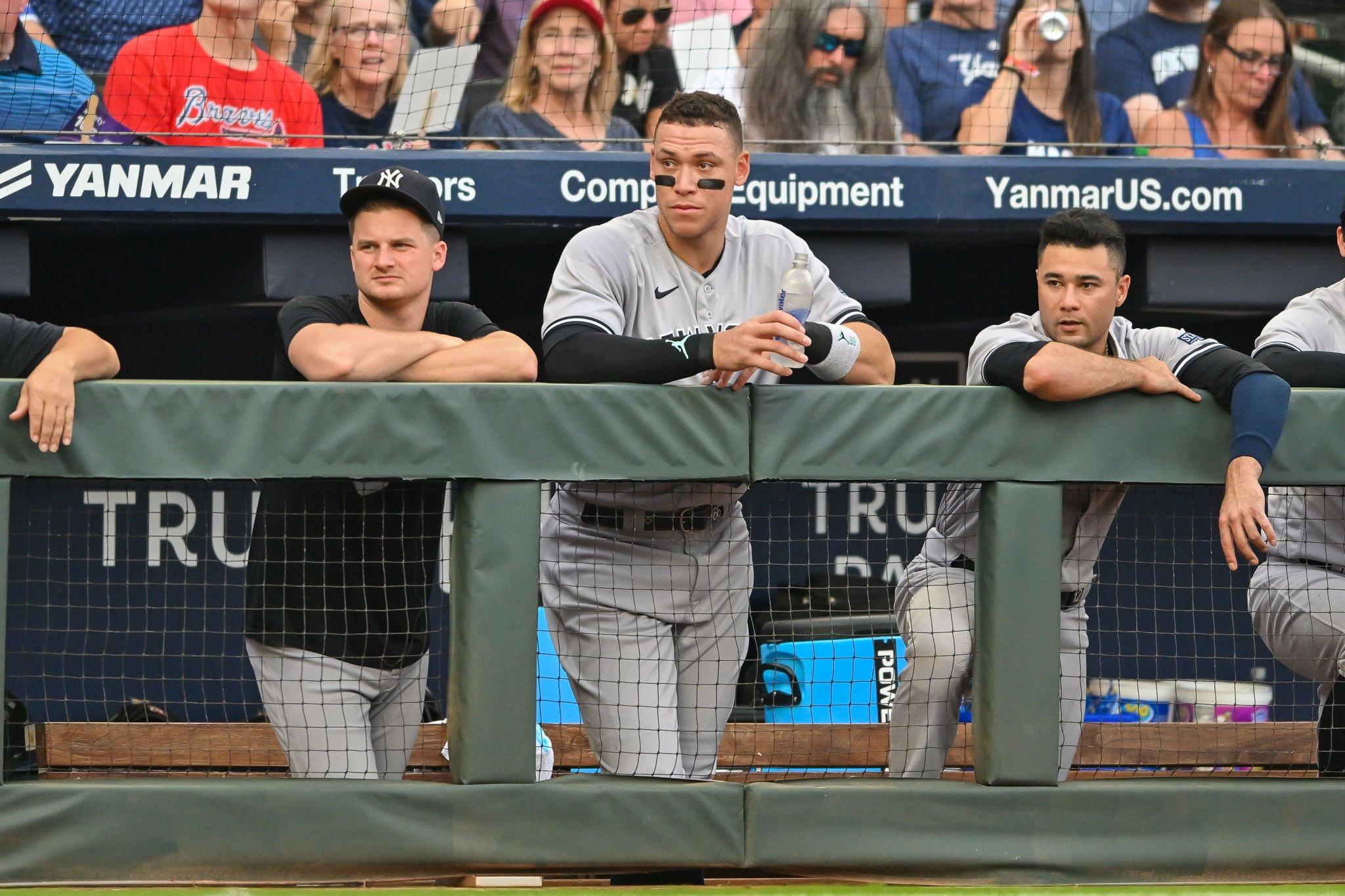
New York entered the Aug. 3 trade deadline with Aaron Judge, Cody Bellinger and Giancarlo Stanton on the injured list. Cashman needed an outfielder who could immediately take major league at-bats, especially against left-handed pitching, without forcing the Yankees to wait for their regular lineup to recover.
A controllable player in his mid-20s offered more than a two-month rental. The Yankees were balancing immediate urgency against surrendering minor league depth.
That urgency did not translate into a meaningful October role. A player acquired to stabilize the lineup ended the season largely outside Aaron Boone’s postseason plans, while the two young players surrendered to obtain him remained in another organization. The gap between the investment and the immediate return is now central to New York’s winter decisions.
Two prospects out, a diminished role in New York
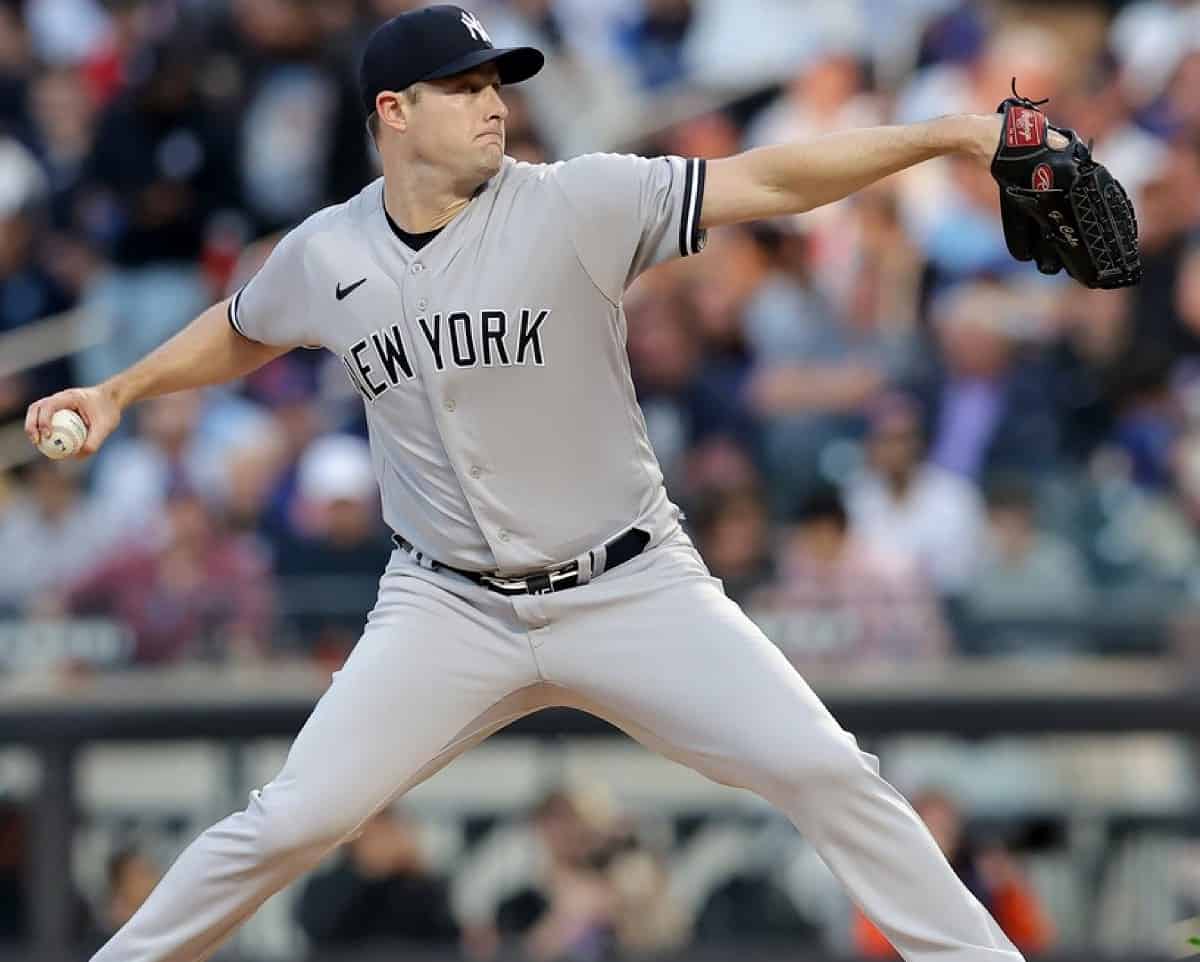
The Yankees acquired Heliot Ramos from the San Francisco Giants for left-hander Henry Lalane and infielder Kaeden Kent. At the time of the transaction, MLB Pipeline ranked Lalane fifth and Kent 13th in New York’s farm system. Those rankings made the package a real prospect expenditure, not a disposal of organizational surplus.
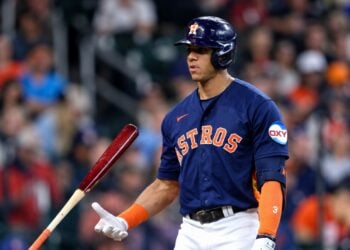
Ramos, a 2024 All-Star, was hitting .264 with nine home runs and a .728 OPS in 74 games with San Francisco. He arrived with a record of power against left-handers and team control through the 2029 season.
The performance after the trade changed the calculation. Ramos hit .198/.309/.379 with four homers and 12 RBIs in 136 plate appearances over 38 games for the Yankees. His season totals across both clubs were a .245 average, 13 homers, 46 RBIs and a .716 OPS.
October offered little chance to reverse the impression. Ramos appeared in one postseason game, finishing 0-for-3 with two strikeouts against Boston. The Yankees later exited in the AL Division Series against Tampa Bay, with their trade-deadline outfield addition unable to change the outcome.
Cashman’s deadline explanation meets October reality
Cashman sought complementary hitters while his established middle-of-the-order bats recovered. His deadline explanation centered on giving Boone more flexibility against opposing pitchers.
Ramos initially welcomed the move and the opportunity to play for New York, but the promise of a substantial role quickly faded.
The Yankees bought a controllable major league bat at a prospect price, but their October lineup gave him only three at-bats. The disparity puts scrutiny on the original evaluation and his intended role.
Hidden cost is more than two names on a trade sheet
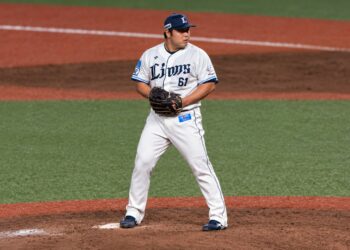
Henry Lalane was 22 when New York dealt him. Before the trade, the 2.01-meter left-hander had struck out 98 batters in 78 innings with a 2.77 ERA across Single-A and High-A. That translates to 11.3 strikeouts per nine innings, a useful measure of why he commanded prospect attention.
Kaeden Kent, also 22, had batted .302 with six home runs, 43 RBIs and 20 stolen bases in 76 games at High-A Hudson Valley. He was the Yankees’ third-round draft pick in 2025 and the son of Hall of Famer Jeff Kent.
The departures removed two different kinds of organizational depth. Lalane offered a potential future arm for the pitching staff. Kent brought infield versatility and contact-oriented production. Neither was guaranteed to become an MLB regular, but both carried development upside the Yankees no longer control.
One especially revealing comparison is opportunity cost. Ramos produced four home runs for New York after the deal, while the Yankees surrendered a pitcher averaging more than 11 strikeouts per nine innings before his departure and an infielder hitting above .300. It is not a direct measure of trade value, but it shows the contrast between an immediate return and longer-term potential.
A second Ramos trade could lock in the loss
Offseason discussion has put Ramos into possible trade scenarios, including a suggested buy-low fit with Toronto. Moving him to an AL East rival would add another layer to Cashman’s decision, especially if a new club secured the productive version of the hitter who made the 2024 All-Star team.
There is also evidence against a rushed sale. With the Yankees, Ramos hit .306/.444/.583 in 45 plate appearances against left-handed pitchers, compared with .150/.242/.288 in 91 appearances against right-handers. Across both clubs, his OPS against lefties was .908. His profile still offers a potential platoon advantage.
Ramos is entering his first arbitration-eligible offseason and is not scheduled for free agency until after 2029. The Yankees therefore have time to assess whether he can become a targeted right-handed bat rather than a full-time outfielder. His defensive limitations, including a reported minus-10 outs above average in 2026, complicate that role.
No completed follow-up trade has changed the Yankees’ position as of Oct. 25. Ramos remains the player New York received for Lalane and Kent. Whether the deal becomes one of Cashman’s most damaging trades will depend on his next move, Ramos’ future production and what the two prospects eventually become with San Francisco.
What do you think? Leave your comment below.