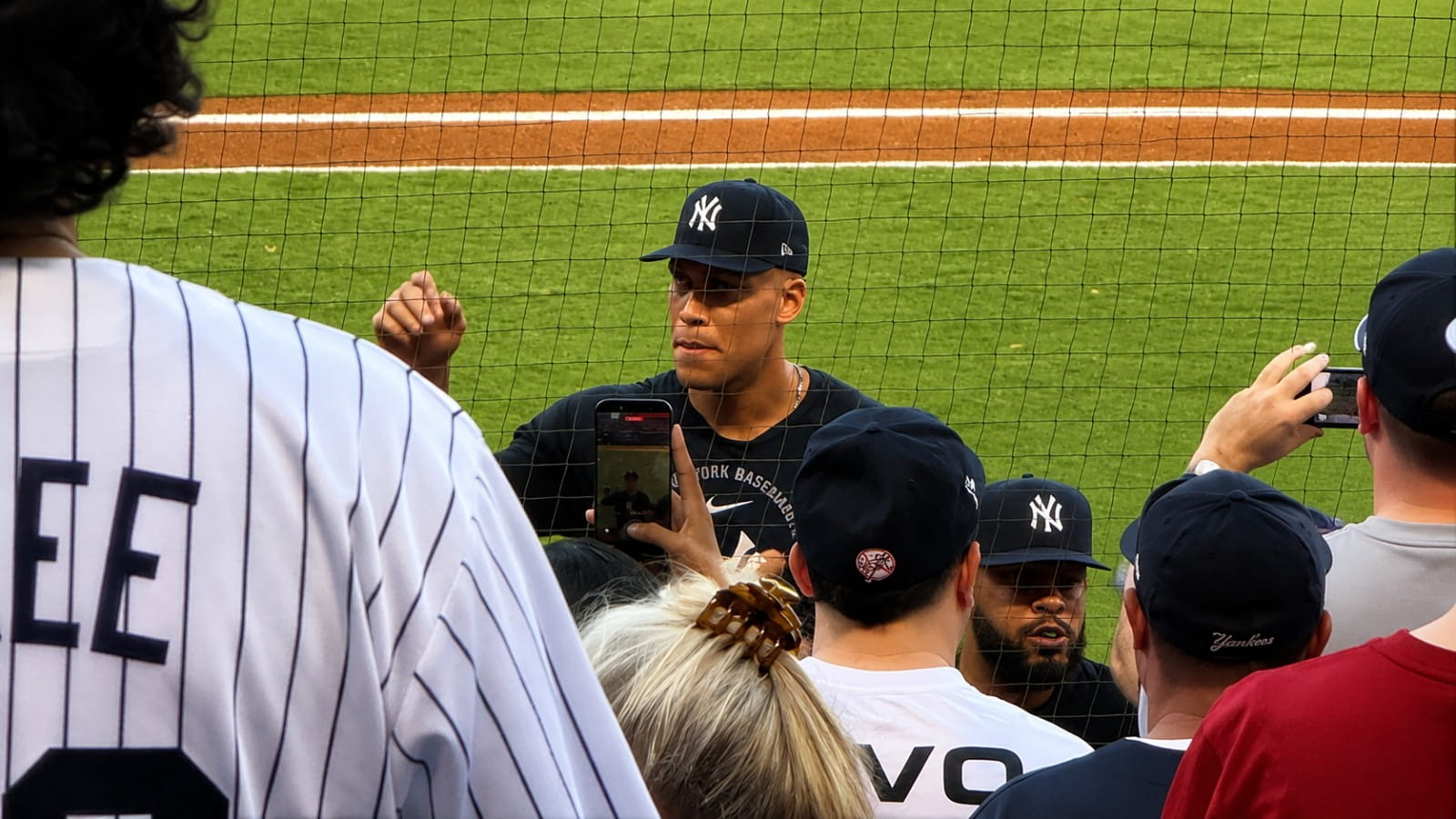
ANAHEIM, Calif. — The stadium clip spread fast, and it was easy to see why.
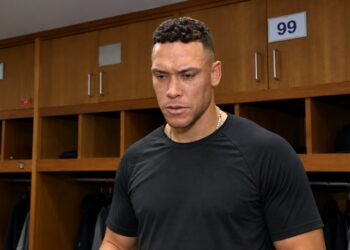
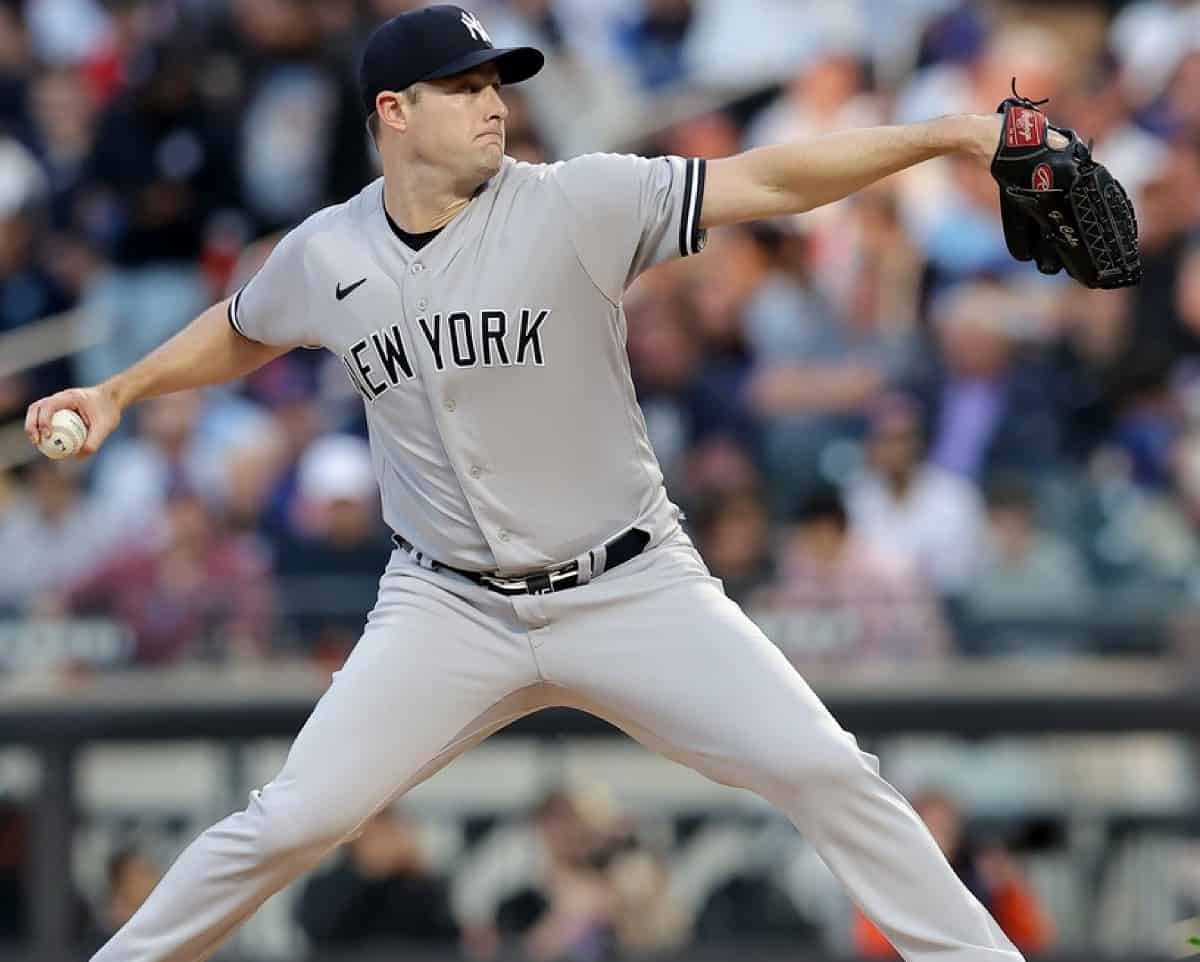
There stood Aaron Judge, back in a batter’s box at Angel Stadium this week, tracking pitches from Max Fried under the California lights. For a Yankees fan base that has waited three months to see its captain in that pose, the image felt like the first real sign that the long wait was ending.
Then came another update, and this one looked even better. Judge was seen running the bases, moving freely, deep into the rehab work that had stalled for so much of the summer.
The optimism is real. Judge is closer to returning than he has been since May, and the timing lines up with a homestand that begins Sept. 8. The Yankees, holding the top American League wild-card spot and chasing the Rays in the East, could get their best hitter back at the perfect moment.
But the story does not end at the good news. Look closer at that video, and at the history behind these returns, and a more complicated picture appears.
Two things the highlight reels left out change how the Yankees should feel about what is coming.
The first is what the Fried video actually showed, or rather did not show. The second is what Judge has done in the games right after his previous injuries, a pattern the Yankees cannot afford to repeat in a tight September.
The video that fueled the hype showed less than it seemed
The other caution sits inside the very clip that sparked the excitement. The footage of Judge facing Fried looked like a hitter testing his repaired rib against live pitching. A closer look tells a smaller story.
Judge did not swing. He appeared to be tracking pitches only, a useful timing drill but not evidence that his rib can handle a full cut. There was also no protective screen in front of Fried, which there would have to be if Judge were actually driving line drives back up the middle. The setup made clear he was never going to take a real swing in that session.
Tracking live pitches is a genuine step, and it helps. But it is not proof of rib health, and it does not resolve the central question hanging over the Yankees. For the Yankees, the rib remains the gate, and swinging hard is the test that matters.
Judge returns, but not at full force right away
A Bleacher Report forecast of the 2026 playoff picture put the concern into words. Analyst Kerry Miller predicted Judge would be back soon, then warned that the version who returns may not immediately resemble the MVP the Yankees remember. That gap matters more for the Yankees now than it would at any other point in the season.
“Aaron Judge returns next week, albeit with some rust,” Miller wrote. “… Basically, if you’re expecting Judge to come back and go yard in three of his first 10 plate appearances, his history suggests you’re going to be disappointed, even against the pitching staffs of the Rockies and Mets.”
The prediction is not pulled from thin air. It rests on what Judge has done coming off injuries before, and the numbers are sobering for anyone expecting an instant jolt.
The number nobody is putting up front: Judge’s post-injury OPS keeps starting slow
Here is the data that gives the warning its weight, laid out in one place. In the stretch of games immediately following three separate injuries, Judge has hit far below his own towering standard.
After returning from a fractured wrist in 2018, he posted a .675 OPS across his next 12 games. After a calf injury during the 2020 season, he managed a .548 OPS the rest of the way. After a toe injury in 2023, he opened with a .685 OPS over his first nine games before he began to climb back.
For context, Judge has spent this season operating well north of a 1.000 OPS when healthy. A .675 or a .548 stretch is not a slump for him. It is a different player entirely, and it tends to last a couple of weeks before the timing returns.
That lag is the crux of the warning. The Yankees are not waiting on whether Judge comes back. They are gambling on how fast he looks like himself once he does.
Why Yankees can’t afford a slow start from Judge
The stakes explain the unease. Judge has not played since May 31, sidelined by a stress fracture in his right first rib that traces to a diving play in the outfield in late April. He is 34, and the injury sits in the part of the body that generates every ounce of his power, which is why the recovery has been so deliberate.
The Yankees have survived on pitching and depth, leaning on an outfield of Cody Bellinger, Trent Grisham and Spencer Jones. But the lineup has cratered without its centerpiece. During Judge’s absence, New York has ranked near the bottom of the majors in runs, OPS and batting average, a lefty-heavy group crying out for the right-handed thunder only he provides.
The calendar is the problem. The Yankees are 80-60, 3½ games behind Tampa Bay in the AL East and holding a lead over Boston for the top wild card, the line between hosting a playoff series and opening on the road. A two-week ramp-up from Judge in April would be a footnote. In September, it eats directly into the seeding race.
There is a counterargument, and the Yankees appear to be leaning into it. If Judge is going to need a couple of weeks to find his timing anyway, better to start that clock now than to wait. His history says the slow stretch passes, and in both 2018 and 2023 he eventually rediscovered his best form. Judge has also said he hopes to return without a minor league rehab assignment, which would put his re-entry directly onto the big league stage.
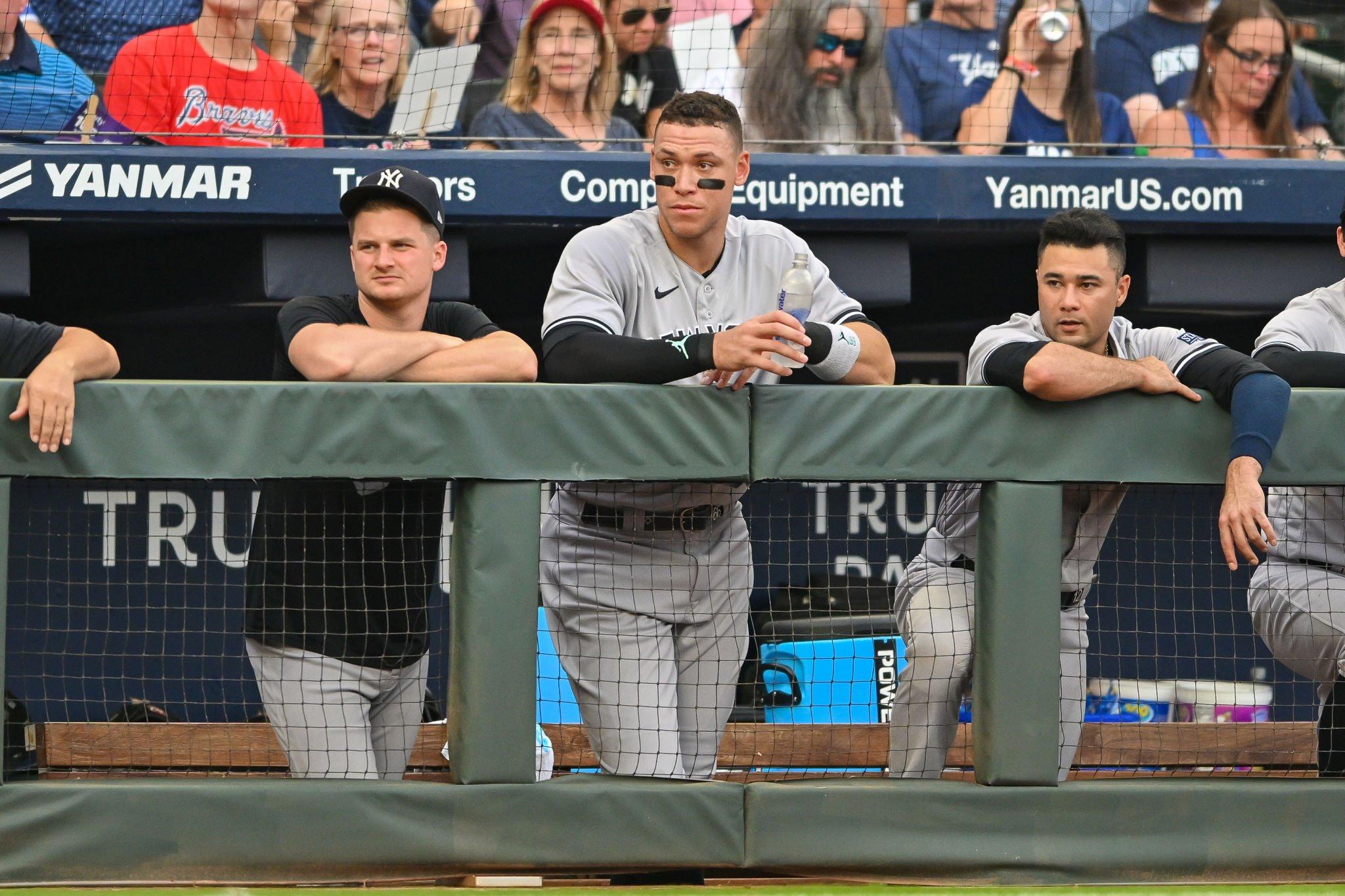
For now, the captain is running, tracking pitches and inching toward a return the Yankees have circled for weeks. The encouraging part is real. So is the warning folded inside it, and the next two weeks will decide which one defines his comeback.
What do you think? Leave your comment below.