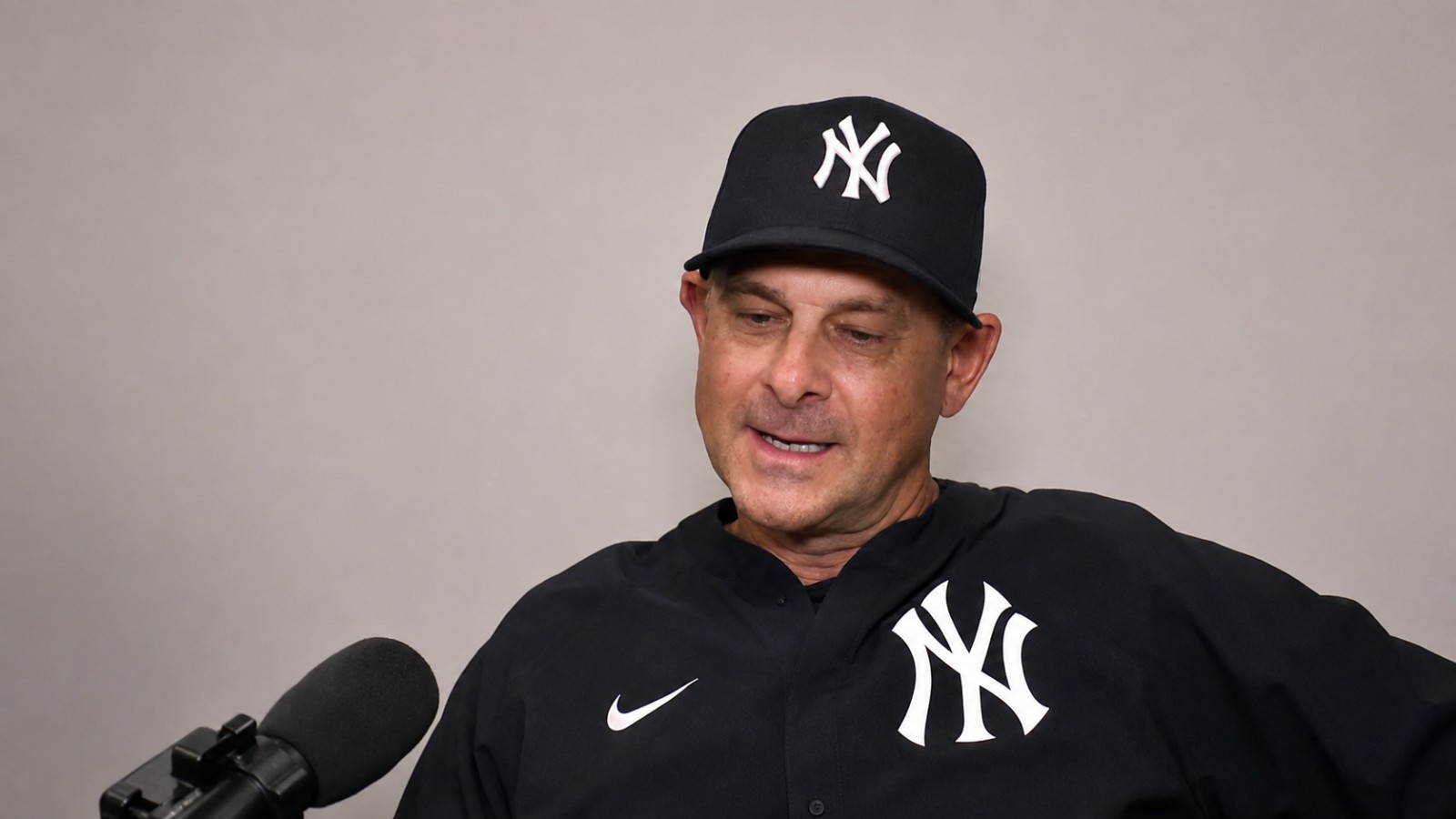
TORONTO — Aaron Boone keeps finding reasons to believe the New York Yankees are closer to an offensive breakthrough than the scoreboard suggests. The numbers surrounding his lineup keep making that position harder to defend.
Saturday offered another example. The Yankees managed four hits, all singles, in a 4-1 loss to the Toronto Blue Jays at Rogers Centre. They scored in the second inning, then went silent for the final seven frames as another strong starting effort went unrewarded.
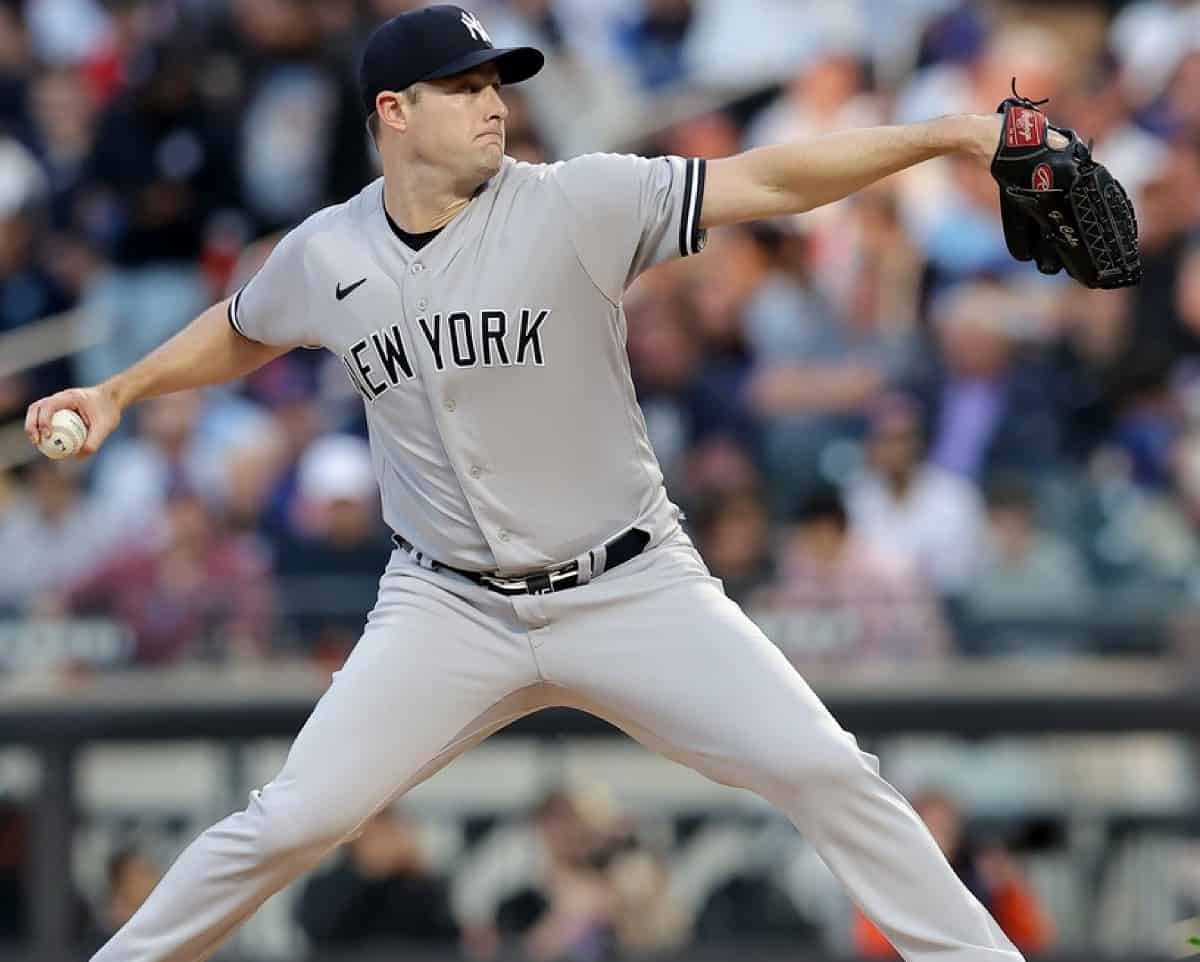
The loss dropped New York to 68-55 and continued a stretch in which run prevention has rarely been the biggest problem. Cam Schlittler kept Toronto in check for much of the afternoon, but the Yankees gave him almost no margin for error.
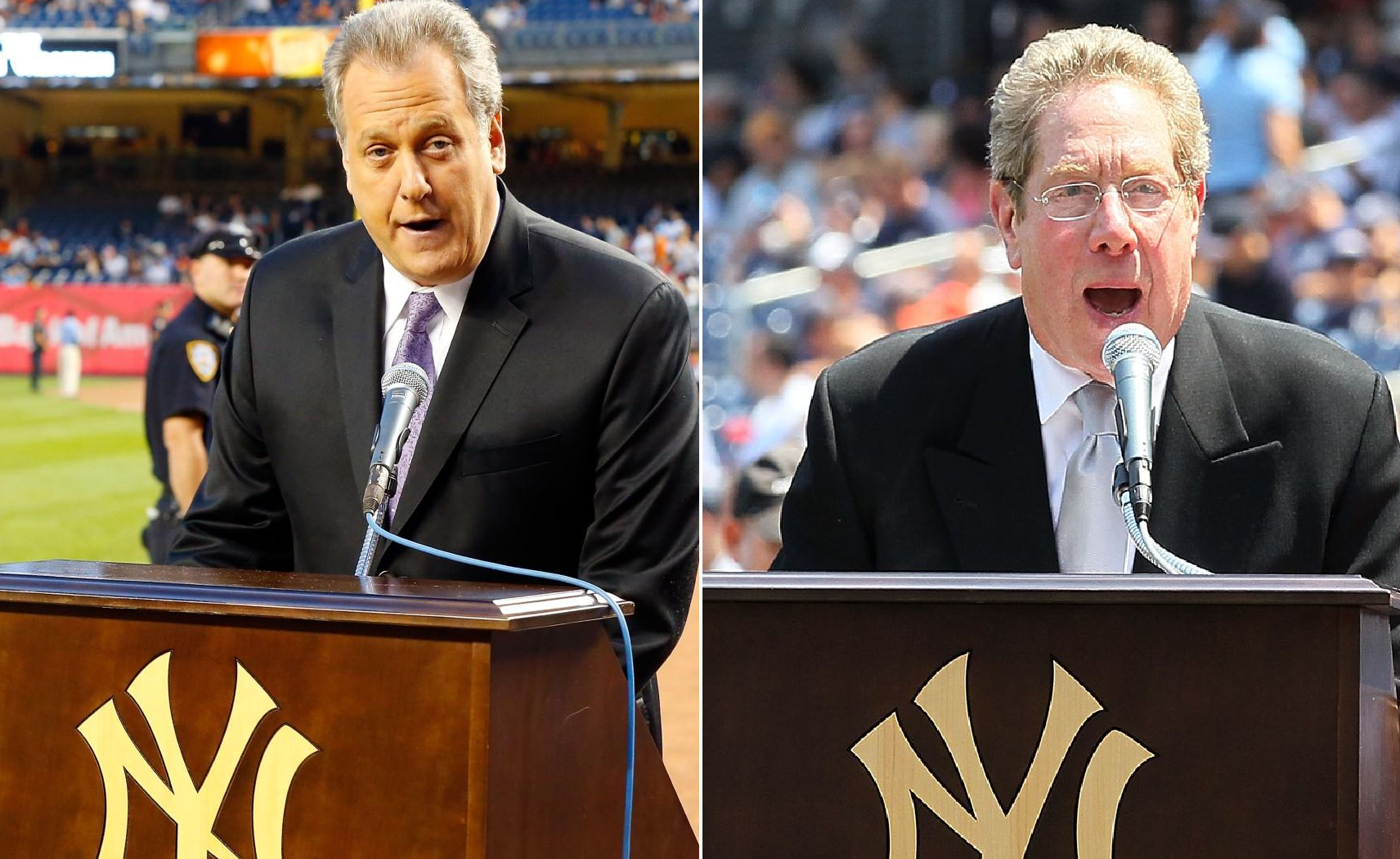
That disconnect has become a recurring theme. New York has tried to separate poor results from the quality of its at-bats, particularly with hitters whose contact data suggests better outcomes should eventually arrive. On Saturday, that familiar defense ran into a pointed response from one of the most prominent voices on the Yankees’ own broadcast.
Cone challenges the Yankees’ process argument
During the YES Network telecast, Boone’s assessment of struggling outfielder Heliot Ramos was relayed in the booth. Ramos had been making hard contact despite getting little production since joining the Yankees at the trade deadline.
“Boone says if you look under the hood he’s hitting the ball really well just nothing to show for it.”
The argument had statistical support. Ramos entered Saturday with a 93.8 mph average exit velocity as a Yankee despite going 2-for-25, and six of his seven hardest-hit balls with New York had turned into outs. His season-long expected numbers also suggested some bad fortune.
But David Cone was not interested in allowing underlying metrics to become a substitute for production, especially with the entire Yankees lineup struggling to score.
After Ryan McMahon hit a second-inning line drive that became an out, Cone used the moment to challenge the larger process-first explanation.
“That whole trust the process part only gets you so far. You need something tangible and the Yankees offense certainly a lot of these hitters need it. A good at bat and a good line drive right at ’em, that ain’t enough right now.”
Cone’s words landed because they cut directly against the reassurance surrounding the Yankees’ recent offensive failures. Boone was pointing to what might eventually happen. Cone was emphasizing what New York needs to happen now.
The former Yankees pitcher and perfect-game author was not arguing that contact quality has no value. His point was about urgency. A contender can live with hard-hit outs for a stretch. It becomes much harder to sell the same explanation when an entire lineup stops producing runs.
The scoreboard strengthens Cone’s case
Saturday’s game quickly became Exhibit A.
Spencer Jones singled to open the second and moved to third on Luis García Jr.’s single. George Lombard Jr. brought Jones home for a 1-0 lead. That was the last run the Yankees scored.
Toronto tied the game in the third, then went ahead in the seventh on Charles McAdoo’s RBI double. The Blue Jays added two insurance runs in the eighth. Spencer Miles earned the win, Brent Headrick took the loss and Louis Varland struck out the side in the ninth for his 28th save.
The Yankees finished with only three runners left on base largely because they created so little traffic. Trent Grisham, Ben Rice and Ramos, the first three hitters in the order, combined to go 0-for-11. Rice struck out twice. Ramos went 0-for-4 and extended his hitless skid to 0-for-20.
One isolated slump could support patience. The broader Yankees numbers make Cone’s objection more difficult to dismiss.
New York has hit .200 with a .638 OPS while averaging 2.8 runs over its last 10 games. The Yankees have produced a .636 OPS since the All-Star break, second worst in MLB, according to Reuters.
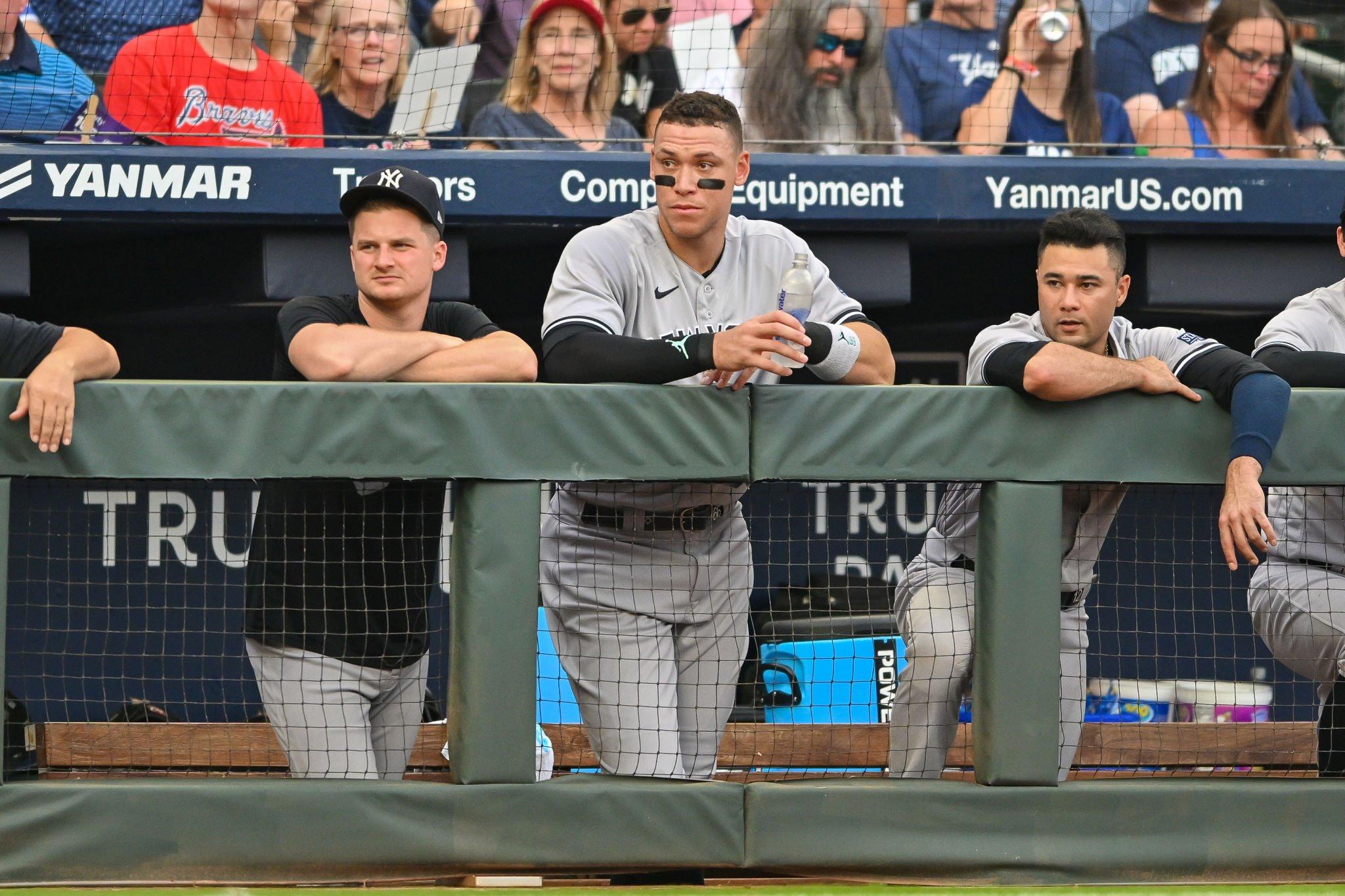
Since Aaron Judge went on the injured list with a fractured right rib, the lineup has lacked the force that once covered quieter stretches elsewhere. Reuters reported Saturday that the Yankees were 32-31 during Judge’s absence. Judge has not played since May 31.
Over a longer period beginning June 2, the decline has been even more striking. The supplied team data has the Yankees at a .218 average, .284 on-base percentage and .668 OPS in that span, ranking 30th, 30th and 29th in MLB, respectively. Their 3.78 runs per game ranked 28th.
Boone’s defense has a limit the Yankees are reaching
That is what transformed Cone’s observation from a comment about one hard-hit out into a rebuttal of the way the Yankees have discussed their offense.
Boone has reason to examine process. Ramos’ underlying contact is a legitimate example. His full-season Statcast profile entering the weekend included a .258 expected batting average compared with a .247 actual average, plus a .444 expected slugging percentage against a .399 actual mark.
Yet expected production cannot drive in a runner from third. Exit velocity cannot turn a loss into a win after the fact. For a Yankees club trying to protect its postseason position without Judge, Cody Bellinger and Giancarlo Stanton in the lineup, the distinction has become increasingly important.
The Yankees entered Sunday having scored two total runs in the first two games of the Toronto series. They had also scored only three runs across their previous 27 innings. Their season offense still carried a .718 OPS through Saturday, but the recent version looked nothing like a lineup capable of absorbing prolonged absences from its biggest bats.
Toronto’s bullpen made the contrast particularly uncomfortable Saturday. Rookie Ricky Tiedemann allowed the early run in his major league debut, but the Blue Jays’ relievers shut New York down from there. The Yankees did not produce an extra-base hit.
Cone’s criticism therefore reached beyond Ramos. It addressed the widening gap between the Yankees’ belief that better swings should eventually create better outcomes and a pennant race that does not wait for regression to arrive.
Pressure shifts from process to production
The Yankees entered Sunday’s series finale trying to avoid a sweep and halt an offensive slide that has repeatedly wasted quality pitching. Toronto had won the first two games 3-1 and 4-1, pulling within one game of the final AL wild-card spot.
For New York, the immediate issue was no longer whether several hitters deserved better results. It was whether the lineup could produce enough actual ones before its injured stars returned.
That is the line Cone drew on the broadcast. Boone can keep looking under the hood. The Yankees have reached a stage of the season when the standings, the scoreboard and the runs column are becoming much harder to look past.
What do you think? Leave your comment below.