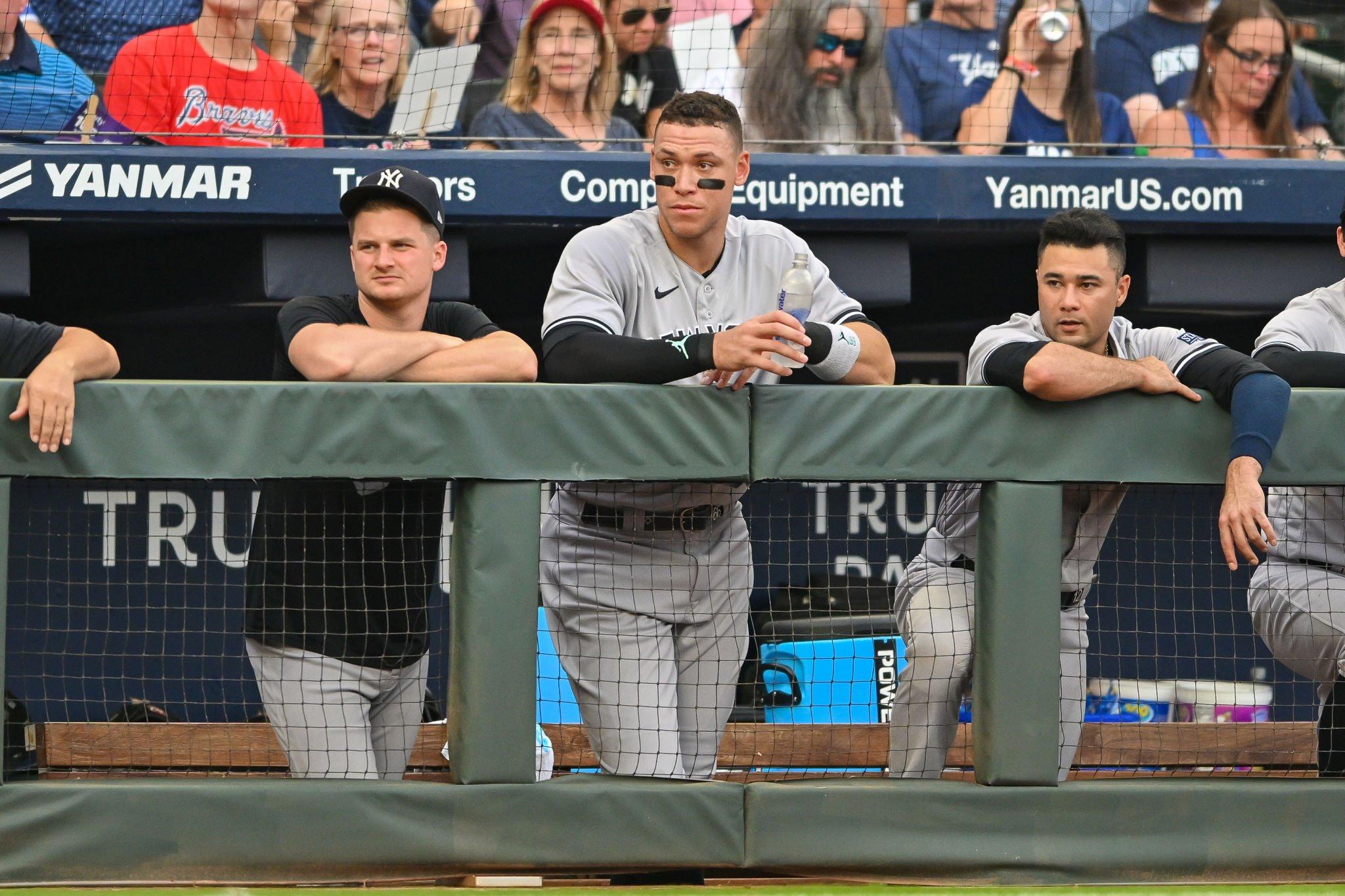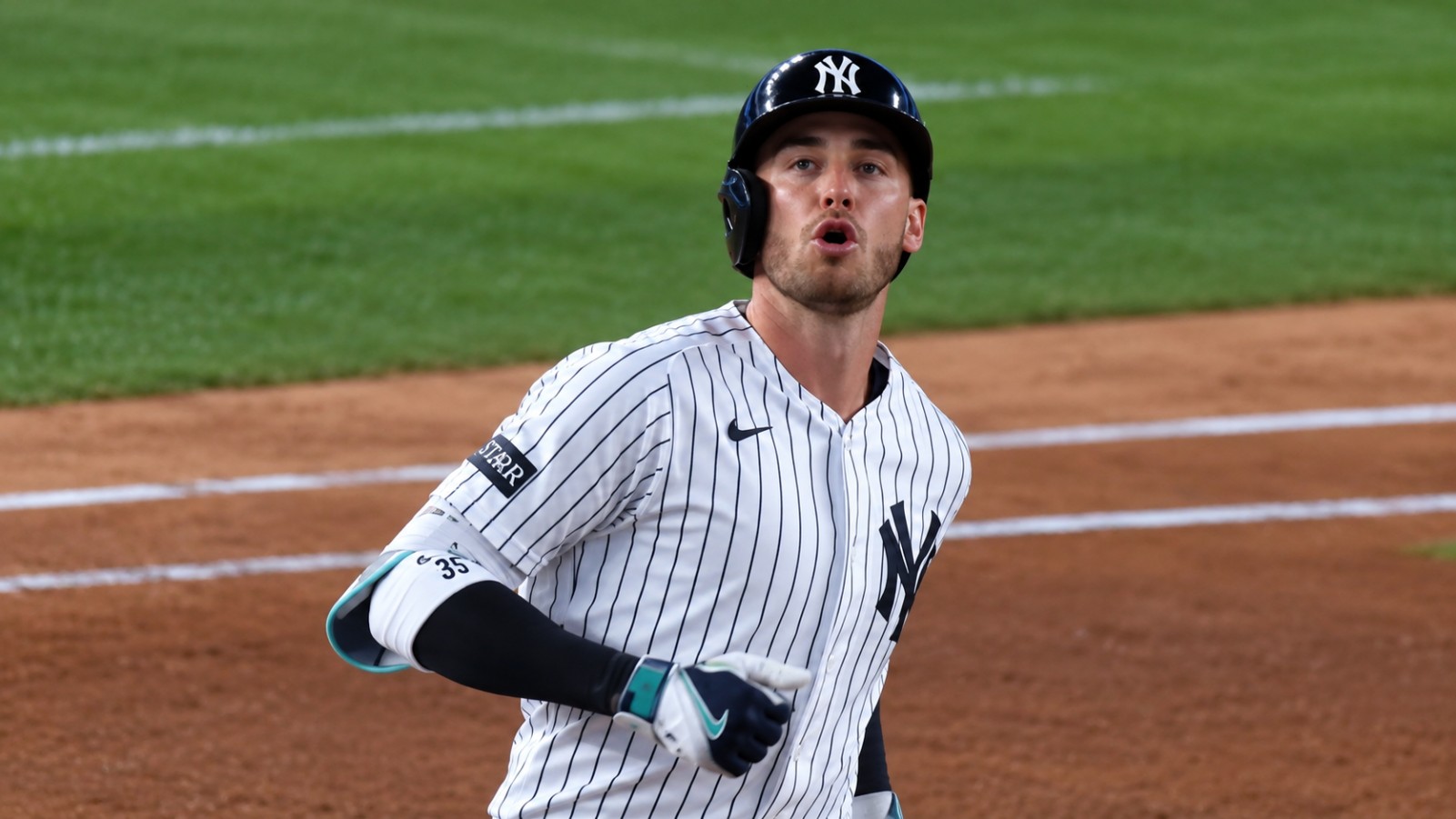
BRONX, N.Y. — The Yankees had louder reasons to celebrate Wednesday night than Cody Bellinger’s final swing.
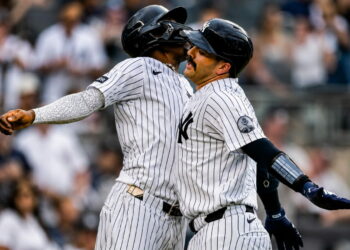
George Lombard Jr. supplied the defining blow with a third-inning grand slam. Aaron Judge collected two hits in his second game back from a 100-day absence. Will Warren gave the Yankees six innings of one-run baseball in a 6-1 win over the Colorado Rockies at Yankee Stadium.
Bellinger’s contribution came later. His solo home run in the eighth pushed the margin to five runs in a game New York already controlled. Warren earned the win, Tomoyuki Sugano took the loss, and no save was needed as the Yankees improved to 83-62.
That sequence made Bellinger easy to overlook. It also fit the way much of his recent work has arrived. The Yankees have had bigger individual stories around them, from Judge’s return to young players forcing their way into the postseason conversation. Bellinger has mostly stayed in the middle of the lineup without turning every game into a referendum on his season.
The timing matters because Bellinger is still less than three weeks removed from a month-long absence. He returned Aug. 23 after recovering from a Grade 2 left hamstring strain suffered July 25 in Philadelphia. At the time, Judge was still out, and the Yankees needed Bellinger to resume an everyday role immediately.
Now the roster context has changed again. Judge is back, the Yankees entered Thursday four games behind the 87-58 Tampa Bay Rays in the AL East, and New York held a 10-game cushion over the wild-card cutoff. Bellinger does not have to carry the offense. His ability to keep innings alive, score runs and defend multiple outfield spots can be enough.
The broader pattern is becoming harder to dismiss. From Aug. 31 through Wednesday, Bellinger went 12-for-35, a .343 average, with eight runs, four RBIs and a home run across eight games. The Yankees went 5-3 in that span. It is not a traditional power binge. It is steady September production.
Anaheim started the run, not the headline
The first clue came in Anaheim, where Bellinger controlled much of the three-game series against the Angels without a home run.
He went 8-for-14 in the series. That included a 2-for-4 night in the opener, then consecutive three-hit games. On Sept. 1, he went 3-for-5 and scored twice as the Yankees won 7-3.
The finale made his value even clearer. Bellinger went 3-for-5 with two runs and an RBI in a 6-3, 10-inning victory. The game stayed tied until the Yankees scored five times in the 10th.
Austin Wells delivered the biggest hit of that inning with a two-run single. Bellinger later added an RBI single and kept the rally moving. David Bednar earned the win and Luke Murphy took the loss.
That series moved Bellinger from .259 to .267 and reinforced something the Yankees have needed since his return. His best value does not have to come only from home runs.
San Diego tested whether the production could travel
Step aside his controversial gesture in San Diego, the Padres series showed why Bellinger’s stretch cannot be measured only by batting average.
He went 0-for-4 with three strikeouts in the 3-2, 10-inning loss on Sept. 4. Yet he still changed the game defensively, throwing out Manny Machado at second base in the third inning.
A night later, Bellinger supplied one of the Yankees’ most important hits in a 5-1 win. With two outs in the second inning, he lined a two-run single to right off left-hander Robbie Ray, extending New York’s lead to 4-0.
Carlos Rodon earned the victory after allowing one run over five innings. Ray took the loss after the Yankees chased him in the third.
Bellinger finished the San Diego series 2-for-13. That prevents the past week from being dressed up as a flawless tear. But his two-run single directly helped the Yankees secure their only win of the series, while his outfield assist added value in the opener.
The numbers reveal a different kind of September surge
Through Wednesday, Bellinger was batting .264 with a .343 on-base percentage and .418 slugging percentage in 118 games. He had 13 home runs, 63 RBIs, 65 runs and 10 stolen bases.
Since returning from the hamstring injury on Aug. 23, Bellinger has gone 19-for-66, a .288 average, with 13 runs, 10 RBIs and two home runs. Those totals come from his official game log and show a hitter contributing without relying on one concentrated power burst.
That is the unusual part of the current Yankees run. Bellinger is not carrying the lineup. He is helping lengthen it.
The distinction matters more now that Judge is back. Bellinger can hit around Judge, Ben Rice and the Yankees’ other power threats while still giving Aaron Boone defensive flexibility across the outfield.
Rockies series makes the quiet production louder
Bellinger’s first two games against Colorado added two different examples.
In Tuesday’s 5-3 win, he went 1-for-4 with a double and scored twice. His first run came in the opening inning when Colorado committed two errors on the same play. His second came on Heliot Ramos’ three-run homer in the eighth. Cam Schlittler earned the win, Gabriel Hughes took the loss, and Bednar recorded his 32nd save.
The next night brought the swing that finally looked more like the Bellinger people expect to notice.
Facing right-hander Juan Mejia in the eighth, Bellinger drove an 83.1 mph sweeper into the right-field seats. Statcast measured the exit velocity at 106.2 mph and the distance at 357 feet. It was his 13th home run and increased the Yankees’ lead to 6-1.
By then, Lombard’s grand slam had decided the game. Bellinger’s homer did something less dramatic but still useful. It removed any late leverage and allowed Boone to finish the night without needing Bednar after the closer had worked Tuesday.
The Yankees had won seven of their previous 10 entering Thursday. Bellinger’s season line still does not demand the spotlight. His September is starting to demand attention.
What do you think? Leave your comment below.