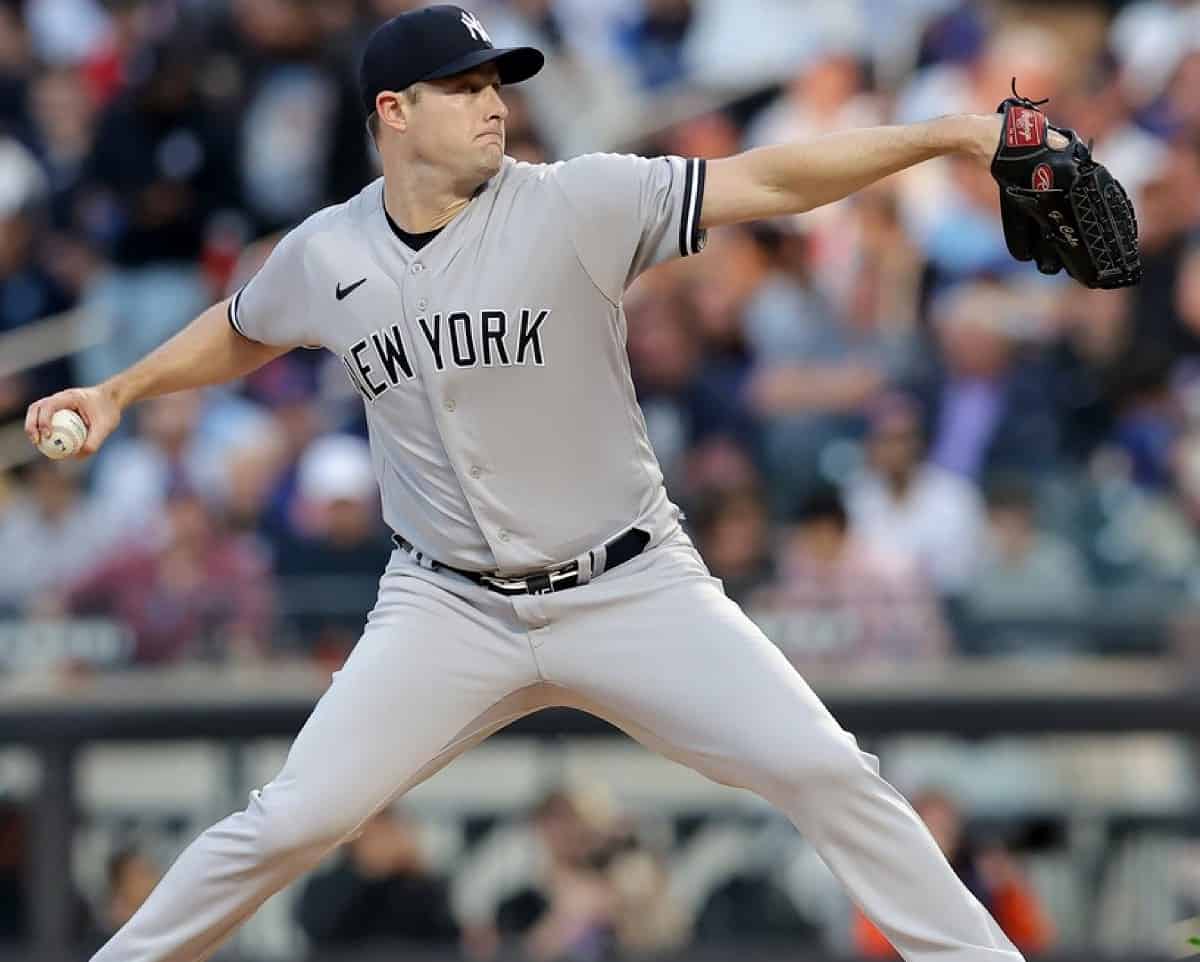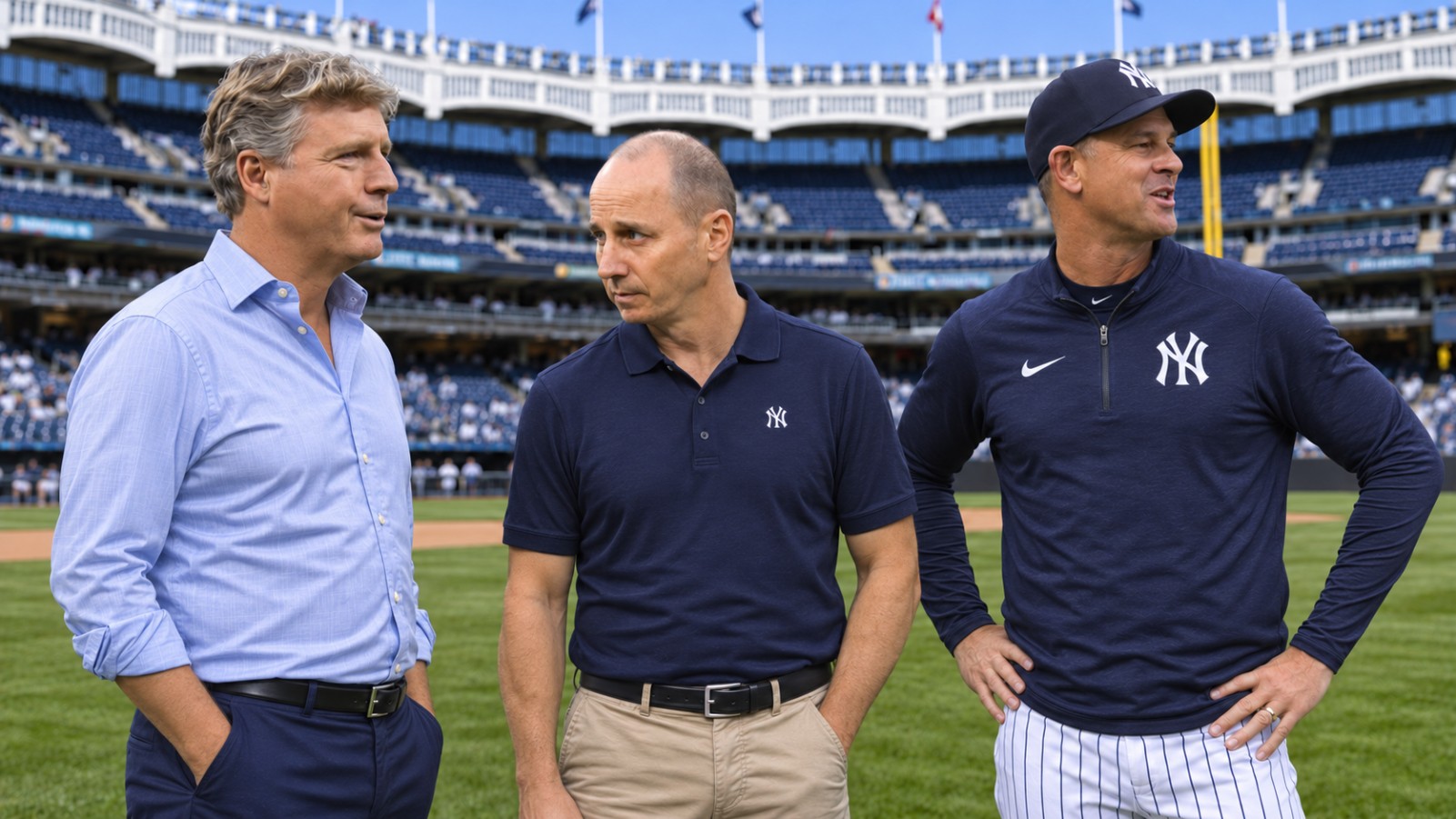
NEW YORK — The Yankees still fill their ballpark. They still draw huge television numbers. They still spend more than almost anyone in baseball.
What they have not done since 2009 is win the last game of the season. That gap now stretches 17 seasons, and the questions have grown louder since a painful October exit.
A 4-3 loss to Tampa Bay at Yankee Stadium on Oct. 8 ended New York’s postseason and sealed its first sweep in a best-of-five series since 1980. As fans headed for the exits, some called for Aaron Boone to lose his job.
The criticism extended beyond the stands. Former Yankees CC Sabathia, Derek Jeter, and Alex Rodriguez questioned the team’s fundamentals and clubhouse culture. Minutes after the World Series concluded, cameras captured Milwaukee manager Pat Murphy describing the 2023 Yankees as a group driven by individual interests.
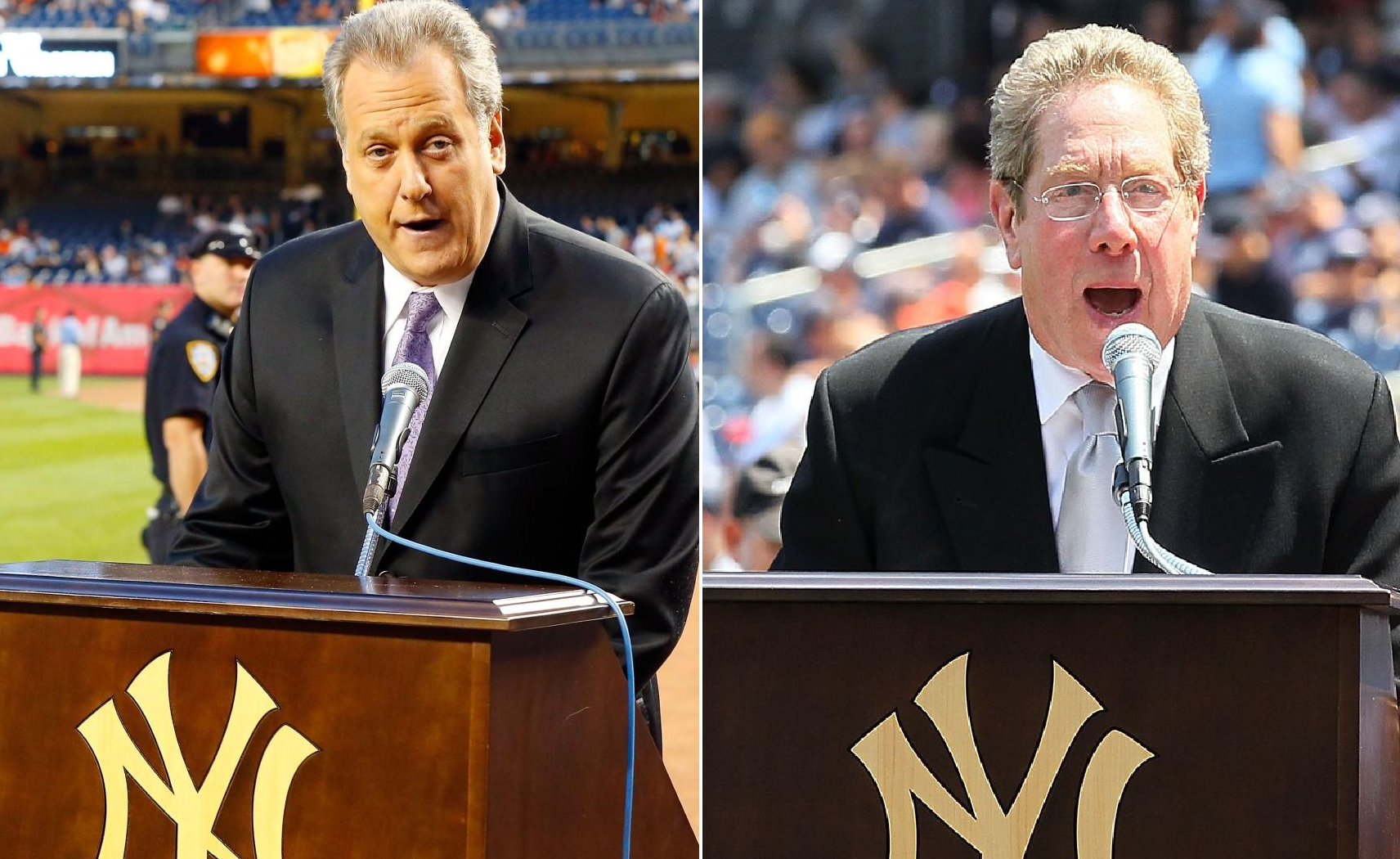
Veteran New York baseball columnist Bob Klapisch delivered a broader indictment during a roundtable with Yankees beat writer Randy Miller. His assessment challenged the organization’s priorities: Building a championship team, he argued, had given way to maintaining and selling the Yankees brand.
From sports franchise to entertainment company
Klapisch framed the problem as organizational. He said the Yankees once set the standard for how a team should be run, and that standard has slipped.
“As I’ve written in my columns, the Yankees have gone from a sports franchise to a successful entertainment brand. They make a ton of money, but winning it all no longer seems to be a priority. ‘Championship or bust’ is just a marketing slogan now,” Klapisch said.
He stopped short of calling the Yankees a failure, then compared them to an NFL team that has also gone decades without a title.
“The Yankees are just another team that wins close to 60 percent of their games in the regular season and makes a lot of money. They fill the stadium. They get ratings through the roof on YES. By no means are the Yankees a failure, let’s be real about that. Let’s be fair. But they’re the Dallas Cowboys of MLB. A brand,” Klapisch said.
Miller offered his own comparison. He likened the Yankees to Manchester United, the global soccer power that has not won an English top-flight title since the 2012-13 season.
The clubhouse behind the business model
Klapisch tied the corporate drift to daily habits. He said the team’s casual approach begins in spring training and is shaped by Boone, whom he called intelligent but reluctant to push his players.
To illustrate the point, he relayed a question one scout asked him after the World Series.
“When was the last time you saw the Yankees play like their hair was on fire?” the scout asked, according to Klapisch.
Miller pointed to the game’s small details. He noted the Yankees had 10 sacrifice bunts in 2026, tied for the second fewest in the majors, while the Rays led baseball. New York still finished second in the majors in home runs, even with Aaron Judge and Giancarlo Stanton combining for only 21.
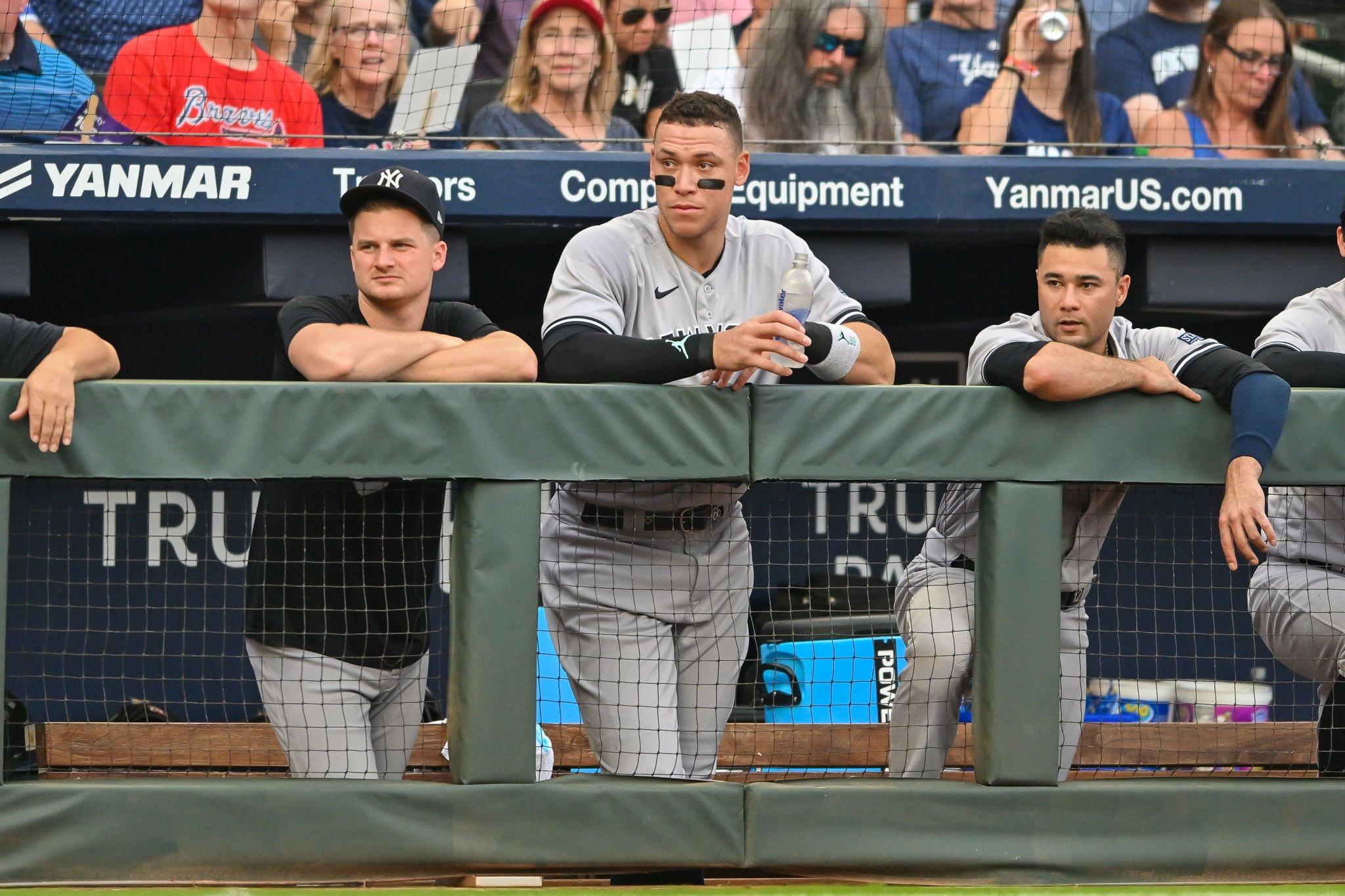
Both writers also pointed to the 2025 decision to loosen the facial hair policy that had stood for about 50 years. Klapisch said Judge, who stayed clean-shaven, made a statement by keeping that look.
Brand value climbs while banners stay frozen
The numbers behind the accusation cut both ways.
Forbes valued the Yankees at $2.3 billion in 2012. Its March 2026 list placed them at $8.5 billion, first in MLB, a spot the club has held on every Forbes list since 1998. In September, CNBC put the Yankees at $12 billion after the Los Angeles Angels sale reset the market.
Over the same 17 seasons since their last title, the Yankees have reached the postseason 13 times. They have won one pennant, in 2024, and lost that World Series to the Los Angeles Dodgers in five games.
The money is not all one-sided. Forbes estimated the Yankees posted an operating loss of $53 million and noted the Dodgers had passed them in annual revenue, $850 million to $710 million.
The spending is real, too. Spotrac projects a 2026 luxury tax payroll of about $325.8 million and a tax bill of roughly $65.4 million. Starr Insurance also pays the club $25 million a year for its jersey patch, according to Miller.
Labor talks could force Yankees’ hand
Klapisch suggested the fix may come from outside the Yankees. The collective bargaining agreement expires Dec. 1, and owners proposed a $258 million salary cap with a $180 million floor on Nov. 3. The union rejected it.
Klapisch defended Hal Steinbrenner’s spending, citing the owner’s $760 million offer to keep Juan Soto. He said a cap could still help the Yankees by forcing general manager Brian Cashman to build smarter, as Tampa Bay does.
“I have no doubt Hal Steinbrenner would welcome a cap because it would force Brian Cashman to be more selective,” Klapisch said.
Miller called for roster changes that reward contact, defense and versatility. He named free agents Luis Arraez, Mauricio Dubón, Carson Kelly and Tyrone Taylor as targets and said the Yankees should not bring back Jazz Chisholm Jr.
The Yankees have nine free agents, and that number grows to 10 if closer David Bednar declines his qualifying offer. With a possible lockout weeks away, the franchise faces a winter in which its priorities will be judged by what it does, not what it markets.
What do you think? Leave your comment below.