NEW YORK — The Yankees face a difficult choice at second base after another abrupt October exit. Replacing Jazz Chisholm Jr. would mean finding more than a familiar position on the field. It would mean replacing the speed, defensive range and occasional power that survived an uneven offensive season.
The Yankees must also decide how much of its young pitching it is prepared to spend. The Yankees have a promising arm nearing the point at which a brief major league audition could become a more substantial role. Moving that pitcher for a contact-oriented position player would change two parts of the roster at once.
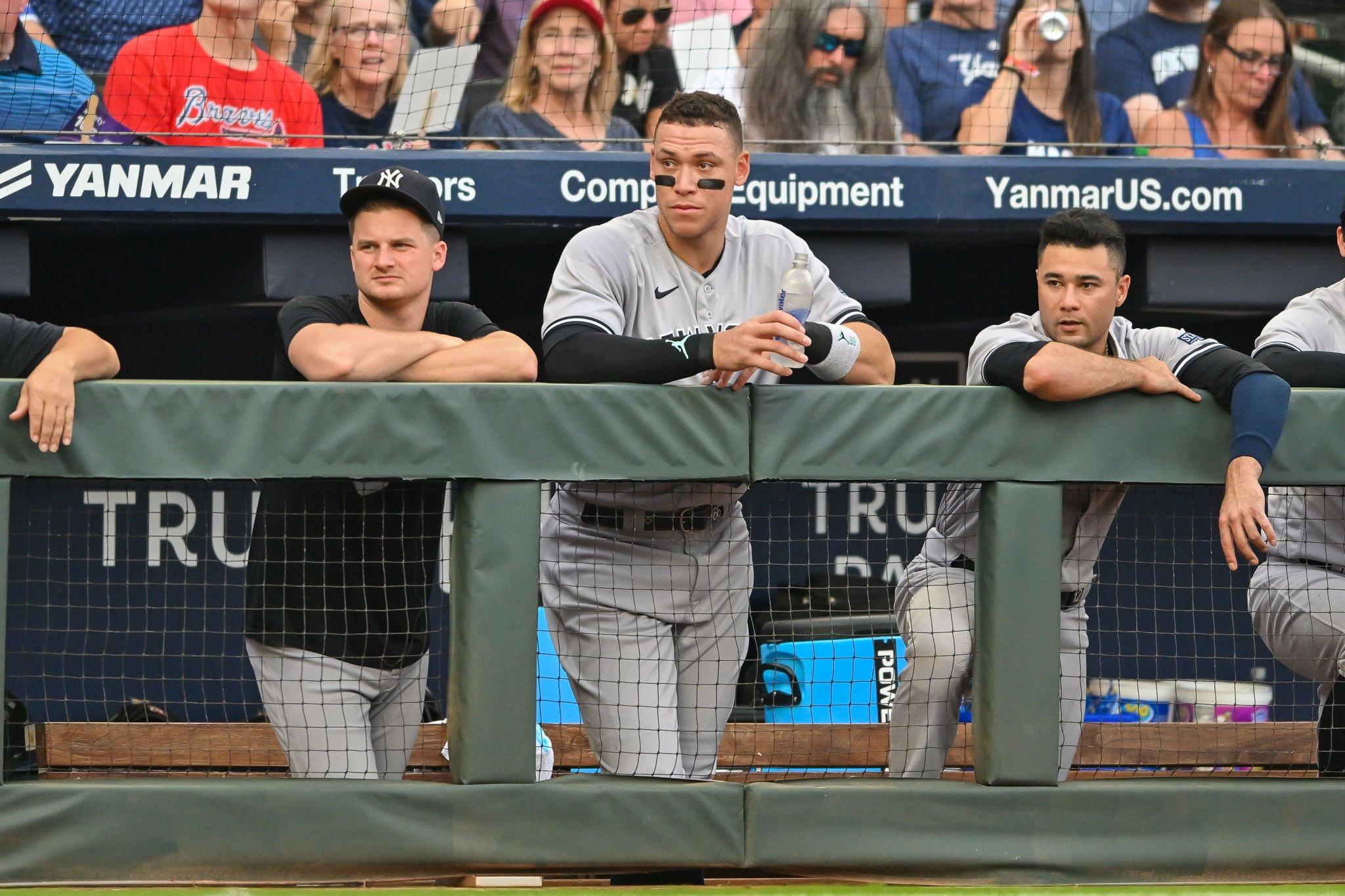
That dilemma matters because the Yankees are not simply shopping for a middle infielder. Aaron Boone’s club needs more reliable at-bats around Aaron Judge, but it also needs inexpensive rotation depth. The bullpen and starting staff cannot be treated as separate questions when prospects become trade currency.
Chisholm’s approaching free agency makes the timing pressing. He hit .231 with a .312 on-base percentage, a .399 slugging percentage, 19 home runs and 41 steals in 2026. His 13 outs above average at second base ranked fourth at the position, according to FanGraphs figures cited in recent reporting. A cheaper replacement could improve contact without reproducing that complete profile.
A WBC standout surfaces in New York’s second-base search
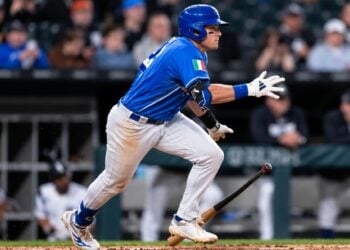
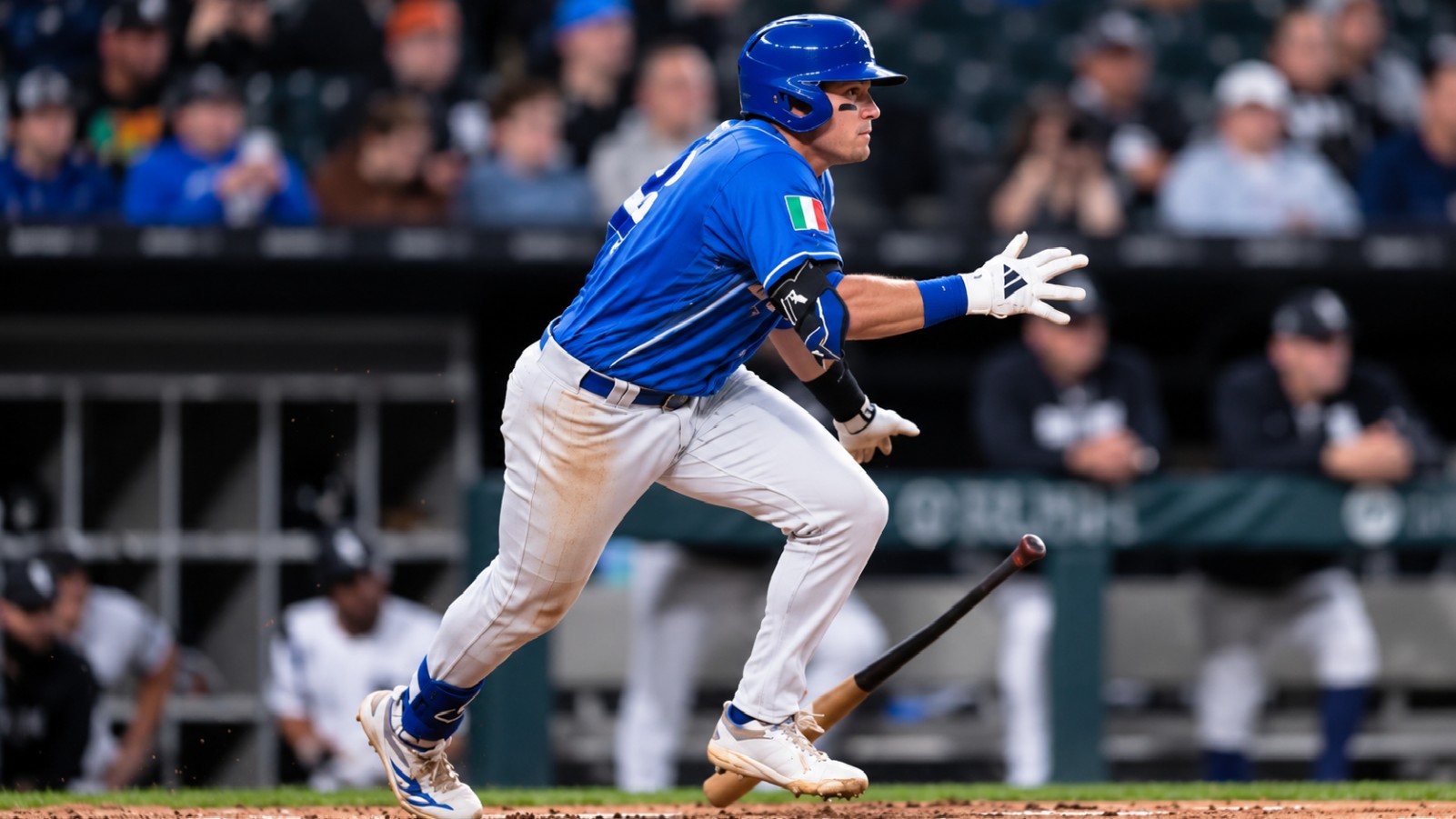
One speculative answer is Sam Antonacci, the 23-year-old Chicago White Sox rookie who represented Italy in the 2026 World Baseball Classic. New York Post columnist Joel Sherman raised Antonacci as a possible Yankees target during a Pinstripe Post discussion Wednesday, alongside a hypothetical exchange involving Yankees right-hander Elmer Rodríguez.
Sherman presented the idea as a suggestion, not as reporting that either club had opened negotiations. There is no verified offer or indication that Chicago has agreed to make Antonacci available.
The Springfield, Illinois, native hit .277 with a .370 on-base percentage and .396 slugging percentage in 140 major league games in 2026. He had eight homers, 20 stolen bases, 43 walks and 82 strikeouts across 557 plate appearances. He was hit by pitches 29 times, a White Sox team record.
Chicago used Antonacci primarily in left field, although he appeared in 32 games at second base. That distinction is central to the Yankees’ evaluation: His versatility is established, but his ability to replace Chisholm’s everyday defensive work at second remains a separate question.
Italy performance, rapid promotion brought Antonacci attention
Antonacci started all six of Italy’s World Baseball Classic games and homered against the United States as Italy advanced to the semifinals. The White Sox had selected him in the fifth round of the 2024 draft out of Coastal Carolina.
He reached the majors April 15 after beginning the year at Triple-A Charlotte, where he collected 15 hits in 48 at-bats over 14 games. In his Chicago debut against Tampa Bay at Rate Field, he singled in his first at-bat, made a diving backhand play on a Junior Caminero grounder and later walked and scored in an 8-3 loss.
Antonacci described that first major league game in emotional terms after family members traveled from Springfield to attend. The promotion offered a glimpse of why his rise had drawn attention.
“It means everything,” Antonacci said.
The rookie’s offensive profile would address one concern for the Yankees. His .370 on-base percentage exceeded Chisholm’s .312 mark by 58 points. But 29 hit-by-pitches accounted for 5.2% of Antonacci’s 557 plate appearances. Evaluators would need to weigh that unusual contribution when projecting how reliably his on-base percentage carries into 2027.
The hidden price is a potential rotation spot
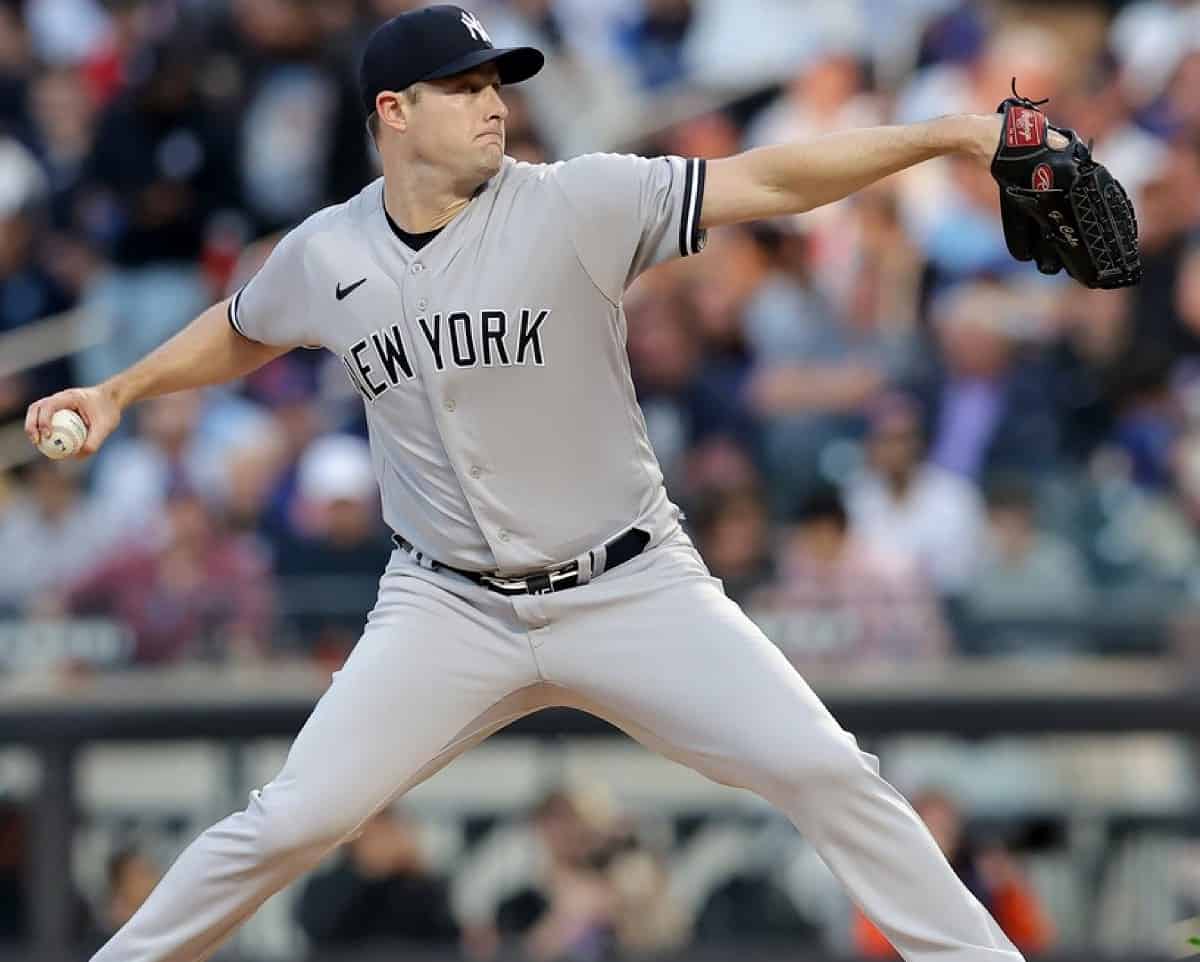
Rodríguez came to the Yankees from Boston in the December 2024 Carlos Narváez trade. MLB Pipeline ranked him No. 2 in New York’s farm system and the organization’s leading pitching prospect in the recent rankings referenced by trade coverage.
At Triple-A Scranton/Wilkes-Barre, Rodríguez went 8-4 with a 2.45 ERA and 105 strikeouts in 106⅓ innings. His first six major league starts were more uneven: a 5.40 ERA, 21 strikeouts and 16 walks in 26⅔ innings.
Those numbers create a trade-off not apparent from the hitters’ batting lines. Rodríguez’s 16 walks amount to 5.4 per nine innings in his small major league sample, while his minor league ERA suggests the Yankees still have a reason to develop him. Trading him would sacrifice a controllable pitching option before that evaluation is complete.
A fan-generated proposal has gone further than Sherman’s discussion by including prospects Stiven Marinez and Thatcher Hurd with Rodríguez. That submission is not evidence of an actual request from Chicago and should not be confused with the more limited hypothetical raised publicly.
Yankees must separate trade ideas from confirmed interest
Sherman also discussed Miami’s Xavier Edwards and Kansas City’s Michael Massey as possible infield alternatives. Antonacci represents a different bet: a rookie with strong contact indicators, demonstrated multi-position experience and far less time in the majors.
The Yankees‘ first formal decision may come before any trade call. They can offer Chisholm a one-year qualifying offer valued above $23 million, with the deadline falling five days after the World Series. Sherman indicated he expects New York to avoid the risk of Chisholm accepting it, but the club has not announced its choice.
For now, Antonacci belongs on a list of proposed solutions rather than a list of confirmed acquisitions in progress. The Yankees’ decision about Chisholm, its assessment of Rodríguez’s readiness and Chicago’s willingness to part with a rising rookie will determine whether the hypothetical develops into something more.
What do you think? Leave your comment below.