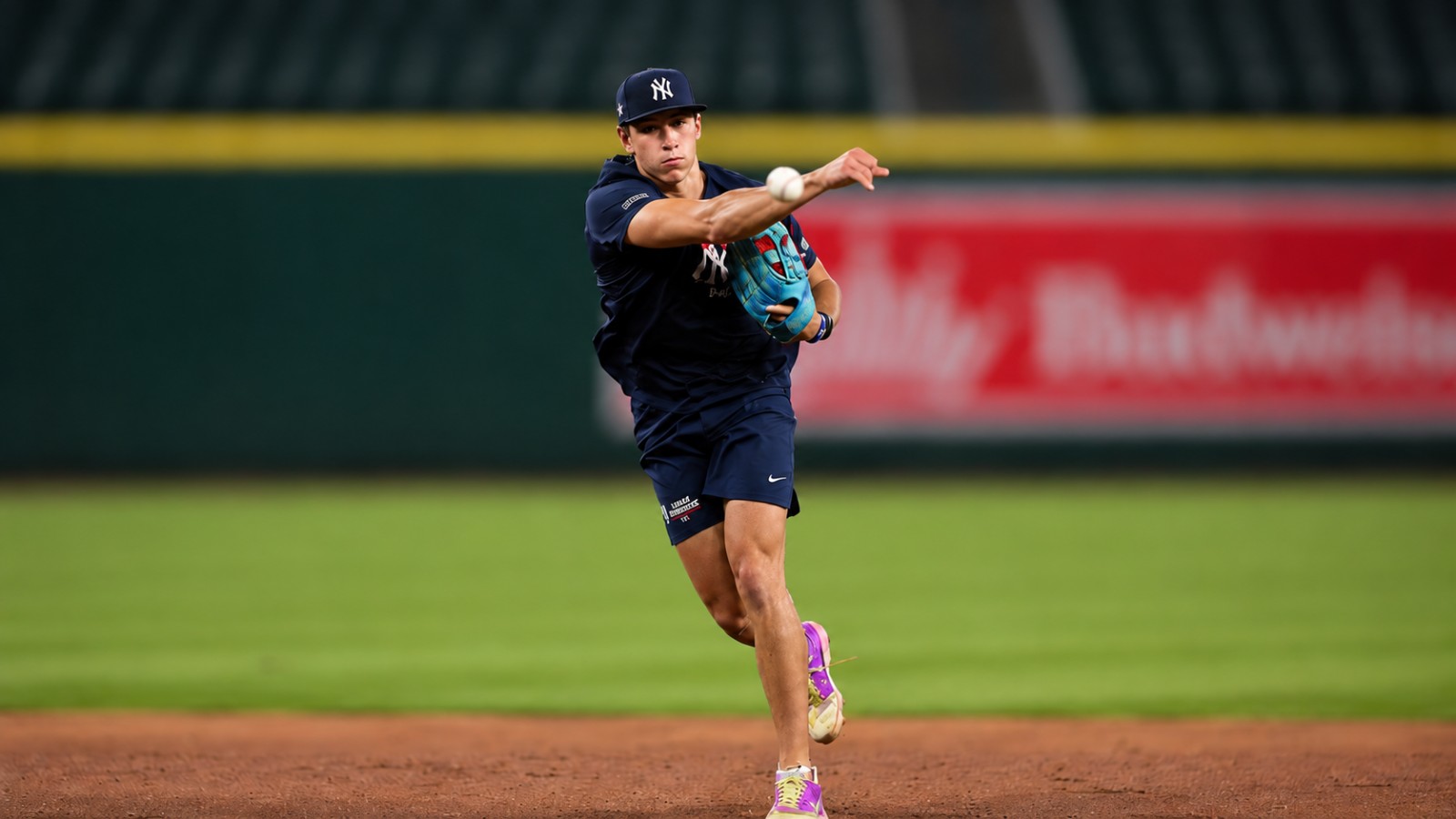
NEW YORK — The Yankees’ youth movement has created one picture in the Bronx.
The final results across their full-season minor league affiliates created another.
New York reached the end of the 2026 Minor League Baseball season without a championship from any of its four full-season clubs, even though three affiliates finished with winning records and Single-A Tampa produced one of the strongest regular seasons in its league.
Triple-A Scranton/Wilkes-Barre finished 78-68 but missed the International League postseason. Double-A Somerset also ended with a winning record without reaching the playoffs. High-A Hudson Valley finished at .500.
Tampa came closest to giving the system a title.
The Tarpons went 78-51 during the regular season, posted a league-best plus-137 run differential and reached the Florida State League Championship Series.
Then their season ended one run short.
Bronx callups change how Yankees farm should be judged
Minor league standings never tell the full story of a development system.
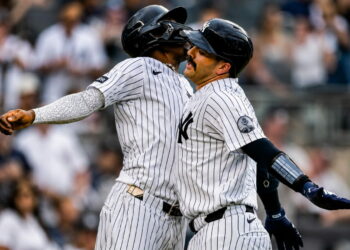
The Yankees spent 2026 moving important young players upward. Spencer Jones reached the majors. George Lombard Jr. climbed to the Bronx and began accumulating major league experience. Other players moved between Scranton and New York as injuries and roster needs changed.
Those promotions naturally weaken the affiliates left behind.
They also create a different question: How much depth remains once the best players graduate?
The Yankees entered the year already carrying some of that concern. MLB Pipeline noted in its preseason system review that New York had traded 17 players who had appeared on organizational Top 30 lists since the start of the previous year.
Those deals were part of the cost of maintaining a major league contender. The system’s job is not to win every minor league championship. It is to develop players for the Yankees or create trade value for the front office.
Tampa provides the strongest counterargument
Jupiter beat Tampa 1-0 in the decisive third game of the championship series Sept. 16 at Roger Dean Chevrolet Stadium.
The final game remained scoreless into the ninth inning despite six shutout innings from Tampa starter J.T. Etheridge, who allowed three hits and struck out seven.
After another rain delay, Jupiter’s Jake McCutcheon delivered a walk-off RBI double to clinch the title.
For Tampa, the ending was severe because of how strong the club had been over the full schedule. A plus-137 run differential showed that the Tarpons did more than survive close games. They consistently outscored opponents over five months.
That makes the championship loss disappointing. It does not erase the larger developmental value of the season.
Yankees enter 2027 needing another wave
Tampa provided the clearest evidence that another group could be forming.
Dax Kilby showed advanced strike-zone control when healthy. Jackson Lovich put together a productive power season. Other lower-level players created enough momentum to move into the organization’s 2027 discussion.
But the overall finish is still worth noticing.
Scranton won 78 games and missed the playoffs. Somerset finished above .500 without postseason baseball. Hudson Valley broke even. Tampa carried the organization deepest into September and still finished without a championship.
None of that should be confused with proof that Yankees player development failed. The strongest counterargument is visible at Yankee Stadium, where young players have already helped the major league roster.
The issue is sustainability.
New York has promoted talent and traded talent at a fast rate. That shifts more pressure onto Kilby, Carlos Lagrange and the next group developing below them.
The Yankees got a meaningful youth wave in 2026.
Their next test is proving they have another wave ready behind it.
What do you think? Leave your comment below.