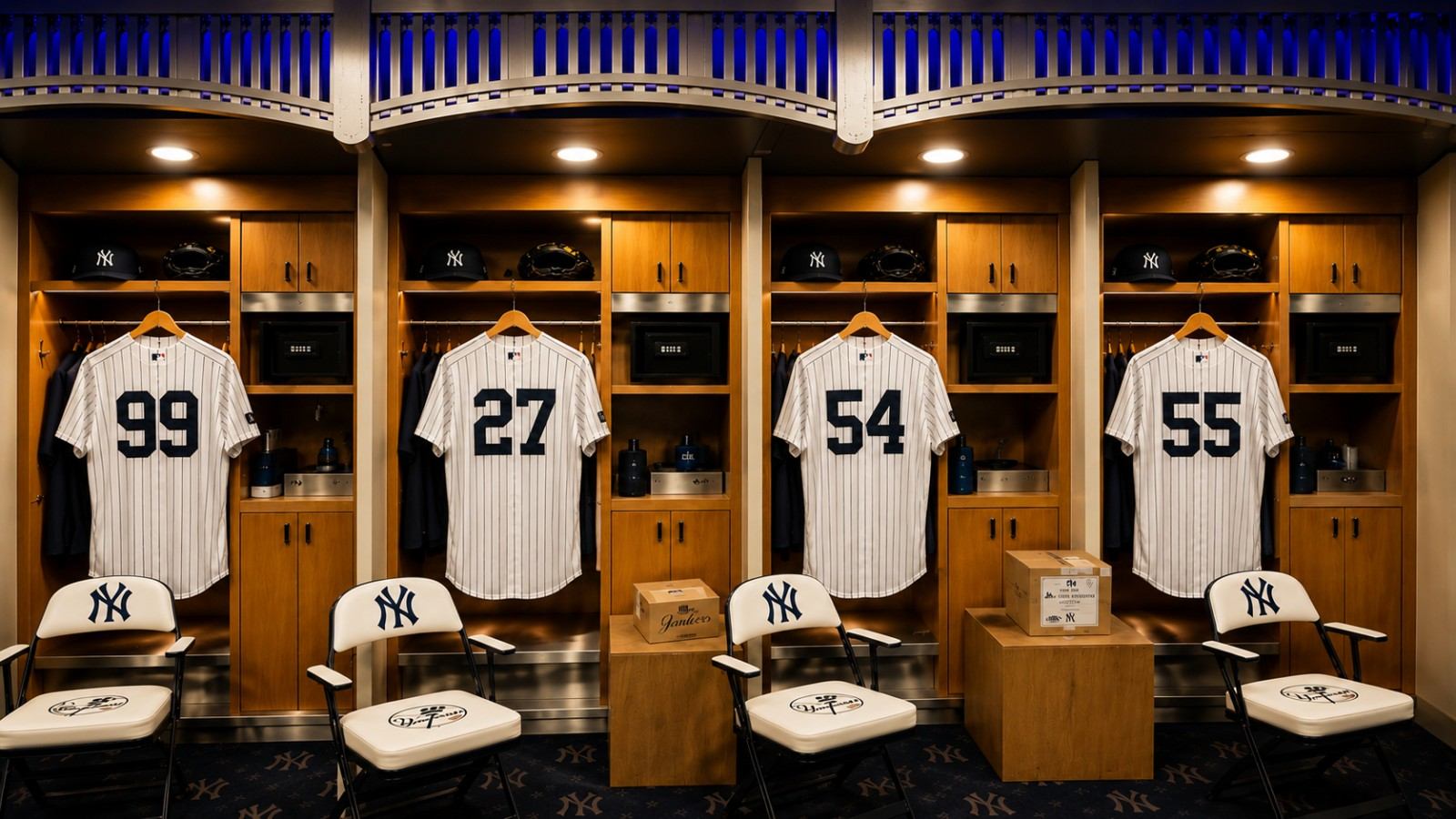
NEW YORK — The Yankees spent six weeks waiting on a single scan, then walked out of the All-Star break with almost the same question they carried in. Their captain feels better. Their doctors are not convinced. And the gap between those two facts now shapes everything the team does before the trade deadline.
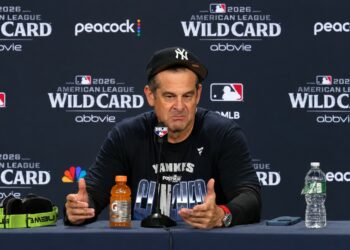
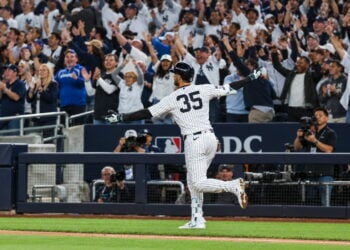
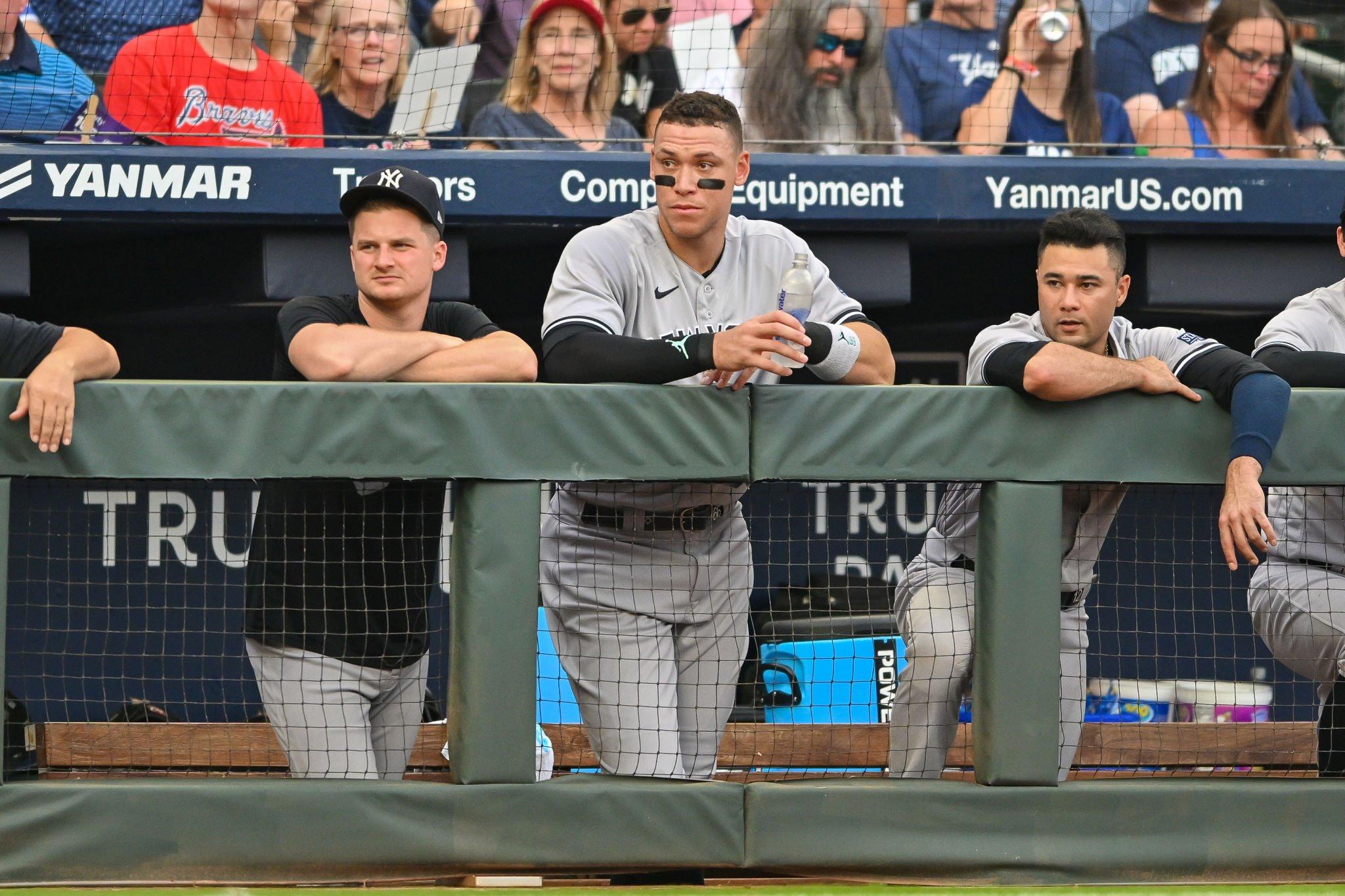
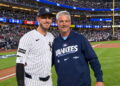
Aaron Judge stood in front of his locker Friday and made a promise that carried the weight of a season. The Yankees captain said he would be back. He also admitted, plainly, that no one has told him when.
That tension sat over a Yankees clubhouse already thinned by injury. A rotation anchor was throwing again in the minors. A former MVP was jogging on a field for the first time in months. A starter was inching back from major surgery. Each piece mattered, because the group holding the roster together has run out of margin for error.
New York opened the second half at 54-42, second in the AL East, chasing the Tampa Bay Rays. The lineup that once revolved around Judge now leans on veterans and role players to keep the postseason race within reach.
What the Yankees learned during the break was narrow but real. Imaging on Judge’s fractured right rib showed healing, but not enough to clear him for baseball activities. It was progress without a finish line, and it left the club leaning on a small group of specialists to decide his next move.
A scan that answered one question and raised another
The Yankees had circled the All-Star break as a checkpoint. General manager Brian Cashman had cautioned that the rib would not be fully healed. Even so, the hope was that Aaron Judge might be cleared to add upper-body work after weeks limited to his lower half.
The scan delivered part of that answer. The rib is knitting together. It is not yet solid enough to let a hitter who generates enormous torque through his upper body start swinging. Judge and the Yankees were still waiting to hear back from a rib specialist before mapping out the coming days.
That specialist, a Dallas-based vascular surgeon who handled the original diagnosis, was expected to weigh in by Friday or Saturday. The team physician has also been involved, part of a wide network of doctors guiding a careful recovery.
Setting a plan matters because the Yankees will not gamble on their most important player. They do not want to add baseball activities and risk a setback that pushes his return further back. One bad step could cost him the rest of the year.
Judge says the wait has been the hardest part
For six weeks, the reigning back-to-back AL MVP has watched games he expects to be playing. He described feeling far better than he did at the start, which only sharpened his frustration at being held back. Asked how the stretch has felt, Judge did not soften it.
“It’s been the worst,” Judge said. “That’s why I’m here; that’s why I get paid, to play big games for the Yankees.”
He pushed to ramp up once the pain eased, but the medical staff wanted certainty first. Judge relayed the reasoning he had been given, framing the caution as protection rather than delay.
“They just don’t want to start adding baseball activities and other stuff and all of a sudden we have a setback,” Judge said.
His confidence about returning, though, never wavered. When a reporter asked whether the Yankees captain would be back before the season ended, he answered without hesitation.
“I don’t see why I wouldn’t,” Judge said.
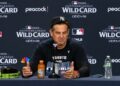
Manager Aaron Boone struck the same note, tempered by the same uncertainty. He said he believed Judge would return, then acknowledged the piece no one can pin down.
“It’s just a matter of when,” Boone said.
The real progress came from Fried
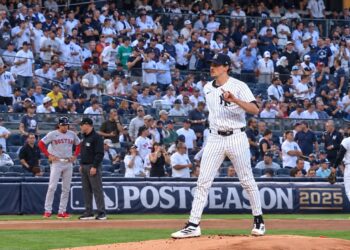
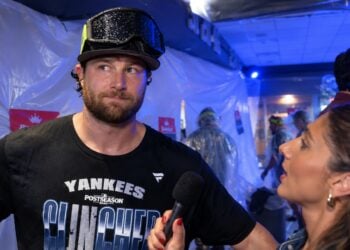
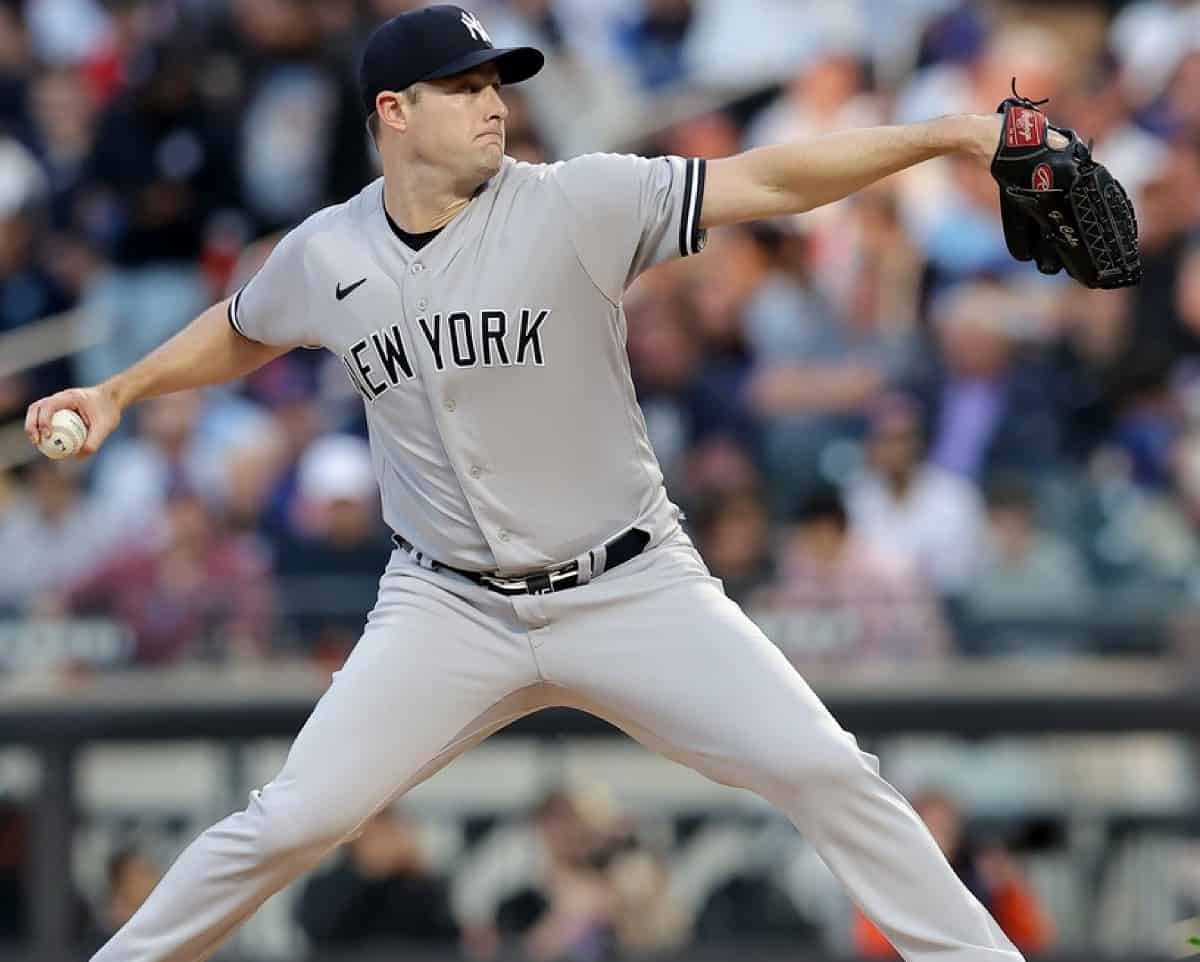
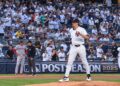
While Judge waited, the Yankees quietly booked their most tangible gain of the week on a minor league mound. Max Fried made his first rehab start of the season Friday night, throwing three innings for Triple-A Scranton/Wilkes-Barre against Worcester.
Fried allowed two runs on five hits, one a home run, struck out three and walked none across 52 pitches, 32 for strikes. The left-hander had not pitched since May 13 because of a bone bruise in his elbow that he said had lingered through several starts.
Boone laid out a clear next step, the kind of concrete timeline the Judge situation still lacks. The Yankees manager said Fried is expected to make at least two minor league starts, with his next outing set for five days later.
“We’ll see at that point if we take him or if he’s ready to come back,” Boone said.
The stakes are obvious. Fried signed an eight-year, $218 million Yankees contract before 2025 and went 4-3 with a 3.21 ERA in 10 starts this year. A healthy return would hand the rotation a front-line arm at the moment the schedule tightens.
Stanton, Rodon and Schmidt round out a crowded injury board
The Yankees also nudged three other rehabbing players forward, though each carries its own caveat. Giancarlo Stanton has resumed outdoor running after a right calf strain, with no timetable for a return.
Stanton, sidelined since late April, has undergone several PRP injections to speed the healing. The Yankees slugger had been batting .256 with three home runs and 14 RBIs in 24 games before the calf shut him down. Boone confirmed the running progression but stopped short of any target date.
On the mound, the news was smaller but steady. Carlos Rodon, dealing with left elbow inflammation, threw 10 pitches off a mound Thursday. It was an early marker rather than a milestone, a first touch of the rubber as the left-hander begins his own climb back.
Clarke Schmidt, rehabbing from Tommy John surgery, was scheduled to face hitters for the first time Saturday. That step moves the Yankees pitcher from bullpen work toward live competition, a meaningful gate for any pitcher rebuilding an elbow.
For now, the picture holds in place. Fried has a plan and a date. Judge has healing and a promise. Stanton, Rodon and Schmidt each have a next step but no arrival. The Yankees will keep leaning on the clubhouse that has carried them, waiting for one doctor’s read to turn a captain’s confidence into a calendar. What do you think? Leave your comment below.