CHICAGO — On the same day the Yankees beat the White Sox 3-2 at Rate Field, the front office made a roster move at the position it has been trying to fix all season.
It was not the splash the fan base has been waiting for. The transaction slipped in quietly hours before first pitch, the kind of paperwork that rarely makes headlines.
Yet it says something about where New York stands with the Aug. 3 trade deadline closing in. The catcher market is thin, the competition is stacked, and the club is stocking depth while it keeps chasing the bigger prize.
For a team leaning on pitching and defense to survive a rash of injuries, the position remains the clearest place to add. The move this week did not solve that. It only set the table.
A quiet minor league signing amid a bigger hunt
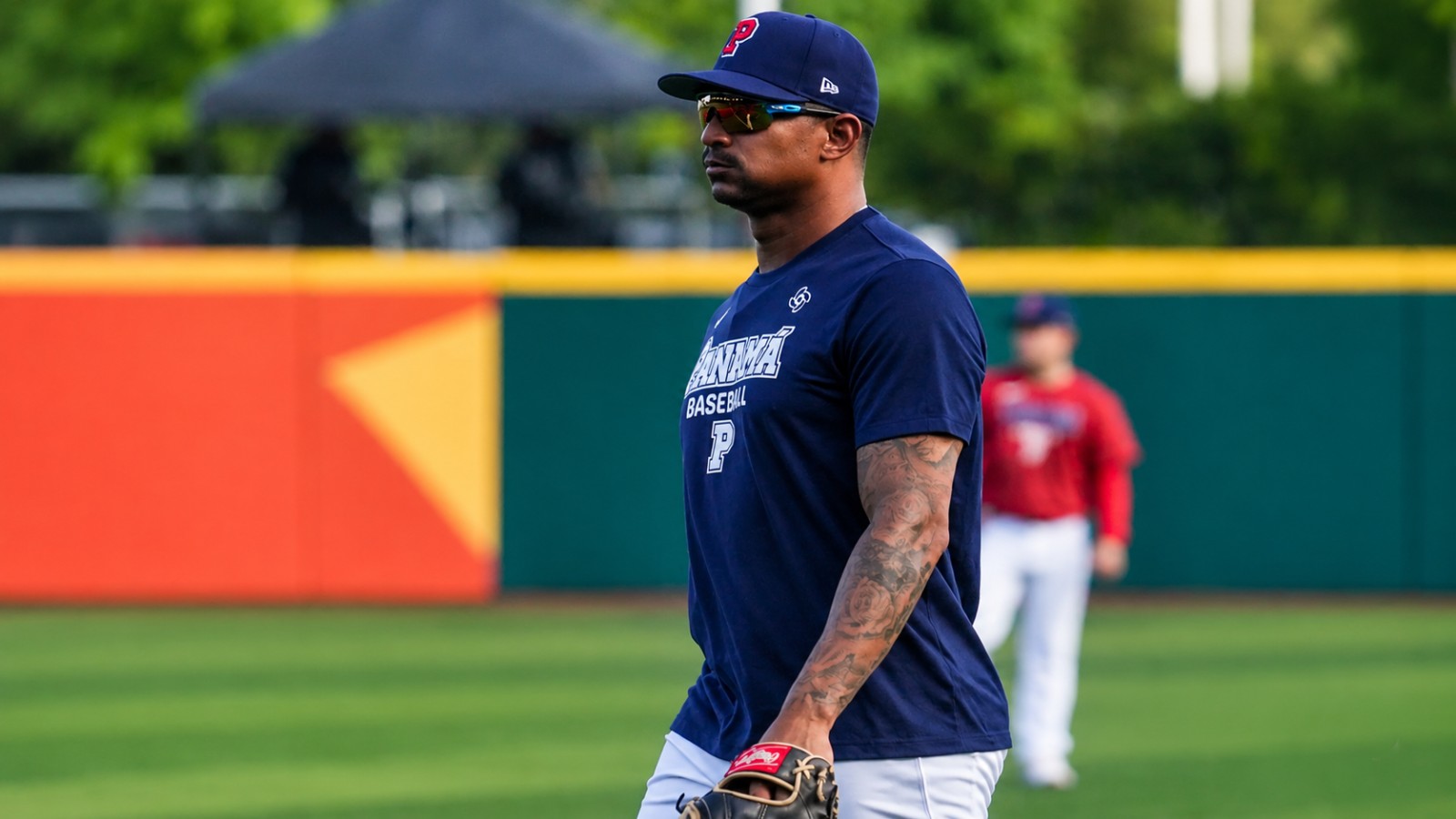
The addition was veteran catcher Christian Bethancourt, whom the Yankees signed to a minor league deal and assigned to Triple-A on Tuesday. He is organizational depth, not a big league answer.
The signing is not expected to affect the Yankees pursuit of a right-handed-hitting catcher before the deadline. Bethancourt bats right-handed, but the practical value is insurance, another experienced Triple-A backstop alongside J.C. Escarra, a lefty.
That depth could matter soon. Big league backup Ali Sanchez is out of minor leasangue options, so a trade for a catcher would likely force him off the roster. Sanchez, a right-handed hitter, crushed the first home run of his career in Tuesday’s win, a small bright spot on a night defined by pitching.
The larger point is that the Yankees are not done. With a depth piece in place, the front office can keep its focus on landing an impact catcher, one who changes the lineup rather than fills out a Triple-A roster.
Who is Christian Bethancourt
Bethancourt is a 34-year-old Panamanian catcher with a long, winding professional path. He was signed by the Atlanta Braves as an international free agent in 2008 and made his major league debut in 2013. Baseball Reference lists a career .229 average with 35 home runs across parts of eight big league seasons.
He has worn a lot of uniforms. His resume includes stops with the Braves, Padres, Athletics, Rays, Marlins and Cubs, and he has not appeared in a major league game since 2024. Along the way he built a reputation as a strong defender with a powerful arm, even pitching in relief during his time with the Padres and Rays.
His 2026 season has played out at Triple-A. In 59 games for the Cubs’ top affiliate, he posted a .775 OPS, with a .783 mark against righties and .736 against lefties. That profile is exactly what the Yankees wanted from the signing, a steady veteran who can absorb innings in the minors if the big league picture shifts.
Why the catcher market is a scramble
The reason the Yankees are hunting is simple. They need more offense from the position, and they are not alone. The division rival Rays and Red Sox are also shopping for a catcher, along with the White Sox and the back-to-back champion Dodgers, among others.
How many quality catchers actually move is another question. The Twins’ Ryan Jeffers is of strong interest to New York, but he comes with heavy competition and an uncertain availability. Minnesota is in the Wild Card race, and a team in contention may not deal an impending free agent.
The alternatives each carry a catch. Prying Hunter Goodman from the Rockies would cost a significant return, since he has three more years of control, and concerns about his defense make him an atypical fit for the Yankees. The Reds’ Tyler Stephenson is also a flawed defender, though he could platoon with Austin Wells. The Mets’ Luis Torrens, who has past experience in the Yankees system, fits in a lesser role.
Through it all, Wells is expected to keep a central role no matter who arrives. The Yankees still believe there is more in his bat despite a rough season at the plate, and they value his defense highly. He is a top-10 framer, and Yankees pitchers led the majors in ERA heading into Tuesday.
The deadline will settle the rest. For now, the Yankees have added a name to the depth chart and kept every bigger option open. The signing was the easy part. The move that matters most is still out there, and the clock is running.
What do you think? Leave your comment below.