NEW YORK — The homers came in waves, and the Yankees had no answer. The Mets pounded out six home runs at Yankee Stadium on Saturday and routed their crosstown rivals 12-2, evening the Subway Series and turning a marquee weekend into a lopsided mess.
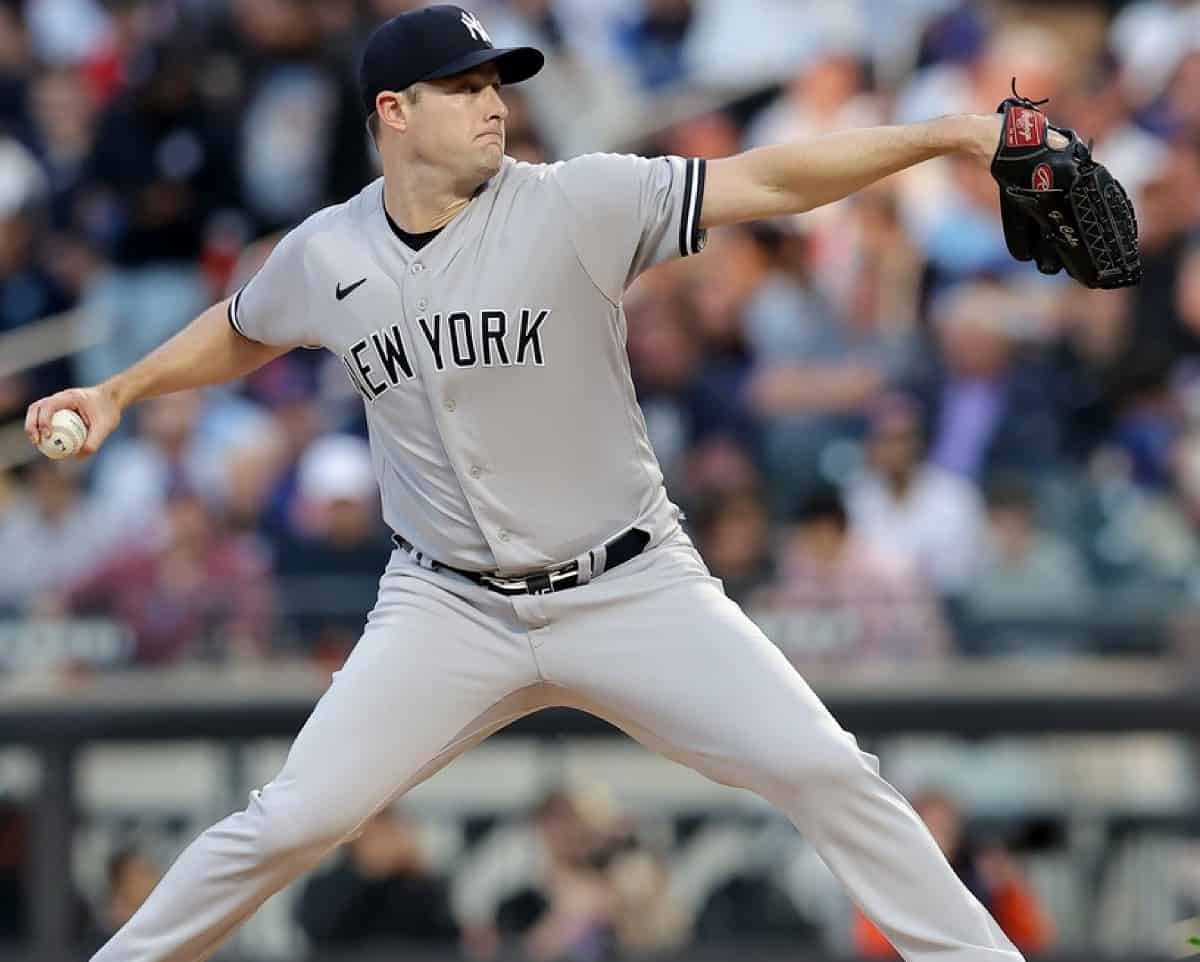
Gerrit Cole absorbed the worst of it. Francisco Lindor led off the game with a home run, and the barrage never let up. Luis Torrens went deep in the second and Carson Benge in the third, and by the time Benge singled home Juan Soto in the fifth, Cole was done, charged with five runs and nine hits in 4 1/3 innings in the loss.
The Yankees managed only brief resistance. Paul Goldschmidt doubled and scored on a Cody Bellinger RBI single in the fourth to make it 4-1, and Bellinger later homered. But Mets rookie Zac Thornton silenced the lineup, holding New York to two runs and five hits over seven innings.
The pile-on came late. Lindor capped the day with an eighth-inning grand slam off reliever Bradley Hanner, and Jared Young added a solo shot in the ninth. The six long balls were a Subway Series record against Yankees pitching, and the loss dropped New York to 85-63.
It was a jarring turn for a team that had looked in control a night earlier. The Yankees had taken the opener 6-4, ridden a four-game winning streak into the weekend and appeared to be pulling clear in the wild-card race. Cole’s home run problem, seven allowed across his last two starts, only deepened a rotation concern heading toward October, while Thornton cruised behind an effective changeup.
Yet the loudest talking point for many Yankees fans was not on the mound at all. It was a name missing from the lineup card, a decision that looked reasonable at 1 p.m. and far more debatable by the final out.
A Yankees decision that deserves a second look
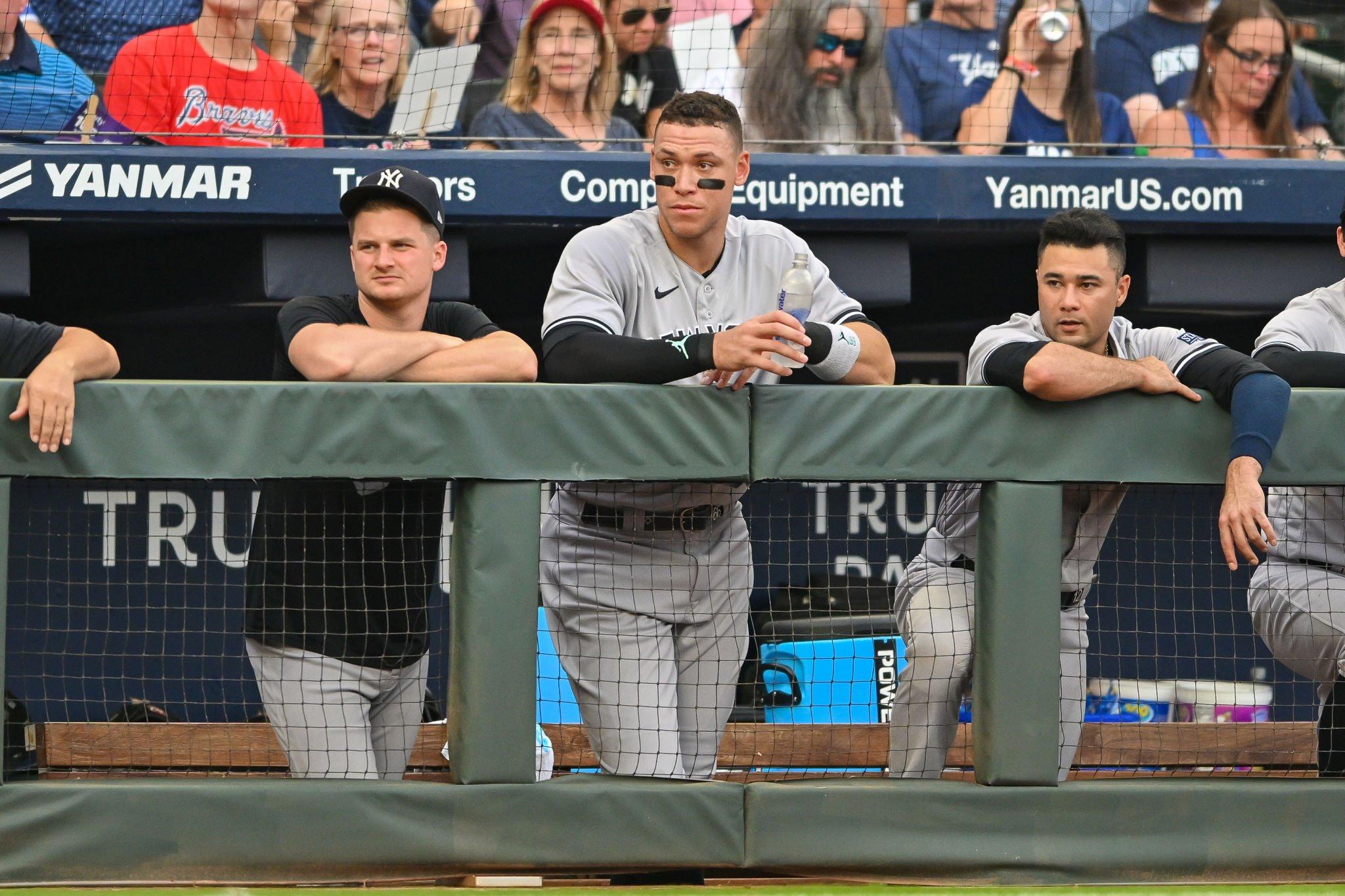
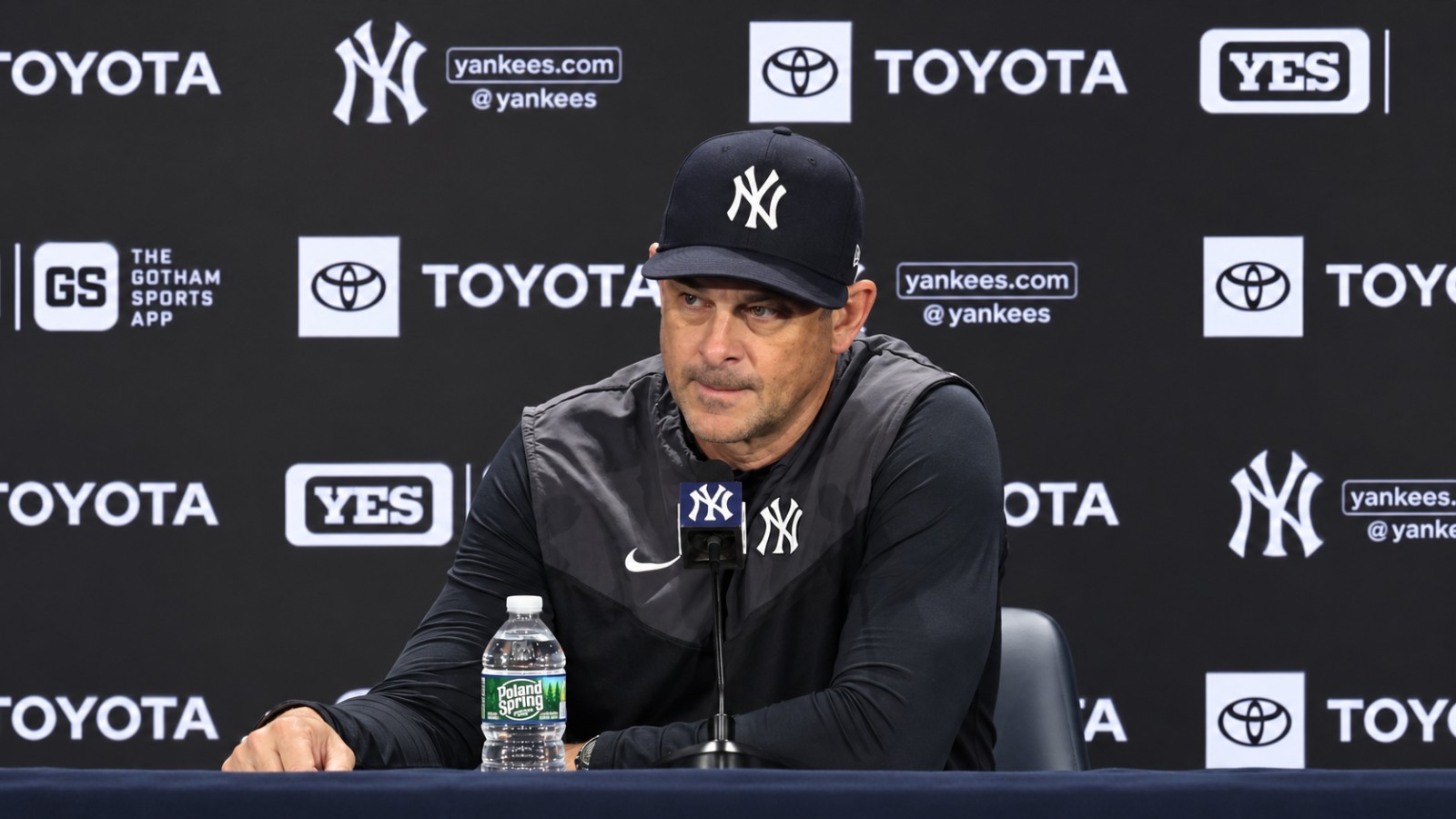
The pitching failure was obvious. Less obvious, and more debatable, was a choice made before the first pitch: manager Aaron Boone left one of his hottest hitters on the bench. Luis Garcia Jr. did not start. The Mets sent left-hander Thornton to the mound, and Boone stuck to the platoon plan the Yankees have run since acquiring Garcia at the trade deadline. Against lefties, Garcia sits and Goldschmidt plays. Saturday was no exception.
On paper, the logic held. Garcia has struggled against left-handed pitching this season, hitting roughly .244 with a .652 OPS in those matchups, compared with a .297 average and .586 slugging mark against right-handers. Goldschmidt, by contrast, has punished lefties at a .315 clip with a .603 slugging mark.
The move was not a whim. It was the Yankees executing a strategy built on purpose, one designed around Goldschmidt’s ability to hit left-handed pitching. The question is whether that preset plan should bend when a hitter is as locked in as Garcia is right now.
Why timing makes it fair game
Garcia is not a scuffling bat the Yankees can easily hide. He entered Saturday as arguably their most dangerous hitter behind Aaron Judge, in the best stretch of his season. He had just reached 30 home runs, was hitting .314 over his previous 15 games and carried an .886 OPS since joining the Yankees. In September alone, he was slashing around .348 with a .913 OPS. That is not a platoon bat. That is a middle-of-the-order force.
The result did not help Boone’s case. The Yankees scored two runs on seven hits and went 1-for-4 with runners in scoring position, a 30-homer bat on the bench while the lineup went quiet against a rookie.
In fairness, Goldschmidt did his part, doubling and scoring a run. The critique is not that Goldschmidt failed. It is that Garcia’s absence subtracted a rare hot hand at the worst possible time.
The plan Boone built, and the case for bending it
This platoon was not improvised. The Yankees signed Goldschmidt in the offseason with exactly these afternoons in mind, and Boone said so at the time. Explaining the fit, he pointed to a lineup that leaned heavily left-handed and a need for balance.
“With as left-handed as we are, [we wanted] to get another guy that really is still at this point in his career wearing out left-handed pitching,” Boone said.
Boone has been just as effusive about Garcia since the deadline deal that sent four pitchers to Washington to get him. When the trade was made, he left no doubt about the bat the Yankees were adding.
“He’s been a hitter who has really come of age this year,” Boone said. “One of the best left-vs-right hitters in the National League.”
That praise is the crux of the tension. The Yankees value Garcia enough to call him one of the game’s better hitters, yet a rigid split keeps him out whenever a lefty starts. His improvement against southpaws this year, up from a .195 mark a season ago, only sharpens the question of how strict the platoon needs to be.
A question that will follow Yankees into October
The debate matters beyond one blowout. The Yankees are 85-63 and closing on a playoff berth, and their lineup will need every dangerous bat in a short series, where rotations are stocked with left-handers. If they never let Garcia face lefties in September, they risk reaching the postseason with a cold bat forced into an untested role. Reps now could matter more than one favorable matchup on a Saturday.
Boone will not overhaul his approach because of a single loss, and the platoon logic is not baseless. Goldschmidt remains a genuine weapon against lefties. But the 12-2 defeat handed critics a clean example of the cost, and the rubber game looms Sunday with Cam Schlittler set to face the Mets’ Christian Scott. The larger question outlasts it: whether a plan built in February can stay untouched when a 30-homer hitter is swinging like this in September.
What do you think? Leave your comment below.