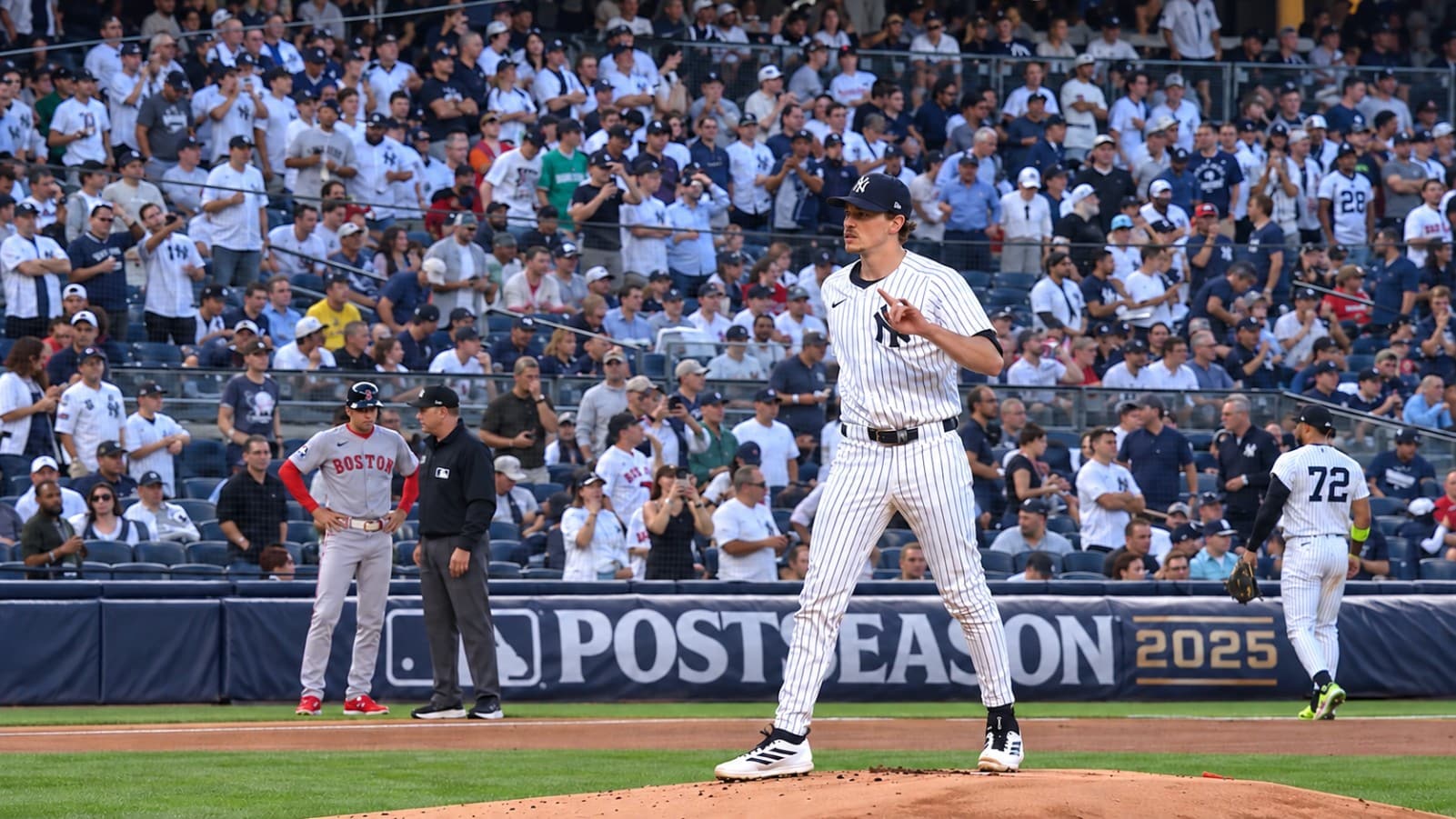
NEW YORK — Max Fried finished his night with a one-run lead. The Yankees finished theirs with a seven-run victory, a sweep of Boston and a rotation that could move into the next round without an elimination game.
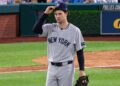
The difference matters when assessing his contribution to Wednesday’s 9-2 win at Yankee Stadium. Before a six-run sixth inning overwhelmed the Red Sox, Fried had spent six innings keeping a much tighter game under control.
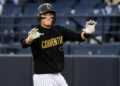
Luis García Jr.’s fourth-inning homer supplied the first run. Cody Bellinger’s fifth-inning RBI single added another. When Willson Contreras homered in the sixth, Boston moved within one swing of erasing the Yankees’ advantage.
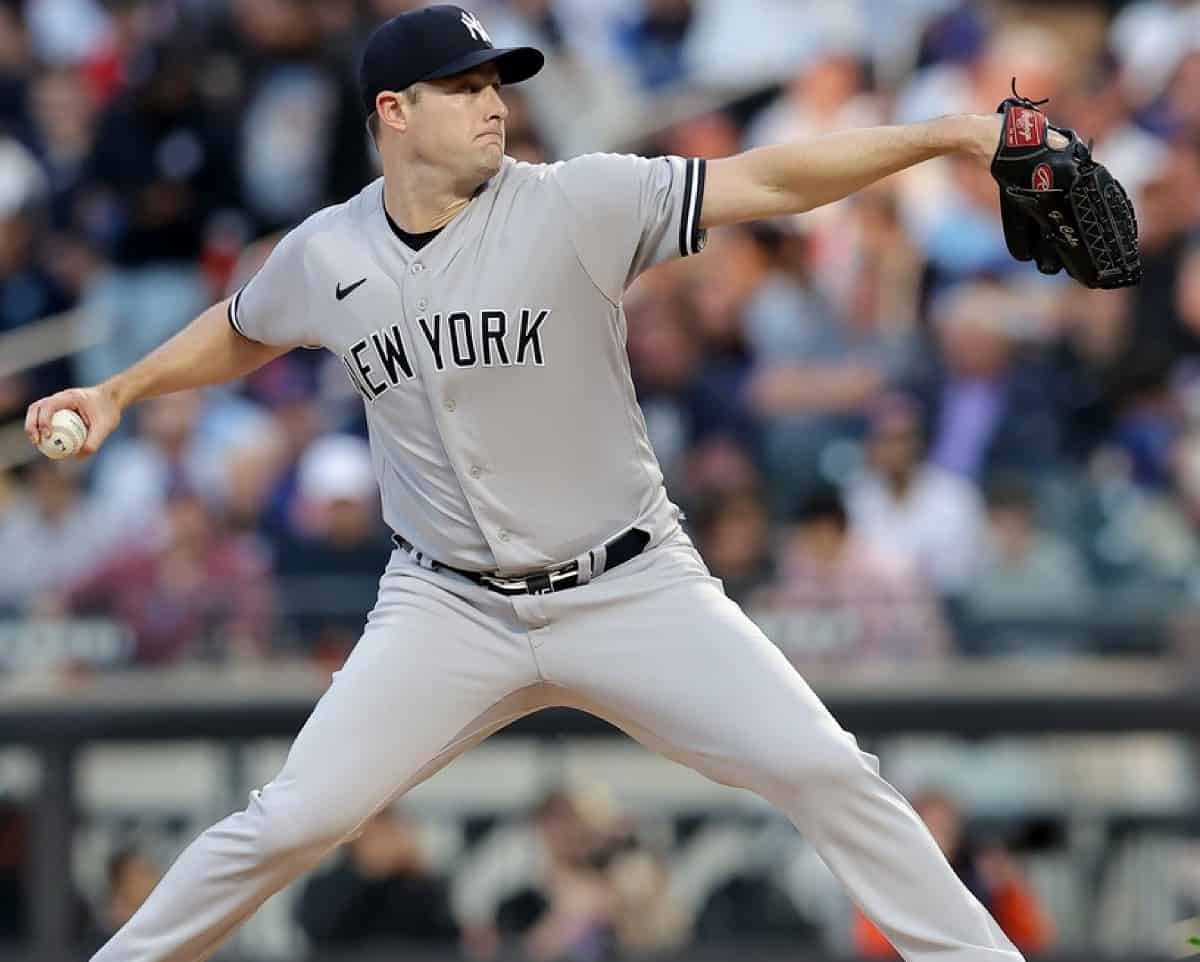
Fried completed that inning with the lead intact. His 98th pitch ended an outing of three hits, one walk and six strikeouts, leaving the Yankees positioned to finish the best-of-three Wild Card Series without using Gerrit Cole.
New York did exactly that. Bellinger’s three-run homer capped the decisive rally, and the Yankees advanced to face Tampa Bay in the AL Division Series starting Saturday.
For Fried, the assignment carried a history that the final score could not capture. His previous postseason ended with seven runs allowed over three innings in Toronto on Oct. 5. The Yankees never reached the fifth game he was scheduled to start.
This time, he handed the bullpen a lead and watched his teammates make it comfortable. The victory also gave New York consecutive strong starts after Cam Schlittler’s 6 1/3 scoreless innings in Tuesday’s opener.
A narrow lead tests the Yankees’ investment
The Yankees committed eight years and $218 million to Fried for opportunities like this. His second regular season brought two injured-list stints for a left elbow bone bruise, limiting him to 20 starts.
He still finished 5-5 with a 2.80 ERA. Availability had interrupted his season, but effectiveness kept him central to Aaron Boone’s postseason plans. Wednesday required him to turn that trust into outs before the lineup provided room to breathe.
Only afterward did Fried explain how far the opening felt from his best. Asked about working through an uneven start, he described a deliberate choice to attack Boston.
“Yeah, I mean, it definitely wasn’t sharp from the get-go, but I just wanted to challenge them,” Fried said.
That approach produced just one walk across six innings. Even after Contreras narrowed the margin, Fried prevented the inning from becoming a larger rally. The Yankees’ offensive burst arrived after he had completed his work.
The pitch mix shows how Fried found answers
The supplied Pitch Profiler chart illustrates the range available to Fried. It records 23 four-seam fastballs, 23 cutters and 23 sweepers, plus 13 curveballs, 10 changeups and six sinkers.
Those three most-used offerings accounted for 69 of 98 pitches, or 70.4%. Each appeared equally often in that chart, giving Boston three different primary looks rather than one pitch it could consistently anticipate.
The graphic also shows that the curveball and changeup combined for 23 pitches, matching each of those individual primary offerings. Fried’s supporting pitches therefore represented nearly one-quarter of his workload.
That distribution adds context to the six strikeouts. Fried had several ways to finish an at-bat, but his outing did not depend entirely on missed bats. The chart records an overall whiff rate of 18.8% and an expected weighted on-base average of .176.
Those are different measures: one tracks misses on swings, while the other estimates offensive production. Together, they support an outing built on limiting damage as well as getting strikeouts.
October experience meets a long-awaited win
Fried earned his first postseason victory since Atlanta’s 2021 World Series clincher. Across his two Wild Card starts against Boston, he has allowed one run in 12 1/3 innings.
Research shared by MLB statistician Sarah Langs places him among seven pitchers to start in at least seven consecutive postseasons. His run spans 2020 through 2026.
Tom Glavine leads that group with 11, followed by Greg Maddux with 10 and Andy Pettitte with nine. Clayton Kershaw and John Smoltz reached eight; Roger Clemens reached seven. The count excludes 1994, when no postseason occurred.
Fried’s experience also shaped his approach to an opponent facing elimination. He explained that urgency both before and after the Yankees secured the series.
“You have an opportunity to close out the series, and you’ve got to make sure that you’re on your game because they’re fighting for their season,” Fried said.
Fried gives the Yankees options against Tampa Bay
The sweep keeps Cole available for the ALDS opener instead of a deciding game against Boston. Fried and Schlittler combined to allow one run over 12 1/3 innings, a 0.73 ERA calculated from their pitching lines.
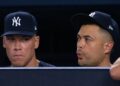
The Yankees outscored Boston 18-2 despite Aaron Judge’s absence with a calf strain. Fried’s contribution was holding the second game close enough for that offense to take over.
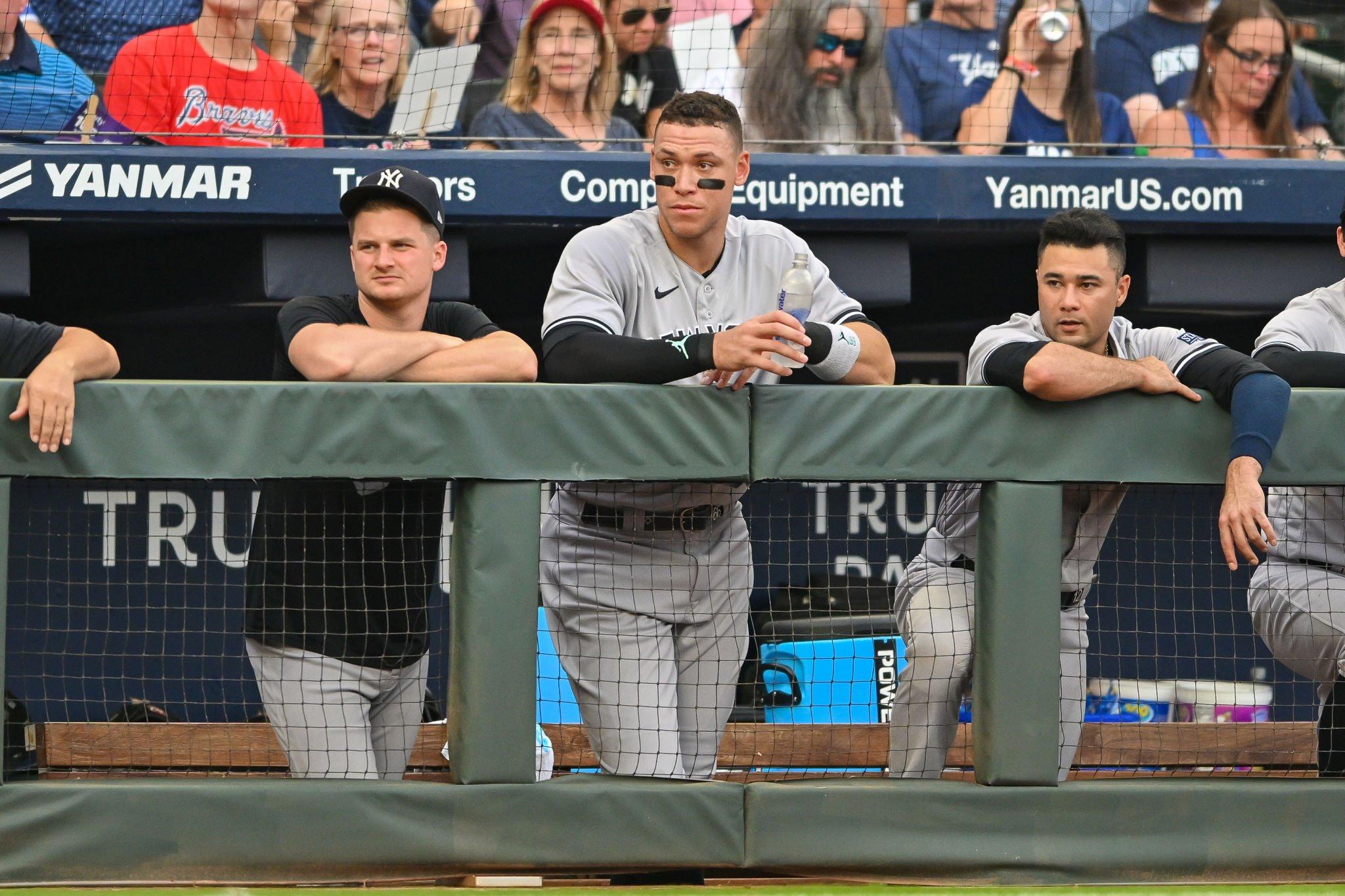
Judge watched that work from the sidelines before joining the clubhouse celebration. His assessment emphasized the ability to control innings when trouble developed.
“Every single outing, these guys attack the strike zone and get out of jams. I’ve run out of adjectives and words to describe our pitching staff,” Judge said.
The Yankees now have evidence from both ends of their opening combination. Schlittler supplied the first win, and Fried completed the sweep while allowing only four baserunners. Neither needed an early rescue from the bullpen.
Tampa Bay presents the next test after winning the season series 7-6. The Yankees enter Saturday with Fried coming off six strong innings and their rotation spared a third Wild Card assignment.
What do you think? Leave your comment below.