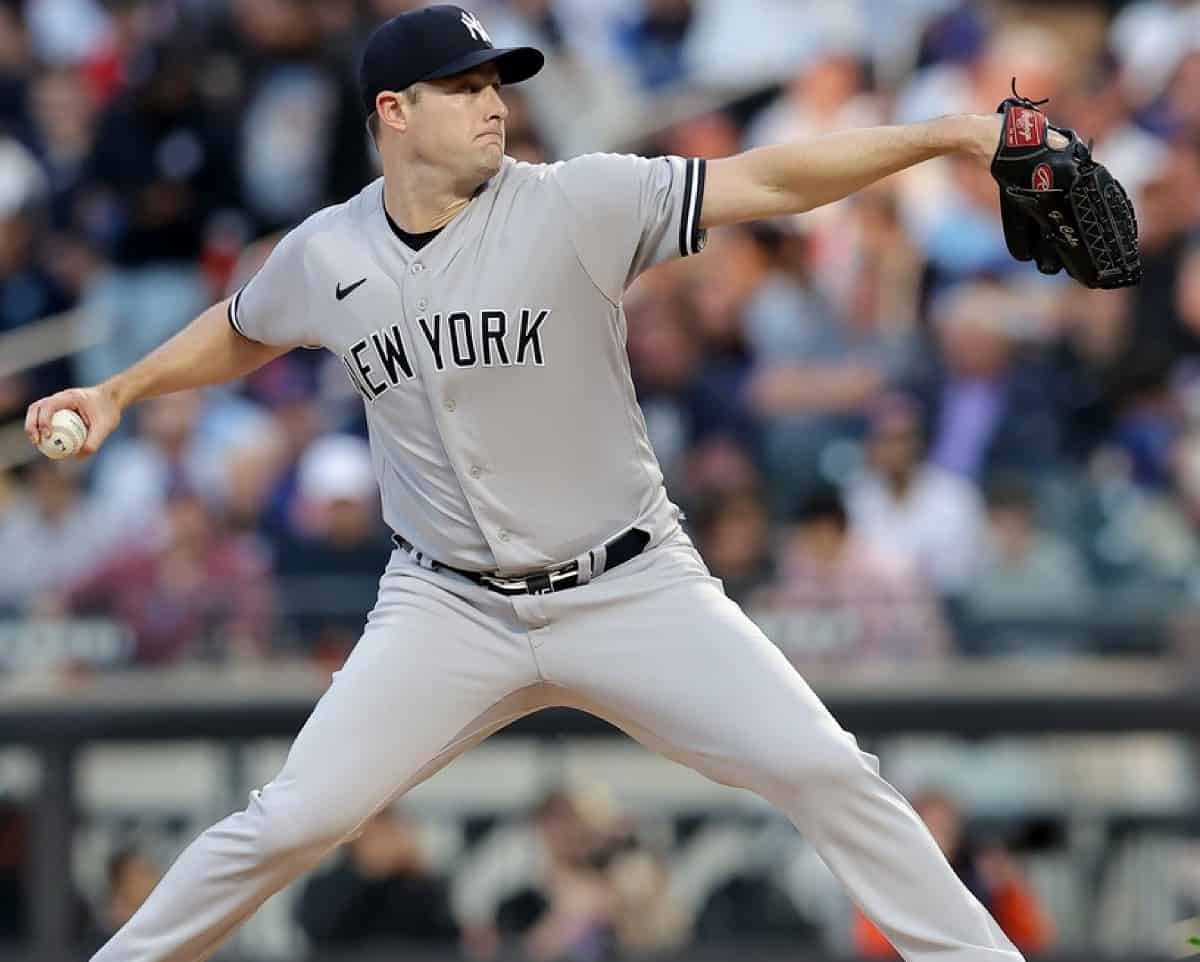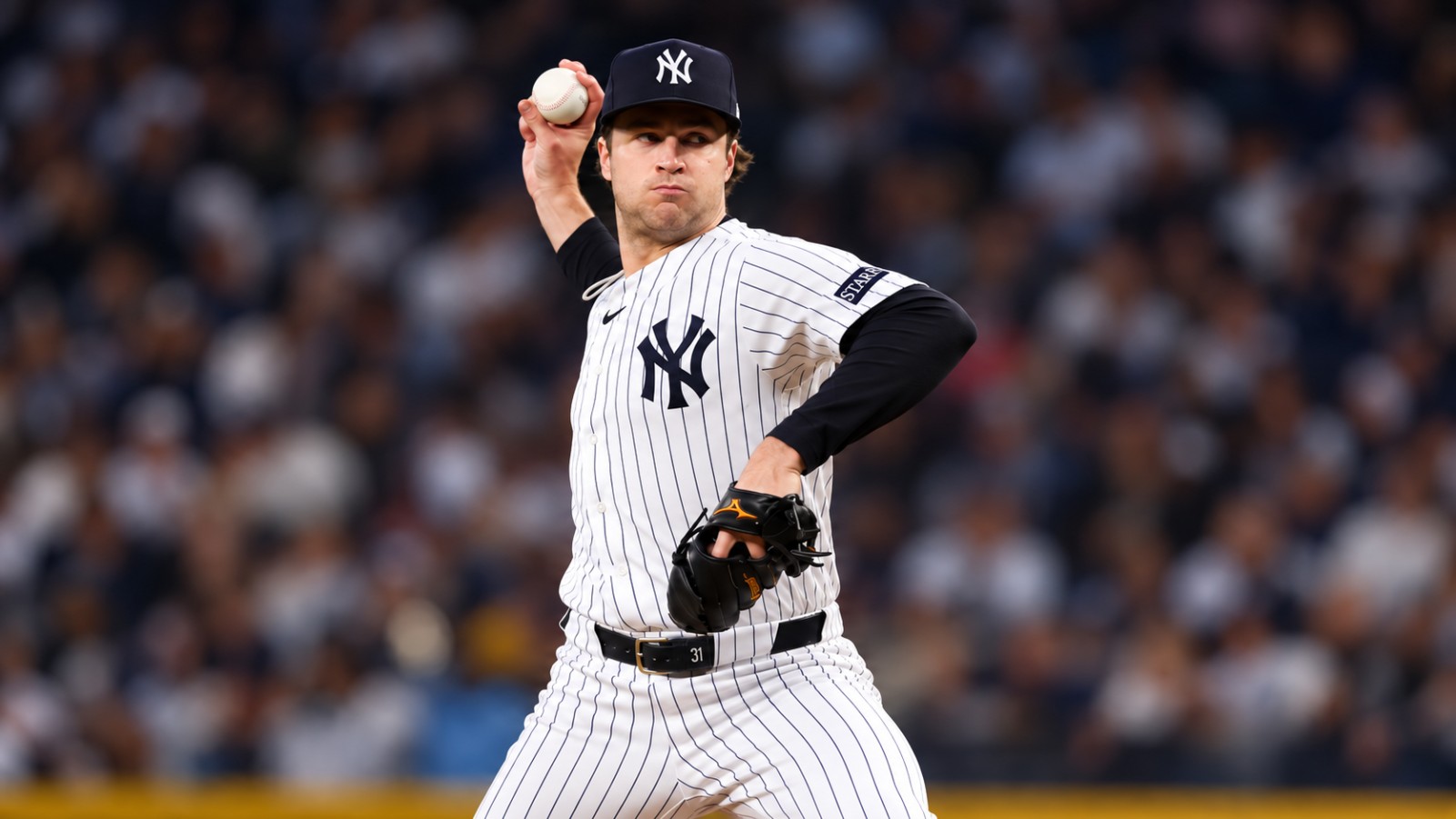
NEW YORK — Cam Schlittler‘s final regular-season start gave the Yankees almost everything they wanted and one thing they still have to solve. The right-hander left Yankee Stadium on Thursday with an American League-best 1.95 ERA, 239 strikeouts and one of the finest qualifying seasons by a pitcher in franchise history. Yet his last tuneup against Tampa Bay was deliberately short, unusually labor-intensive and immediately connected to a postseason rotation decision that remains unsettled.
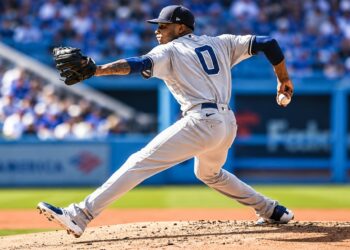
Schlittler needed 70 pitches to record nine outs in the Yankees’ 6-4 comeback win over the Rays. He allowed two runs, one earned, on three hits and two walks while striking out five. Tampa Bay forced him through 14 batters in three innings before New York ended his night. The Yankees had capped his workload with the Wild Card Series in mind, but the pitch count created an unusual final snapshot: limited innings without a particularly light night on his arm.
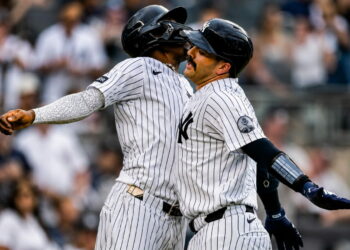
New York eventually erased a 4-0 deficit with six unanswered runs. Austin Wells homered, George Lombard Jr. doubled home a run, scored on a wild pitch and later hit the two-run homer that broke a 4-4 tie in the eighth. Paul Goldschmidt supplied the tying single in the seventh. Bradley Hanner earned his first major league win with two scoreless innings, Steven Matz took the loss, and no save was awarded.
For Schlittler, the game closed a 33-start regular season in which he went 14-6 over 193 2/3 innings. The larger question was not whether he had done enough to lead a postseason rotation. It was how the Yankees should deploy their best season-long starter when a best-of-three series leaves almost no room to recover from the wrong sequence.
Nine outs required a starter’s share of work
The box score makes Thursday’s workload more revealing than the three innings suggest. Schlittler threw 47 strikes among his 70 pitches, a 67.1% strike rate. He averaged 23.3 pitches per inning and 7.8 pitches for each out recorded, PinstripesNation calculations from the official game box.
Five of those nine outs came by strikeout. The game box listed five ground balls and no fly balls among the contact against him, but two walks and prolonged plate appearances kept the pitch total climbing.
That matters because the Yankees were trying to reduce stress, not merely innings. The club accomplished the first goal only partially. Schlittler did not work deep into the game, but his arm still absorbed a meaningful pitch count before the bullpen took over.
Schlittler’s season gives Boone more than one viable answer
The rotation debate exists because the Yankees have alternatives, not because Schlittler faded. MLB’s official season data lists him at 14-6 with a 1.95 ERA, a 0.92 WHIP and 239 strikeouts in 193 2/3 innings.
His ERA is the Yankees’ lowest since Ron Guidry’s 1.74 in 1978. Since ERA became official in 1913, only Spud Chandler’s 1.64 in 1943 and Guidry’s mark have been lower for a qualifying Yankees pitcher. His 239 strikeouts also tied Jack Chesbro’s 1904 total for fourth most in a season by a Yankee.
Fried gives Boone a different profile. The left-hander is 5-5 with a 2.80 ERA and a 0.99 WHIP over 112 2/3 innings this season. Using Fried first could preserve Schlittler for five days of rest and still guarantee that New York’s top two run-prevention starters appear if the series reaches Game 2.
The 70 pitches make Game 1 less automatic
The Yankees entered the night with Schlittler widely viewed as a Game 1 candidate. By the end of it, pitching coach Matt Blake had publicly acknowledged another configuration: Max Fried in the opener and Schlittler in Game 2.
The distinction is not about confidence. It is about recovery and series geometry. A Tuesday start would put Schlittler on four days of rest after Thursday. A Wednesday start would give him five. Fried, meanwhile, would be working on extra rest.
Blake said the Yankees are weighing the entire three-game series rather than treating the opener in isolation.
“It’s just taking an inventory of where all our starters are to give us the best chance in a three-game series,” Blake said.
Schlittler made his preference clear without challenging that process.
“Who wouldn’t want to start the first game?” Schlittler said.
Yankees must sequence October, not simply rank starters
The decision also reaches beyond the Wild Card Series. If the Yankees advance, the AL Division Series begins Oct. 3 against Tampa Bay. MLB’s postseason planning notes that a Game 2 Wild Card start could position Schlittler for multiple ALDS assignments depending on how the first round unfolds.
That is why Thursday’s 70-pitch outing matters more than its two runs. The Yankees protected innings, but not to the point of turning Schlittler’s night into a bullpen session. They now have to decide whether four days of rest is the best use of the pitcher who gave them 193 2/3 elite innings, or whether one additional day creates a better path through two rounds.
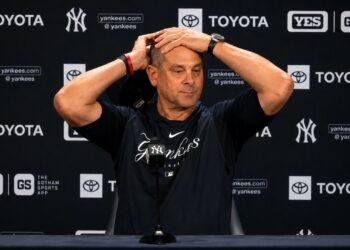
Boone has not announced the Wild Card rotation. With three regular-season games left against Baltimore, the Yankees’ most consequential pitching decision remains open.
What do you think? Leave your comment below.