ANAHEIM, Calif. — The Yankees spent most of Wednesday night staring at the same kind of offensive dead end that has repeatedly stalled them this season.
Seven innings against Reid Detmers produced one run, and a lineup trying to keep pace in the AL East again needed somebody from the lower half to change the game.
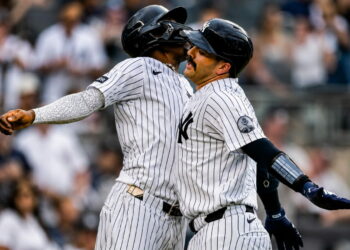
Austin Wells was not even in the starting lineup. The catcher entered from the bench and quickly became central to the Yankees’ best inning of the night.
With the bases loaded and two outs in the 10th, Wells sent a two-run single to right field against Luke Murphy to break a 1-1 tie.
Cody Bellinger, Trent Grisham and Ben Rice followed with RBI singles as New York turned one opening into a five-run inning. The Yankees won 6-3 at Angel Stadium, taking the series and improving to 80-60.
David Bednar earned the win after striking out three in the ninth. Murphy took the loss, and Michael Fulmer finished the 10th after allowing a two-run homer.
It was also the second time in four days that Wells came off the bench and dramatically altered a Yankees game. On Aug. 30 against Boston, he entered as a pinch hitter and hit two home runs in the same eighth inning, driving in five runs in a 16-1 victory.
He became the first player in MLB history to enter as a pinch hitter and homer twice in one inning.
Those two appearances have turned an unusual bench role into a September weapon. Across the Boston and Angels games, Wells went 4-for-4 with two home runs and seven RBIs after entering as a substitute. For a Yankees team that had repeatedly struggled to sustain offense from the bottom of the order, the timing could not be more important.
New York’s larger challenge is making that pressure last through nine innings. The club has often depended on isolated bursts rather than receiving consistent resistance from every slot in the order.
Boone sees fewer easy innings at bottom of Yankees lineup
That is where Aaron Boone believes Wells’ surge has become bigger than one clutch hit.
The Yankees manager has spent much of the season watching opposing pitchers work through stretches of the lineup without enough resistance. Wells becoming dangerous again near the bottom changes that equation. Boone described that development as especially important because New York had suffered from too many easy innings when the back end of the batting order failed to extend rallies.
Boone reduced the significance of Wells becoming a threat again to one word.
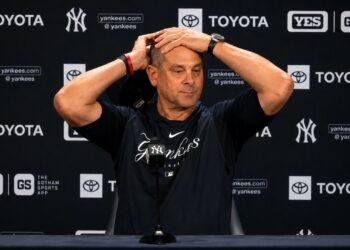
“Massive,” Boone said.
The numbers behind the turnaround are beginning to support that view. Wells entered Wednesday with a 116 wRC+ over his previous 43 games. He hit .246 with a .312 on-base percentage and a .435 slugging percentage in August, a meaningful improvement after an extended first-half struggle.
He then opened September with three hits in five at-bats through Wednesday. His 2-for-2 night against the Angels included a pinch-hit single before the decisive 10th-inning knock.
For Boone, the important part is not simply that Wells is producing. It is where he is producing. A catcher who can create damage from the eighth or ninth spot changes how an opposing pitching staff navigates the entire Yankees order.
A bottom-of-order problem becomes a postseason variable
The Yankees’ offensive issue at catcher was serious enough to shape their trade-deadline conversations.
New York explored the catching market and discussed Baltimore’s Adley Rutschman before the deadline. Reporting on those talks indicated that the Orioles wanted a package heavy on major league talent from the Yankees. Boston ultimately acquired Rutschman with a prospect-heavy package.
The Yankees did not match that price and stayed with Wells.
The decision carried risk because Wells’ season-long offensive numbers remained poor and the catcher spot often shortened the order.
His recent stretch does not erase those months. It does, however, change what the Yankees could have at catcher in October. His improvement gives Boone a chance to build a nine-man attack rather than an order opponents can divide into dangerous and manageable sections.
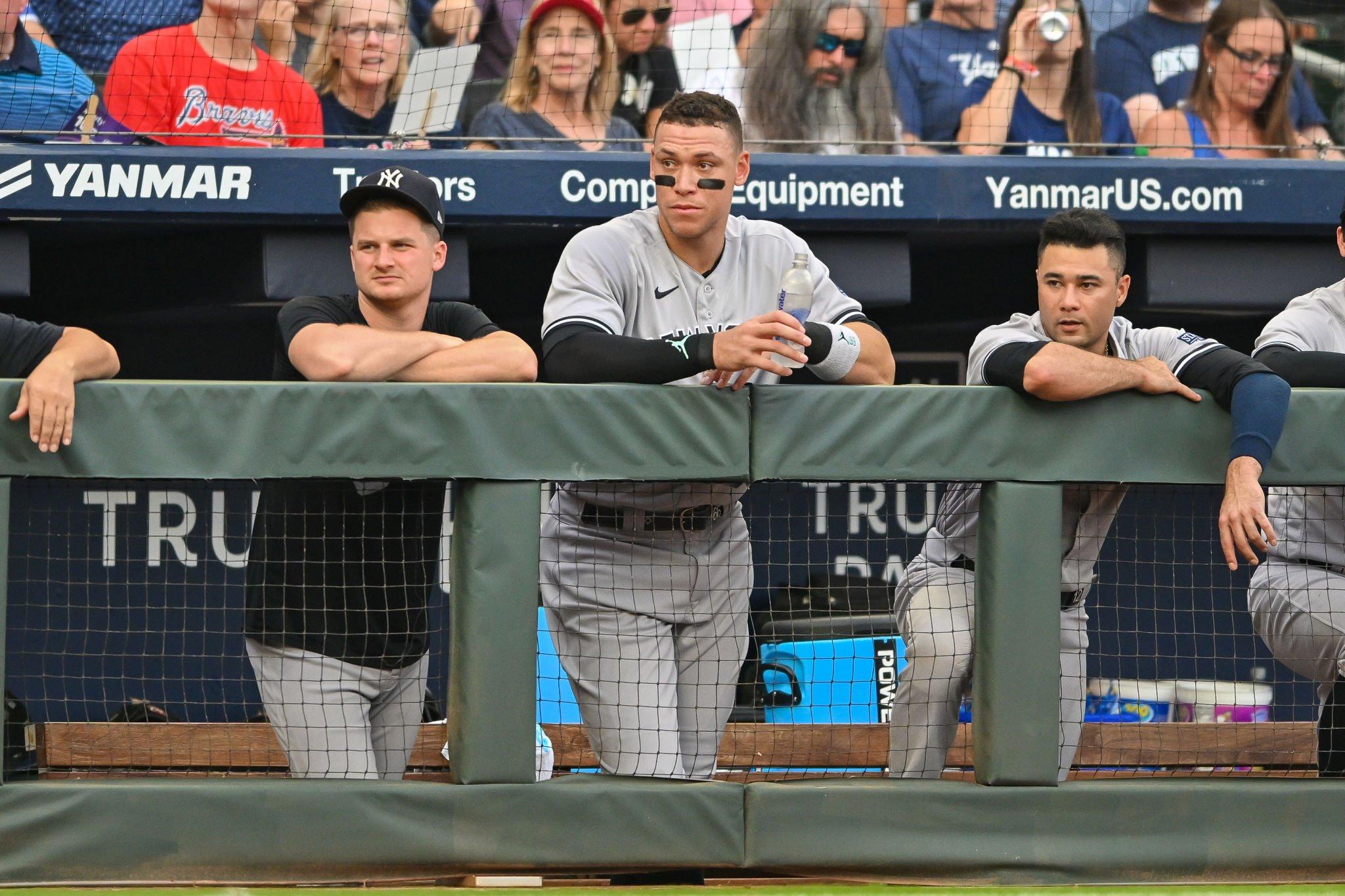
Aaron Judge is also moving closer to a return from his right rib injury and could be activated during the Yankees’ next homestand beginning Sept. 8 if his workload progression continues. Judge’s return would change the top of the lineup. Wells producing near the bottom could make the impact extend through all nine spots.
Wells gives Yankees a different kind of length
The Yankees entered Wednesday having scored only 11 runs in 12 extra-inning games this season. Their five-run 10th against Los Angeles nearly increased that total by half in a single inning.
Wells was the hitter who broke it open.
The sequence mattered because it illustrated exactly what Boone has been seeking. Jose Caballero singled, Jazz Chisholm Jr. walked, and the inning remained alive long enough for Wells to punish Murphy with two outs. Bellinger, Grisham and Rice then kept the chain moving.
New York left Anaheim 3 1/2 games behind Tampa Bay in the AL East and five games ahead of Boston for the top American League wild-card position. The Yankees still have work to do in the division race, but a lineup that forces opponents to navigate every spot would give Boone a different weapon for the final weeks.
Wells is still trying to salvage an uneven offensive season. Two explosive appearances do not settle that question.
But the Yankees no longer need him to become one of the lineup’s biggest stars. If he keeps turning the bottom into a place where innings continue instead of ending, he may be solving the precise problem Boone has been waiting to see disappear.
What do you think? Leave your comment below.