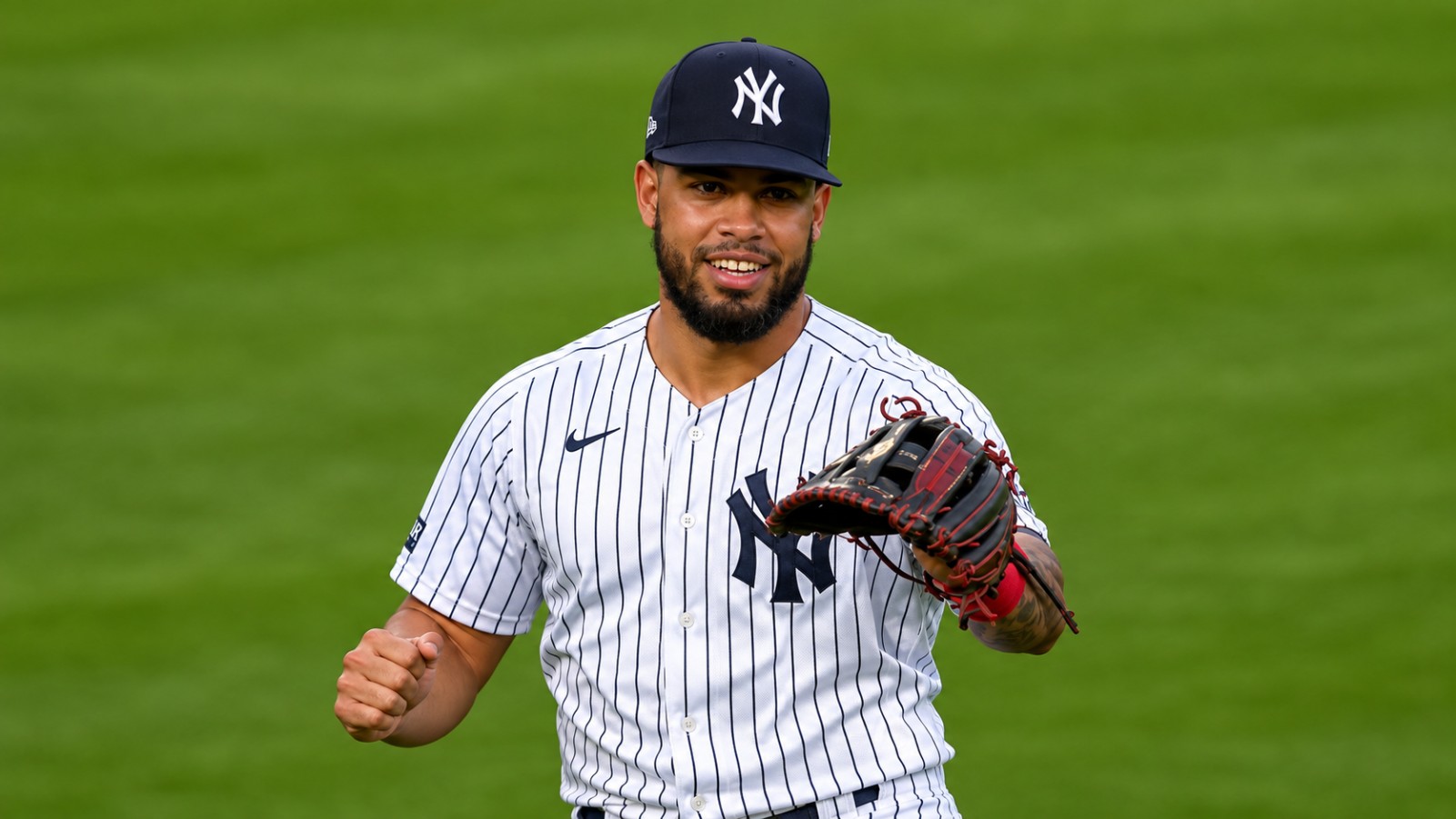
NEW YORK — The Yankees are facing renewed questions about their summer trade for Luis García Jr. as they try to settle an infield that already has more viable bats than clear defensive assignments.
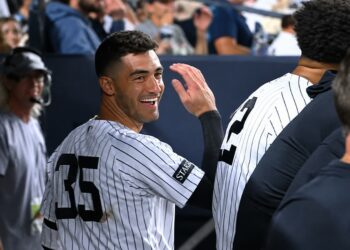
García, acquired from Washington on Aug. 2, delivered a career-high 30 home runs in 2026. But his transition to first base has left the Yankees with a difficult decision about how to use him alongside Ben Rice and Giancarlo Stanton next season.
The issue has grown more urgent with Jazz Chisholm Jr. entering free agency. New York needs a solution at second base, and placing García there would make room for Rice at first without forcing the club to remove a power bat from its regular lineup.
That lineup arrangement looks appealing. The question, now reaching into the Yankees’ internal discussions, is whether García can provide dependable defense at a position he did not play in 2026.
Internal split brings second-base gamble into focus
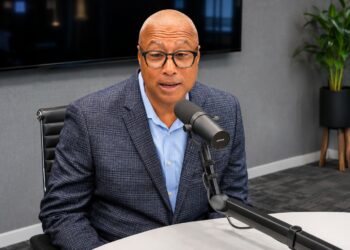
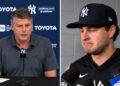
YES Network analyst Jack Curry disclosed a division among Yankees decision-makers over whether to return García to second base. Some believe he could handle the assignment better than he did for the Nationals; others remain unconvinced.
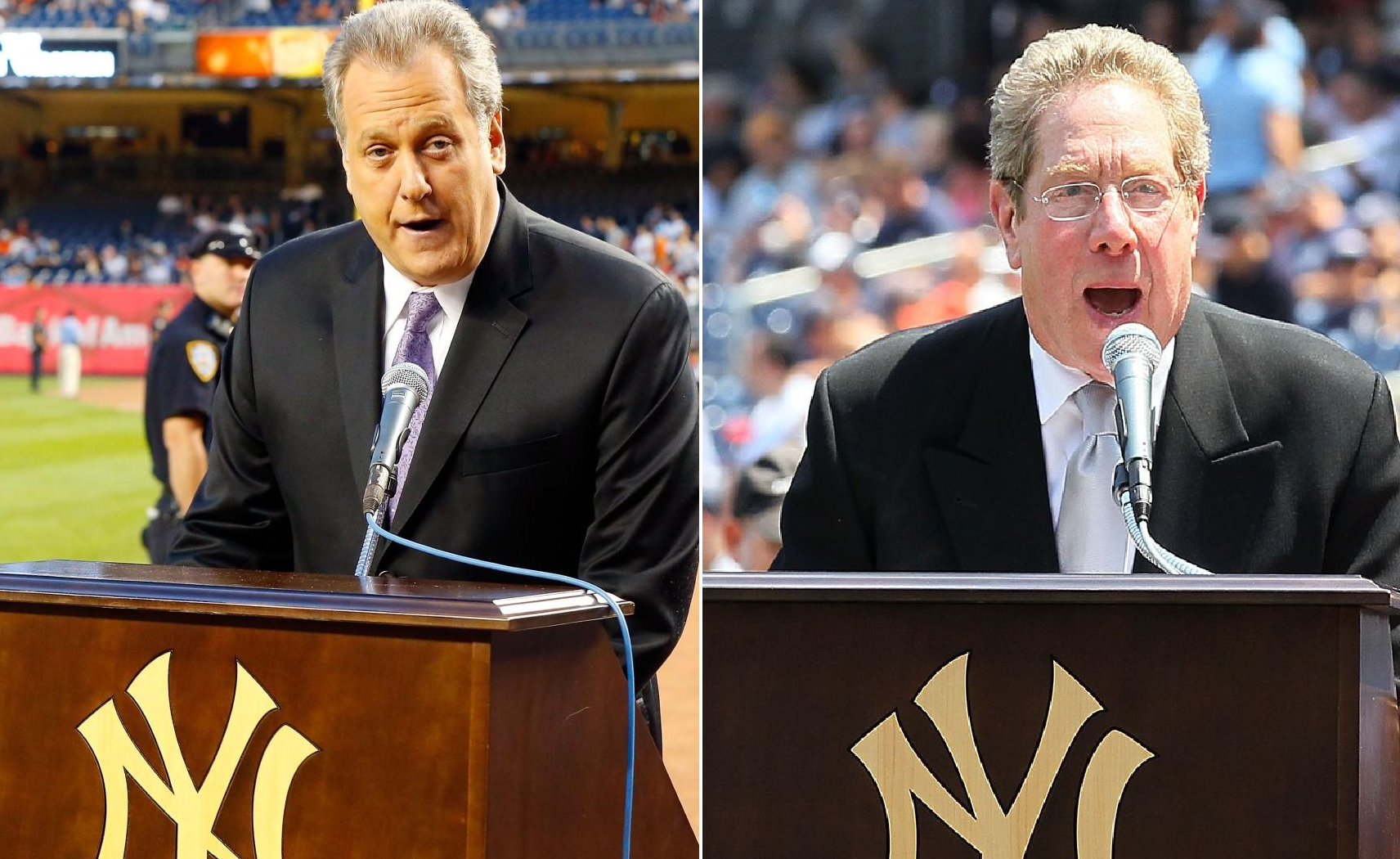
Curry characterized the disagreement during a discussion with Michael Kay, making clear that the difference of opinion had attracted his attention.
“The fact that there’s a split [within the Yankees] is noticeable to me,” Curry said.
The split matters because the Yankees initially acquired García primarily to play first base or serve as a designated hitter against right-handed pitching. Recasting him as a regular second baseman would change the defensive calculation behind that trade.
Washington had already moved García away from second base. In 123 starts at the position in 2025, he made seven errors and finished with minus-17 defensive runs saved. The metric measures defensive performance against an average player at the same position.
That record explains why the Yankees have not treated a move back to second as an automatic solution, even though it could resolve a lineup logjam.
A trade deadline bet created a different roster problem
General manager Brian Cashman acquired García for four right-handed pitchers: Jake Bird, Yovanny Cruz, Jack Cebert and Ben Grable. García was batting .283 with 23 home runs and 76 RBIs when New York made the deal, and his club control extends through 2027.
He ended the season at .277 with 30 homers, 92 RBIs and an .830 OPS across Washington and New York, according to MLB’s official statistics. His overall production gave the Yankees a legitimate middle-order option, but it did not eliminate the question of where he fits defensively.
García’s offensive performance also came with a split between his two stops. He hit .264 with a .736 OPS in 169 plate appearances after joining the Yankees, below the production that had made him a sought-after deadline hitter.
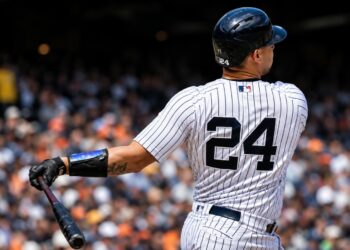
Rice, meanwhile, hit .264 with 41 home runs, 97 RBIs and an .897 OPS. His stronger on-base production gives the Yankees a substantial reason to keep his bat in a central lineup role rather than treat him as a spare part.
The two players combined for 71 home runs in 2026. That is meaningful power, but the Yankees cannot solve a crowded first-base and designated-hitter rotation by ignoring the defensive responsibilities at second.
Why Garcia’s defense changes the trade equation
The risk extends beyond one player’s fielding statistics. Moving García to second would place him in the middle of the infield, where range, turning double plays and positioning have a more direct effect on balls put in play behind the Yankees’ pitching staff.
That makes the difference between a competent second baseman and a bat-first substitute especially important. The Yankees committed four errors in Game 2 of their Division Series loss to Tampa Bay, a reminder that defensive mistakes can quickly overwhelm an offense in October.
Curry has said he would welcome an audition for García at second because it would address multiple roster needs. He also pointed to the defensive alternatives already on the roster, including Anthony Volpe and Jose Caballero.
Volpe played second base late in 2026 after losing the starting shortstop role. Caballero offers versatility and speed, but neither provides the same established home-run output as García. The Yankees therefore face a choice between a more conventional defensive alignment and a lineup with greater potential power.
A third path would be to deal García while his 30-homer season remains recent. Baseball analyst Joel Sherman has advocated exploring that possibility, arguing that New York could convert an imperfect positional fit into talent better suited to its needs.
Yankees still have no settled answer for 2027
A García trade would also represent a rapid change in strategy. Cashman acquired him to reinforce an offense hit by injuries and uneven production; only three months later, the Yankees are weighing whether that same hitter belongs at first, second or on another roster.
Stanton’s expected designated-hitter at-bats add pressure to the decision. If Rice is the everyday first baseman and Stanton occupies DH, García needs a defensive position or a reduced role to remain in the lineup consistently.
The Yankees have not announced a García trade or a plan to make him their regular second baseman. With Chisholm’s status unresolved and the club preparing for 2027, the internal disagreement leaves one of Cashman’s most consequential 2026 additions without a settled assignment.
What do you think? Leave your comment below.