NEW YORK — A familiar face from the Yankees dynasty appears in a photograph that now carries significance beyond a fan’s encounter with a former star. Bernie Williams‘ image has become part of a dispute over how political money pays for access to professional sports.
The pressure intensified Friday as a New York legislative leader’s office defended expensive outings. His spokesman pointed to millions of dollars raised, while questions persisted about who benefited from the events.
For Yankees fans, the connection runs through the business of bringing retired players into stadium suites. That business appears alongside ticket purchases in a published examination of political expenditures.
The photograph captures an encounter. The financial trail identifies a company paid around it. Understanding the difference is central to the story now drawing one of the franchise’s most recognizable former players into Albany’s spending debate.
The Williams photograph and a $19,538 payment
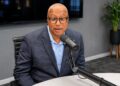
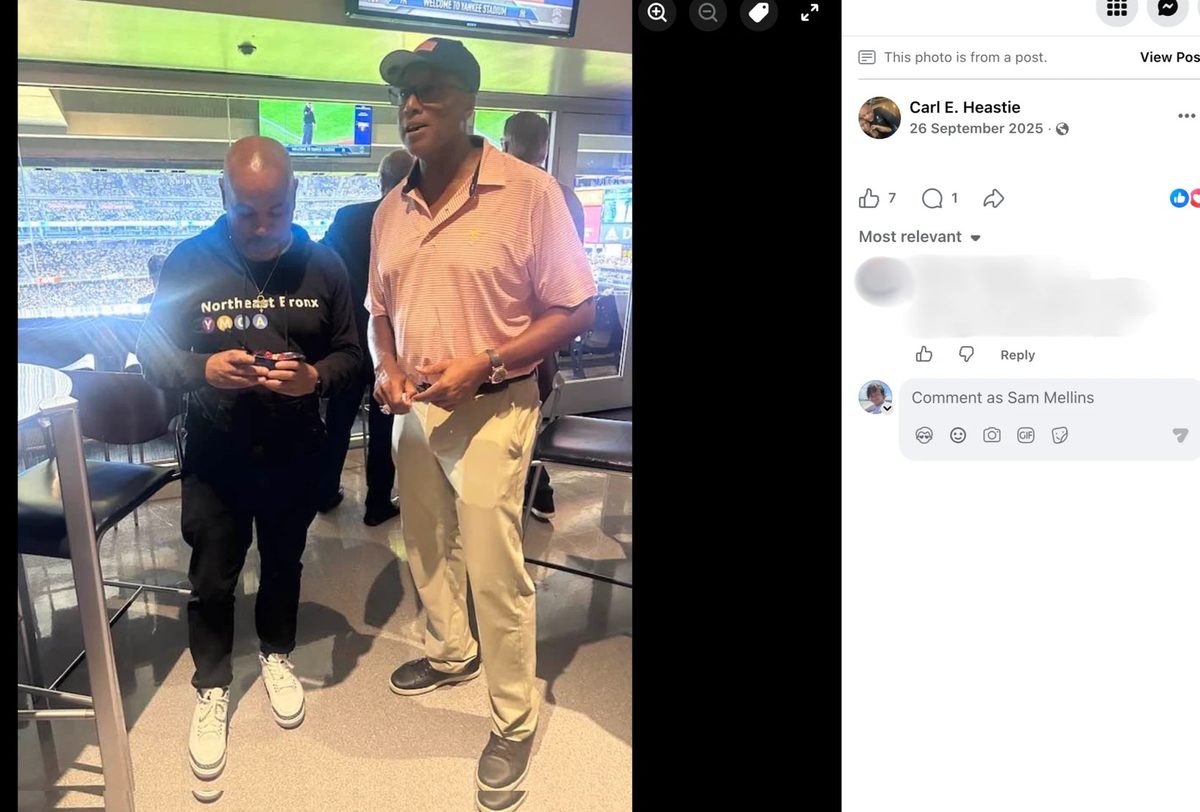
Assembly Speaker Carl Heastie posted a photograph with Bernie Williams last September. On the same day, the Democratic Assembly Campaign Committee paid $19,538 to Wish You Were Here Productions, which arranges appearances by retired Yankees players, according to the published spending review.
The report identifies the company as the recipient. It does not establish how much, if anything, Williams received. The investigation is journalistic scrutiny of the committee’s spending, with Williams appearing in its account of access to Yankees alumni.
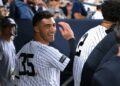
David Cone appears in a separate photograph with Heastie in a Yankee Stadium suite in June. Days later, the committee paid the same company $22,420.
Since 2015, the reported totals exceed $588,000 paid to the Yankees and $117,000 to the appearance company. A separate April 20 payment to the Yankees totaled $90,000.
Heastie’s office points to fundraising returns
Heastie’s spokesman, Mike Whyland, rejected criticism of the outings in a written response published Friday. His defense tied the spending to fundraising results and the election.
“Those sporting events raised more than $10 million and after Tuesday it looks like it was money well spent,” Whyland said.
Heastie also responded on social media, defending the events as a way to bring in political contributions. His response challenged the premise of the scrutiny rather than providing an event-by-event accounting.
“It’s called fundraising stupid,” Heastie wrote.
The committee’s sports spending exceeds $1 million across several teams and venues, including the Yankees, Mets and major New York arenas. That total covers years of expenditures, not a single outing or a payment to Williams.
The dispute concerns whether the events served political fundraising or personal enjoyment. In a Friday radio interview, reporter Sam Mellins described conversations with a former committee employee who questioned how donor-focused some gatherings were.
Mellins said some expenditures lacked an explanation, while roughly $150,000 had been classified as office expenses. He said those entries warranted further examination.
Two payments total $41,958, but do not establish player fees
The two payments associated by timing with the Williams and Cone photographs add up to $41,958. That calculation combines $19,538 and $22,420. It measures payments to the booking company, not verified compensation for either Yankees alumnus.
The distinction matters when reading the photographs alongside the expenditure figures. A company payment may cover services beyond a pictured encounter. The available reporting does not provide an itemized allocation to the two former Yankees.
Williams’ baseball record helps explain the attention his photograph attracts. MLB’s statistical database lists 16 seasons, all with the Yankees, encompassing 2,076 games, 2,336 hits, 287 home runs and a .297 batting average.
The Yankees retired his No. 51 in 2015. His appearance gives the political spending story a connection to a player whose career was spent entirely in the Bronx.
The calculation above adds a narrower measure to the broader spending totals. It does not convert the photographs into evidence that either former player controlled the committee’s finances.
The purpose of the outings remains the central question
New York Election Law Section 14-130 prohibits converting political contributions to personal use unrelated to a campaign, public office or party position. Its definition addresses expenses exclusively for personal benefit and specifically includes admission to sporting events when those conditions apply.
That makes the purpose of an outing important. A Yankees game can provide a setting for political activity. Attendance at the ballpark, by itself, does not settle whether a particular expenditure meets the law’s requirements.
The wider scrutiny also involves a Delaware North donation of Celtics suite access. The company has defended its conduct and said political matters were not discussed at the games. That separate transaction supplies context for the spending debate, rather than evidence about Williams.
As of Nov. 7, Heastie’s office is defending the sports events through its fundraising claim. The unresolved issue is how individual outings and payments supported that purpose, including the Yankees-related transactions identified alongside the alumni photographs.
What do you think? Leave your comment below.