NEW YORK — The public statements sound encouraging. Brian Cashman talks about staying connected with Cody Bellinger’s representatives. Ownership mentions championship aspirations. Media reports link the Bronx franchise to every available star.
Behind closed doors, a completely different story is unfolding. ESPN analyst Buster Olney just exposed the gap between what the Yankees say publicly and what they’re actually willing to do.
His assessment this week might disappoint fans who still believe a reunion with Bellinger is coming.
Yankees’ $200 million reality check
Olney didn’t sugarcoat his message during an appearance on the “Just Baseball” show. His words were direct and devastating.
“Do I think the Yankees are gonna wind up spending $200+ million on a player this winter? I don’t,” Olney said. “I think they’ll stay in the Bellinger and Tucker conversations, but in the end it might be to push other teams.”
Read that last phrase carefully. To push other teams.
The Yankees aren’t staying visible in negotiations because they want Bellinger or Kyle Tucker. They’re maintaining a presence to force the Los Angeles Dodgers, Chicago Cubs and Boston Red Sox to pay more.
It’s strategic, just not the strategy fans hoped for. The front office is driving up prices for competitors while never planning to make a serious bid themselves.
The math tells the real story
Owner Hal Steinbrenner revealed at the general managers meetings that the Yankees finished 2025 with a $319 million payroll. That figure triggers severe luxury tax penalties.
Steinbrenner wants the number closer to $300 million for 2026. That’s not a suggestion. That’s a mandate from ownership.
Current projections place the Yankees at roughly $280 million committed before any additions. Even reaching $300 million leaves less than $20 million available for improvements.
Bellinger will command at least $200 million total with annual salary exceeding $25 million. Tucker could hit $400 million with yearly value around $40 million.
Those contracts don’t fit in a $20 million budget. The numbers simply don’t work.
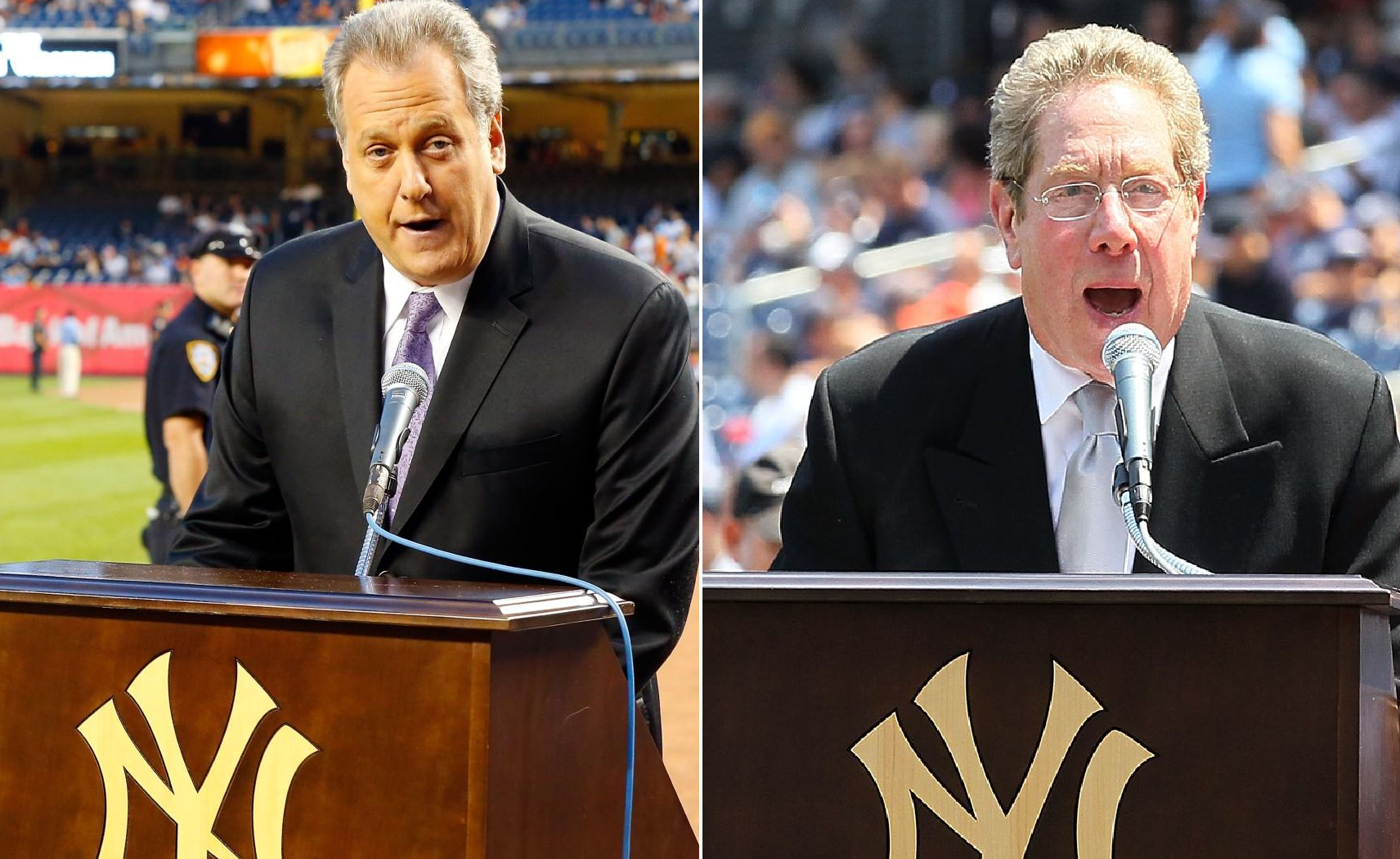
YES Network broadcaster Michael Kay spelled it out bluntly on his ESPN New York show.
“If they intend to stay under $300 (million), they are not getting (Cody) Bellinger, they are not getting (Kyle) Tucker,” Kay said. “They are not going to be able to make any significant move.”
Kay asked the question management won’t answer. Which big contracts can they shed to create space? The roster is loaded with immovable deals and declining players still owed significant money.
DJ LeMahieu collects $15 million in 2026 despite being released. Aaron Hicks gets $10.785 million to not play anywhere. Marcus Stroman earned $18.5 million last year for underwhelming performance.
These dead weight contracts prevent the flexibility needed to add impact talent. The Yankees created this situation through poor decisions. Now they’re using budget constraints as an excuse to avoid fixing it.
The pattern keeps repeating
This isn’t the first time the Yankees have stayed visible in high-profile negotiations without serious intent. It’s becoming a recognizable pattern.
Juan Soto signed with the Mets after the Yankees declined to match the offer. They stayed engaged throughout but never made a truly competitive bid.
Devin Williams signed with the Mets this offseason after the Yankees expressed interest. Another talent lost to a division rival while New York talked about priorities.
The organization gets linked to every star. Bo Bichette, Kyle Tucker, Cody Bellinger, anyone with name recognition becomes a rumored target. But rumors don’t equal acquisitions.
Outside of re-signing Grisham, the Yankees haven’t made major moves. The roster that fell short in October remains largely unchanged while competitors improve.
Industry insiders see through it

Olney’s comments reflected growing sentiment across MLB that the Yankees aren’t serious players for top-tier free agents despite their public posture.
Anonymous agents and rival evaluators told ESPN they “aren’t sure” if New York is willing to pay market prices for Bellinger or Tucker. That uncertainty reveals everything.
Teams with genuine interest don’t create uncertainty. They engage aggressively. They make serious offers. They close deals.
The Yankees are doing none of those things. They’re maintaining visibility without commitment. They’re making calls without making offers.
FanSided’s Robert Murray questioned whether the Yankees can actually retain Bellinger after Grisham’s return. He noted that while the organization claims to want Bellinger, “the two sides are not close to a deal.”
Not close. That phrase exposes everything.
MLB.com’s Bryan Hoch reported that the Yankees “have limits” in negotiations. Those limits apparently sit well below market value for impact players.
The bargain basement fallback
If the Yankees won’t spend on stars, where will improvements come from? Management is pointing toward low-cost veterans and internal options.
Tyler Mahle posted a 2.18 ERA in 16 starts with Texas last season. Adrian Houser made solid starts for the White Sox. Neither commands premium salaries.
These aren’t moves that close gaps with elite teams. They’re moves that maintain mediocrity while preserving profit margins.
Jasson Dominguez could get an opportunity despite struggling in limited 2025 action. Spencer Jones hit 35 home runs in the minors. Neither is ready to replace Bellinger’s production, but they cost nothing.
The front office is comfortable rolling with cheaper alternatives rather than paying market rates for proven talent.
What it all means
The Yankees are heading toward an offseason of disappointment disguised as fiscal responsibility. They’ll make some moves. They’ll sign some players. They’ll create the appearance of trying.
But Cody Bellinger won’t be back. Kyle Tucker won’t arrive. The roster that wasn’t good enough in 2025 will return largely intact in 2026.
Olney exposed what many suspected but few wanted to believe. The Yankees are hiding their true intentions behind public statements about staying competitive.
This isn’t about finding value or smart resource allocation. It’s about protecting profit margins while maintaining the illusion of trying to win.
Fans deserve honesty, not corporate doublespeak. They deserve a front office that matches actions to words. Instead, they’re getting smoke screens and excuses.
The Winter Meetings begin next week. Other teams will make commitments. Stars will sign contracts. Markets will set prices.
The Yankees will watch from the sidelines while pretending they’re still in the game. They’ll make calls to agents. They’ll leak interest to reporters. They’ll do everything except spend the money required to improve.
Buster Olney said the quiet part out loud. Now everyone knows what the front office was trying to hide.
The Yankees aren’t serious about bringing back Cody Bellinger. The charade continues, but the truth is finally visible.
What do you think? Leave your comment below.