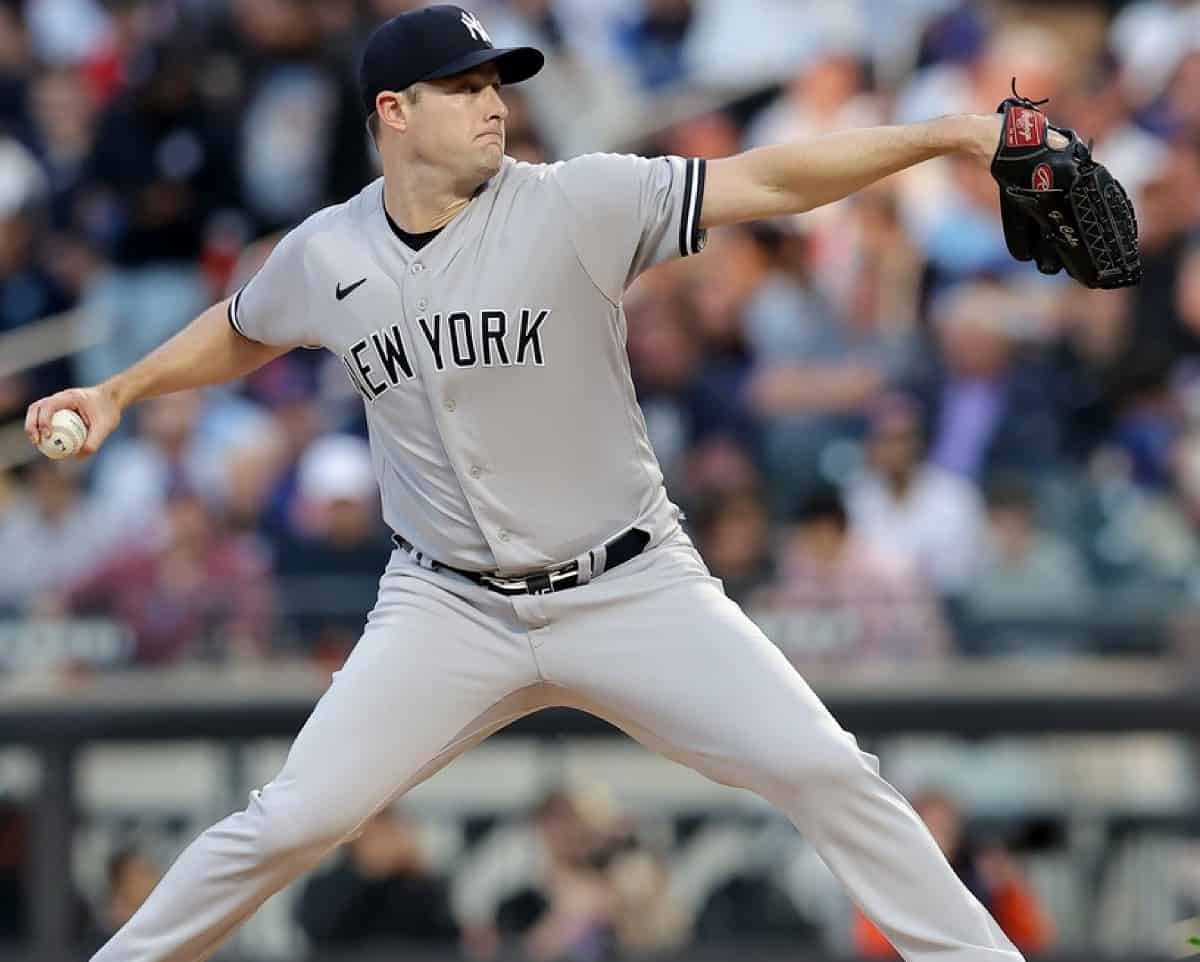
NEW YORK — Roger Clemens has two Yankees championship rings and seven Cy Young Awards. What he still does not have is a plaque in Cooperstown, where voters have repeatedly declined to elect one of baseball’s most accomplished pitchers.
For Yankees fans, his record carries memories of championships in 1999 and 2000. His place in baseball history also carries the unresolved public argument over performance-enhancing drugs, allegations he has consistently denied. Those two parts of his legacy have remained intertwined since his playing days ended.
The legal history has a different outcome from the Hall of Fame voting. A federal jury acquitted Clemens in 2012 on charges arising from his congressional testimony about drug use. That verdict did not produce election to the Hall, whose voters apply their own standards for membership.
Now the former Yankees starter’s standing has become a subject of political attention, bringing his achievements and disputed legacy before another audience. The central question is how recognition outside baseball should relate to an honor controlled by baseball’s own electorate.
Clemens pitched 24 major league seasons for Boston, Toronto, New York and Houston. His career included an American League MVP award and 11 All-Star selections, according to the Hall of Fame’s candidate biography. His Yankees years supplied both of his World Series titles.
Those credentials explain why his name remains prominent long after retirement. They also explain why each new discussion of his legacy returns to the same divide: the scale of his performance against the questions surrounding how that performance should be judged.
The Yankees connection adds particular weight. Clemens helped a championship club sustain its success, rather than merely passing through the Bronx. For readers following the latest debate, separating his playing record, the court verdict and the Hall’s election process is essential. Each answers a different question, and none automatically settles the others.
Trump announces a presidential honor for Clemens
President Donald Trump said Wednesday at a San Antonio rally that he would award Clemens the Presidential Medal of Freedom. The announcement placed the former Yankees pitcher alongside the president at Freeman Coliseum and prompted renewed debate about his legacy.
Trump presented the decision as recognition that baseball’s Hall of Fame had withheld. He announced the planned award directly to the crowd.
“We’re giving him the Presidential Medal of Freedom,” Trump said.
The president also argued that Clemens deserved induction into Cooperstown. His remarks linked two distinct honors, although the presidential award cannot substitute for a Hall of Fame election.
The announcement was a promise to confer the medal. It was not a presentation ceremony.
Clemens places the recognition above his playing career
Clemens responded by ranking the proposed recognition ahead of his baseball accomplishments. That comparison encompasses a career that included his Yankees championships.
“This supersedes anything that obviously I’ve done in my playing career,” Clemens said.
He expressed appreciation for receiving the recognition from Trump and for hearing the announcement in Texas. He also joked that the president’s recitation of his statistics made Trump sound like a potential agent.
The reaction outside the rally was divided. Some online commenters questioned why pitching success warranted the civilian honor. Others celebrated the recognition and supported Clemens’ case for Cooperstown.
One critical response challenged the rationale for the award rather than discussing the Yankees or a particular season.
“For what? Unbelievable. Can we be done with this nonsense?” one commenter wrote.
Those individual reactions establish disagreement, not a measurement of public opinion. The available comments do not show how Yankees fans as a group view the decision.
The Yankees link reveals two different paths to recognition
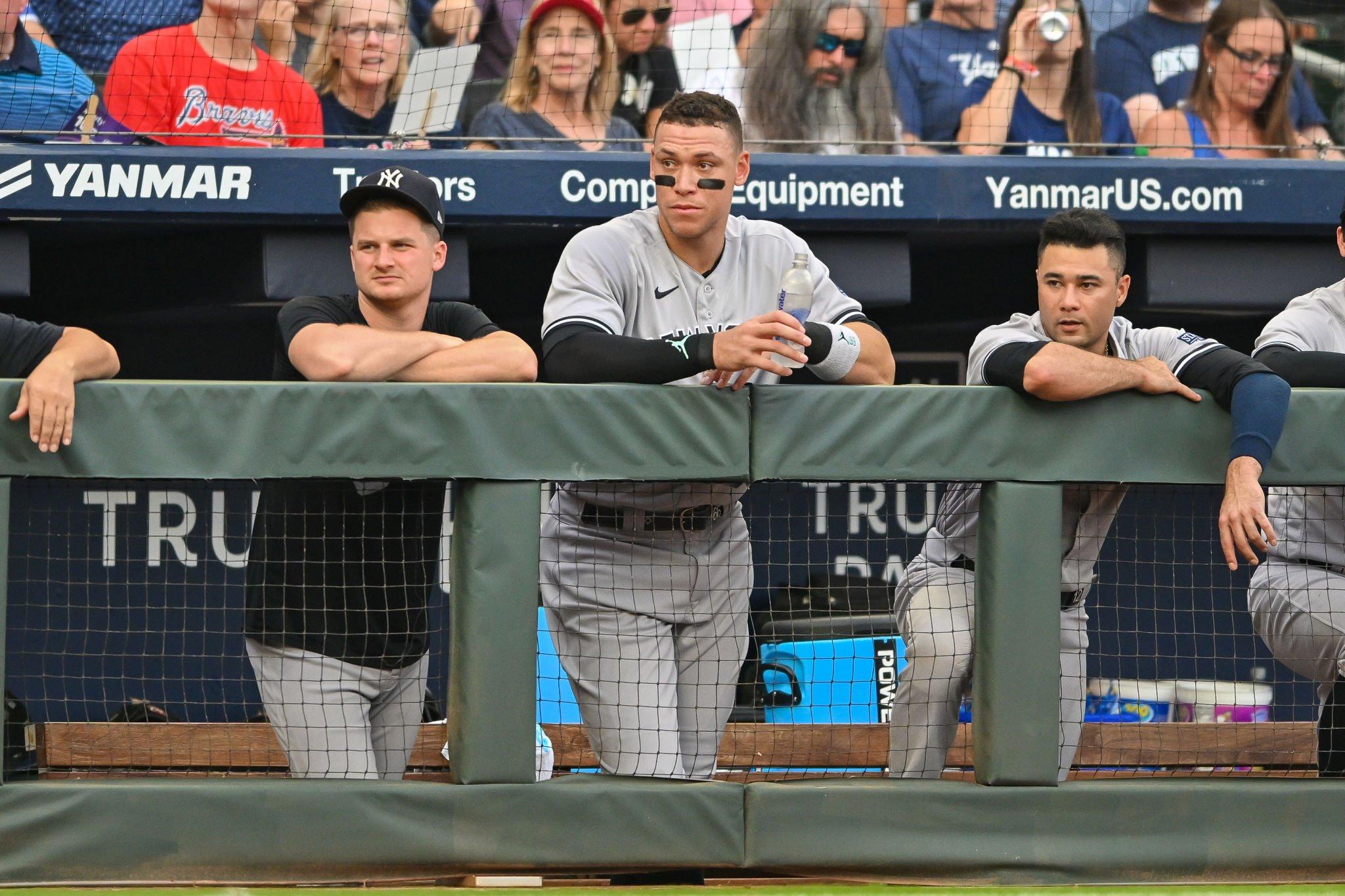
Former Yankees closer Mariano Rivera received the Presidential Medal of Freedom during Trump’s first term. Rivera’s inclusion provides a direct franchise connection, but it does not give Clemens a route around the Hall’s rules.
The Hall’s December 2025 results offer a more revealing Yankees comparison. Don Mattingly received six votes from the 16-member Contemporary Baseball Era Committee. Clemens and another former Yankees player, Gary Sheffield, each received fewer than five. Election required 12.
That difference has consequences beyond the failed vote. Mattingly cleared the five-vote threshold that determines eligibility for the next cycle. Clemens and Sheffield did not.
The comparison shows why treating all three as simply rejected candidates misses an important distinction. Their next opportunities are not identical.
A presidential endorsement cannot erase the Cooperstown wait
Under the Hall’s published rules, candidates receiving fewer than five votes must miss the next three-year cycle. Yankees great Clemens, therefore, cannot appear on the 2028 player ballot for the class of 2029.
His earliest possible return is the following cycle, in December 2031, for the class of 2032. Eligibility then would not guarantee selection to the ballot or election. That remains a separate process from any presidential recognition.
The drug allegations remain part of that debate. The 2007 Mitchell Report linked Clemens to alleged steroid and human growth hormone use through testimony from former trainer Brian McNamee. Clemens denied using performance-enhancing drugs and later won acquittal in the federal case.
As of Oct. 9, the developments leave the former Yankees ace with a promised national honor and an unchanged Hall of Fame barrier. Trump’s endorsement and Clemens’ enthusiastic response have renewed attention to both, while the next scheduled Cooperstown opportunity remains years away.
What do you think? Leave your comment below.