NEW YORK — The Yankees are facing a deadline that could reshape their outfield and payroll for 2026. By 5 p.m. EST Thursday, the front office must decide whether to extend a qualifying offer worth $22.025 million to center fielder Trent Grisham.
General manager Brian Cashman has presented both paths to managing partner Hal Steinbrenner. The final decision now sits at ownership level.
A Major League executive familiar with the discussions told NJ Advance Media’s Bob Klapisch, “There are arguments on both sides and they’re on Hal’s desk. It’s going down to the wire.”
The Yankees must weigh Grisham’s breakout season against the financial risks of committing elite money to a player whose track record has been inconsistent.
According to Randy Miller, the same executive also noted the Yankees plan to pursue Cody Bellinger in free agency, regardless of the Grisham outcome. Reliever Devin Williams is not expected to receive a qualifying offer after a disappointing year.
Career year creates difficult math

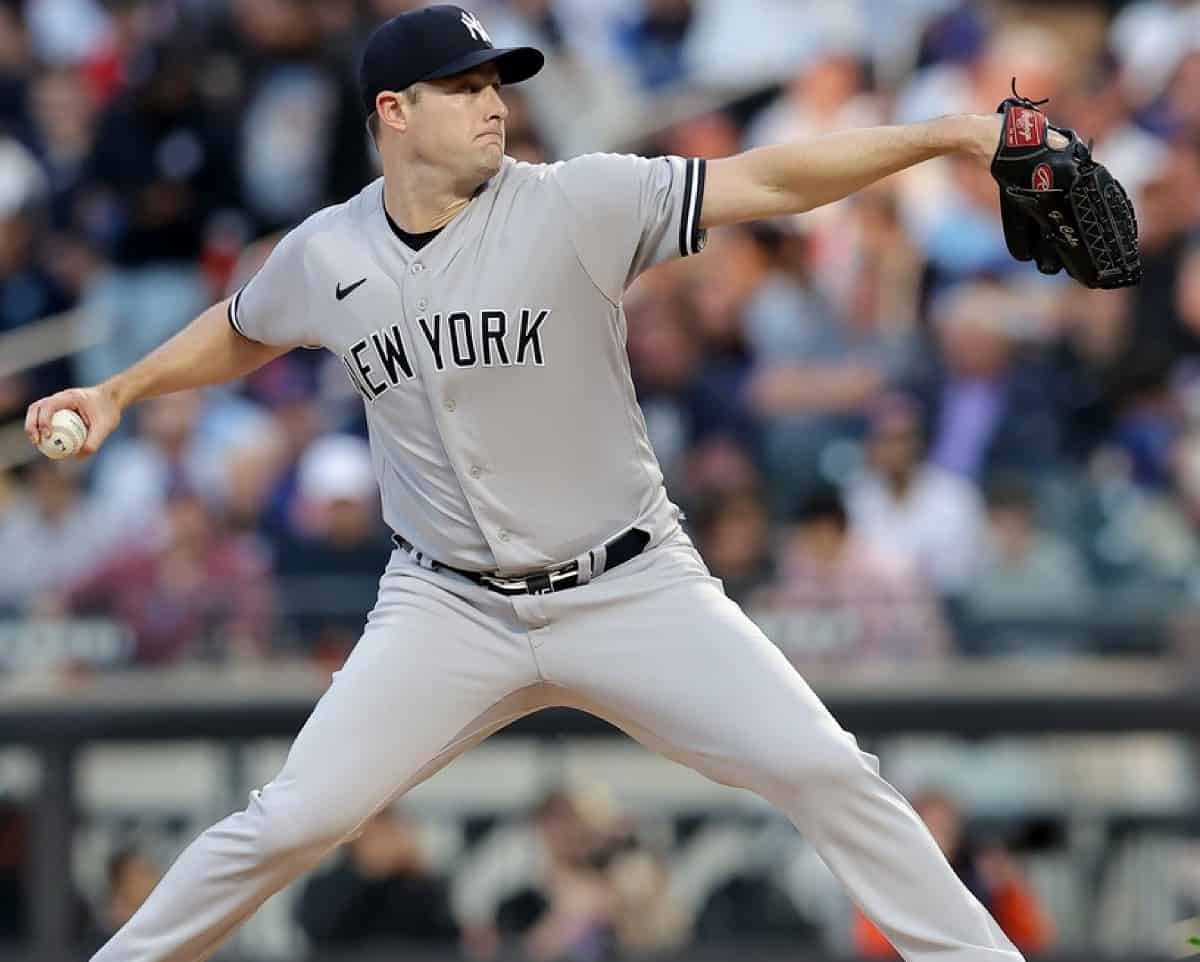
Trent Grisham changed his standing inside the organization with one season. He hit 34 home runs in 2025 while batting .235 with 74 RBIs in 581 plate appearances. The power surge doubled his previous best. It was a stunning jump for a player who had hit below .200 in three straight seasons.
His .348 on base percentage ranked third among everyday Yankees hitters. Only Aaron Judge and Giancarlo Stanton reached base more often. By the end of the season, he became the primary leadoff hitter against right handed pitching.
But there were drawbacks. Grisham struck out 137 times. His career batting average sits at .218 across seven seasons with Milwaukee, San Diego and New York. His short track record of consistent offense forces the Yankees to consider whether his 2025 season reflects real growth or a one year spike.
Defense also became a concern. Grisham has two Gold Gloves, but his advanced metrics dropped. He posted minus 11 Defensive Runs Saved in 2025. Out of 17 qualified center fielders, he ranked fourth worst. For a player whose value has always included defense, that decline raises questions.
Financial risk weighs heavily
The Yankees are operating under tight payroll conditions. Juan Soto’s departure to the Mets, combined with multiple pending free agent decisions, forces careful spending. Bellinger opted out of his contract on Monday, declining $25 million for 2026. The Yankees intend to pursue him.
Grisham earned $5 million last season. The qualifying offer would raise that number to $22.025 million for one year. It would be a 340 percent salary jump based on a single strong season.
The qualifying offer number increased from $21.05 million in 2024. The value is set by averaging the salaries of baseball’s 125 highest paid players.
If the Yankees extend the offer, Grisham will have until 4 p.m. on Nov. 21 to accept or reject. Accepting locks him into a one year deal. Rejecting keeps him on the open market.
Many agents expect Grisham to seek a multiyear deal. Market projections estimate he could land a four year, $48 million contract. However, that projection becomes complicated if a qualifying offer is attached.
Teams signing a player who rejected a qualifying offer face draft penalties and international spending restrictions. According to MLB rules, teams paying luxury taxes lose their second and fifth highest draft picks and $1 million from the international bonus pool. Non tax teams lose their second highest pick and $500,000 from the international pool.
If Grisham signs elsewhere after rejecting the offer, the Yankees receive a compensation pick after the fourth round in the 2026 draft.
Track record raises red flags
Skeptics point to Grisham’s six seasons before 2025. He posted a .213 average with a .697 OPS across that stretch. That includes his 2024 Yankees debut, when he hit .190 with a .675 OPS in 76 games. Klapisch summarized the concern bluntly:
“Despite a breakout power performance at the plate (34 home runs) and glorious defense in center field, it’s worth remembering that Trent Grisham batted just .235 this season and was only 2-for-17 in the ALDS. He’s a career .218 hitter. The Yankees will need Grisham back in 2026 if Bellinger bolts, but there’s no reason to believe he’ll ever hit for a meaningful average.”
Front offices ask a simple question: Why did everything click at age 29 after almost 3,000 plate appearances?
Grisham credits the change to mental growth and a more patient mindset. His swing decisions improved. Twenty one of his 34 home runs were hit on the road, suggesting Yankee Stadium dimensions did not inflate his numbers.
But the Yankees must decide if patience at the plate can offset declining defense.
Roster configuration complicates matters
If the Yankees extend the qualifying offer and Grisham accepts, it squeezes the outfield. Cody Bellinger is one of the top free agent outfielders. Kyle Tucker sits ahead of him. Grisham ranks as the next best center field option on the market.
If both return, the Yankees could enter 2026 with three primary starters for two outfield spots alongside Judge. That makes development paths uncertain.
Jasson Domínguez needs everyday at bats after returning from elbow surgery. Top prospect Spencer Jones is close to major league ready. Jones hit 35 home runs across Double A and Triple A last season. At 6 foot 7, he brings rare speed and power. Cashman has already said Jones will compete for a roster spot in spring training.
Investing $22.025 million in Grisham could block Jones before he even reaches the majors.
In that scenario, the Yankees could trade Grisham if he accepts the qualifying offer and they re sign Bellinger. But committing that salary now would restrict offseason spending and reduce flexibility.
Alternative scenarios emerge

The Yankees have another option. They could decline to offer the qualifying amount and still negotiate with Grisham at a lower price. If other teams fear the draft compensation cost, he might return for less.
But there is risk. The center field market is thin. Former Yankee Harrison Bader opted out of his contract with Philadelphia. He remains an elite defender and could be a short term fallback. But he does not provide Grisham’s power or on base ability.
Bellinger cannot receive a qualifying offer because he already received one earlier in his career. If the Yankees miss on Bellinger and do not offer Grisham, they could be left with no clear center field answer.
Decision carries major implications
Everything the Yankees do this offseason runs through this moment. One decision will dictate payroll flexibility, outfield depth and future roster construction.
If they extend the offer, they risk paying elite money for a fourth outfielder.
If they decline, they risk losing a productive center fielder with no compensation and little market depth behind him.
It comes down to whether the Yankees believe the version of Trent Grisham they saw in 2025 is real — or whether it was a one-year surge that came too late in his career.
The deadline is almost here. The Yankees know the price. The question is whether they believe in the player enough to pay it.
What do you think? Leave your comment below.