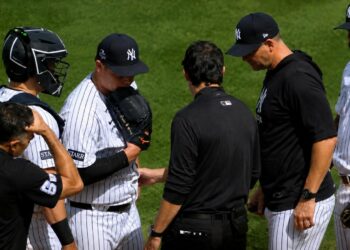
NEW YORK — Aaron Boone’s sharp response to Jazz Chisholm Jr.’s playoff frustration may have exposed a deeper issue inside the Yankees clubhouse. The manager’s criticism of his second baseman’s postgame behavior after Tuesday’s 3-1 Wild Card loss to the Red Sox raised fresh questions about their relationship and the team’s direction.
Boone did not hide his feelings when asked about Chisholm’s actions. After the star infielder turned his back on reporters and mumbled through answers about being benched, the Yankees manager made his disapproval clear.
“Obviously he’s not the most vanilla guy,” Boone said Wednesday. “He’s going to wear his emotions on his sleeve sometimes. Not the way I would go about it.”
The comment carried weight. Boone attempted to minimize the matter, but his words had an edge that many observers saw as a sign of a growing divide.
When confidence turns to defiance

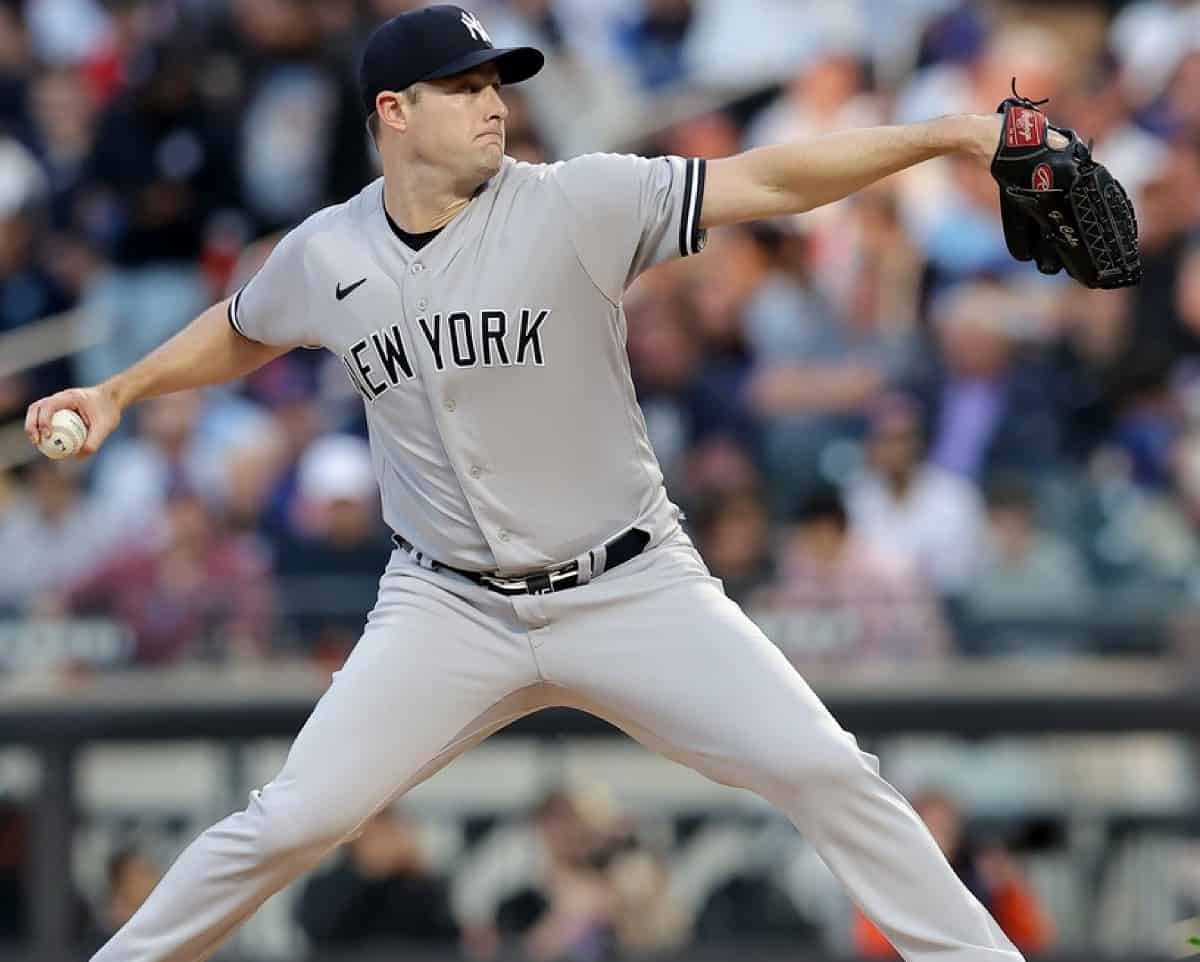
The dispute began Monday night when Boone benched Chisholm for Game 1 against Boston ace Garrett Crochet. Despite posting a 30-30 season, Chisholm was left out of the starting lineup in favor of Amed Rosario at second base and Jose Caballero at third.
Boone’s explanation was based on matchups. Crochet had been especially effective against left-handed hitters. New York stacked the order with righties to counter him.
On paper, the reasoning made sense. But for a player who started against 23 of 28 left-handed starters during the regular season, the move came across as a lack of trust.
Chisholm’s reaction after the loss confirmed his displeasure. At his locker, he rifled through hangers while speaking softly, rarely making eye contact with reporters.
“I guess,” he said when asked if he was surprised by the benching. “Yeah.”
The words were short. The body language was louder.
The story keeps changing
Tension grew with conflicting versions of how Jazz Chisholm learned about the decision. The second baseman said he received a text message Monday night informing him he would sit. Boone countered that they had spoken face-to-face in his office.
“We spoke about it,” Boone insisted. “I think he understood.”
The differing accounts suggested either a breakdown in communication or a disagreement over what was said. Neither outcome painted a positive picture for a relationship already under stress.
Before Game 2, Boone emphasized that he could handle emotional players. But even in defense, his comments carried an undercurrent.
“I don’t need him to put a happy face on it right now,” Boone said. “I need him to go play his tail off, which I know he’s going to do.”
That message straddled support and warning. The meaning was clear: get over the frustration and perform.
When redemption masks real Chisholm problem

Chisholm did perform. On Wednesday, he scored the winning run with a daring dash from first base in the eighth inning. Earlier, he made a diving stop in the seventh that kept Boston from taking the lead. His efforts forced a decisive Game 3 and earned praise across the clubhouse.
“There was never a problem between me and Aaron Boone,” Chisholm said after the win. “We always have disagreements. I mean, I played third base this year and we had a little bit of a disagreement in that.”
That remark revealed this was not an isolated clash. It was one in a series of disputes over his role.
Baseball insider Joel Sherman flagged Chisholm’s awkward media session as a troubling sign, warning it could foreshadow a split. His behavior, Sherman suggested, made him an uneasy fit for an organization that values discipline and uniformity.
The culture clash nobody wanted to address
The Yankees have long promoted professionalism and restraint. Chisholm embodies flash, energy, and individuality. He created a video game team called the New York Aliens. He wears anime-inspired outfits. After being benched, he admitted he stayed up until 3 a.m. playing MLB The Show to release frustration.
These traits electrify fans but contrast with the traditional “Yankee Way.”
“He loves to play,” Boone said. “He feels a responsibility to us, his teammates. And he and I have always been good, despite what you may think happened Tuesday.”
That qualifier — “despite what you may think happened” — suggested Boone felt the need to defend the relationship. It hinted that things might not be as smooth as he wanted to portray.
What happens when October ends
Boone confirmed Chisholm would be in the lineup for Game 3 against Boston rookie Connelly Early. The decision was expected, but it highlighted Boone’s willingness to bench his 30-30 star in high-stakes moments.
That choice underscored a larger concern. If Boone views Chisholm as a player whose personality needs constant managing, the long-term situation may be unsustainable.
“Look, not every guy’s going to love every decision that I have to make, and that’s OK,” Boone said.
In October, wins make such friction tolerable. But after the season, both sides will have time to reflect.
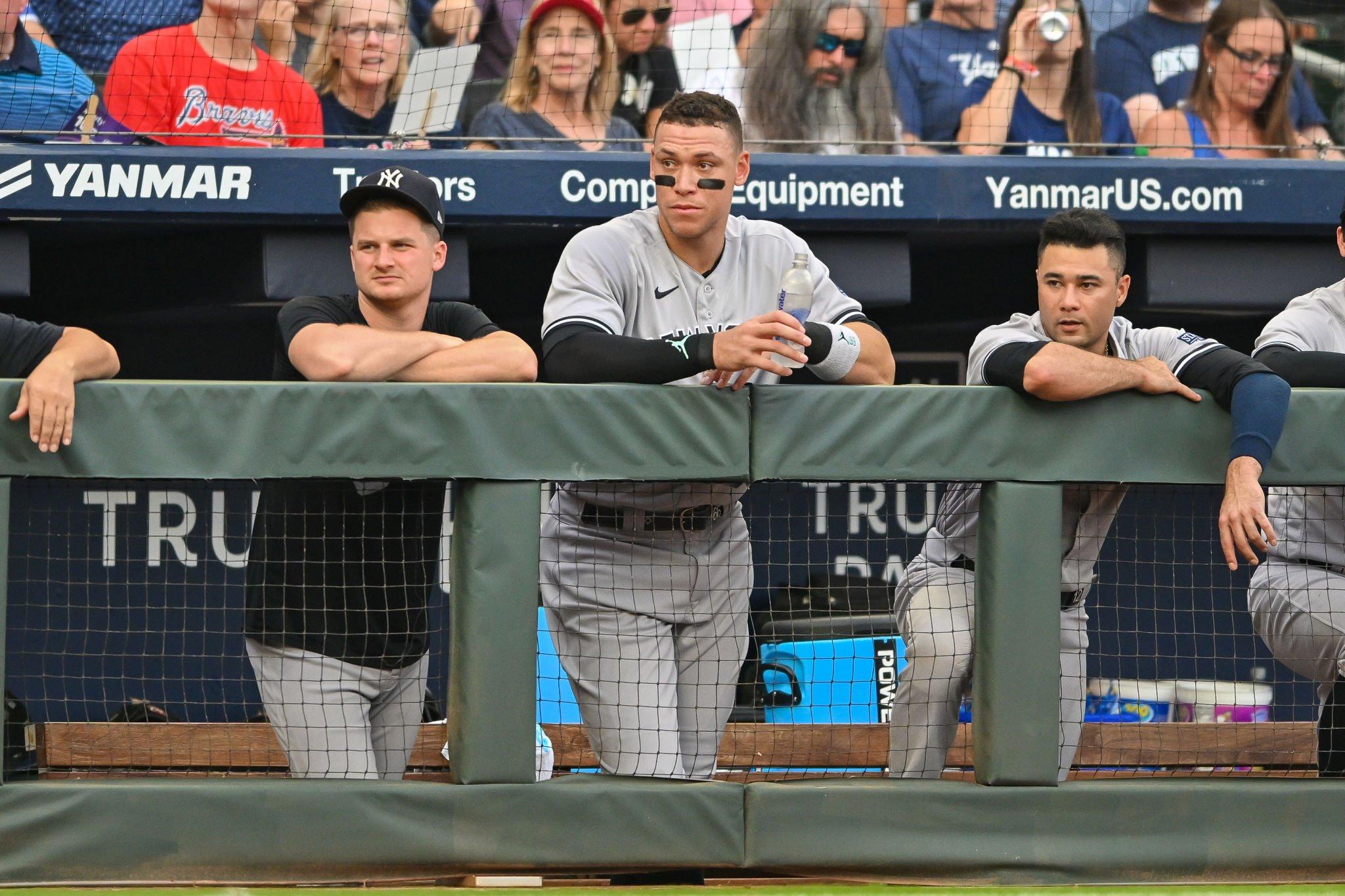
Aaron Judge praised Chisholm’s ability to bounce back, saying he showed maturity by not letting the Game 1 benching affect his Game 2 performance. Still, the same maturity was absent when Chisholm pouted in front of cameras and turned away from questions.
The Yankees find themselves at a crossroads. Chisholm’s speed, power, and flair make him an undeniable asset. Yet his need for validation and willingness to air frustration publicly challenge the franchise’s culture.
Boone’s comments were more than a reaction to one night of frustration. They served as a warning. The Yankees want Chisholm to thrive, but they also expect him to conform to the team’s standards.
For now, the team needs his bat and glove to survive October. But once the postseason ends, the friction between Boone and Chisholm may resurface, and the possibility of a split could come into focus.
What do you think? Leave your comment below.