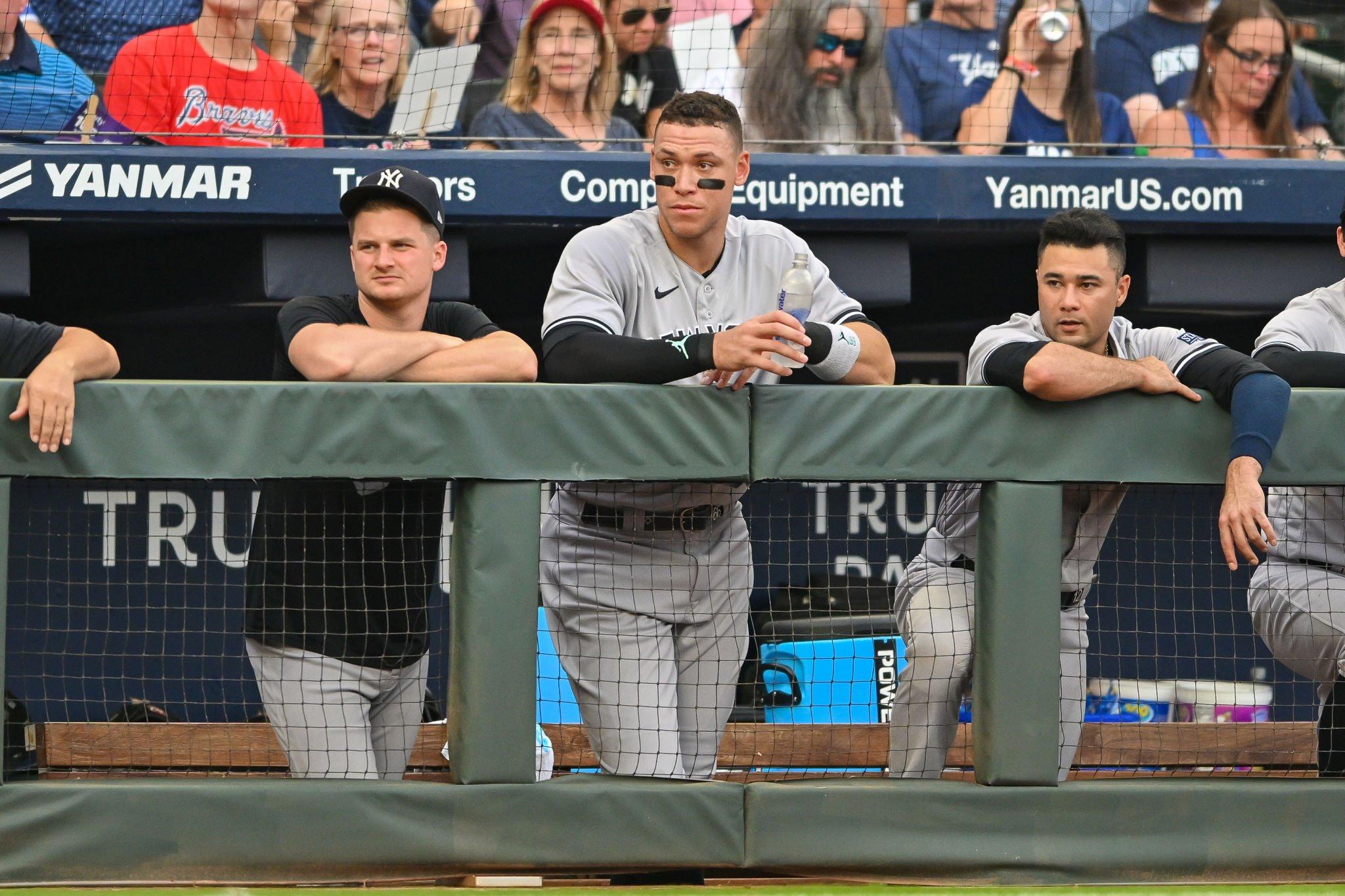
BALTIMORE — The Yankees had just put up six runs and silenced Camden Yards. Then they almost gave it all back.
It took less than half an inning. Two Yankees fielding blunders, a walk and a suddenly hostile crowd. What had been a comfortable 6-0 Yankees lead suddenly felt shaky. The Orioles had the bases loaded, nobody out and the kind of momentum that unravels rallies in a hurry.
Will Warren did not blink.
The right-hander stranded all three runners. He got out of the inning without surrendering a run. He went on to finish 5 2/3 innings of two-run ball, striking out six, and the Yankees walked away with a 6-2 victory. But for a few tense minutes in the bottom of the third, this game was a lot closer to messy than the final score suggests.
Yankees’ third-inning power surge sets the stage
The Yankees arrived at Camden Yards on Tuesday carrying four straight losses. A Yankees offense had gone quiet at precisely the wrong time. Then the third inning happened.
Paul Goldschmidt had already set the tone. He took Trevor Rogers’ first pitch of the game deep to left field for a 1-0 lead. It was his second leadoff homer in two games against left-handed starters on this road trip.
The real explosion came in the top of the third. Austin Wells started it with a single. Aaron Judge worked a walk. Ben Rice drew another. Bases loaded, one out.
Cody Bellinger kept the rally breathing. He beat out what looked like a double play, hustling down the line to beat the throw. It scored a run. The Yankees led 2-0. The inning stayed alive.
Amed Rosario followed with a chopper down the third-base line. Infield single. Another run. Three to nothing.
Then Trent Grisham stepped in. He turned on a Rogers fastball and crushed it to center field. Three-run homer. His sixth of the year. His second off a left-hander.
Just like that, the Yankees led 6-0. Six runs in one inning from an offense that had been held to two runs or fewer in three of the previous four games. It felt like a statement.
It nearly became a footnote.
Errors hand Orioles a lifeline they almost used
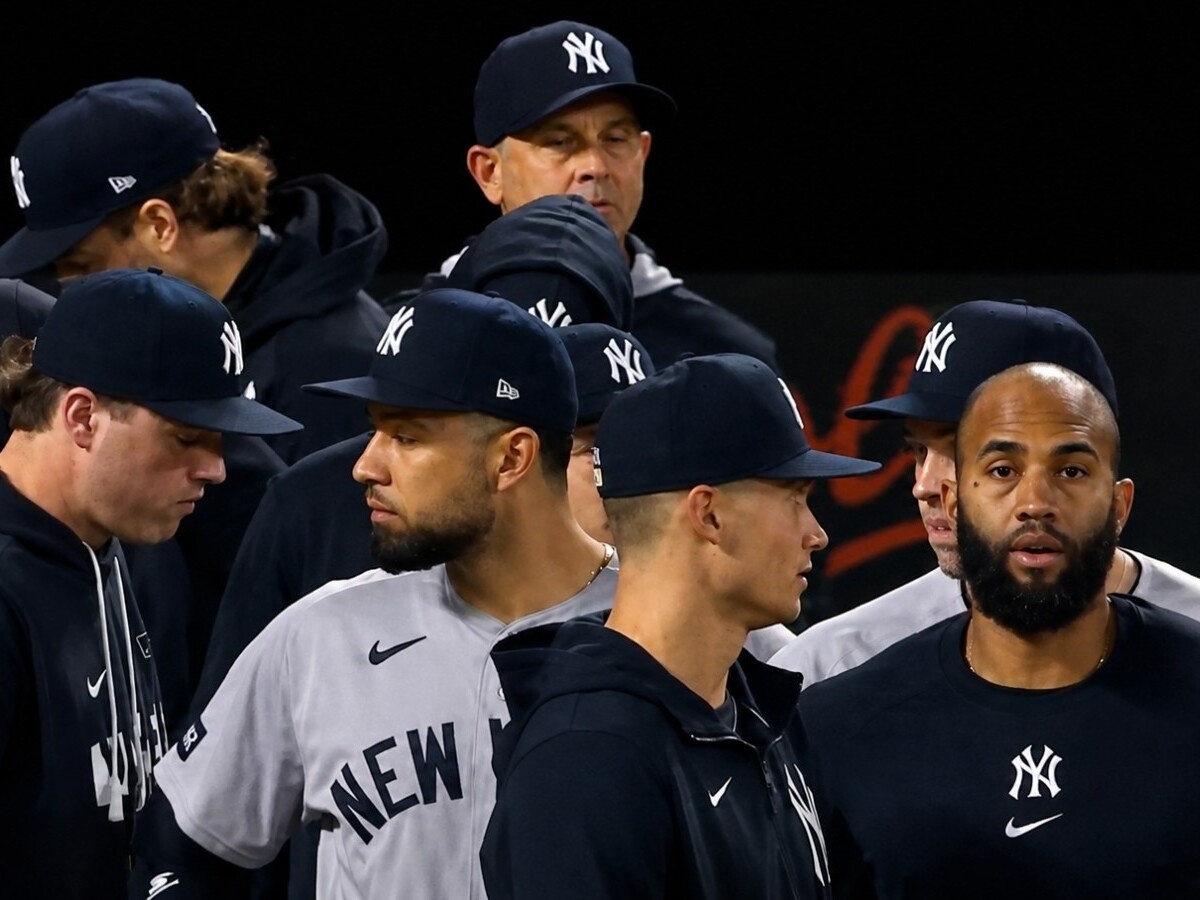
The Yankees came back out for the bottom of the third with a six-run cushion. They nearly let the Orioles use it against them.
It started with a walk. Then the infield fell apart.
Shortstop Max Schuemann attempted a flip on what should have been a routine play. The throw was wild. Runners moved up. One base became two.
Then third baseman Ryan McMahon made a sliding stop on a sharply hit ball. The play itself was athletic. The throw that followed was not. McMahon fired to first base. The ball sailed off the bag. Rosario, covering the base, could not haul it in.
Two Yankees mental errors. No outs. Bases loaded. A six-run lead that suddenly needed defending.
The Orioles had everything they needed for a big inning. A crowd that had gone quiet now had reason to get loud. Baltimore had three baserunners, momentum and a lineup capable of batting around.
The Yankees had handed their opponent a gift. The question was whether Warren would let Baltimore unwrap it.
Warren doesn’t blink, shuts the door
This was the moment. Bases loaded, no outs, the Orioles threatening to make a 6-0 game into something else entirely.
Warren looked in. He threw strikes.
The first batter hit a fly ball to right field. Deep enough to score a run in most situations. Not this one. Aaron Judge was in right field. Nobody runs on Judge. The Orioles held. No score.
The next batter grounded to second. Clean execution this time. Double play. Inning over.
Just like that, the threat was gone. Three runners left on base. The Yankees still led 6-0. The scoreboard had not changed. But the feeling on the field certainly had.
Warren was asked after the game about the mental approach required to pitch through errors behind him. He did not make excuses. He did not point fingers. He described it as part of the job.
“I think it’s a mentality thing,” Warren said. “I’m doing everything I can to throw strikes and stuff like that. You have to go in with the mindset that they’re going to make those plays. If they don’t, rarely, then you have to keep pitching and find a way out of it.”
What it means for the Yankees going forward
Warren’s escape act was the kind of moment that does not show up in a Yankees box score. It does not inflate an ERA or pad a strikeout total. But it changes games.
Had the Orioles scored four or five runs in that inning, the Yankees are suddenly in a tight game with a taxed bullpen and a crowd back in it. Instead, the Yankees ran out the rest of the game with their lead fully intact.
The mental errors from Schuemann and McMahon will not go unnoticed in the Yankees’ film room. Back-to-back breakdowns in the same at-bat sequence, handed to a lineup that had just gone quiet, is precisely the kind of self-inflicted damage that costs teams games.
Tuesday it did not cost them. Warren made sure of that.
Manager Aaron Boone acknowledged how decisive Bellinger’s hustle play had been on the offensive end. The defensive errors on the other side of the inning were the mirror image. One moment of execution saves an inning. One lapse nearly surrenders it.
The Yankees finished 6-2. They snapped a four-game losing streak. They did it despite handing the Orioles the kind of opening that teams at Camden Yards rarely waste.
Warren made sure that O’s didn’t get it for them.
What do you think? Leave your comment below.