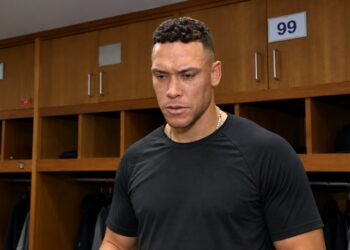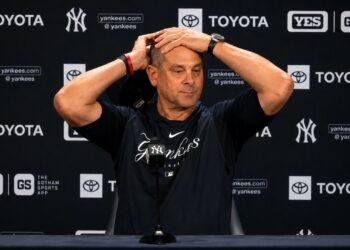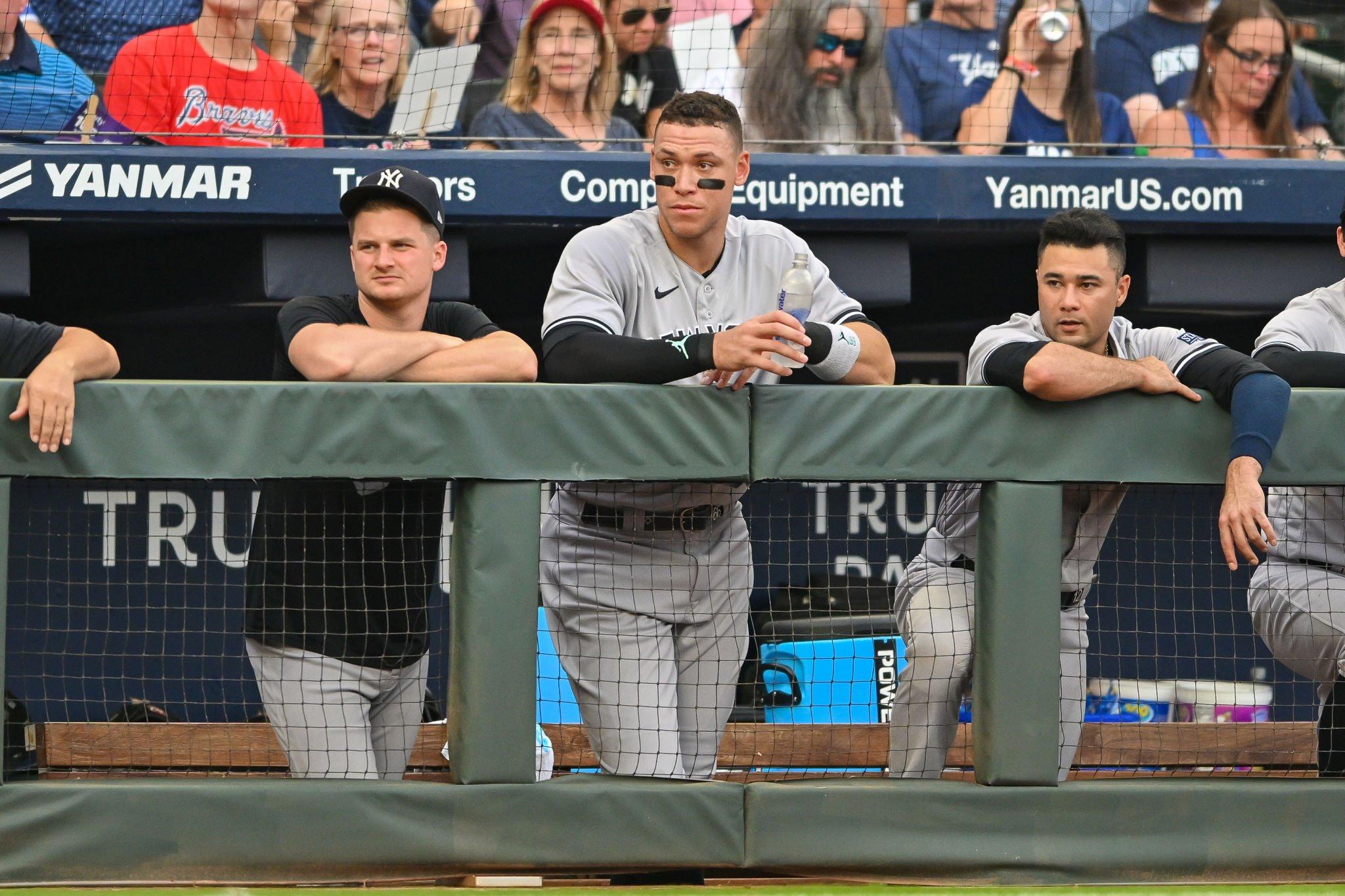
NEW YORK — Aaron Judge’s rib injury has pushed the New York Yankees into a louder trade cycle weeks before the deadline market usually forms.
The Yankees entered Tuesday at 43-27 and first in the American League East. They remain in control of their race. But Judge’s move to the 10-day injured list on June 5 changed the roster math.
Judge has a stress fracture of the first rib on his right side. The Yankees said he will be reimaged in four to six weeks, a window that brings his case close to the Aug. 3 trade deadline.
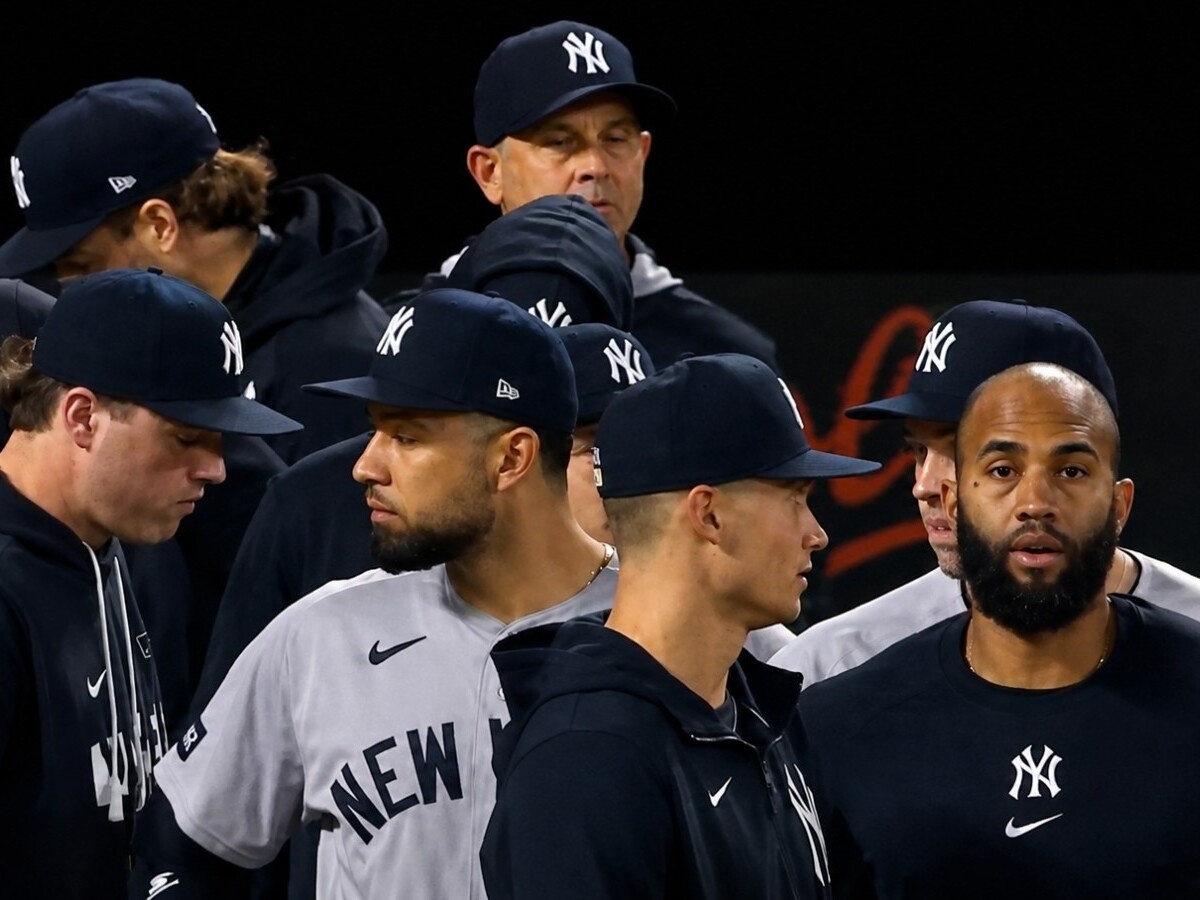
The Yankees recalled Spencer Jones from Triple-A Scranton/Wilkes-Barre after the diagnosis. Jose Caballero and Max Schuemann also spent time in right field, while Jasson Dominguez and Giancarlo Stanton remained part of the injury picture.
That has turned one injury into a wider question. The Yankees must protect a first-place club without making a panic move that damages their future.
Roster gaps sharpen while standings stay strong
The Yankees have not played like a club in free fall. Their recent push kept them atop the division and gave Aaron Boone room to trust his internal options.
Still, the deadline board has changed. The Yankees need bullpen help. They could use a catcher with more offensive lift. They may need another outfield bat if Judge’s next scan does not bring quick progress.
The Yankees also have to weigh the left side of the infield. Anthony Volpe’s place faces scrutiny following his dismal show. Evaluators will keep linking New York to shortstops and third basemen as long as the club sits in buy mode.
The 2026 trade deadline is set for Aug. 3 at 6 p.m. ET. That gives the Yankees time to wait. It also gives sellers time to raise the price.
Outfield market grows beyond one name
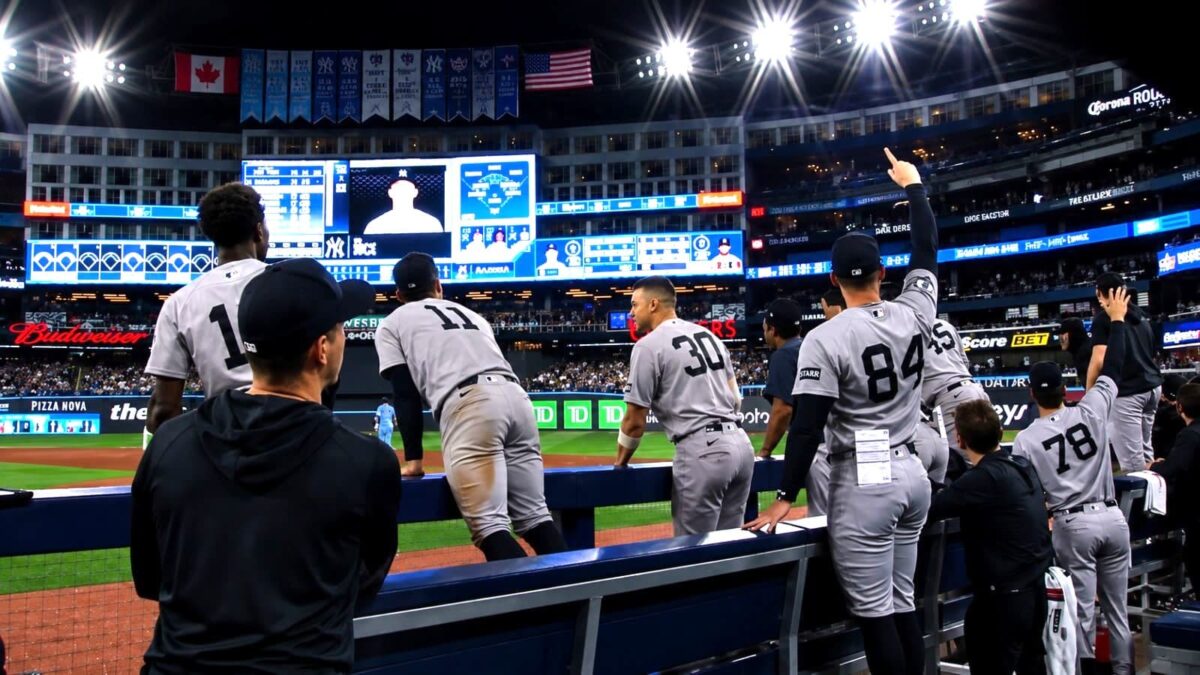
The first layer of trade talk has focused on outfielders. Judge’s injury hit right field and the middle of the order at the same time.
Byron Buxton has become one of the biggest names on the radar. His power, speed and center-field defense would change the Yankees at once. His contract and injury history make the fit bold rather than simple.
JJ Bleday looks like a cleaner fit in several projections. Sports Illustrated pushed him as a top target because he offers left-handed balance, on-base skill and outfield coverage. He would not carry the same star cost as Buxton or Mike Trout.
Bleday also fits the Yankees’ roster logic. He can help now without blocking Judge once the captain returns. He gives Boone another everyday option if New York wants to protect Jones from being overexposed.
Seiya Suzuki has also moved into the discussion. The Cubs outfielder is on an $85 million contract and can become a free agent after the season. That makes him a possible rental if Chicago moves closer to seller status.
Sports Illustrated’s Patrick McAvoy framed Suzuki as a direct fit after Judge’s injury because the Yankees could use another star bat.
“The Yankees just lost Aaron Judge and it’s unclear when he will be back. With New York, it’s a simpler fit. With Judge out, the Yankees could use another star and Suzuki would easily fill that role,” McAvoy wrote.
Other names linked included Taylor Ward, Mickey Moniak and Jo Adell. Ward brings power and more track record. Moniak gives athletic coverage and a lighter cost. Adell adds upside but comes with swing-and-miss risk.
Mike Trout remains the fantasy swing. His name draws attention because of the Yankees’ need and his star history. The baseball fit still looks unlikely because of no-trade control, salary and health.
Catcher market becomes more than depth
The Yankees’ catcher need has also grown louder. Austin Wells’ injury and streaky offense have kept the position in deadline chatter.
Ryan Jeffers and Adley Rutschman have been mentioned in broader catcher speculation. Rutschman would represent the biggest swing, but Baltimore’s price would likely be extreme if it ever listened. Jeffers looks more realistic if Minnesota sells.
Hunter Goodman has emerged as a different kind of name. He brings power and positional flexibility, and his bat would address a clear Yankees weakness.
Jon Heyman floated Goodman as a low-probability target, making clear that the idea sits on the edge of the market.
“I think this is a long shot, but I’ll throw it out there,” Heyman said.
Goodman’s appeal is easy to see. The Yankees can live with defense-first catching when the lineup is whole. With Judge out, every quiet lineup spot feels heavier.
Infield board carries star power
The infield rumors have brought the biggest names. Alex Rodriguez used a national TV appearance to point the Yankees toward Astros shortstop Jeremy Pena.
Pena plays a premium position. He owns postseason credibility. He also gives the Yankees more athleticism and contact in a lineup that can become too power dependent.
Rodriguez praised the fit while pointing to Pena’s championship background.
“I like a guy like Jeremy Pena,” Rodriguez said.
He then tied Pena’s style to what New York needs with Judge sidelined.
“That’s exactly what I think I would do if I was the Yankees,” Rodriguez said.
The hard part is Houston. The Astros have not signaled that Pena is available. He has control beyond this season, and any Yankees offer would have to start with premium young talent.
George Lombard Jr. also matters. The Yankees view him as a major piece of their future. Trading from that area for Pena would create a win-now boost but reopen a long-term shortstop question.
Isaac Paredes sits in a more traditional deadline lane. He would address third base and bring right-handed power. His ability to handle multiple infield spots gives the Yankees a cleaner roster fit than a pure corner bat.
Austin Riley and Manny Machado have also appeared in speculative trade pieces. Both would carry star impact. Both would also bring major salary and major trade cost, which places them in the long-shot category for now.
Pitching splash sits behind bat hunt
The Yankees’ deadline may still come down to pitching. The bullpen remains the most obvious place to add. Contenders can never have enough late-inning arms, and October often punishes shallow relief groups.
Tarik Skubal has been tied to the Yankees as the most aggressive pitching idea. That would not replace Judge’s bat. It would attack the problem from the other side by making the run prevention unit even stronger.
The issue is price. Skubal would cost a major package if Detroit ever made him available. The Yankees have prospects to make calls, but they also need to avoid emptying the system for a deal that may never become realistic.
ESPN’s Bradford Doolittle described the Yankees’ possible deadline path as a mix of October needs rather than one Judge replacement.
“If they do (make trades), then it’s still about October, and for that part of the calendar, they might look at adding another righty bat, perhaps a third baseman and, certainly, some bullpen help,” Doolittle wrote.
That line matches the current board. The Yankees can shop in several lanes at once. They do not have to choose only between a bat and a reliever.
Prices decide how far Yankees go
The Yankees have the record to buy. They also have the pressure to buy because Judge’s absence changed the risk level around the roster.
Every name carries a different price. Buxton and Trout bring star appeal but health and contract questions. Bleday, Ward, Moniak and Adell offer outfield depth at different costs. Suzuki fits as a rental bat if the Cubs sell. Goodman, Jeffers and Rutschman keep the catcher lane alive. Pena, Paredes, Riley and Machado stretch the infield board. Skubal would turn the deadline into a pitching blockbuster.
The Yankees‘ best path may depend on Judge’s next scan, Stanton’s rehab, Wells’ return and the number of teams willing to sell before Aug. 3.
For now, the Yankees are winning. Their trade radar is still expanding.
What do you think? Leave your comment below.