NEW YORK — The Yankees have spent another October examining the same uncomfortable divide: a regular-season contender that could not produce enough offense when the stakes were highest. After 17 seasons without a World Series championship, the organizational response is drawing as much scrutiny as the results themselves.
New York won 93 games in 2026 and dispatched Boston in two Wild Card Series games. The Yankees then ran into Tampa Bay, which held their lineup to five runs and 12 hits in a three-game AL Division Series sweep. A lineup that scored 18 runs against the Red Sox went almost silent against the Rays.
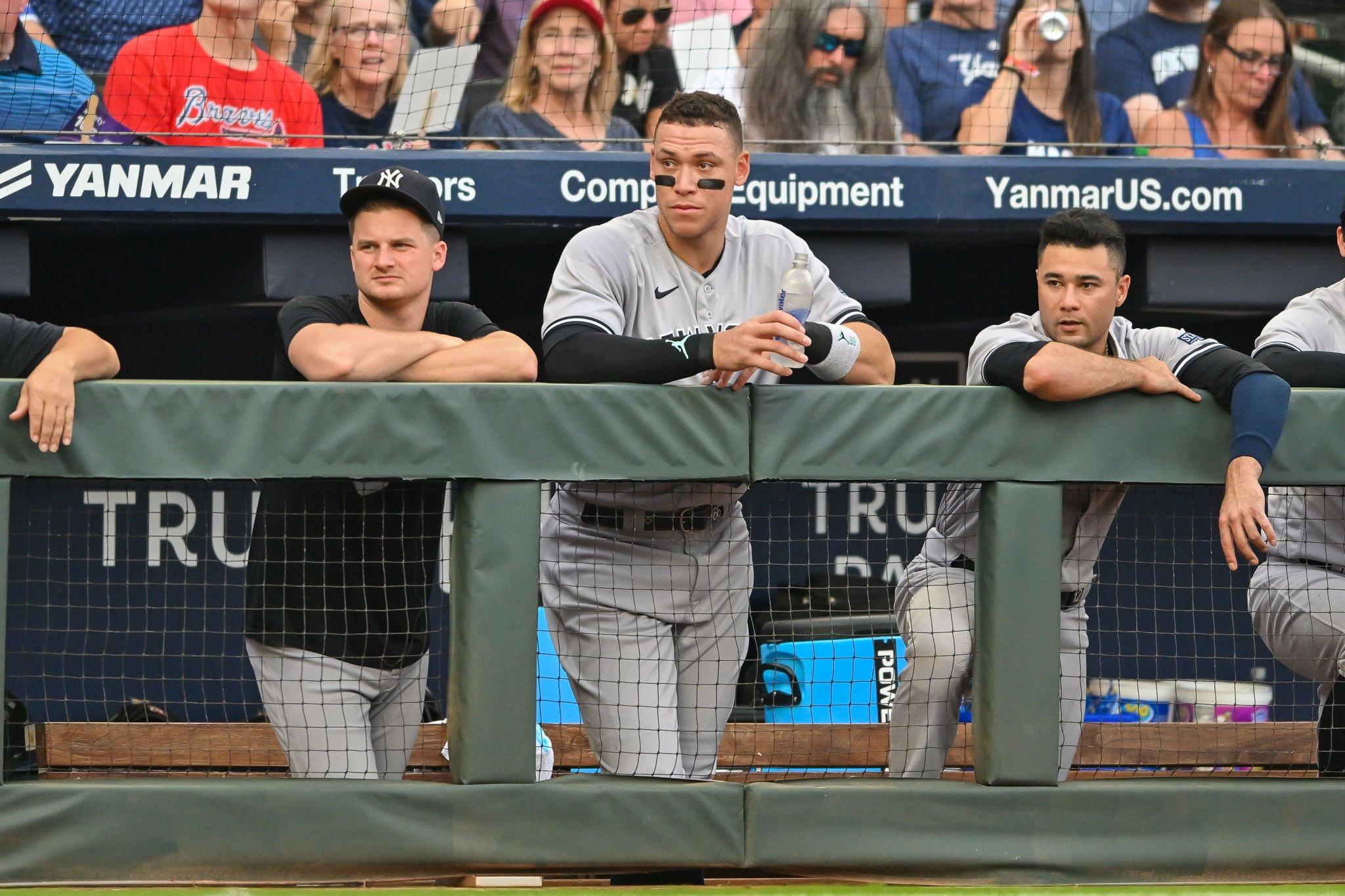
The collapse revived questions about a roster dependent on home runs, its ability to make contact and the impact of lengthy injuries to Aaron Judge and Giancarlo Stanton. It also forced an examination of why the Yankees’ production fell from their 2025 level despite an expensive roster and several young hitters reaching the majors.
For ownership, another disappointing finish has produced an unusually clear division between the people being protected and those whose jobs may be reconsidered. That division now reaches directly into the department responsible for preparing Yankees hitters.
Steinbrenner puts hitting staff under review
Hitting coach James Rowson and assistants Casey Dykes and Jake Hirst face scrutiny after Hal Steinbrenner singled out the offense for examination during his Oct. 21 year-end briefing. Rowson has overseen Yankees hitting for three seasons, while Dykes remained on the staff and Hirst joined the major league group for 2026.
Steinbrenner’s review is broad enough to include the coaches and the team’s offensive philosophy. His concern extends beyond one poor division series and reflects a second straight October ending short of a championship.
The owner explained where he would focus the organization’s review after the Yankees’ early exit.
“I’m going to look at all the coaching, like I do every year, and yes, I’m definitely focused on the offense and on the hitting,” Steinbrenner said.
He also said the problems were not confined to a single season, despite New York leading the majors in runs in 2025. The Yankees’ season-to-season slide makes the question of coaching responsibility particularly contentious.
Numbers reveal both regression and a larger problem
The Yankees scored 739 runs in 2026, down 110 from 849 in 2025. Their batting average fell from .251 to .235, while their home run total dropped from 274 to 223. That represents a 12.96% reduction in runs and an 18.61% reduction in home runs, calculated from the two seasons’ totals.
Those numbers also show why replacing one instructor would not address every issue. The Yankees ranked near the top of MLB in homers during 2026, but finished among the bottom five clubs in batting average and among the teams striking out most frequently. Their approach could generate damage without supplying enough consistent contact.
The pitching staff survived turnover and injuries well enough to keep New York in the postseason race. The lineup, however, struggled to replace the production lost during Judge’s and Stanton’s extended absences. Ben Rice was among the few hitters whose performance offered the Yankees an encouraging development.
One important context is Rowson’s absence from much of the postseason while attending to a family medical emergency. The offensive performance and the organization’s longer-term hitting program remain separate questions in assessing his work.
Boone’s support exposes the accountability split
Aaron Boone, whose own job was discussed by Yankees officials before the club decided to retain him for 2027, has defended Rowson’s leadership. Brian Cashman also is returning, leaving potential coaching changes as a more immediate route for the organization to respond to another postseason failure.
Boone praised the environment Rowson has built, even while acknowledging that several hitters fell short of expectations.
“I think James leads a great hitting group,” Boone said. “I’ve been really impressed with the culture that he’s created year in and year out over the last few seasons.”
Rowson’s ties to Aaron Judge could also matter in the staff evaluation. The two have known each other since Rowson worked in the Yankees’ minor league system, and Judge previously supported his appointment. Steinbrenner said he discussed several matters with the captain during the week.
The contrast is difficult to miss: Boone retains ownership’s confidence after the playoff defeat, while a coach whose group previously helped power strong offenses must now answer for the unit’s latest decline. Whether that constitutes accountability or makes Rowson a convenient scapegoat will depend on the scope of the Yankees’ changes.
A coaching decision could become first test of change
Rowson’s staff is not the Yankees‘ only area of concern. Jazz Chisholm Jr. and Trent Grisham are entering free agency, while third base and bench construction remain issues. A different collection of hitters would place new demands on whoever leads the club’s offensive program.
Steinbrenner has indicated that the Yankees will examine coaching and hitting philosophy, while Boone has continued to support the preparation system in place. The team now must decide whether its disappointing results call for new instruction, new personnel or both.
With Boone set for the final year of his contract and Cashman retained, the review of Rowson, Dykes and Hirst has become an early measure of how far the Yankees are prepared to go after another October exit.
What do you think? Leave your comment below.