NEW YORK — For weeks, one name kept surfacing whenever the Yankees and the trade deadline came up in the same breath. It was not a starter. It was not a closer. It was a catcher.
The Yankees have spent the season searching for more production behind the plate. The market offered a clean fix, a proven bat at a thin position, exactly the kind of upgrade a contender chases in late July. The fit looked obvious.
Then the seller stopped acting like one. A team many assumed would trade its veteran catcher has decided it likes its own October chances, and that shift has scrambled New York’s plans with the clock running down.
The deadline is Aug. 3. That leaves the Yankees only days to pivot, and the position they most wanted to solve now looks harder to fix than it did a week ago.
The Twins signal they intend to buy, not sell
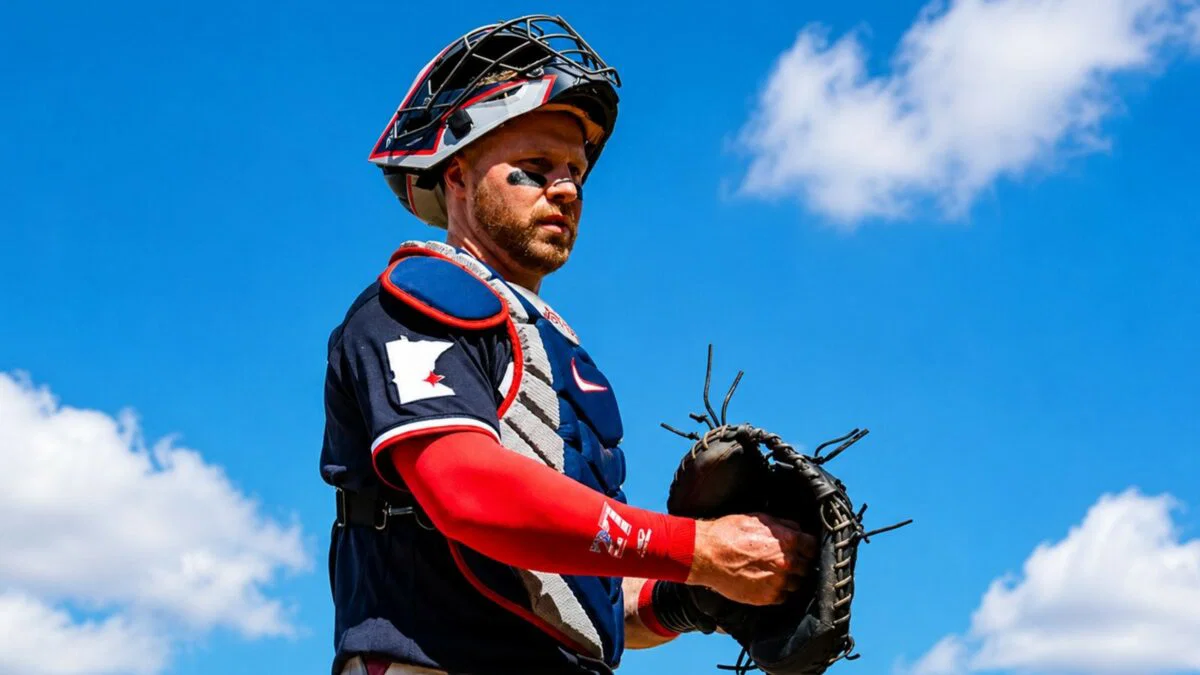
The target was Ryan Jeffers, the Minnesota Twins catcher who has long fit what the Yankees need. The complication is Minnesota’s own standing. The Twins sit about 2 1/2 games out of a playoff spot, close enough to talk themselves into a push rather than a sell-off.
Twins general manager Jeremy Zoll indicated Minnesota plans to operate as a buyer this deadline, a stance that would keep Jeffers off the market. For a Yankees front office that had circled him, that is the worst kind of update, the sort that arrives late and closes an avenue rather than opening one.
There is a contract wrinkle that made Jeffers appealing in the first place. He is an impending free agent after the 2026 season, which normally nudges a fringe contender toward cashing in. A rental at a premium position is the classic deadline chip. Minnesota, so far, is not treating him that way.
That reasoning is what stings for New York. A seller with a walk-year player usually moves him. A team that suddenly believes it can reach the postseason does not. The Twins appear to be leaning toward the second path.
An insider spells out Minnesota’s thinking
The clearest read on the situation came from a national baseball writer who covers the deadline market. He framed the core question directly, weighing whether a team hovering near a playoff berth would part with a productive player entering free agency.
“The question is will the Twins, just 2½ games out of a playoff spot, unload the impending free agent at his peak value? It doesn’t sound like it. A source recently told ESPN that owner Tom Pohlad intends to keep the team together,” Castillo wrote.
The mention of ownership matters. When a directive to hold comes from the top, it removes the kind of flexibility a rival trade partner needs. It is one thing for a front office to set a high price. It is another for an owner to signal there is no deal for the Yankees to make.
Jeffers would have checked several boxes for the Yankees. He has hit well this season, carrying an average near .295 with a strong OPS before a recent stint on the injured list, and his right-handed bat profiles cleanly at a position where New York has struggled to get consistent offense.
Where the Yankees turn next behind the plate
With Jeffers trending toward staying put, the Yankees are expected to shift toward other catching options, most likely depth pieces rather than a single marquee name. The board is thinner than it looked, but it is not empty.
One name drawing interest is Hunter Goodman of the Colorado Rockies. Goodman is in the middle of a breakout year, hitting .260 with 31 home runs and 60 RBIs and an .888 OPS. He is controllable through 2029, which makes him a longer-term investment than a rental and, in turn, a costlier one in prospects.
Other catchers could surface as well. Tyler Stephenson of the Cincinnati Reds and Adley Rutschman of the Baltimore Orioles have been floated as names to watch, though an in-division deal for Rutschman would be a long shot, since teams rarely hand a star to a direct rival.
The broader stakes explain the urgency. The Yankees remain in a tight AL East race and have leaned on pitching and defense to stay afloat while the lineup works through injuries. A catcher who can hit would raise the floor of an offense that has gone quiet for stretches.
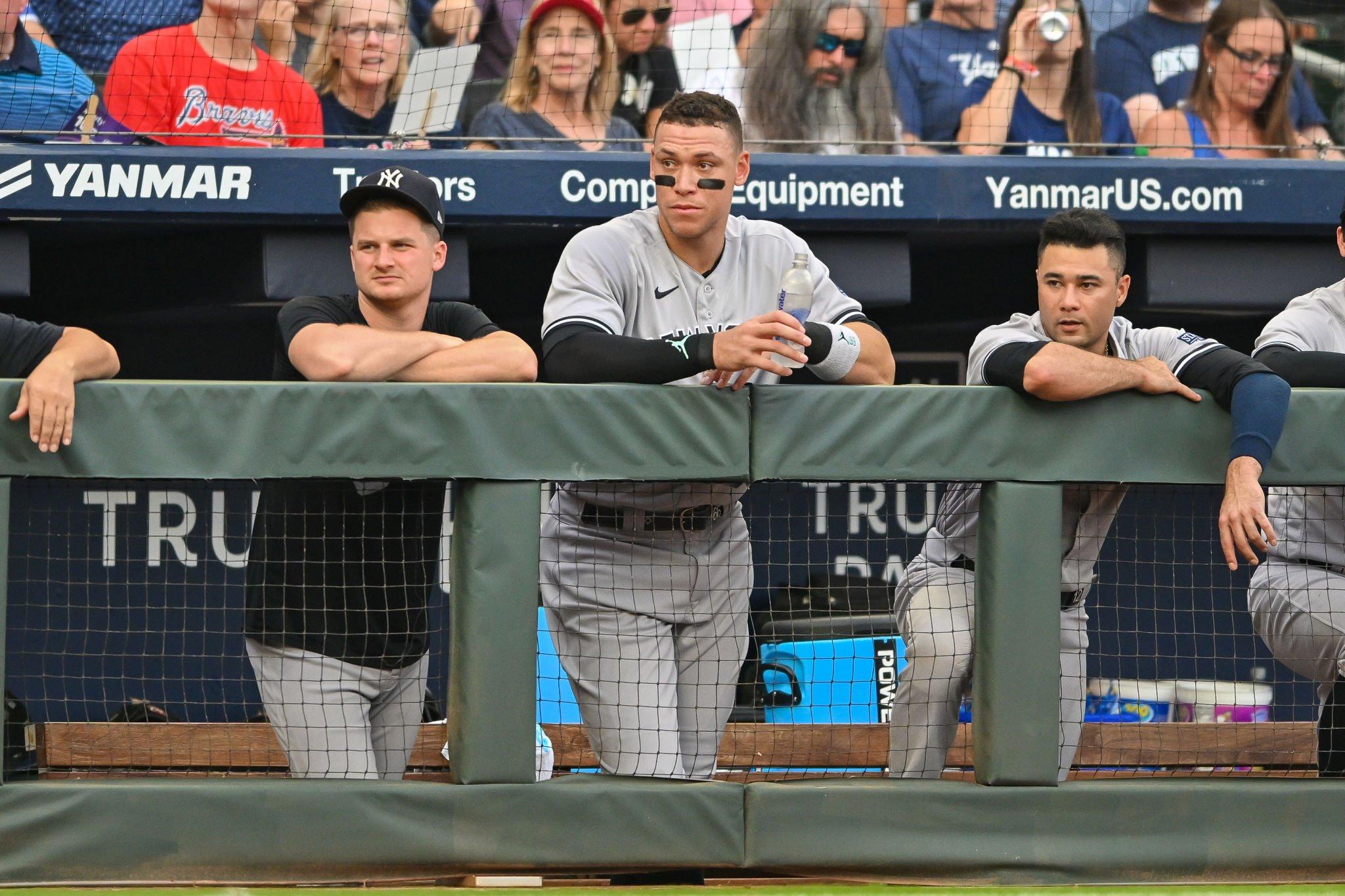
There is also a longer clock in the room. With the back end of Aaron Judge’s prime in view, the Yankees have reason to push now rather than wait. That is why the Jeffers situation lands as more than a single missed target. It narrows the paths to a roster the front office believes can win in October.
For now, the picture is unsettled. The Twins have not completed any deal, and a change in their fortunes over the final days before the deadline could still alter the math. But the signal out of Minnesota has pointed one way, and it is not the direction New York hoped to hear.
What do you think? Leave your comment below.