NEW YORK — The Yankees entered October with a familiar promise and left with another familiar problem. Their regular-season success counted for little once their offense disappeared against an American League East rival.
New York followed a two-game Wild Card Series sweep of Boston, in which it scored 18 runs, with a three-game AL Division Series sweep at the hands of Tampa Bay. The Yankees scored five times against the Rays and never led in the series.
The contrast sharpened the questions facing the franchise after its 17th consecutive season without a World Series championship. New York won 93 games, yet its elimination again prompted scrutiny of how the roster was built, how the team was managed and who would answer for the result.
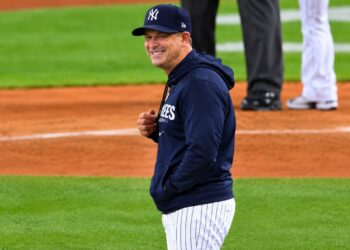
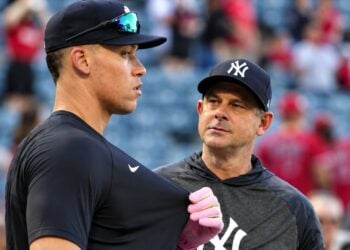
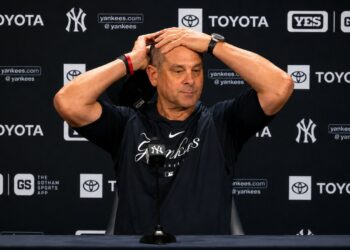
The Yankees have reached one World Series during Aaron Boone’s nine seasons as manager. Brian Cashman, meanwhile, has overseen the front office since 1998. Both occupy central positions in a club whose October results have repeatedly fallen short of its regular-season record.
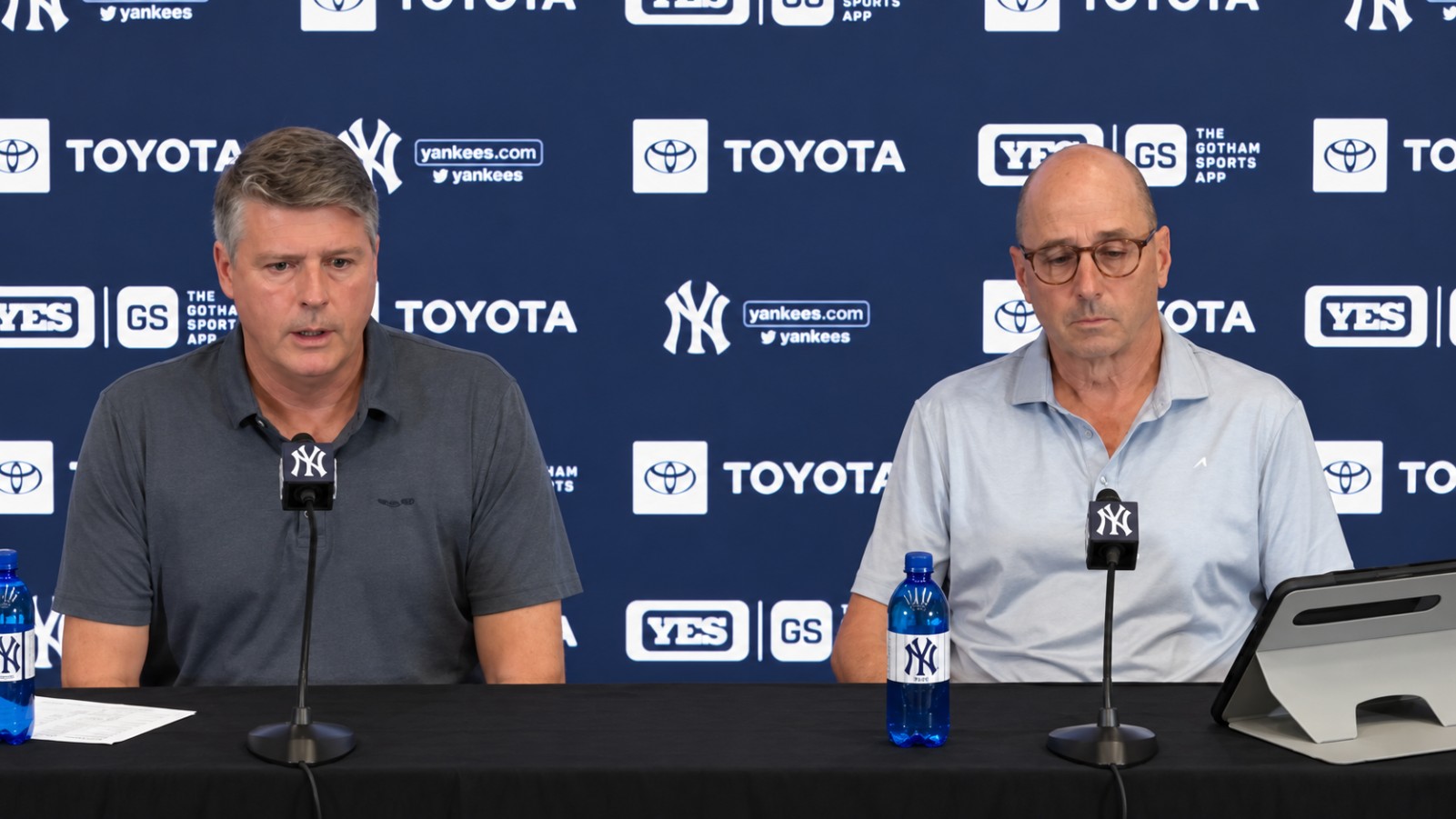
When the Yankees’ leadership addressed reporters Wednesday, Oct. 21, the owner drew a clear line between the people responsible for assembling and managing the roster and the players who took the field. It left a pointed accountability question heading into the offseason.
Steinbrenner assigns responsibility to the lineup
Hal Steinbrenner defended both Boone and Cashman during the organization’s year-end Zoom news conference, arguing that the offense, rather than the manager or general manager, bore primary responsibility for the exit.
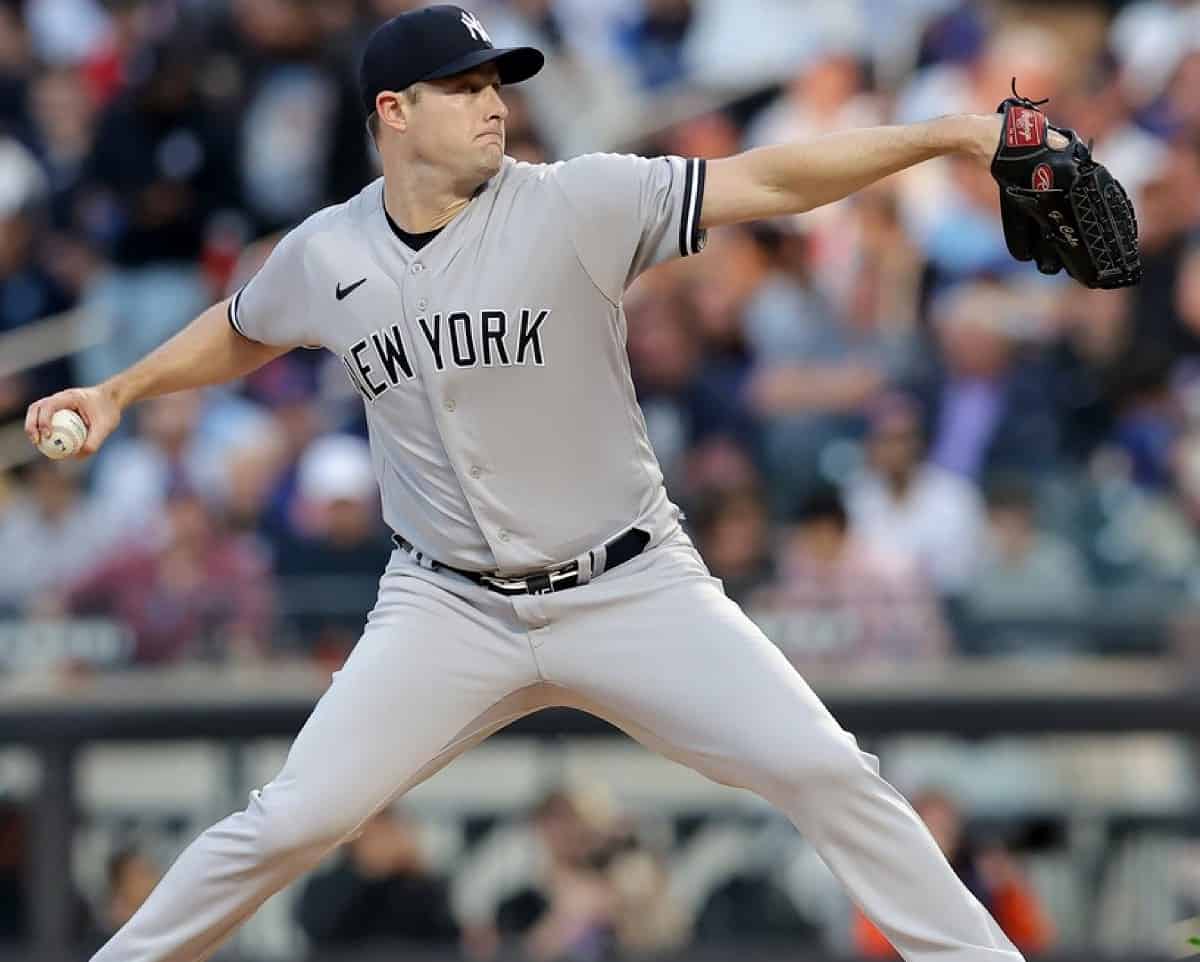
Steinbrenner specifically praised Boone’s handling of a pitching staff disrupted by changes in the rotation and strain on the bullpen. His assessment of the position players was far less forgiving.
“The bottom line is the players didn’t live up to their end of the bargain in the playoffs,” Steinbrenner said.
The owner returned to that distinction while discussing the season’s inconsistent run production. His assessment did not amount to an allegation about clubhouse effort or preparation. It was a criticism of performance, particularly at the plate.
“The majority of the responsibility lies with the position players and (our) inability to score on a consistent basis,” Steinbrenner said.
The Yankees ranked second in the majors with 223 home runs during the regular season, but hit .235 with a .311 on-base percentage. Those contrasting figures support Steinbrenner’s concern about an offense that could produce power without consistently putting runners aboard.
A historically weak series exposes the divide
The Yankees went 12-for-92 against Tampa Bay, struck out 31 times and produced a .130 batting average, .192 on-base percentage and .239 slugging percentage. According to baseball researcher Katie Sharp, the resulting .431 OPS was the franchise’s lowest in a postseason series lasting multiple games.
That provides a concrete basis for Steinbrenner’s criticism. But it also leaves a second issue unresolved: Who should answer for the composition of a lineup that performed so poorly in the most important games?
The Yankees entered the postseason with a veteran-heavy payroll and lineup questions that extended beyond any one player. Their failure against Tampa Bay cannot be reduced to a single in-game decision, but neither can roster construction be entirely separated from the final result.
Cashman defended the club’s preparation when asked whether its recurring inconsistency reflected a personnel or clubhouse problem. He said the Yankees had performed exceptionally against Boston before failing to reproduce that form in the division series.
“Our players are prepared, they are wired the right way and they care,” Cashman said.
His response placed the emphasis on execution rather than a lack of professional commitment. Steinbrenner’s assessment, however, made clear that the team’s hitters will face particularly close examination this winter.
The accountability gap extends beyond one October
A comparison of the Yankees’ two postseason matchups highlights the scale of the swing. New York averaged nine runs per game against Boston and fewer than two against Tampa Bay. That is a decline of more than seven runs per game over consecutive playoff rounds, even allowing for the small samples and different pitching opponents.
The change was decisive because the Yankees’ pitching staff left little margin for a lineup that went silent. Steinbrenner credited Boone for navigating injuries and workload complications, but there was no comparable public endorsement of the offense’s performance.
The franchise’s leadership is nevertheless remaining in place. Cashman said his new agreement is essentially completed, with only minor details outstanding. Boone is set to return for his 10th season and is entering the last year of his existing contract.
That arrangement creates an unusually visible split in the Yankees’ accountability structure: continuity for the general manager and manager, with potential changes concentrated on the roster and hitting operation. It is an inference from the decisions announced, not evidence that the Yankees have finalized any particular player move.
The next decisions will test the owner’s message
Steinbrenner said the Yankees would examine the offense and hitting operation, but decisions about the coaching staff had not been completed. Boone, for his part, said he was comfortable managing in 2027 without an extension in place.
The Yankees must also decide how to address an offense that excelled in home runs but ranked near the bottom of the majors in batting average and on-base percentage. Those changes will be made under the same owner, general manager and manager who entered the October review.
Steinbrenner’s comments established where he believes the greatest responsibility lies. The offseason will reveal whether that assessment leads primarily to changes among players and hitting personnel, or to a broader reconsideration of how the Yankees build their postseason lineup.
What do you think? Leave your comment below.