BALTIMORE — The Yankees spent Wednesday night surviving a game built on small decisions. They pushed runners, trusted instincts and kept taking chances until George Lombard Jr. beat out an eighth-inning infield single that finally sealed a 5-3 win at Camden Yards.
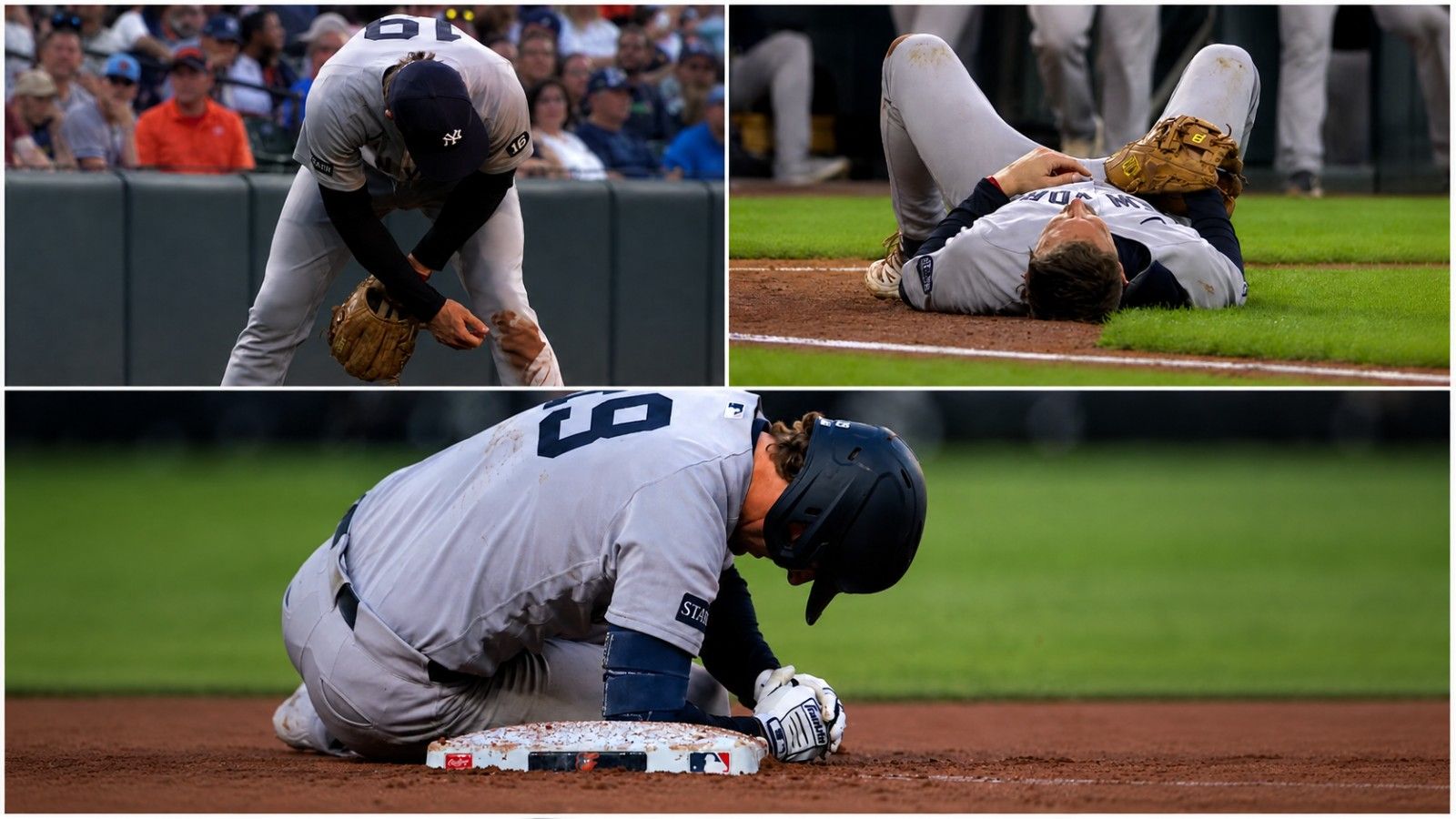
Ryan McMahon was in the middle of that style much earlier. With New York trailing 1-0 in the second, the third baseman lined a single to right that scored Jazz Chisholm Jr. and tied the game. McMahon saw an opening and kept going, trying to turn the hit into two bases.
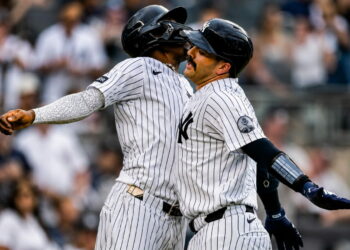
The extra push failed. McMahon was tagged out at second after the tying run had already crossed. Lombard later added another run-scoring hit in the inning, and Ben Rice‘s 34th homer in the third pushed the Yankees ahead 3-1 before Baltimore fought back.
The Orioles tied it in the sixth. In the eighth, José Caballero was hit by a pitch with two outs to load the bases, Lombard produced the go-ahead infield single and Chisholm scored on a wild pitch. Brent Headrick earned the win, Cam Sanders took the loss and David Bednar recorded his 29th save as the Yankees improved to 71-55 with their third straight victory.
The baserunning choice fit a larger pattern. McMahon had already been thrown out while trying to take an extra base in another run-producing play against Seattle on Aug. 12, and Wednesday marked the third recent time he had been erased on the bases. The Yankees have encouraged aggressive reads, but the difference between pressure and overreach can become obvious only after the play is over.
For a Yankees club that has repeatedly tried to manufacture offense while key bats remain unavailable, that willingness to chase another 27 metres has often been treated as part of the solution rather than a problem.
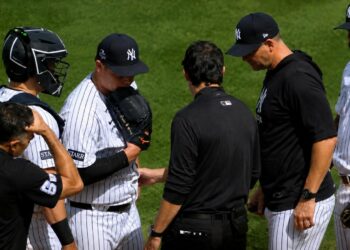
The cost of this one surfaced as the game progressed. McMahon jammed his left thumb into second base on the slide. He stayed in defensively and took more at-bats, but swelling and stiffness increased until he could no longer grip the bat well enough for Aaron Boone to leave him in a tie game.
The tying hit came with an unwanted price
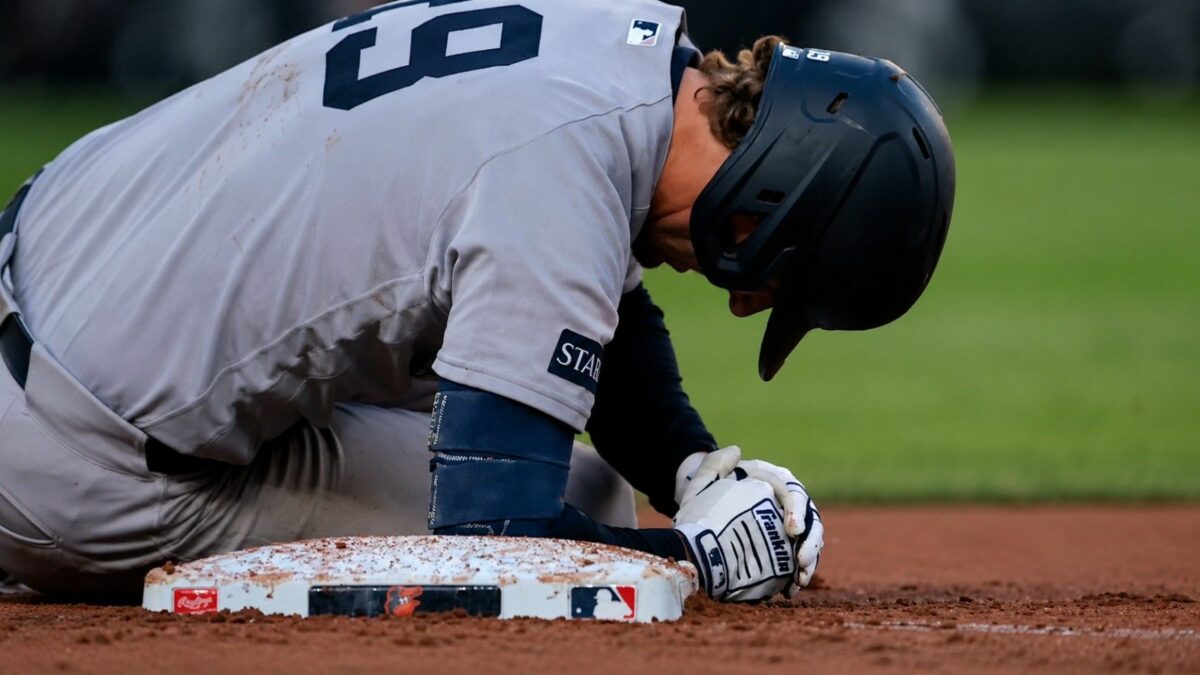
McMahon finished 1-for-3 before Boone sent Jose Caballero to hit for him in the eighth with two runners aboard. The move stood out because Baltimore had a right-hander on the mound, but Boone said McMahon’s grip had deteriorated enough to make the choice automatic.
“After his next at-bat, it felt like in a tie game he wasn’t gripping the bat great,” Boone said. “So I was going to do it no matter what.”
McMahon underwent X-rays and treatment after the game. He said the initial results were encouraging and did not show obvious damage, though the Yankees planned more evaluation Thursday before determining whether he could play in the series finale.
The 31-year-old described the thumb as increasingly difficult to move.
“I jammed it in there pretty good,” McMahon said. “As the game went on, I wasn’t able to bend it much.”
McMahon also called the initial results “pretty positive.” He hoped to play Thursday, but said that would depend on how the thumb responded overnight.
McMahon’s extra-base push produced a stark seven-day split
A review of McMahon’s two recent run-scoring plays shows a striking return on the aggression after contact: two RBIs, zero extra bases gained, two outs recorded against him and one injury in a seven-day span.
On Aug. 12 against Seattle, McMahon doubled home Jazz Chisholm Jr. and then was thrown out trying to advance to third. The run counted, but the Yankees gained no additional base from the attempt.
Seven days later in Baltimore, McMahon singled home Chisholm with the tying run and tried to stretch the hit into a double. Again, the run counted and the extra-base attempt produced an out. This time, McMahon also jammed his left thumb into the bag.
Taken together, the Yankees received the value they needed from both swings before McMahon tried to advance. The two follow-up decisions added zero bases, ended two plays with outs and, on Wednesday, removed McMahon from the lineup later in the game.
The sequence does not prove the aggression was automatically wrong, but it puts a measurable cost on the risk. Wednesday also marked McMahon’s third recent baserunning out, according to the game information supplied after the injury, making the pattern relevant as Boone decides how much freedom to give runners in close games.
McMahon had started making modest numbers matter
The timing also interrupts a useful stretch for a player whose overall 2026 line remains modest. McMahon is hitting .215 with 10 home runs, 30 RBIs and a .654 OPS through Wednesday.
His production has carried more value than those season numbers suggest. His two-run single in the seventh on Aug. 11 erased a 1-0 deficit against Seattle and gave the Yankees a lead they kept. He drove in another run the next night, then supplied Wednesday’s tying RBI in Baltimore.
Those moments have mattered while Aaron Judge, Cody Bellinger and Giancarlo Stanton remain unavailable. McMahon has not needed to become a lineup star. Timely contact and steady defense at third have given Boone continuity while the Yankees roster keeps shifting.
A short absence would force another adjustment. Caballero can handle third, while Chisholm and Lombard give Boone additional infield options. But the Yankees had only recently begun to settle into a workable alignment.
Yankees wait for follow-up
The early medical news kept the situation from immediately looking severe. McMahon remained in the game for several innings after the slide, and the initial X-rays were encouraging.
Still, Boone’s decision to remove him showed why the follow-up matters. A player who can field but cannot grip a bat properly is not healthy enough to help in a close game.
The Yankees entered Thursday with a chance to sweep Baltimore and McMahon’s availability unresolved. Swelling, range of motion and additional testing will determine whether the aggressive second-inning push costs him only part of one game or more.
What do you think? Leave your comment below.