NEW YORK — LSU gymnast and social media sensation Livvy Dunne recently revealed she was denied the chance to purchase an iconic slice of baseball history: the former Manhattan apartment of New York Yankees legend Babe Ruth.
The property, listed at $1.59 million, is located inside the famed Upper West Side building known as The Ruth — a 1920s-era co-op where the Sultan of Swat once lived. But despite Dunne’s growing fame, millions in endorsements, and a heartfelt interest in Yankee lore, her bid didn’t clear the co-op board.
“I tried to buy Babe Ruth’s old apartment in New York. I got denied,” Dunne said on the Full Send Podcast, surprising hosts and listeners alike. “The board didn’t want me to buy it.”
The unexpected rejection has fueled online buzz and stirred debate around celebrity, legacy, and the gatekeeping of New York real estate — especially properties tied to iconic figures like Ruth.
A baseball shrine graced by Babe Ruth
Located at 345 West 88th Street, Babe Ruth’s former residence is a 2-bedroom, 2-bathroom unit inside a stately prewar co-op building. The unit went on the market earlier this year and immediately gained attention, not just for its location but for its historical weight.
Ruth reportedly lived there during his heyday with the Yankees in the 1920s, when he redefined the sport and helped establish the Bronx Bombers as America’s team. Though the listing doesn’t mention him by name due to strict fair housing rules, the building has long been a landmark among baseball aficionados.
According to the New York Post, the apartment features original moldings, oak floors, and a layout nearly untouched since Ruth’s era. The board’s decision not to approve Dunne’s application raised eyebrows — especially among younger Yankees fans who view her as part of the sport’s evolving media ecosystem.
Why the rejection?

While no official reason has been cited by the co-op board, real estate experts familiar with New York’s luxury co-op scene say this isn’t entirely surprising.
“Co-op boards in historic buildings often have strict, and frankly outdated, standards for what they consider acceptable buyers,” said Manhattan real estate analyst Daryl Chen. “Celebrity status, social media presence — that can sometimes work against you, even if the buyer has the funds.”
Co-ops differ from condos in that buyers must be approved by a resident board and often submit personal financial disclosures, reference letters, and undergo interviews. It’s not uncommon for co-ops to turn away public figures over fears of media attention or short-term residency.
In Dunne’s case, the board may have been concerned about publicity, filming, or foot traffic — even though she made no indication she intended to use the property for anything other than personal residence.
“It’s disappointing,” Chen added. “Here’s a young person interested in preserving a part of Yankees history, and she gets denied over optics.”
Livvy Dunne and baseball’s modern face
Dunne, 21, has become one of the most visible college athletes in America. With over 5 million Instagram followers and lucrative NIL deals with brands like Vuori and American Eagle, she is credited with expanding the reach of NCAA gymnastics and influencing how young fans engage with sports stars.
She also happens to be dating No. 1 overall MLB draft pick Paul Skenes — the LSU pitcher and Pirates prospect who regularly tops Yankees trade speculation lists. Her growing connection to baseball adds another layer to the story.
“I’m a huge Yankees fan,” Dunne said on the podcast. “To even try to own Babe Ruth’s apartment was surreal. I didn’t think it would be such a process.”
While her interest in Yankees lore may have surprised some, it points to a broader shift in who engages with the sport’s legacy and how younger fans and influencers carry that forward.
Ruth’s legacy remains guarded
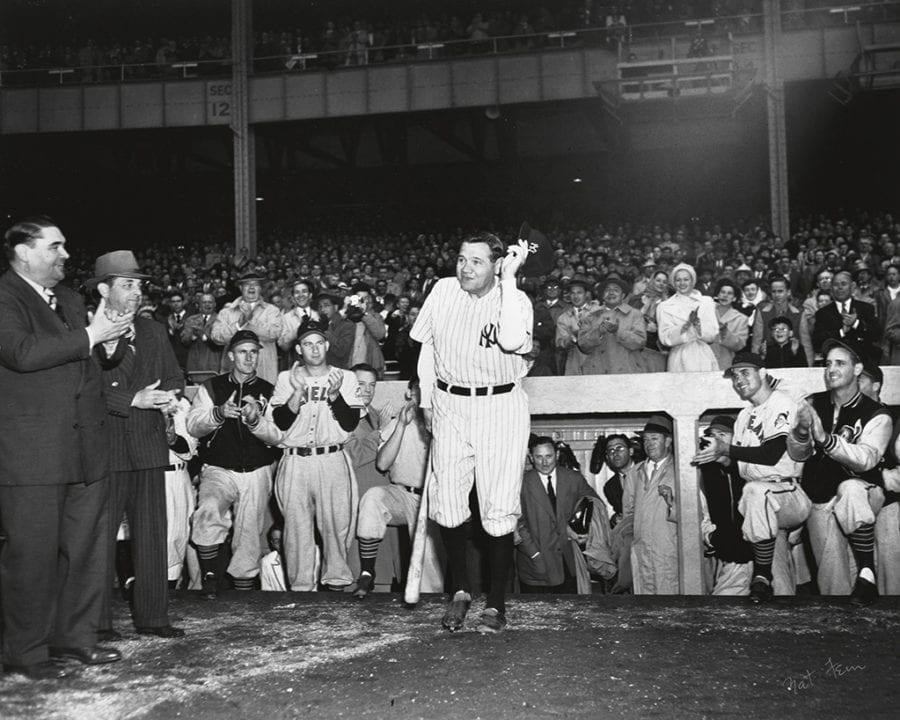
Babe Ruth is more than a baseball figure — he is an American myth. The notion of someone buying his former home purely for name value likely spooked the board, even if Dunne’s intentions were genuine.
Ironically, Dunne’s rejection may have only amplified the property’s mystique. As of July 2025, the apartment is reportedly still listed. Multiple offers have come in, but no sale has been finalized.
“People want to own history,” said Yankees historian Michael Traynor. “But when it comes to Ruth, history doesn’t come easy. That apartment is like a mini-museum, and boards tend to get protective.”
From the Bronx to TikTok
The situation highlights how traditional sports institutions — and legacy properties — sometimes clash with modern celebrity culture. Dunne’s brand is clean, sports-focused, and overwhelmingly popular with Gen Z. But to a conservative Manhattan co-op board, even that can raise alarms.
Still, Dunne hasn’t voiced any resentment. She laughed off the rejection, even as the story went viral. Yankees fans — especially younger ones — flooded social media in support, with some calling it “the biggest missed opportunity since Aaron Boone’s walk-off.”
While she may not be living in Babe Ruth’s shadow, Dunne continues to build her own athletic and media empire. Her connection to baseball is growing through Skenes, and her crossover appeal shows no signs of slowing.
And as one fan on Twitter put it: “She didn’t get Ruth’s home — but she’s already built a Ruthian following.”
But the Yankees legend still stands aout above all in the history of sports and is hard to surpass.
What do you think?