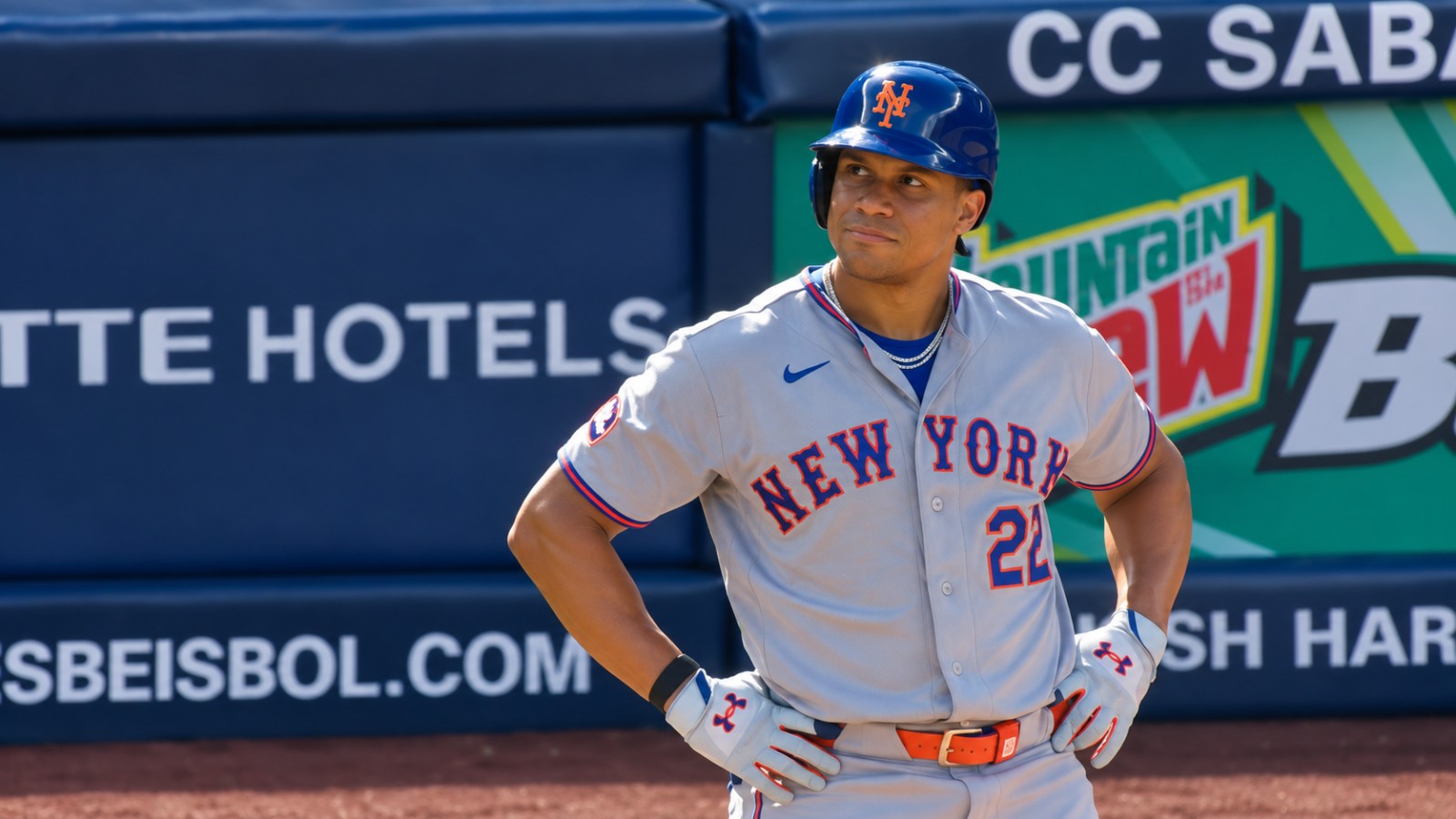
NEW YORK — Juan Soto walked back into Yankee Stadium over the weekend as the face of the Mets, but by Sunday afternoon the contrast around him was difficult to miss.
The Yankees finished the Subway Series by beating the Mets 2-0, taking two of three and moving to 86-63. Their postseason magic number dropped to one. The Mets fell to 69-80 and remained outside the playoff picture.
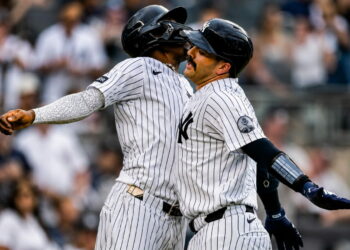
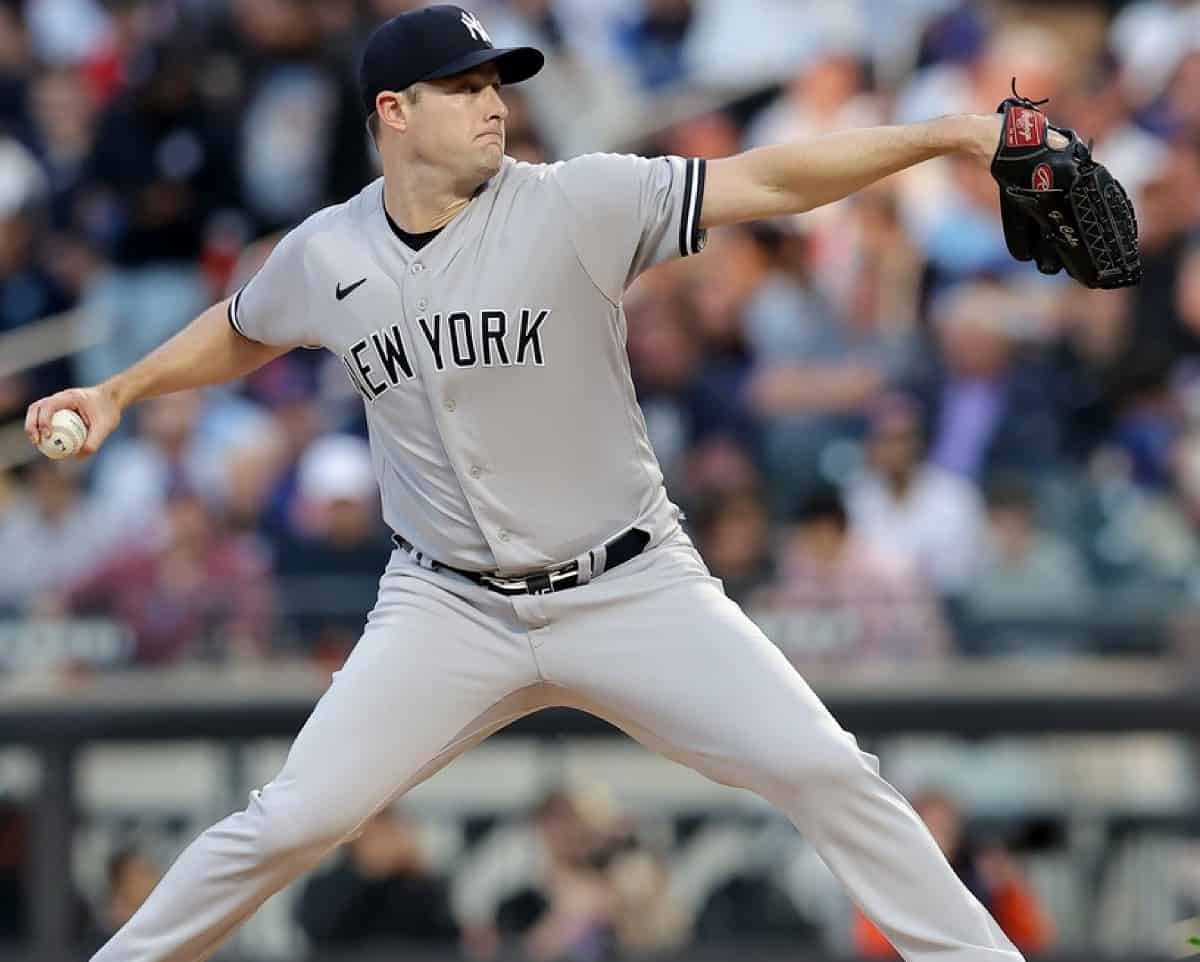
Cam Schlittler supplied six scoreless innings, one hit and eight strikeouts. Ben Rice opened the scoring with a leadoff home run. Austin Wells added another solo shot in the third. Christian Scott took the loss despite allowing only three hits in six innings, and David Bednar earned his 34th save.
Soto, who homered in the Mets’ 12-2 win a day earlier, went 0-for-4 with two strikeouts in the finale. He heard the expected jeers as the Yankees’ pitching staff handed the Mets their 14th shutout of the season.
None of that changes the scale of Soto’s decision or the record contract that followed it. The Mets committed 15 years and $765 million to him after the 2024 season. Both New York clubs were selling more than the next summer. They were selling the next decade.
The Yankees had just reached the World Series with Soto, but their future beyond the core was harder to define clearly. The Mets sold a different bet, built around Steve Cohen’s spending power, youth and sustained contention.
Twenty-one months later, one club is preparing for October and the other is evaluating what comes next. The result is a September contrast that reaches beyond one Subway Series and back to the assumptions behind Soto’s choice. That is where the most uncomfortable part of his original calculus begins to surface.
The Yankees future Soto questioned arrived fast
Sports Illustrated reported in 2025 that long-term organizational strength was part of Soto’s free-agent thinking, including the quality of the farm system and how many seasons a contender could remain sustainable.
Asked about that thinking, Soto put the issue plainly.
“What do they have in the farm system? How many times can we be good on this team?” Soto said.
At the end of 2024, that concern had statistical backing. Bleacher Report’s final farm-system rankings placed the Yankees 29th and the Mets 15th. On paper, the Mets appeared to own the healthier pipeline.
What Soto could not know was how quickly the Yankees would turn unfinished pieces into major league impact.
Schlittler is the clearest example. The 2022 seventh-round pick was still climbing the Yankees system in 2024. Two years later, he is 14-6 with a 1.95 ERA after 31 starts and 228 strikeouts in 184 2/3 innings. His ERA leads MLB starters.
Rice’s rise is even more revealing because Soto saw the beginning himself. Rice played 50 games for the 2024 Yankees, hitting seven homers with a .171 average. He also flashed his ceiling with a three-homer game against Boston, the first by a Yankees rookie.
Rice hit 26 homers in 2025. Sunday’s blast was his 38th of 2026.
The ranking flip tells only half the story
The farm-system comparison has changed, but it needs context.
Bleacher Report’s post-deadline rankings in August placed the Yankees 15th and the Mets 20th, reversing their order from 2024.
There is no industry consensus that the Yankees now own the better farm. MLB Pipeline ranked the Mets 18th and the Yankees 27th in its Aug. 16 update.
Farm rankings also fall when good prospects graduate. The Mets promoted Nolan McLean, Carson Benge and A.J. Ewing this year, all former top-100 prospects.
That makes the sharper Yankees point less about rankings and more about realized value. Schlittler and Rice are already affecting a postseason race at an elite level. Their value no longer lives in projection.
The Yankees trail the 90-59 Rays by four games in the AL East, but they hold a commanding wild-card position and have won 18 of their last 26. The Mets are playing out a second straight season without October baseball.
Soto’s opt-out is real, but regret is not a fact
The contrast naturally feeds speculation about Soto’s future. His contract contains an opt-out after the 2029 season.
Calling it inevitable goes beyond the evidence. The Mets can void the opt-out by increasing the average annual value of the final 10 seasons from $51 million to $55 million. There is also no public indication Soto regrets choosing the Mets.
Soto also homered at Yankee Stadium on Saturday, underscoring that his individual production is not the issue.
The harder truth is organizational. Soto wanted confidence in sustained winning beyond the immediate Yankees window. Less than two years later, the Yankees have uncovered an ace-level starter in Schlittler and watched Rice develop into a 38-homer All-Star threat.
The decision looks different in September 2026
A 15-year contract cannot be judged on two seasons, and the Mets still have young major leaguers, financial power and time to reshape the roster around him. But the decision looks different now than it did in December 2024.
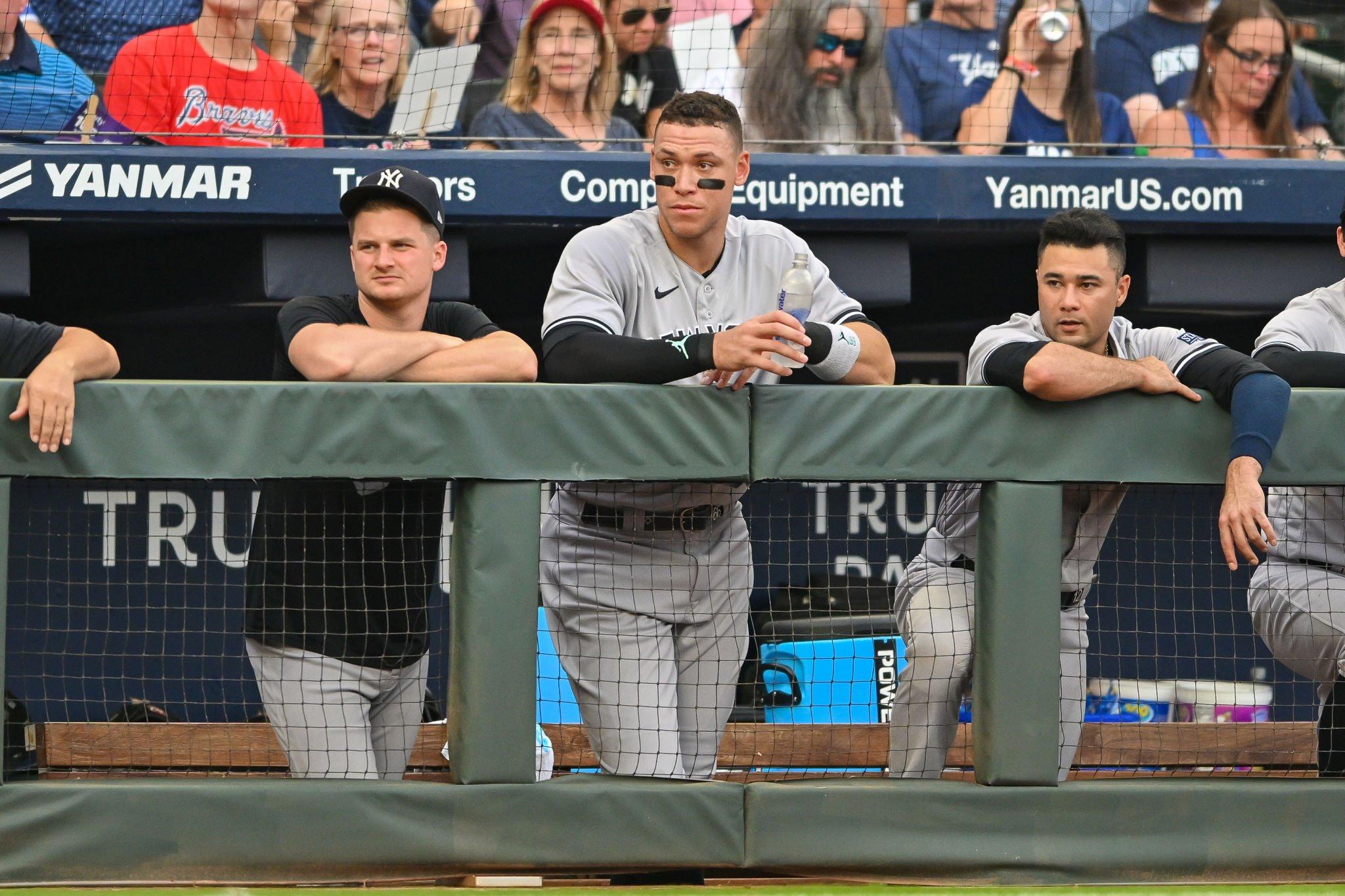
The Yankees team Soto left has not simply stayed competitive behind Aaron Judge and veteran spending. It has received production from players whose ceilings were not fully visible when Soto weighed the two New York futures.
On Sunday, that difference was compressed into nine innings. Rice supplied the first run. Schlittler erased the Mets’ lineup. Soto went hitless. The Yankees moved to the brink of October.
The farm-system question Soto once asked remains fair. The answer just looks much less favorable to the Mets than it did when he signed.
What do you think? Leave your comment below.