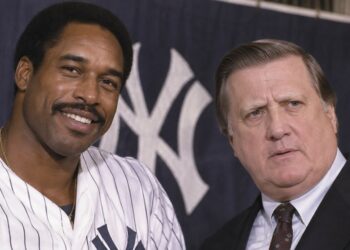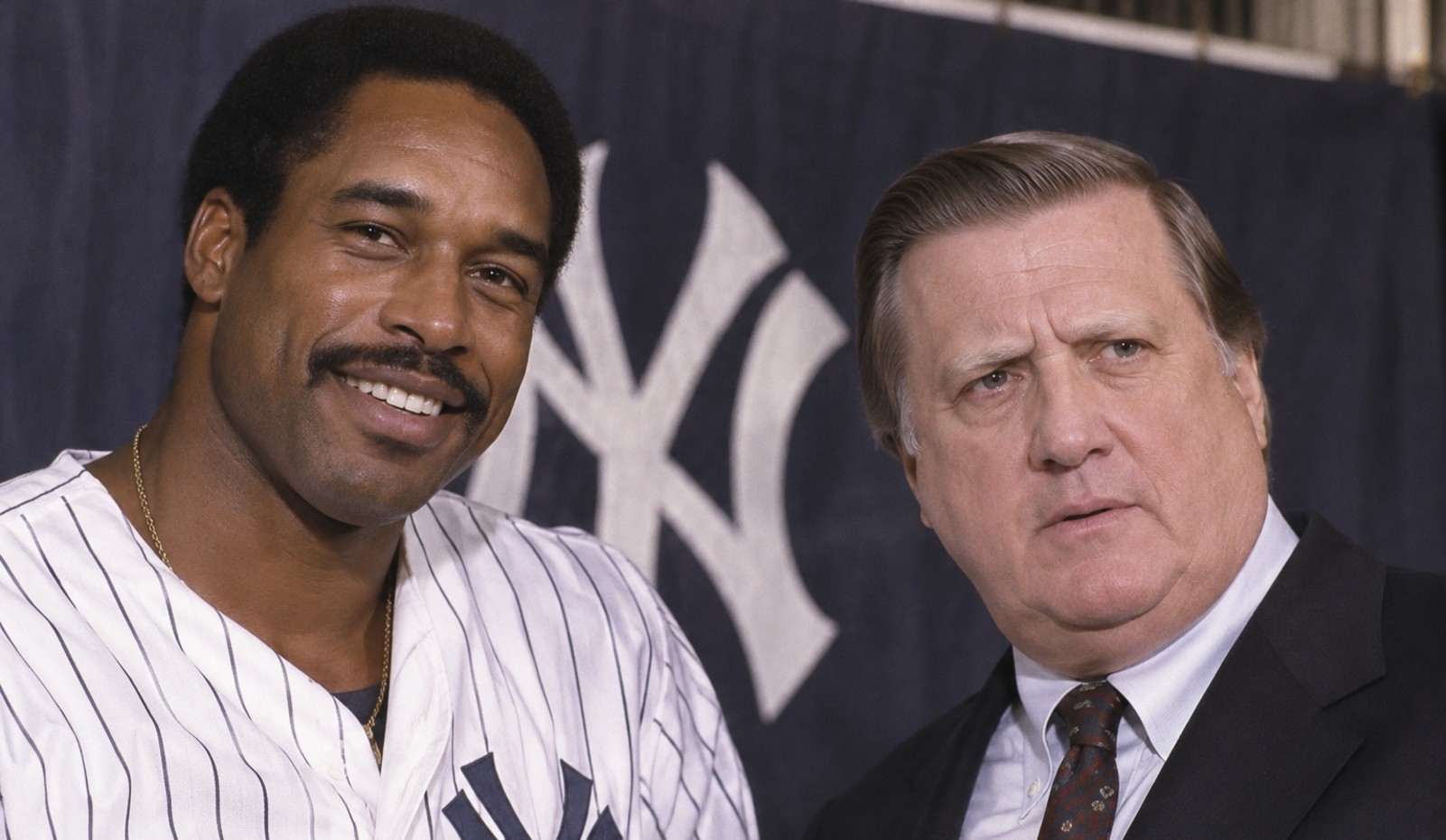
NEW YORK — Dave Winfield’s decade with the Yankees included All-Star appearances, Gold Gloves and one of baseball’s most damaging disputes between an owner and a player. The conflict extended far beyond the lineup and into courtrooms, contracts and the player’s private life.
For much of the 1980s, Winfield was one of the Yankees’ premier hitters. Off the field, his relationship with George Steinbrenner worsened amid disagreements over money owed under his contract and contributions tied to the outfielder’s charitable foundation.
The split eventually contributed to a disciplinary case against the Yankees owner, whose attempt to collect damaging information about Winfield became a defining scandal of the Steinbrenner era. The baseball world has known the broad outlines for decades.
What has drawn renewed attention is the personal overlap between the Yankees dispute and a separate legal fight involving a former partner. Winfield has now placed those episodes within a longer account of the financial and emotional toll of his years in New York.
Memoir revisits Yankees foundation conflict and private lawsuit
Winfield’s autobiography, “Touching All the Bases: A Story of Power, Purpose, and Surviving the Bronx,” published Sept. 15, is receiving renewed attention following a Nov. 22 review of its account of the Yankees years. Alan Maimon co-wrote the 288-page book.
Winfield joined the Yankees after the 1980 season on a 10-year contract that made him one of baseball’s highest-paid players. The agreement included provisions for cost-of-living increases and annual support for his charitable foundation.
A dispute arose over the cost-of-living language, followed by repeated disagreements involving the foundation. The required annual contribution was $300,000, according to the new account of the memoir.
Winfield also describes a separate Texas case brought by a former girlfriend who claimed she was his common-law wife. The claim concerned financial obligations, although the HoF berth winner had acknowledged their child and provided support. The adverse trial verdict was later overturned on appeal, according to the book account.
These are historical legal episodes, not new lawsuits filed in 2026. The memoir gives Winfield’s version of how they intersected with his deteriorating relationship with the Yankees owner.
The owner-player conflict brought baseball’s biggest sanction
The most consequential development came in 1990. Steinbrenner paid gambler Howard Spira $40,000 for information about Winfield, according to the National Baseball Hall of Fame’s historical account of the case.
Commissioner Fay Vincent removed Steinbrenner from the Yankees’ day-to-day management that summer. The sanction was framed as a lifetime ban from operating the club, not an order to sell the franchise, and Steinbrenner regained control in 1993.
The new memoir revisits Winfield’s belief that the campaign against him reached into his private legal affairs. That is Winfield’s account of the events; the $40,000 Spira payment and the commissioner’s action are separately established parts of baseball history.
In an excerpt published by the Jackie Robinson Museum, Winfield describes the purpose behind his move to New York before outlining how much time the Yankees years consumed in legal proceedings.
“I came to the Bronx to help the Yankees win another World Series or two or three,” Winfield wrote.
The contrast is central to the book: a star signed to help New York return to the top instead spent a significant part of his Yankees tenure fighting battles away from the field.
What Winfield’s Yankees production says about the cost of the feud
Winfield’s performance did not disappear amid the friction. He was a mainstay of the Yankees lineup through most of the 1980s, supplying power and defense while the club struggled to build a championship team around its expensive talent.
He missed the 1989 season with a back injury and was traded to the California Angels in 1990. The Yankees did not reach the postseason during Winfield’s time in New York, despite several strong individual seasons and large investments in the roster.
Across his 22-year major league career, Winfield compiled 3,110 hits and 465 home runs, earned 12 All-Star selections and won seven Gold Gloves. Those figures are documented by the National Baseball Hall of Fame.
Winfield finally won a World Series with Toronto in 1992. He entered the Hall of Fame in 2001 wearing a Padres cap, a reminder that his career identity could not be reduced to the Yankees tenure or his dispute with Steinbrenner.
A September book finds fresh attention in November
The autobiography was released in September, and Winfield has discussed the Steinbrenner conflict in interviews since then. The November review is a renewed examination of those claims, not evidence of a new confrontation involving the current Yankees organization.
Steinbrenner died in 2010. Winfield’s account remains part of the historical record of the Yankees, where a rich contract, a powerful owner and an accomplished player became entangled in disputes that went well beyond baseball.
What do you think? Leave your comment below.