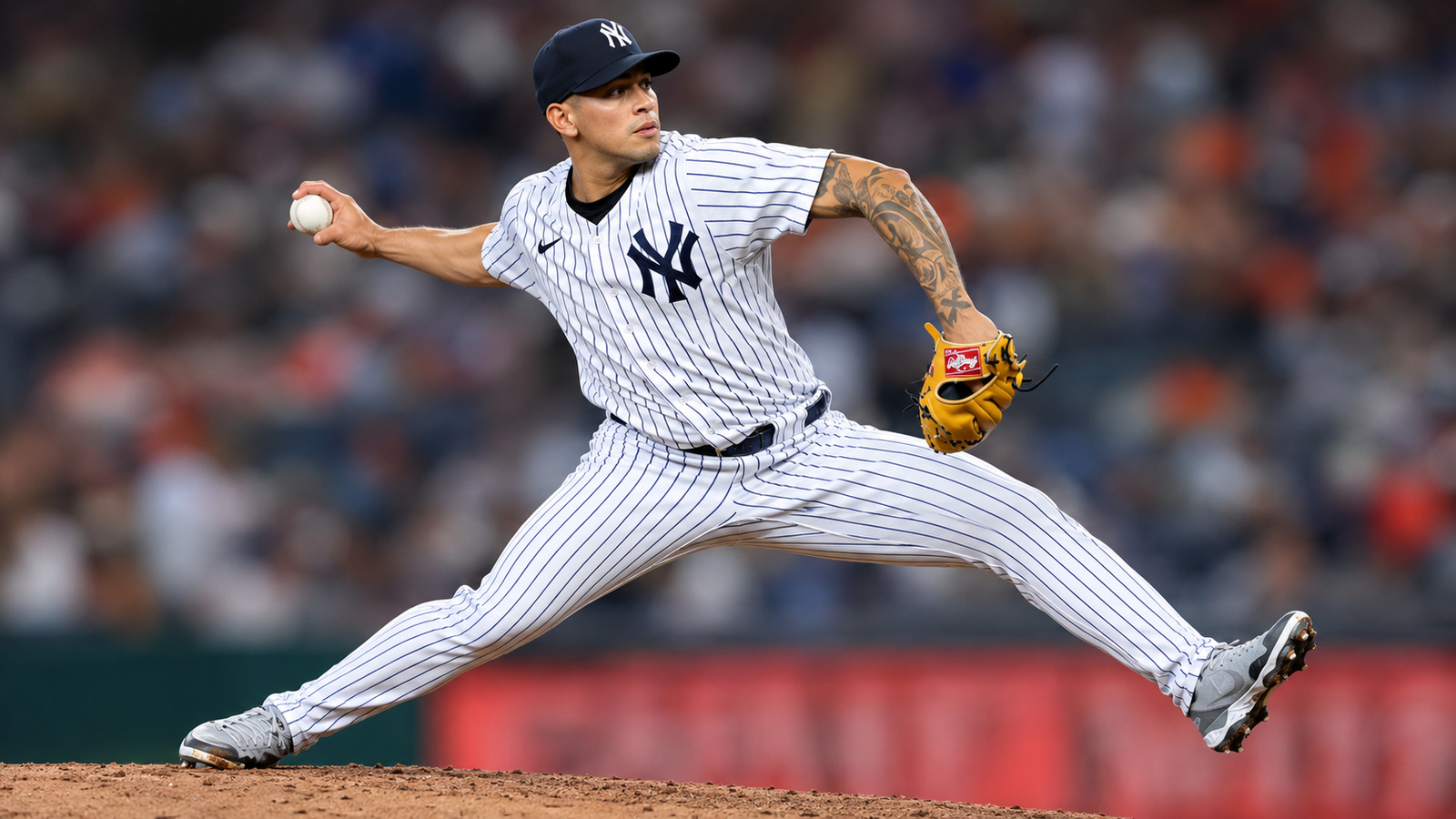
NEW YORK — A Toronto baseball writer questioned the Yankees’ bullpen overhaul on Nov. 20, then acknowledged the next day that the Blue Jays should have fought harder to stop New York from signing Jonathan Loaisiga. The reversal followed the reliever’s decision to return to the Bronx rather than join an American League East rival.
Victor William of Blue Jays Insider argued that Toronto held an advantage because its late-inning group was more settled. But his subsequent assessment of the Loaisiga deal described a missed opportunity for the Blue Jays, who had been among the clubs interested in the right-hander.
The conflicting assessments arrived as the Yankees moved quickly to retain closer David Bednar, bring back Tim Hill and secure Loaisiga on a reported two-year, $18 million agreement with a club option for 2029.
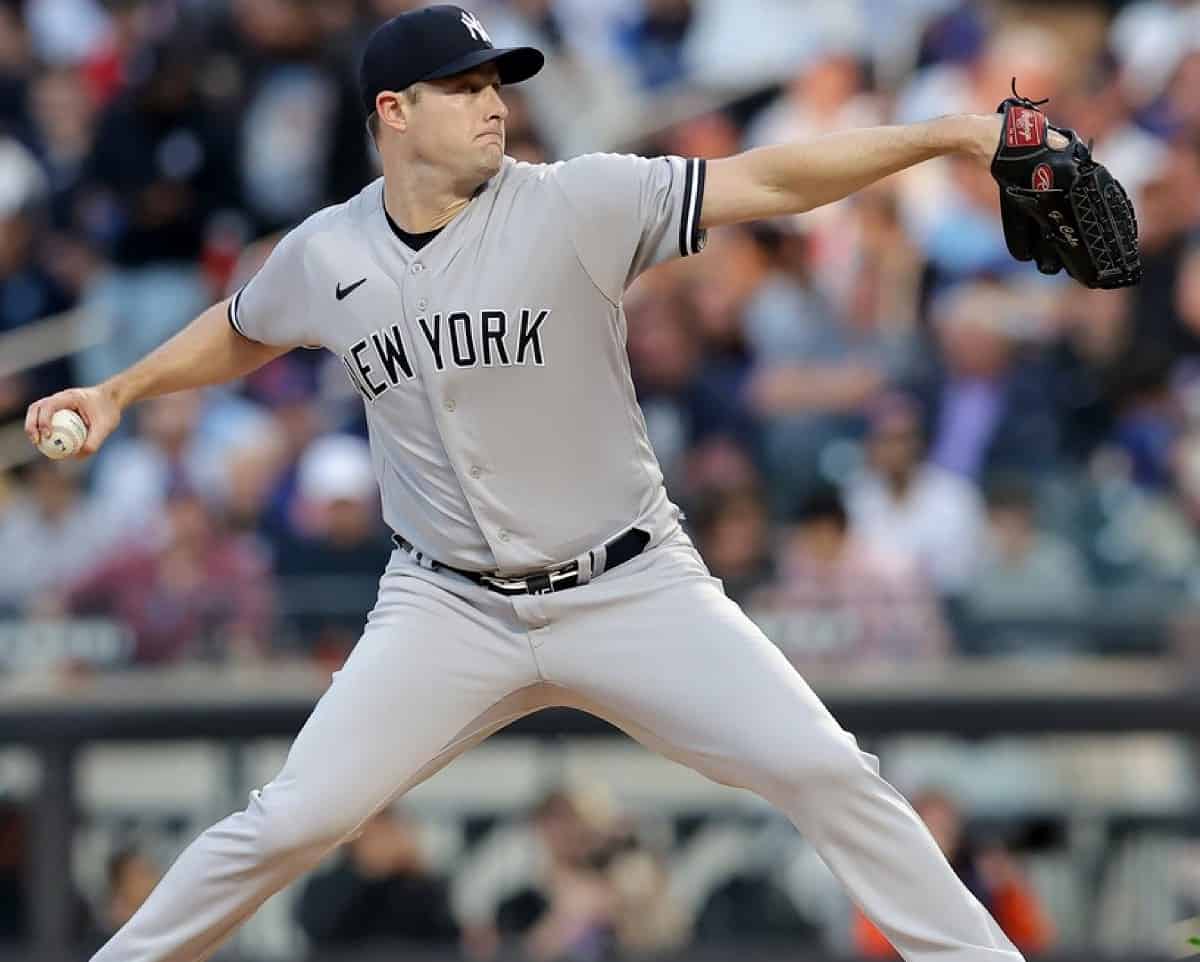
Loaisiga, 32, spent his first eight major league seasons with the Yankees before rediscovering his form with Arizona in 2026. His decision denied Toronto a proven reliever while giving New York a familiar, high-leverage arm for Aaron Boone’s bullpen.
Blue Jays insider questions the Yankees after losing Loaisiga
William’s Nov. 20 article, published after news of the agreement emerged, questioned whether the Yankees were actually rebuilding their relief corps or merely bringing back familiar names. He contrasted the Yankees’ approach with Toronto’s roster continuity.
“The Blue Jays’ stable bullpen gives them an edge over the Yankees heading into 2027,” William wrote.
He also challenged the premise of New York’s relief overhaul after noting Bednar’s return, Hill’s agreement and the Loaisiga deal.
“Is that really a rebuild? It looks more like running it back,” William wrote.
The critique was not without a statistical basis. The Yankees’ bullpen had a 3.13 ERA in 2026, and the club entered free agency with numerous relief roles to fill. Toronto, meanwhile, retained its most frequently used relievers and had Louis Varland and Tyler Rogers as important late-inning pieces.
But William’s evaluation did not end there. In his Nov. 21 article, he acknowledged the cost of Toronto losing Loaisiga to New York and described the reported contract as an opportunity the Blue Jays should have pursued more forcefully.
The same writer concedes Toronto missed a bargain
William’s follow-up was much less dismissive of the Yankees’ move. He emphasized Loaisiga’s effectiveness, control and ability to induce ground balls, then explicitly faulted Toronto for failing to secure the pitcher at the reported price.
“Toronto should have pushed harder at this price,” William wrote.
That assessment changes the meaning of the earlier criticism. The Yankees were not simply retaining an aging former player. They had beaten a division opponent to a reliever coming off one of the healthiest and most productive seasons of his career.
The Blue Jays’ interest was reported before the agreement, along with interest from the Mets and other clubs. The Yankees ultimately secured Loaisiga’s return, subject to completion of the deal and his physical at the time of the announcement.
Toronto’s existing relief depth may still provide an advantage at the start of 2027. But the suggestion that New York lacked a credible bullpen plan is harder to reconcile with the acknowledgement that the Blue Jays missed a valuable signing.
Loaisiga’s 2026 numbers explain why the loss matters
Loaisiga made a career-high 67 appearances for the Diamondbacks in 2026 and recorded a 2.42 ERA across 67 innings. His 5% walk rate and 55.8% ground-ball rate helped offset a below-average 18.4% strikeout rate.
The right-hander’s average exit velocity allowed was 85.2 mph, while his expected ERA was 3.01. Those results illustrated how he succeeded without relying solely on strikeouts.
His pitch mix also evolved. Loaisiga reduced his dependence on sinkers in certain matchups and mixed in more four-seam fastballs and changeups, with his sinker averaging close to 98 mph. That combination gave hitters several different looks while maintaining his ability to produce weak contact.
The Yankees already knew his potential. Loaisiga had delivered valuable postseason innings during his original tenure, but elbow injuries limited his reliability and contributed to his departure. He missed much of 2024 after undergoing UCL surgery.
His ability to remain available for 67 games in 2026 made the reunion materially different from the earlier attempts to bring him back following injury-ravaged seasons.
It also presents a useful comparison with Paul Blackburn, another ground-ball specialist the Yankees have explored retaining. Blackburn posted a 1.59 ERA in 2026, showing how New York’s pitching staff has benefited from relievers who manage contact rather than chase strikeouts alone.
Cashman has already addressed three bullpen priorities
The Yankees entered the offseason with bullpen reconstruction among Cashman’s most urgent tasks. Bednar accepted a $23.15 million qualifying offer for 2027. Hill agreed to a one-year, $2.25 million contract with a club option for 2028. Loaisiga followed with the reported two-year agreement.
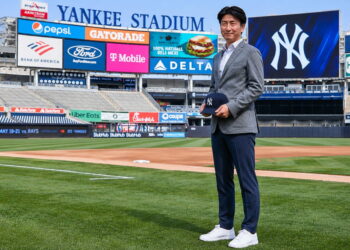
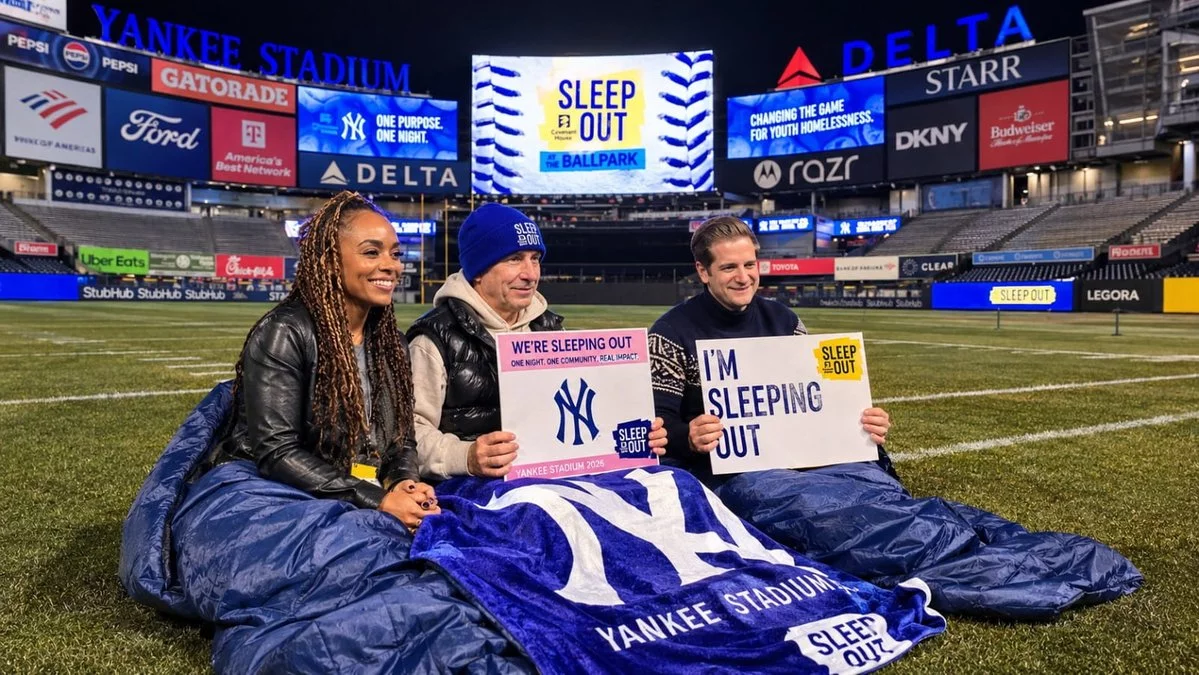
Before news of the Loaisiga agreement, Cashman discussed the pace of his negotiations during an event at Yankee Stadium.
“Who knows? I could have gotten a deal done already today,” Cashman said.
The Yankees still have decisions to make about additional middle-inning and setup options. Blackburn has drawn interest as a possible returnee, while the club’s injury history with relievers remains a concern.
For Toronto, the missed chance to sign Loaisiga does not erase its established bullpen depth. For New York, however, beating an AL East rival to a pitcher with an effective 2026 season gives Cashman a tangible answer to claims that his bullpen strategy amounts to standing still.
The reported Loaisiga agreement was pending a physical when it became public Nov. 20. The Yankees’ next decisions will determine how much more of their relief corps is in place before spring training.
What do you think? Leave your comment below.