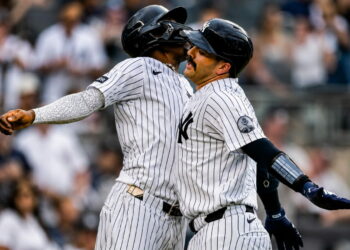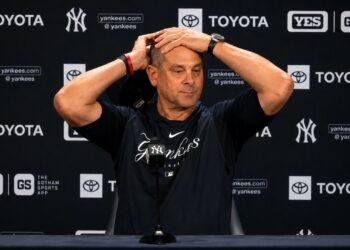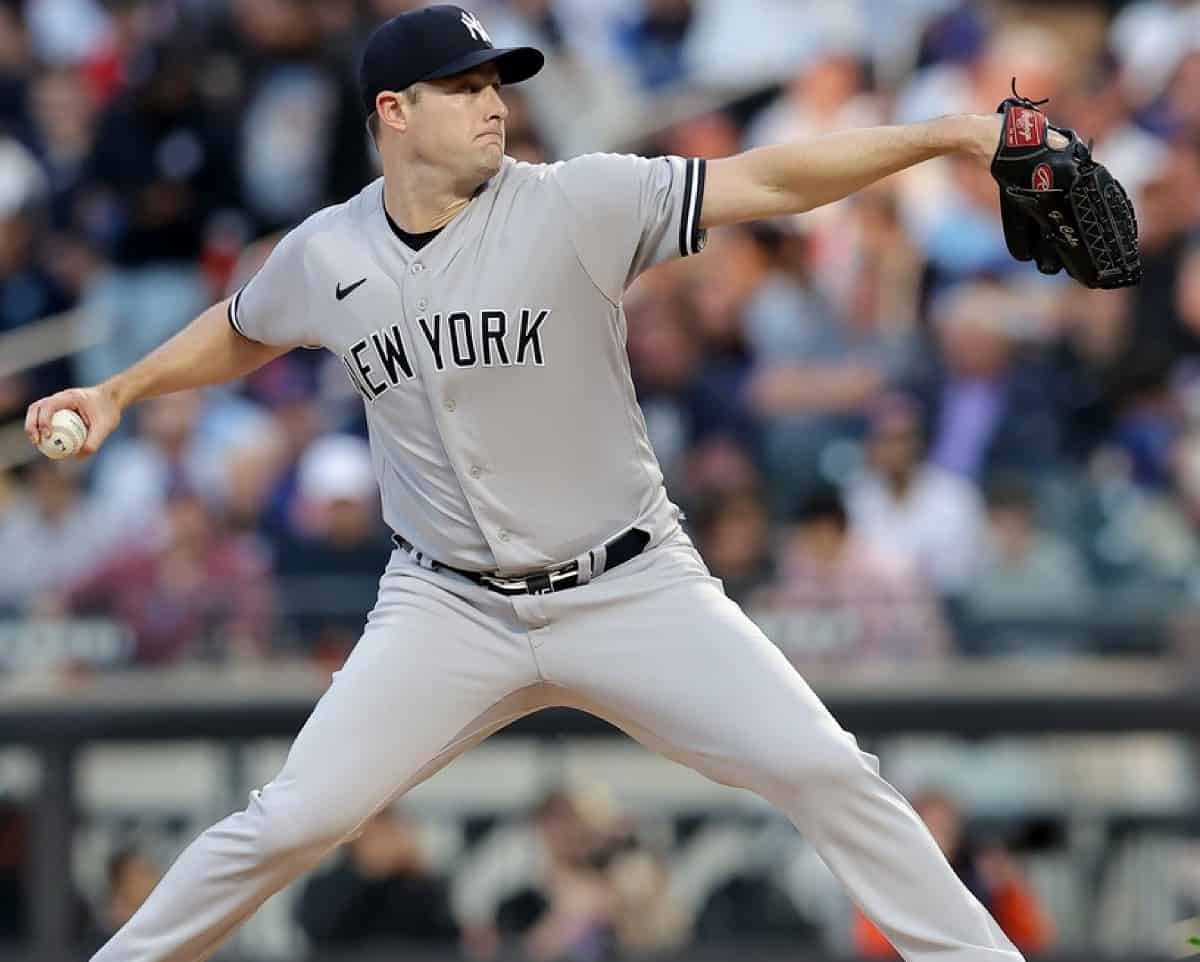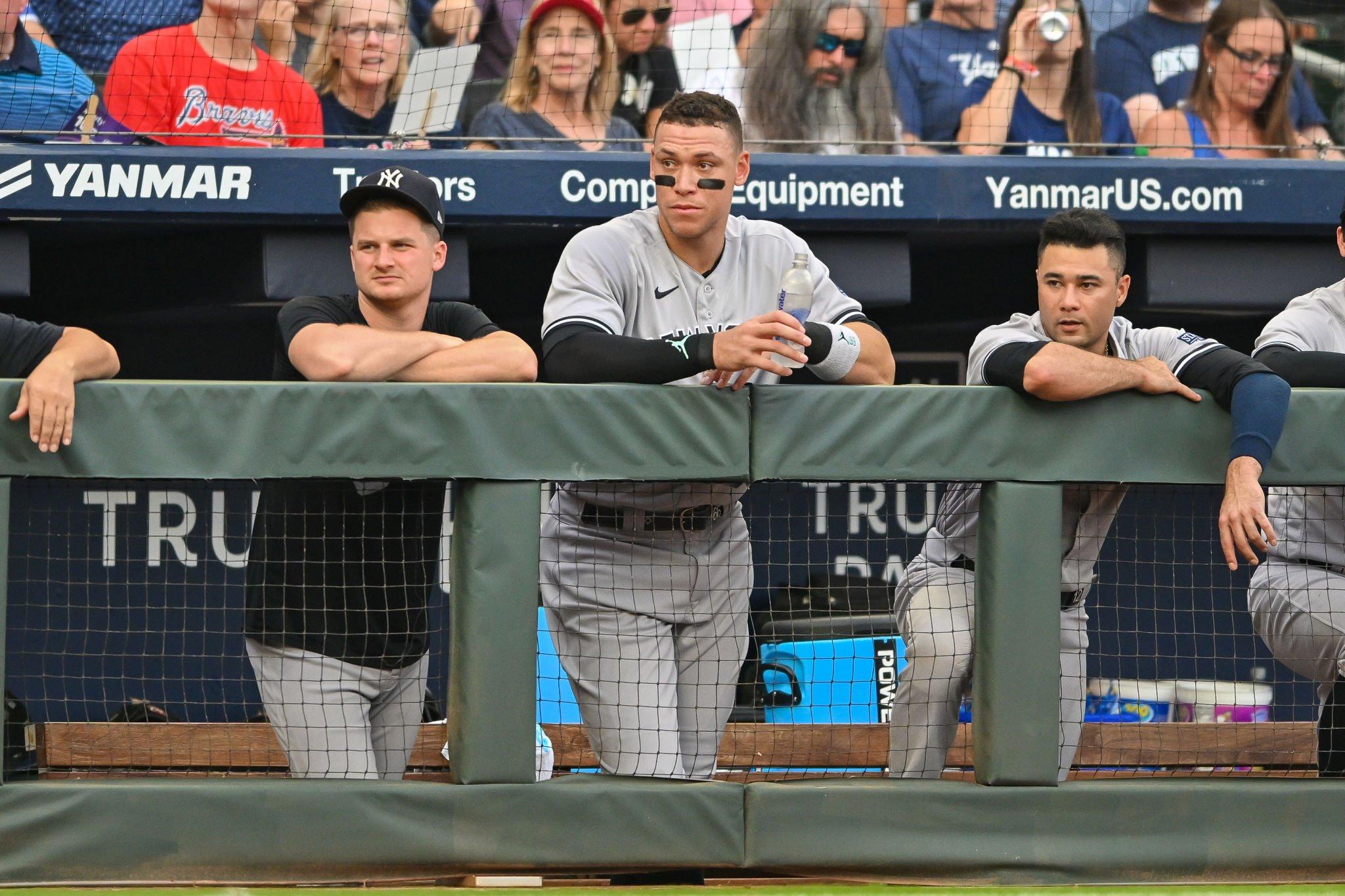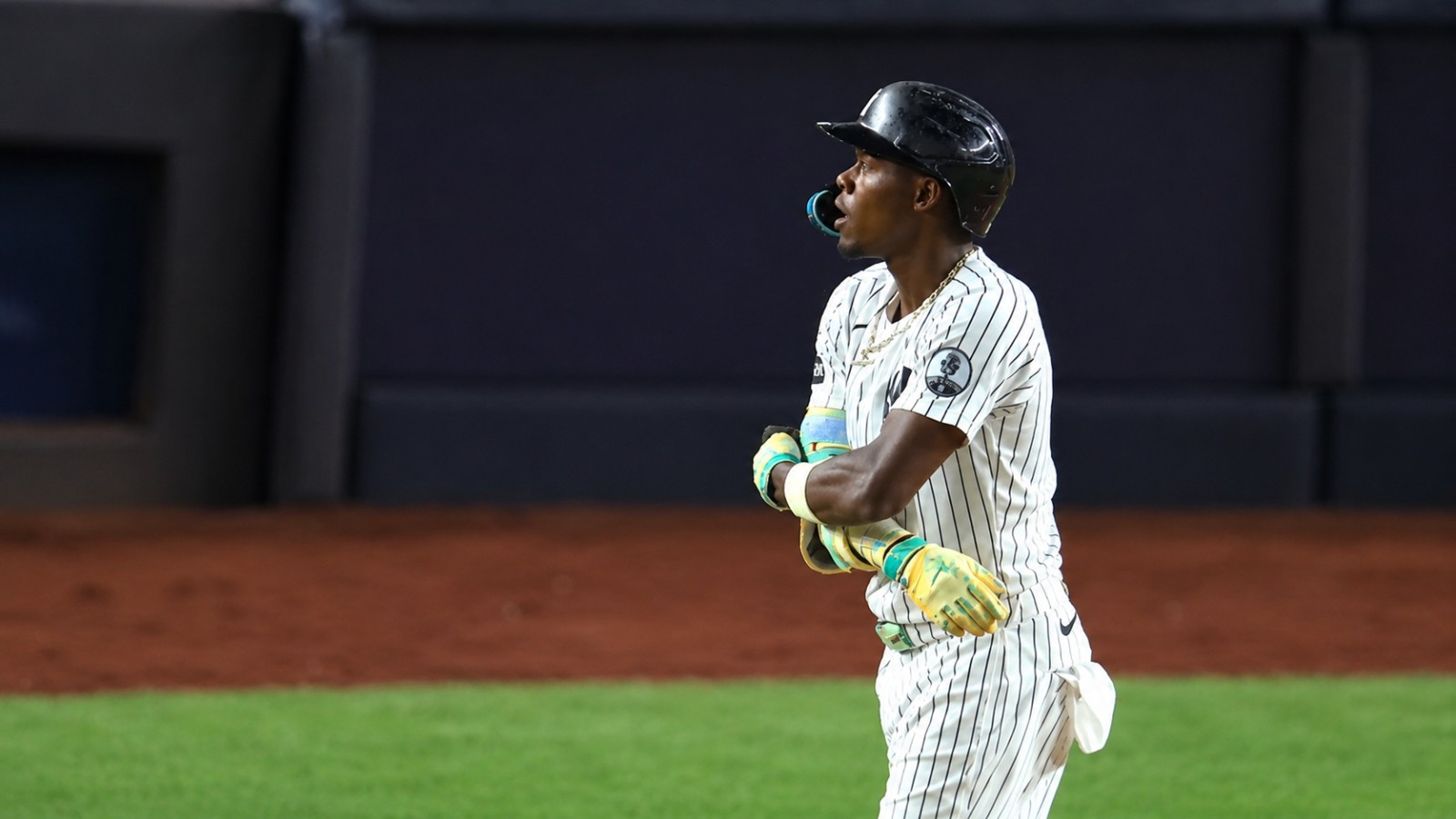
NEW YORK — Jazz Chisholm Jr. began of 2026 trying to find the version of himself the Yankees expected to anchor the middle of their lineup.
Outsized goals and the confidence made headlines early. By mid-August, the results had moved sharply in the other direction. Chisholm entered Wednesday batting .217 with a .692 OPS, both well below his 2025 production, while New York continued fighting for position in the AL East and the postseason race.
The decline has not been limited to one bad month or one part of his game. Chisholm has dealt with minor physical issues, mistakes on the bases and uneven defense while trying to produce without several injured Yankees hitters around him. He was picked off again Tuesday and entered Wednesday tied for the most errors among American League second basemen. Yet he has continued to play and has insisted the problem is not physical.
The Yankees have also watched Chisholm search for answers at the plate while opposing pitchers adjust faster than he has. His aggression has changed. His swing decisions have changed. Even his preparation has shifted toward one specific type of pitch. The unusual part is that the pitch creating the problem is not a breaking ball designed to exploit chase or a changeup meant to disrupt timing.
It is a pitch Chisholm used to punish. Last season, he slugged .548 against fastballs. That success helped make him a dangerous power-speed threat and contributed to a 31-homer, 31-steal season for the Yankees. In 2026, however, one of his old strengths has turned into one of the clearest weaknesses in his offensive profile, and MLB pitchers have increasingly built their plans around it. That reversal has become one of the clearest explanations for why the Yankees have not received the same middle-order force they had a year ago.
Four-seamers have become the problem
Chisholm entered Wednesday hitting just .187 with a .309 slugging percentage against four-seam fastballs. His minus-11 run value against the pitch ranked as the third-worst result by any MLB hitter against a single pitch type at that point, ahead of only Seattle’s Cal Raleigh and Colorado’s Ezequiel Tovar against four-seamers.
That reversal has been difficult for even Chisholm to explain. Asked directly what had happened to a pitch he once handled so well, the Yankees second baseman did not offer a mechanical theory or point to an injury.
“I don’t know,” Chisholm said. “It’s a good question.”
The numbers show that opponents have noticed. Chisholm saw fastballs 46.5% of the time in May. That rate increased in every month that followed and reached 58.9% entering Wednesday in August. Instead of trying to hide his weakness, opposing pitchers have continued attacking it.
Chisholm knows what pitchers are doing
The Yankees have seen Chisholm become far more aggressive early in counts. From Opening Day through June, he swung at 42 of 173 first-pitch fastballs, a 24.3% rate. Since July began, he had swung at 36 of 73, or 49.3%.
That near-doubling shows Chisholm understands the scouting report. Pitchers increasingly challenge him with velocity before falling behind in the count.
“That’s probably because I know that a fastball is going to be coming because I haven’t been hitting them well,” he said.
The counterattack has not fixed the issue. Chisholm had gone 2-for-7 on those first-pitch fastballs since July began, with both hits singles. He went 1-for-3 with a walk Wednesday as the Yankees beat Seattle 10-5, but the fastball problem remained.
Timing and bat speed offer clues
Chisholm has also pointed to how different modern four-seam fastballs can look. He said pitchers now create more varied movement profiles with the pitch, making the traditional four-seamer less predictable than it once seemed.
“I just feel like there’s a lot of different four-seamers nowadays,” Chisholm said. “A four-seamer isn’t as normal as it used to be. … I don’t know why.”
There are measurable changes in Chisholm’s swing. His average bat speed has dipped from 73.9 mph last season to 73.2 mph in 2026. Yankees hitting coach James Rowson has focused more heavily on timing.
“I think when Jazz’s timing is wrong, when he’s not ready on time, you start to see different things happen in the swing,” Rowson said, “whether it be underneath the four-seamer or whether it be a little bit out in front of a breaking ball or an off-speed pitch.”
That explanation fits the pattern the Yankees are seeing. Being late on four-seamers can force compensations that leave Chisholm vulnerable to slower pitches.
A costly decline in a walk year
The timing of the collapse raises the stakes. Chisholm is in his final season before free agency and entered 2026 talking openly about a 50-homer, 50-steal goal. He entered Wednesday with 17 home runs and 31 steals instead, while his overall production had fallen below league average.
The Yankees have also shown less trust in certain matchups. Chisholm had begun losing some opportunities against left-handed pitching, a notable development for a player expected to be a major part of the lineup.
Chisholm has not suggested that fatigue or injury explains the downturn. He has played through smaller issues and said his body and mindset remain intact.
“Physically I’m fine,” the infielder said. “Mentally I’m doing great, I’d say.”
He has continued working specifically against fastballs in the second half. That leaves the Yankees with an unusual problem: Chisholm understands the attack, has adjusted and still has not restored what was once one of his strongest offensive traits.
For now, the Yankees know the weakness and so does the rest of MLB. Chisholm knows it, too. What nobody around the club has found yet is the answer.
What do you think? Leave your comment below.