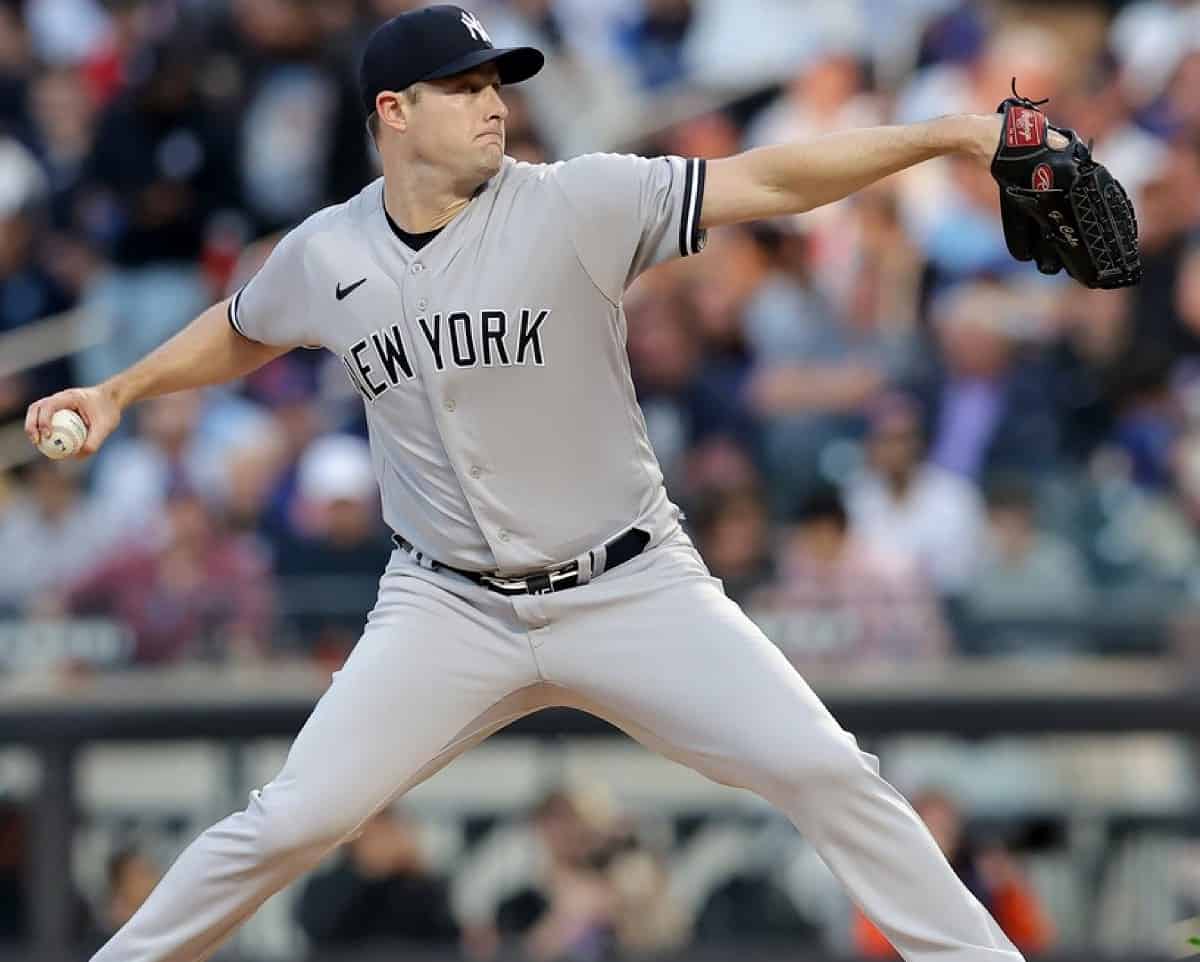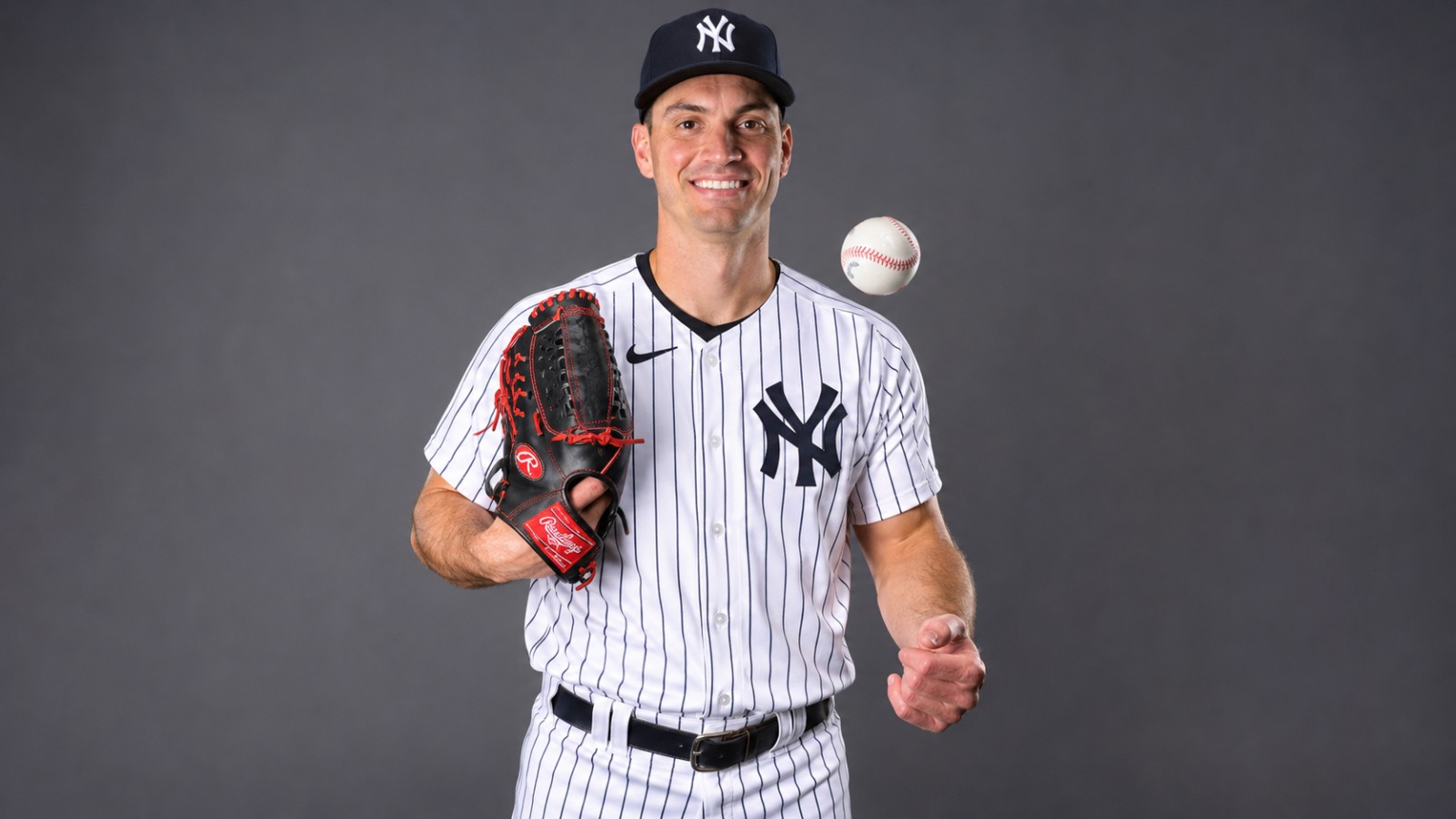
NEW YORK — The Yankees reached an agreement with veteran left-hander Brent Suter on Monday, adding another arm to their bullpen without acquiring the high-velocity fastball that has become a prized commodity in modern baseball.
Suter, 37, averaged 88.5 mph on his fastballs in 2026. Only a tiny fraction of qualified major league pitchers threw slower. Yet hitters had considerable trouble making authoritative contact against him.
The Harvard graduate arrives after splitting the season between the Los Angeles Angels and Atlanta Braves. His performance improved sharply following an Aug. 3 trade to Atlanta, where he became a valuable source of innings.
For the Yankees, his appeal extends beyond that late-season turnaround. His ability to record more than three outs in an appearance addresses a different need from the one filled by fellow left-hander Tim Hill.
The Yankees’ agreement guarantees Suter $4 million, comprising a $3.75 million salary in 2027 and a $250,000 buyout of a $3.5 million club option for 2028. The deal is pending a physical.
How Suter beats hitters without overpowering them
Suter’s fastball velocity placed him in the first percentile of qualified pitchers in 2026, according to Statcast. His four-seamer averaged 87.8 mph, while his sinker averaged 89.1 mph. Neither offering depends on premium speed.
His results on contact tell a different story for the Yankees. Opponents produced a hard-hit rate of 31%, placing him in the 94th percentile. Their average exit velocity of 86.6 mph ranked in the 92nd percentile.
Suter also releases the ball unusually far in front of the pitching rubber. His extension ranked in the 99th percentile, shortening the distance the pitch travels before reaching the plate. That helps explain why radar-gun readings alone offer an incomplete assessment of his arsenal.
He used his sinker 34.3% of the time, his changeup 27.2%, his four-seamer 25.9% and his slider 12.6%. The four-pitch mix gives him options against hitters from both sides of the plate.
His 25 walks in 91 innings also helped limit the damage when opponents put the ball in play. He finished with 78 strikeouts, a 3.36 ERA and a 3-2 record in 54 appearances.
Why the Yankees need another left-hander after retaining Hill
General manager Brian Cashman identified relief pitching as a winter priority before the Yankees reached an agreement with Hill on Nov. 15.
Cashman described the bullpen as “our main priority, to be honest.”
Suter represents the fourth free-agent relief agreement of the offseason. Closer David Bednar accepted a $23.15 million qualifying offer, while Jonathan Loáisiga agreed to return after spending 2026 with Arizona. Hill is also in line to return.
The addition gives manager Aaron Boone another left-handed option alongside Hill and Brent Headrick. It does not necessarily put Hill’s roster spot in jeopardy. Suter’s experience working multiple innings provides a distinction between their potential assignments.
Headrick made a team-high 81 appearances in 2026, recording a 2.18 ERA across 78⅓ innings. His velocity declined late in the season. The Yankees now have another pitcher capable of absorbing outs before the late innings, potentially reducing the need to call on Headrick so frequently.
Ryan Yarbrough, another left-hander with experience covering extended outings, is a free agent. Suter’s arrival could reduce the need for a reunion, although the club has not announced a decision on Yarbrough.
The numbers behind Suter’s multi-inning value
Suter averaged 1.69 innings per appearance in 2026, compared with Headrick’s 0.97. That is approximately 75% more innings per outing, based on their season totals.
The difference is not a projection of their 2027 workloads. It illustrates how the Yankees could use Suter to cover innings that might otherwise require multiple pitching changes.
His Atlanta stint was especially notable for the Yankees. Suter allowed five earned runs in 27⅔ innings over 13 appearances, averaging more than two innings per outing. He had recorded a 4.12 ERA before the trade.
That improvement gives pitching coach Matt Blake a recent example of Suter succeeding in a different environment. It also gives the Yankees a reason to value his durability alongside his ability to limit hard contact.
A modest bullpen investment ahead of MLB’s labor deadline
Milwaukee drafted Suter in the 31st round in 2012 out of Harvard, where he studied environmental science and public policy. He has since accumulated 402 major league appearances, a 45-26 record and a 3.54 ERA over 11 seasons.
His move also comes shortly before the anticipated Dec. 2 lockout. Suter serves on the MLB Players Association’s eight-member executive subcommittee, placing him among the players involved in union leadership during the labor dispute.
For the Yankees, the short commitment preserves flexibility as they weigh further bullpen additions. Free-agent left-hander Adrian Morejon remains a substantially more expensive option, with interest from New York reported earlier this offseason.
Suter’s agreement does not establish that Cashman has abandoned that pursuit. It does, however, give the Yankees a third left-handed relief option before the winter market reaches its next stage. The club has yet to formally announce Suter’s deal.
What do you think? Leave your comment below.