NEW YORK — Tommy John had already survived the career crisis that would attach his name permanently to sports medicine when a far more frightening emergency struck during his Yankees years.
On Aug. 13, 1981, John was with the Yankees in Detroit when he learned that his 2-year-old son, Travis, had fallen from a third-story window at a rented home in Bay Head, New Jersey. The child struck a parked car, suffered a severe head injury and required surgery. John immediately left the team and returned to his family.
The episode became one of the defining off-field chapters of John’s life, and it resurfaced after the former Yankees pitcher died Saturday night at age 83 at his home in Bradenton, Florida. His agent, Mike Maguire, told The Associated Press that John had been in hospice care. His wife, Cheryl, told The New York Times that bladder cancer caused his death.
For most of baseball, John’s name will always evoke the experimental elbow operation Dr. Frank Jobe performed in 1974. John became the first major league pitcher to return successfully from the procedure, then returned in 1976 and continued pitching through 1989. But his family life tested the same resilience in ways that baseball never could.
Travis’ fall came only days after the strike-shortened 1981 season resumed. Contemporary reports said the boy remained in critical condition after brain surgery and was transferred to NYU Medical Center in Manhattan for further testing.
John stayed close. Society for American Baseball Research accounts say he remained with Travis through a lengthy coma, taking his turn when the Yankees played at home but not traveling with the club. Hospital updates gradually became more hopeful, and doctors said tests showed no evidence of irreversible brain injury.
By October, the story had transformed from a family emergency into one of the most emotional moments of the Yankees’ postseason. Travis recovered enough to walk to the mound at Yankee Stadium and throw a ceremonial first pitch before Game 3 of the American League Division Series against Milwaukee.
The moment mattered to John long after the season ended. Years later, he recalled the roar from the Yankee Stadium crowd as one of his most enduring memories from New York.
John continued pitching through the ordeal. He finished the 1981 regular season with a 2.63 ERA in 20 starts, then helped the Yankees reach the World Series. He allowed only one run in 13 innings over three appearances against the Los Angeles Dodgers, though New York lost the series in six games.
Family tragedy returned nearly three decades later.
John’s youngest son, Taylor, died in March 2010 at age 28. Contemporary obituary notices described Taylor as a singer, church cantor and teacher. Subsequent reporting identified his death as suicide.
John turned the loss into public advocacy. He supported the American Foundation for Suicide Prevention and participated in fundraising efforts under the “Team Taylor” name. By 2012, he was appearing at benefits that raised money for suicide-prevention work and awareness of depression and mental illness.
That part of his life rarely received the attention given to his reconstructed elbow, but it added another dimension to the public image of a pitcher already associated with survival and second chances.
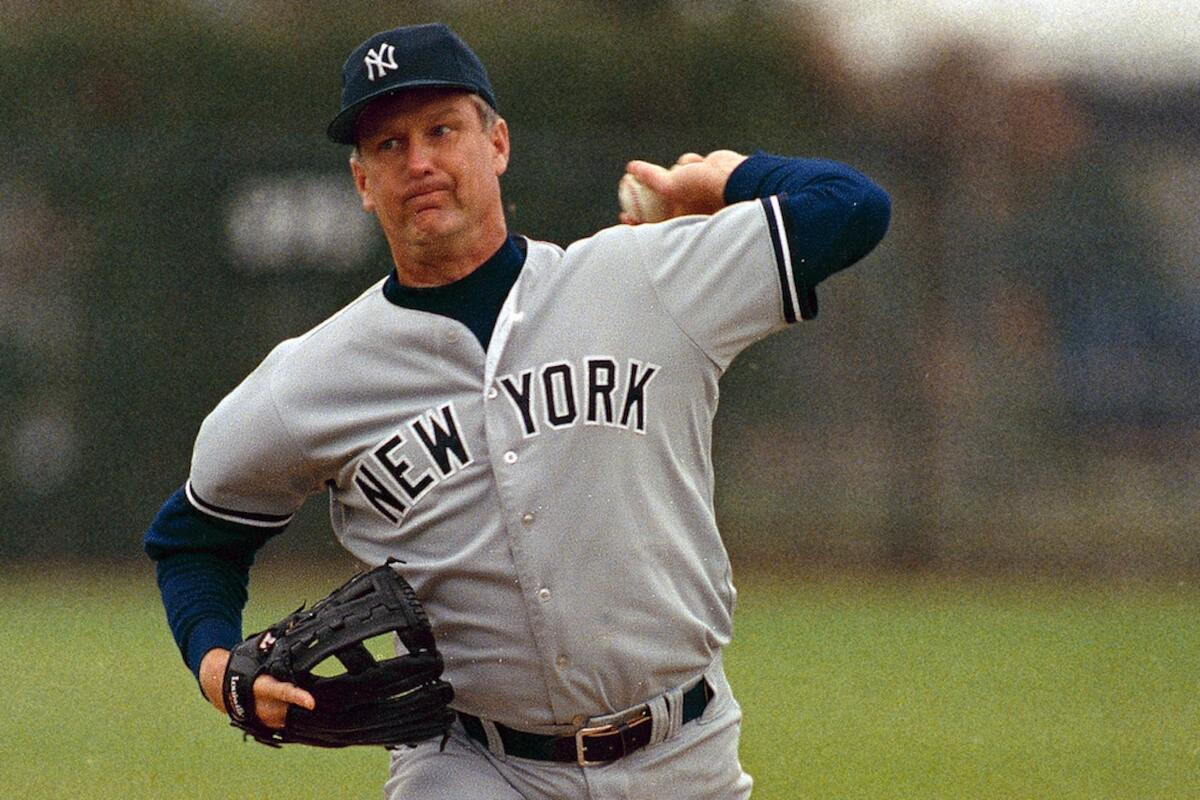
John’s baseball comeback remains one of the sport’s most consequential medical stories. He won 124 games before the 1974 operation and 164 afterward. He finished his 26-year career with a 288-231 record, a 3.34 ERA, four All-Star selections, 700 starts and 4,710 1/3 innings.
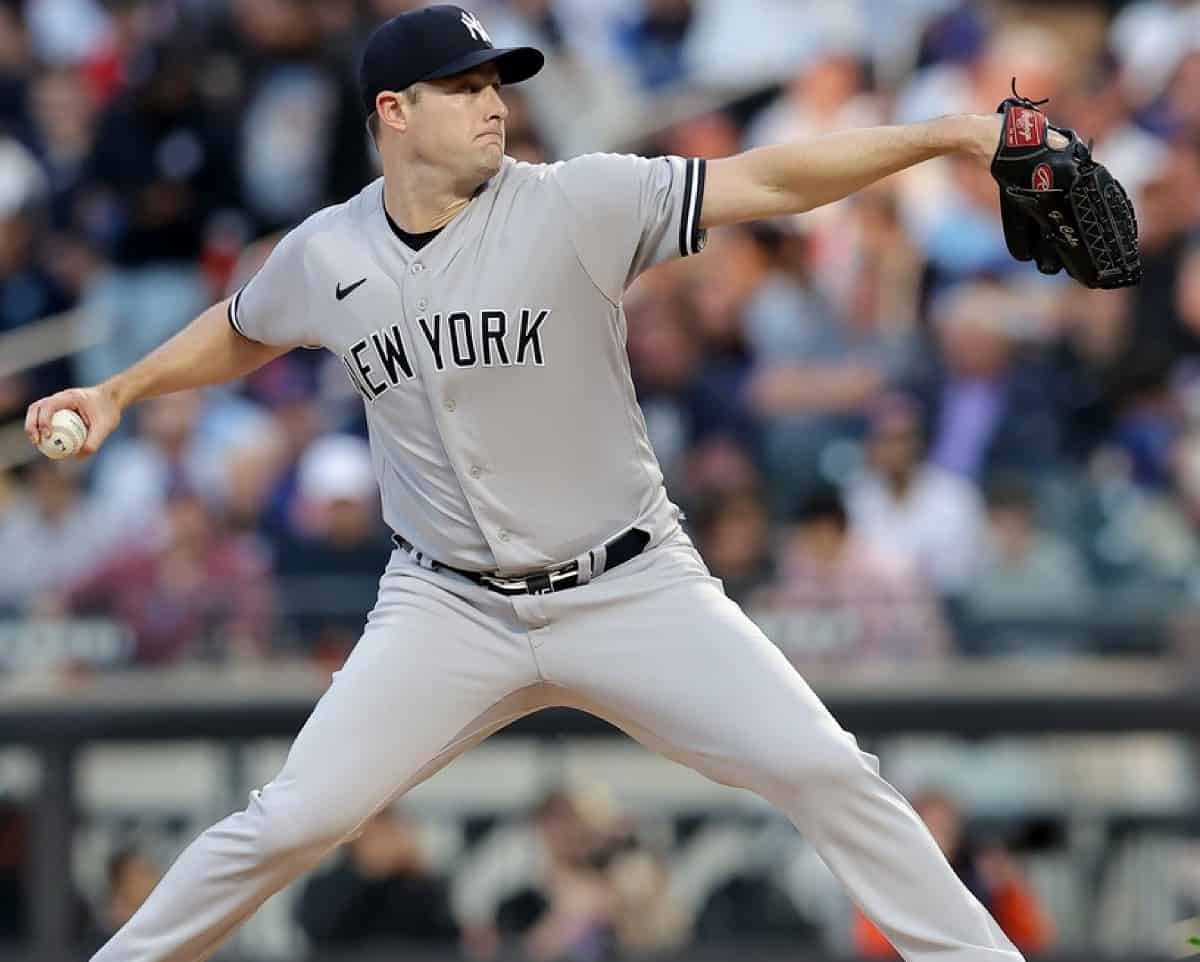
The Yankees were central to his post-surgery success. John signed with New York before the 1979 season and immediately won 21 games with a 2.96 ERA. He followed with 22 victories in 1980, giving him consecutive 20-win seasons in pinstripes. He later returned to the Yankees and pitched until age 46.
The Yankees said Sunday that John’s medical legacy sometimes overshadowed how accomplished he was on the mound. The club called him a “bedrock” of its rotation and asked fans to remember his competitiveness, personality and kindness along with his place in sports medicine.
John had been scheduled to take part in the Yankees’ Aug. 8 Old-Timers’ Day but withdrew because of his health. Instead, the organization shared a farewell message from him. He thanked fans, teammates and friends who followed his career and closed with a simple line: “I will never forget you.”
His death brought renewed attention to a career built around recovery. Yet John’s most difficult tests did not always involve his left elbow or the pressure of October baseball.
One son survived a devastating childhood accident while John was pitching for the Yankees. Another son’s death decades later pushed him into advocacy for families confronting depression and suicide.
Those experiences made John’s story about more than the surgery carrying his name. They made resilience, loss and family part of the legacy the Yankees were remembering along with his 288 victories.
What do you think about Tommy John’s legacy?