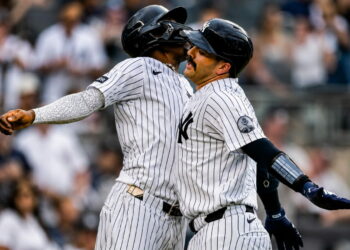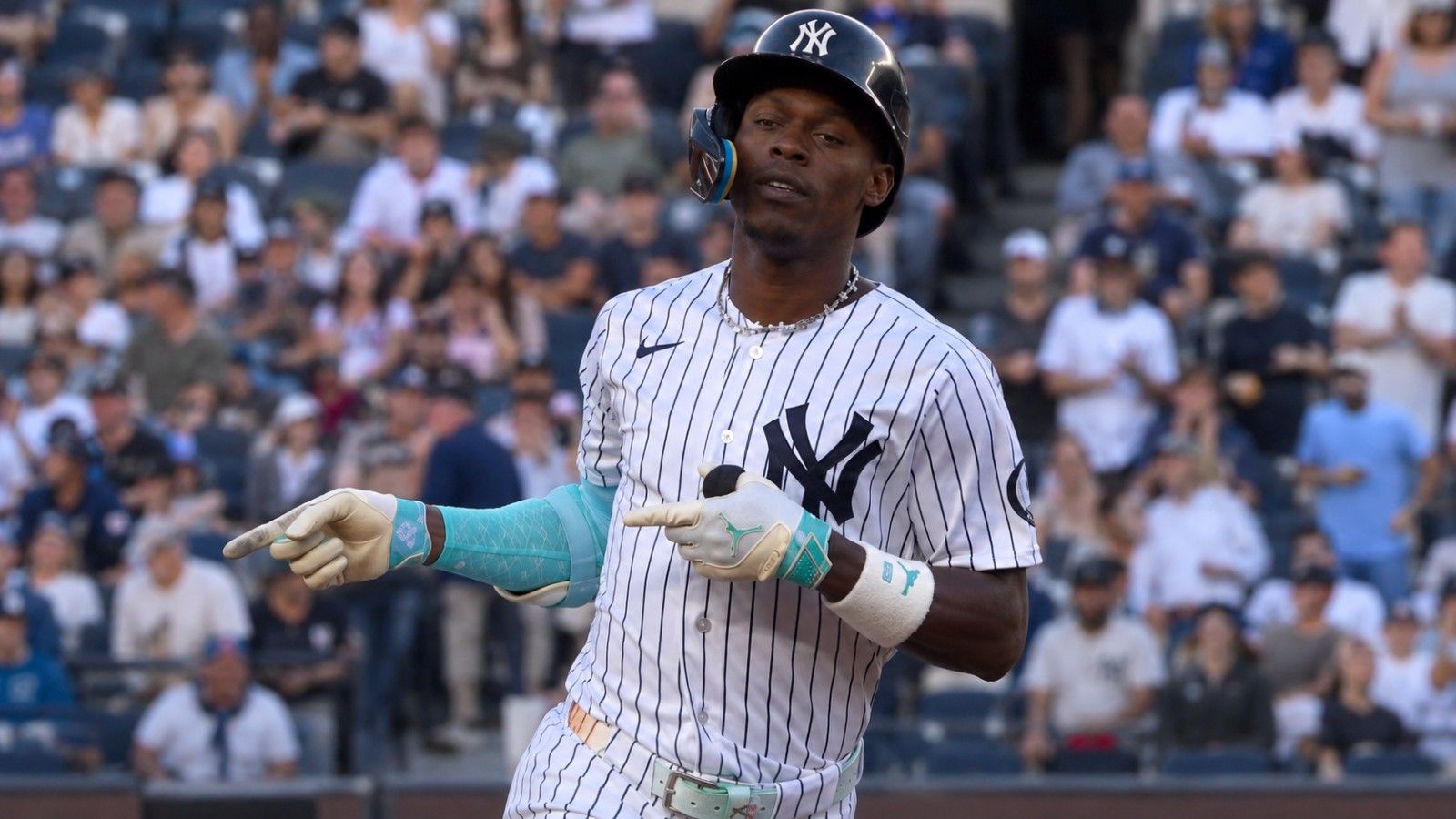
NEW YORK — Jazz Chisholm Jr. is swinging a hotter bat, and the alarm bells around his season have quieted for now. The energy is back, the highlight steals are piling up, and Yankees fans can exhale a little. Yet underneath the recent climb sits a question the surge has not answered, one that could shape the next several years in the Bronx.
The Yankees may like Chisholm’s flair, his speed and his personality. That does not mean they are prepared to pay him like a franchise cornerstone, and the gap between those two ideas is where his future grows cloudy.
A surge that calmed the nerves
Chisholm’s recent stretch did its job in the short term. After a slow and frustrating start, the second baseman has shown signs of the dynamic player the Yankees traded for. In the last 15 games, he is .298/.359/.526 with 3 home runs and 6 RBIs.
His athleticism is undeniable, his defensive range remains a weapon, and his ability to pressure pitchers once he reaches base adds a dimension the lineup needs.
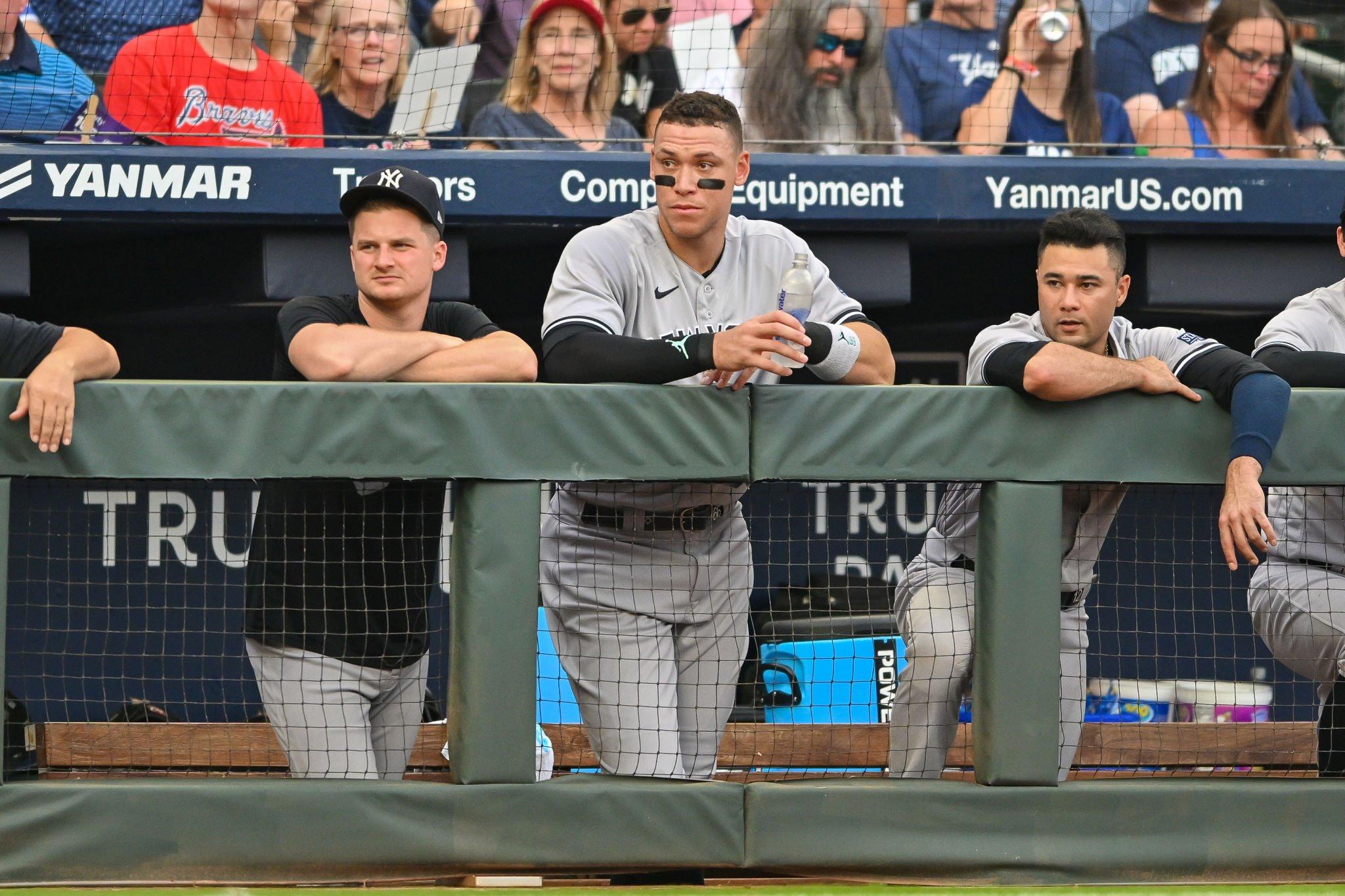
That climb helped silence the panic that had been building. For a player who entered 2026 with big expectations, simply looking like himself again mattered. The Yankees can lean on his energy and the spark he provides, especially during a stretch when the team is navigating life without Aaron Judge.
But easing the panic is not the same as solving the bigger problem. The recent jump improved the mood. It did not settle the contract question hanging over everything.
The numbers that still tell a tough story
Here is the heart of the matter. Despite the uptick, Chisholm’s full-season production has not matched the price tag a star second baseman commands. The overall line remains modest.
In 59 games, Chisholm is hitting .238/.313/.393 with seven home runs, 15 stolen bases, an 99 wRC+ and 1.3 WAR, according to FanGraphs. That is a significant drop from his 2025 form, when he produced 31 homers, 31 steals, an .813 OPS and a 126 wRC+. The difference between those two seasons is enormous, and it sits at the center of his value debate.
The timing makes it sharper. Chisholm is playing on a $10.2 million salary in his final year before free agency. That means his next contract will be measured against star expectations, not flashes of promise. An on-base percentage and a slugging mark that has not carried enough weight leave him closer to league average than impact territory.
Why second base changes the math
This is where the Yankees calculus gets complicated. The position itself works against a massive payday. Second base is not a spot where the Yankees typically commit franchise-level money.
Chisholm’s profile also carries real volatility. The strikeouts remain part of the package, and the empty stretches can pile up quickly. A player with that combination of speed, defense and inconsistent offense can be genuinely useful, but useful does not command a deal north of $30 million per year. The Yankees know the difference, and ordinary offense from second base does not move the organizational math toward a premium contract.
None of that erases what Chisholm brings. It simply frames it. The Yankees can value his tools and still draw a firm line on what they will spend to keep them.
Cashman’s hint about the Yankees’ thinking
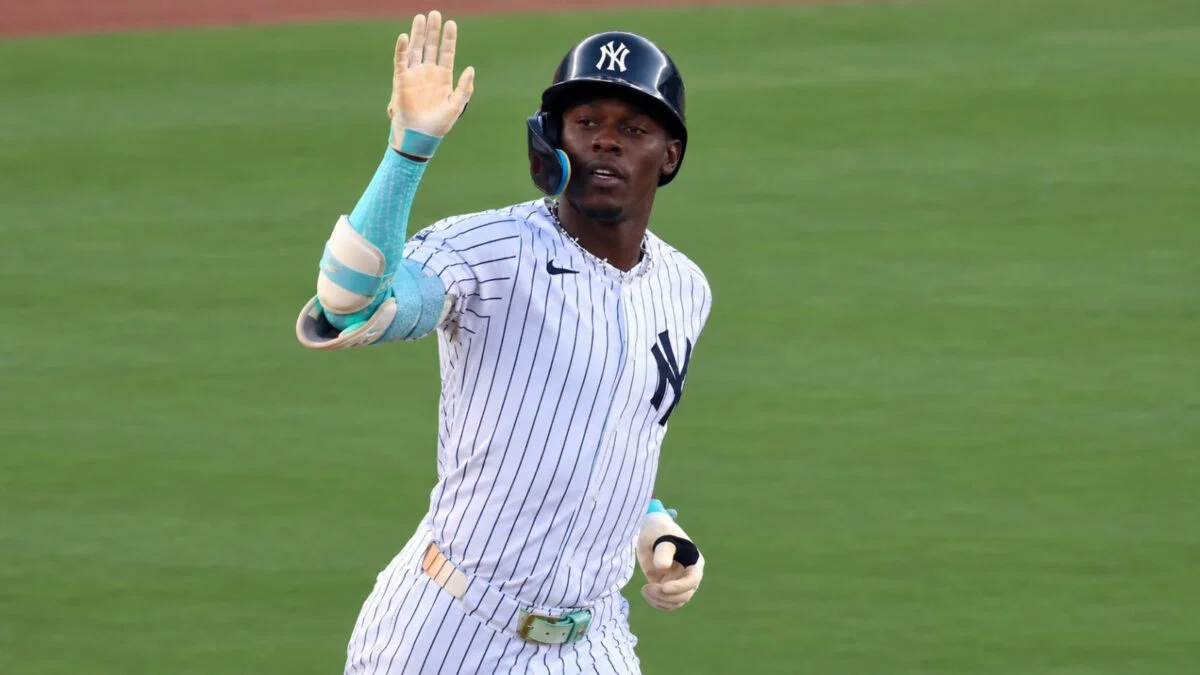
The clearest signal about the team’s stance came from the top. General manager Brian Cashman did not sound like an executive racing to lock up Chisholm long term when he addressed the situation over the winter, and his words carry more weight now.
“Let these things play out, for better or worse,” Cashman said of the approach to Chisholm’s contract status.
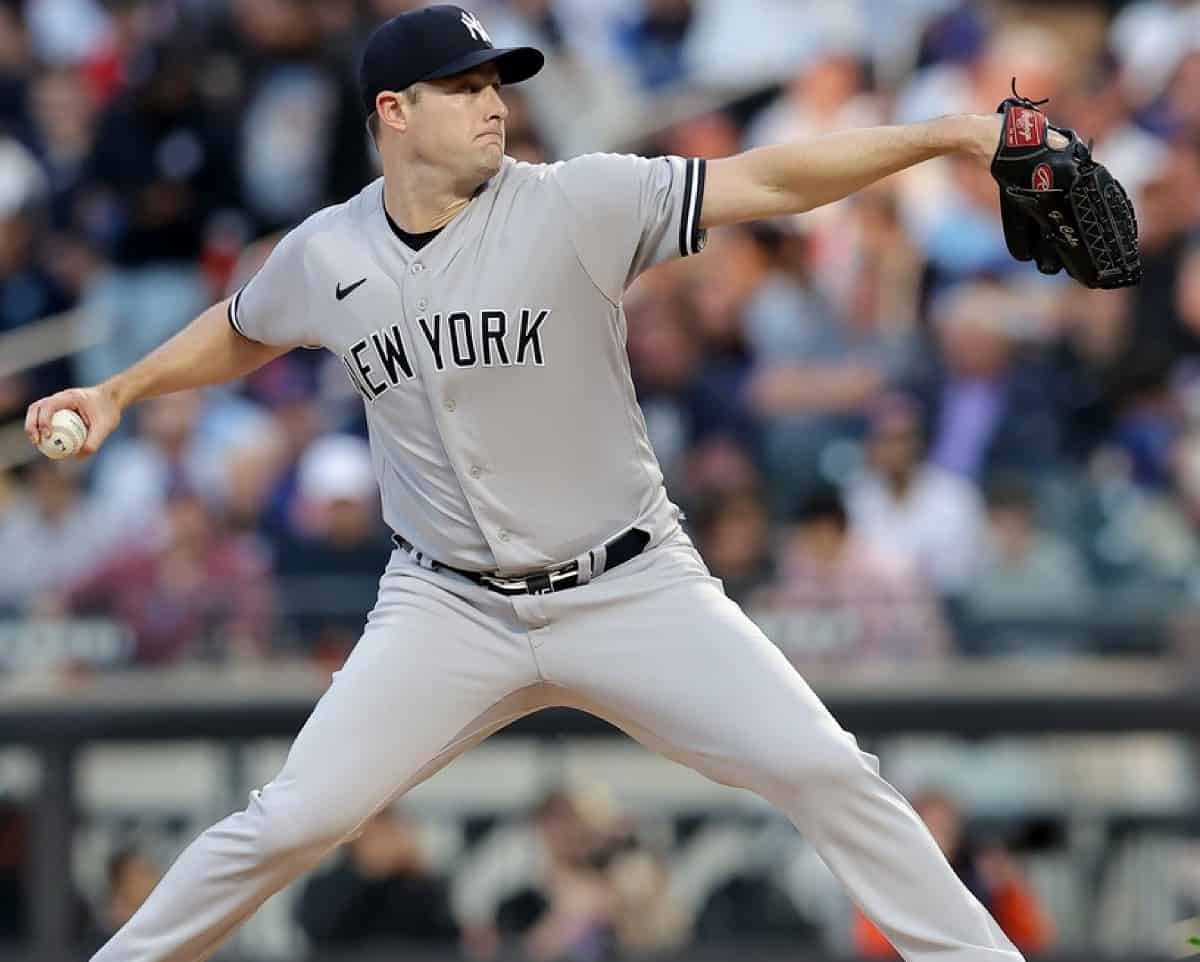
That patience is telling. The Yankees have proven they will spend big on the right players. They paid Aaron Judge. They paid Gerrit Cole. They open the checkbook when a player raises the team’s ceiling. The difference is that those stars changed the franchise’s outlook, and Chisholm, at least so far, has not made himself impossible to let walk.
The ceiling the Yankees may have already set
The likely outcome is starting to take shape. If Chisholm’s representatives push for superstar money, the Yankees appear positioned to pass unless the next few months look dramatically different. A more sensible fit would be a shorter deal or a lower annual value.
In practical terms, that points the Yankees toward strong-regular money rather than franchise-bat money. Something in the mid-tier range fits the profile far better than a commitment approaching $35 million a year. The recent surge may push that number up at the margins, but it has not transformed the conversation entirely.
Chisholm still has time to rewrite the argument. A sustained run of 2025-level production would force the Yankees to reconsider their ceiling and could turn a tricky negotiation into a no-brainer. The season is far from over, and a player with his ability can change the math in a matter of weeks.
For now, though, the picture stays murky. The panic has faded, but the uncertainty has not. The Yankees appear to already know the most they are willing to pay for Jazz Chisholm, and that figure is almost certainly below the one he is chasing. Until his bat closes that gap, his long-term future in pinstripes remains one of the more fascinating open questions on the roster.
What do you think? Leave your comment below.