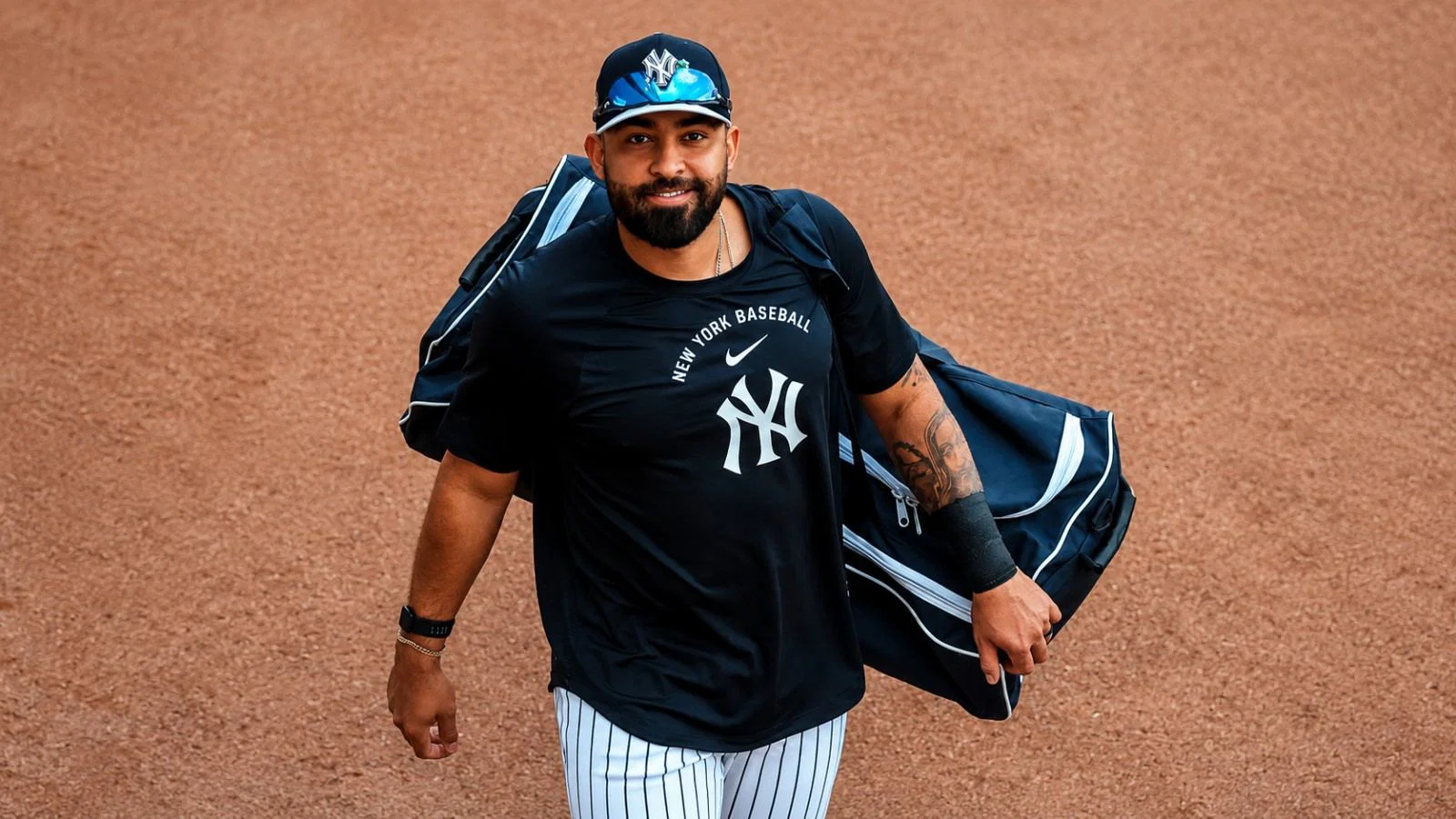
NEW YORK — The Yankees finally did something about their black hole behind the plate. After watching their catchers provide almost nothing at the plate, they swapped one struggling option for a fresh face. The problem is that a fresh face and a real solution are not the same thing, and the Yankees know it.
Out goes JC Escarra. In comes Ali Sanchez. It is a move that changes the look of the position without changing the deeper truth. The Yankees still do not have an answer at catcher, and this swap only underscores how unsettled the spot remains.
A move born of frustration
The decision was a long time coming. The Yankees have gotten almost no offense from their catchers all season, and the breaking point arrived after another empty night. Following a 5-3 loss to the Red Sox in which Austin Wells went hitless again, the Yankees optioned Escarra to Triple-A Scranton/Wilkes-Barre and called up Sanchez, according to YES Network’s Jack Curry.
The timing was not random. With Boston set to start left-handed pitchers in the next two games, carrying two left-handed-hitting catchers who were both scuffling made little sense. Escarra had yet to prove he could hit at the major league level, and the Yankees needed a different look.
This was not a blockbuster. It was a depth move, the kind a team makes when it is trying to shake something loose. But it sent a clear message that the Yankees recognize the catching position has not been good enough.
What Sanchez actually brings
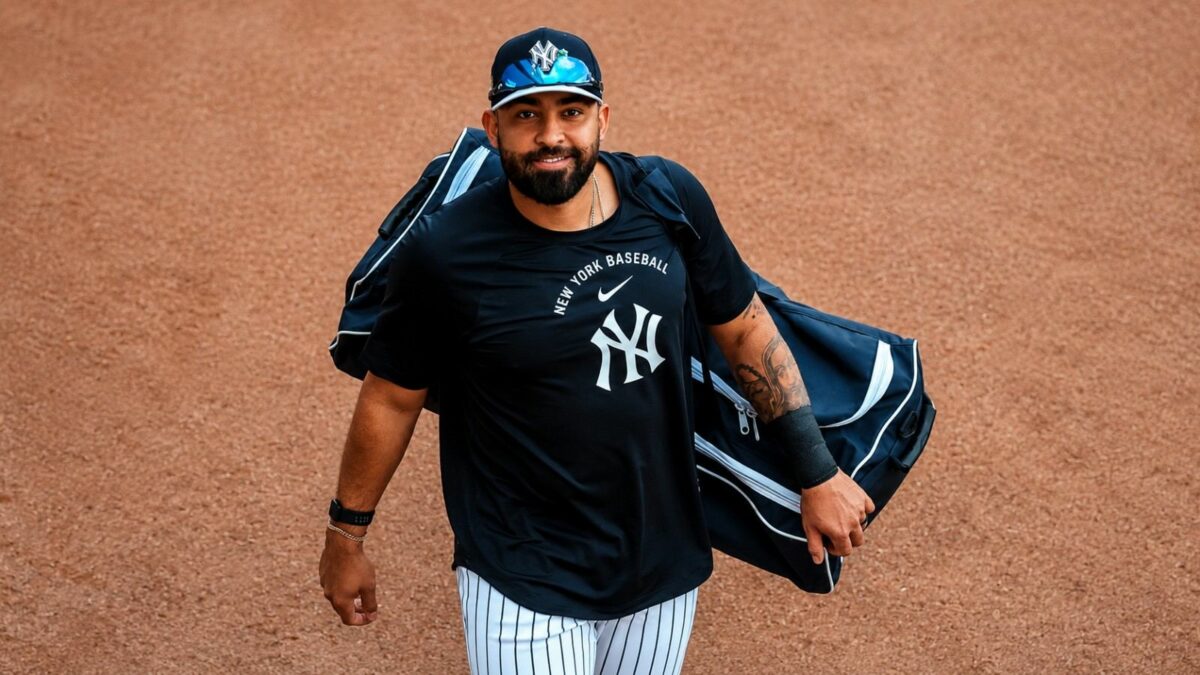
Here is where expectations need tempering. Ali Sanchez offers the Yankees a different profile, not a sudden upgrade. The most useful thing he provides is simply that he hits from the right side.
The 29-year-old has a .702 OPS at Triple-A this season, a number that hardly jumps off the page. One detail stands out, though. Five of his six home runs there have come against right-handed pitching, an unusual split that gives the Yankees a right-handed bat with surprising pop against the arms most righty hitters are supposed to struggle with less.
That does not make him a lineup fix. Sanchez has bounced around the game enough that his profile is well understood. He is an experienced, contact-oriented depth catcher with some defensive stability and a bat that only matters in the right matchup. He has played 50 games in the majors after coming up through the crosstown Mets system. The Yankees are not asking him to save the position. They need competent at-bats, steady work handling the pitching staff, and the occasional damage on a mistake.
The slump that forced the issue
The move also reflects how badly the incumbents have struggled. Wells, the primary catcher, has been stuck in a season-long offensive rut that reached a low point this week.
Since a three-hit game on May 26, Wells has gone just 1-for-18 with no extra-base hits, two walks and six strikeouts. He was booed at Yankee Stadium after striking out in the seventh inning of Friday’s loss. The Yankees still trust his defense and game-calling enough to keep running him out there, but the bat has been a genuine drag, especially now with Aaron Judge sidelined and every run harder to come by.
Escarra, the other half of the left-handed-hitting tandem, never forced his way into a bigger role with his offense. That left the Yankees with two lefty bats producing little, which is exactly the imbalance the Sanchez call-up tries to address, at least temporarily.

The Ben Rice question lingers
This is the part of the catching puzzle the Yankees keep circling. Ben Rice is the name fans bring up, because he has real catching experience and has emerged as one of the best hitters in the majors. But using him there is far more complicated than it sounds.
Rice started 26 games behind the plate last season. Now, with his bat too valuable to risk, the Yankees have been reluctant to move him off first base and designated hitter. General manager Brian Cashman did not slam the door on the idea, but he made clear it is not a current plan.
“It’s something I’ll defer to down the line,” Cashman said when asked about Rice catching once Stanton returns. “Rice has been fantastic and is certainly capable of going behind the plate. We’ll kick it around down the line. It’s not something that’s on the radar now.”
The logic is sound. With Judge out, the Yankees need Rice’s bat in the lineup every day, and the physical toll of catching could sap his production. Pushing him behind the plate to fix one problem would risk creating another.
A bigger answer the Yankees still owe themselves
The Sanchez move does not erase the question hanging over the position. If anything, it confirms the Yankees know the internal group was not working. A short-term shuffle buys time, not resolution.
Cashman expressed faith in the players he has at catcher and third base, both spots where the offense has lagged. He framed it as belief in the group rather than a signal of inaction.
“Hopefully they saved all their bullets for now,” Cashman said. “They’re more than capable. They’re good players and we do believe in them. Hopefully the best is yet to come from those positions.”
Still, Cashman left the door open to bigger moves, saying he is always open-minded about ways to figure things out. With the August trade deadline approaching, the catching spot looms as a clear target if the offense keeps dragging. For now, the Yankees have given themselves a new look and a right-handed option against lefties. What they have not given themselves is a real answer behind the plate, and that reckoning has merely been pushed down the road.
What do you think? Are the Yankees trying to mask the real issue?