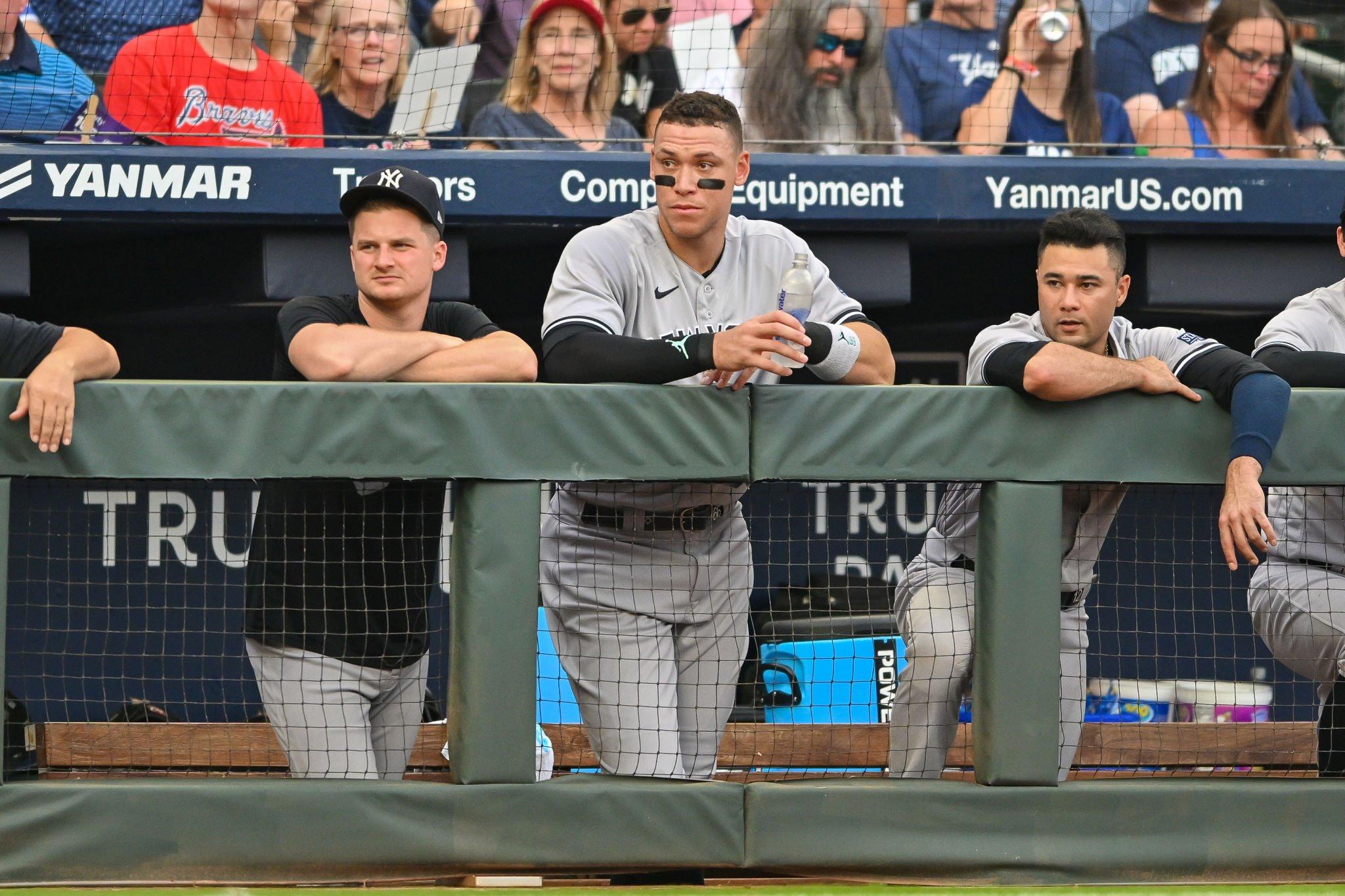
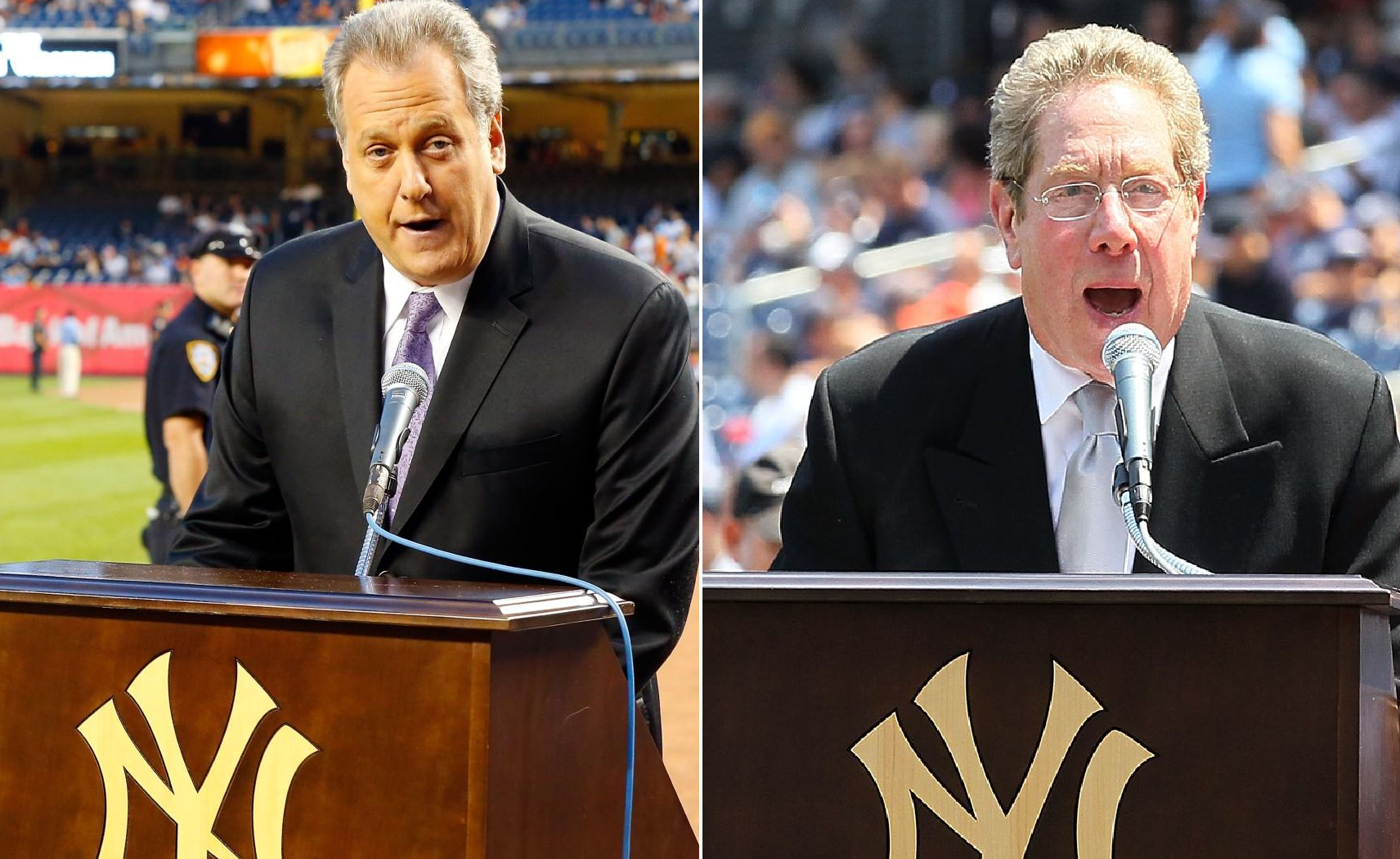
NEW YORK — Austin Wells has become the regular catcher for the Yankees. The club drafted him with the 28th pick in 2020. He reached the majors in September 2023. The 2025 season marked his second full year with the Yankees. He finished the year with a .219 average, 21 home runs and a .275 on base percentage.
His defense has been strong. Baseball Savant credited him with an 11 Fielding Run Value in 2025. He also produced a 3 WAR. Only a small number of American League catchers reached that level.
Yet the Yankees now face an unsettling claim from a former pitcher who still works for the organization. He has raised a concern about a detail that adversely affected the performance of the Yankees pitching staff.
A subtle movement catches his trained eye
Former Yankees reliever and organizational official Joe Ausanio shared his worry about Austin Wells on social media last month. His claim hinted at a reason behind some late game struggles that frustrated the Yankees this season.
Posting under the handle ExYank54 on X, Ausanio wrote “I could be wrong but I really think Wells is tipping pitches.”
He followed that with more detail. “On the change up his head moves down prior to the pitch and then see on the fastball he stays tall.”
The movement is easy to miss. Even with his explanation, many fans cannot see it. Only people with major league experience can often pick up such tiny signals. That is why the claim carries weight. If a former big league pitcher notices it, opposing hitters may notice it too.
If Ausanio is right, the strong defensive numbers may hide a deeper problem for the Yankees.
The man behind the claim knows Yankees and baseball
Ausanio does not speak as an outsider. He pitched in 41 games for the Yankees in 1994 and 1995. He posted a 4 and 1 record and struck out 51 hitters over 53.1 innings. His stint matched the period when the Yankees returned to the postseason after years away.
He never left the Yankees circle after that. He joined the Hudson Valley Renegades in 1997. He has held many roles since then. They include director of sales, director of food services and director of baseball operations. He was also inducted into the Dutchess County Baseball Hall of Fame earlier this month.
These positions keep him close to the Yankees system. He interacts with young players and sees development firsthand. He also coaches the Marist College softball team. His view matters because he understands the work behind the scenes and would prefer that his concern be proven wrong.

Pitch tipping carries devastating consequences
Pitch tipping is treated with extreme seriousness across baseball. Even the smallest signal can shift the balance of a game. If a hitter knows the pitch type before it leaves the hand, the advantage is huge. They can prepare faster. They can avoid pitches they do not want. They can sit on a certain pitch in a key moment.
Ausanio believes Wells lowers his head only on off speed pitches. That motion does not appear the same on fastballs. Opposing hitters could use that difference to guess pitch types. That would help them time swings better and hurt Yankees pitchers.
This claim also arrives with context behind it. The Yankees recently dealt with chatter about pitch tipping on the hitting side. Gary Phillips of the New York Daily News and Andy Martino of SNY shared observations of Yankees hitters passing information about Toronto pitchers. Blue Jays manager John Schneider spoke about it in September.
Ausanio implied that Toronto may have gained something in return. They scored six runs off the Yankees in their ALDS meeting. The Yankees still won the game, but the production raised questions. It led some to wonder if the Blue Jays spotted something the Yankees missed.
Critical moments reveal potential damage
Wells faced one of his biggest moments of the season in the Yankees playoff matchup. He came up with the bases loaded against Toronto. The Yankees trailed. Jeff Hoffman was close to losing the inning. Wells swung at the first pitch and flew out. The ball left his bat at 95.7 MPH and went to left fielder Myles Straw.
The Yankees were knocked out an inning after that. The moment showed a season long concern. Wells did not deliver consistent offense for a first round pick. His .219 average ranked low among everyday catchers. His .275 on base percentage added pressure despite the home run total.
But the question now extends past offense. It reaches how he works behind the plate. Catchers manage the game. They choose pitches. They guide pitchers through counts. They set up targets with each pitch.
Any motion that reveals the next pitch breaks that flow. It hurts pitchers before the pitch even starts. It damages planning and the element of surprise. It can turn strengths into weaknesses.
The Yankees must investigate immediately
The claim is still only an observation. Ausanio himself admitted he may be wrong. The movement is subtle. Most people cannot see it. But the Yankees coaching staff must examine it.
The organization has deep video tools. They can study every pitch Wells caught this season. They can compare his setup on fastballs and off speed pitches. They can track head movement at each stage. They can see if opposing teams had unusual success on certain pitch types.
If the claim is true, the issue can be fixed. Catchers often work on reducing signals. Awareness is the first step. The offseason gives time for focused correction without game pressure.
The Yankees need Wells to develop. They picked him in the first round for his power. Catchers with real hitting ability remain rare. Jose Trevino brings veteran depth. Ben Rice can also step in. But Wells was expected to be the primary catcher for years.
Stakes remain high for both sides
Wells has four more seasons before free agency. The Yankees hold his rights through 2030. Both sides benefit from addressing problems early. Wells wants to grow into a trusted major league catcher. The Yankees want value from the investment they made.
Ausanio added urgency by making the claim public. He could have kept it inside the system. Public comments suggest he sees real risk. His role in the organization means the Yankees cannot ignore it.
Pitchers and catchers work as one unit. Any hint of pitch tipping demands fast action. Major league games are decided by thin margins. A small head movement could decide wins, losses or playoff exits.
The Yankees will review video this winter. They will work with Wells on his setup. They will study whether Ausanio found a real problem or spotted something accidental. Their decision will shape their catcher plans for 2026.
What do you think? Leave your comment below.