NEW YORK — The New York Yankees may not have reached the World Series in 2025, but they topped a different and influential list. Forbes analyst Tony Blengino released his annual true-talent rankings, and the Yankees were ranked No. 1 in Major League Baseball. The Los Angeles Dodgers followed at No. 2, while the Toronto Blue Jays came in at No. 7.
Blengino’s system goes beyond traditional standings. His approach evaluates the underlying skills that show what teams should have achieved based on exit speed, launch angle, and overall quality of contact. The results often highlight which rosters had the most talent, even if the final win totals fell short.
Yankees claim top spot despite playoff disappointment
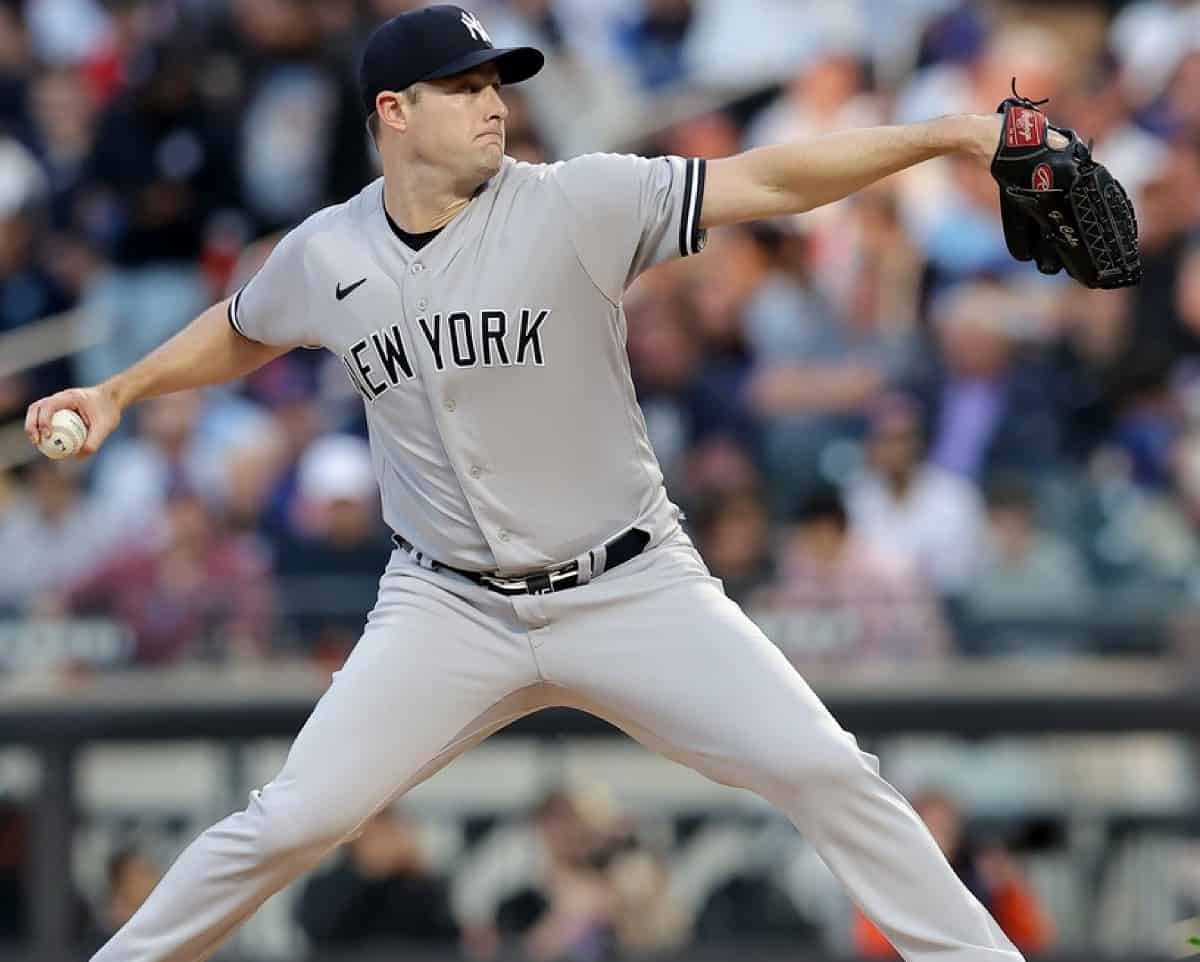
The Yankees secured the top position in Forbes’ 2025 true-talent rankings. The analysis projected a 101-61 record for New York based on contact quality and outcomes. That number was seven wins better than their actual 94-68 finish.
On offense, the Yankees led all of baseball with a rating of 118.6. Their pitching ranked sixth at 93.1, while defense came in at 98.5, placing them 13th overall.
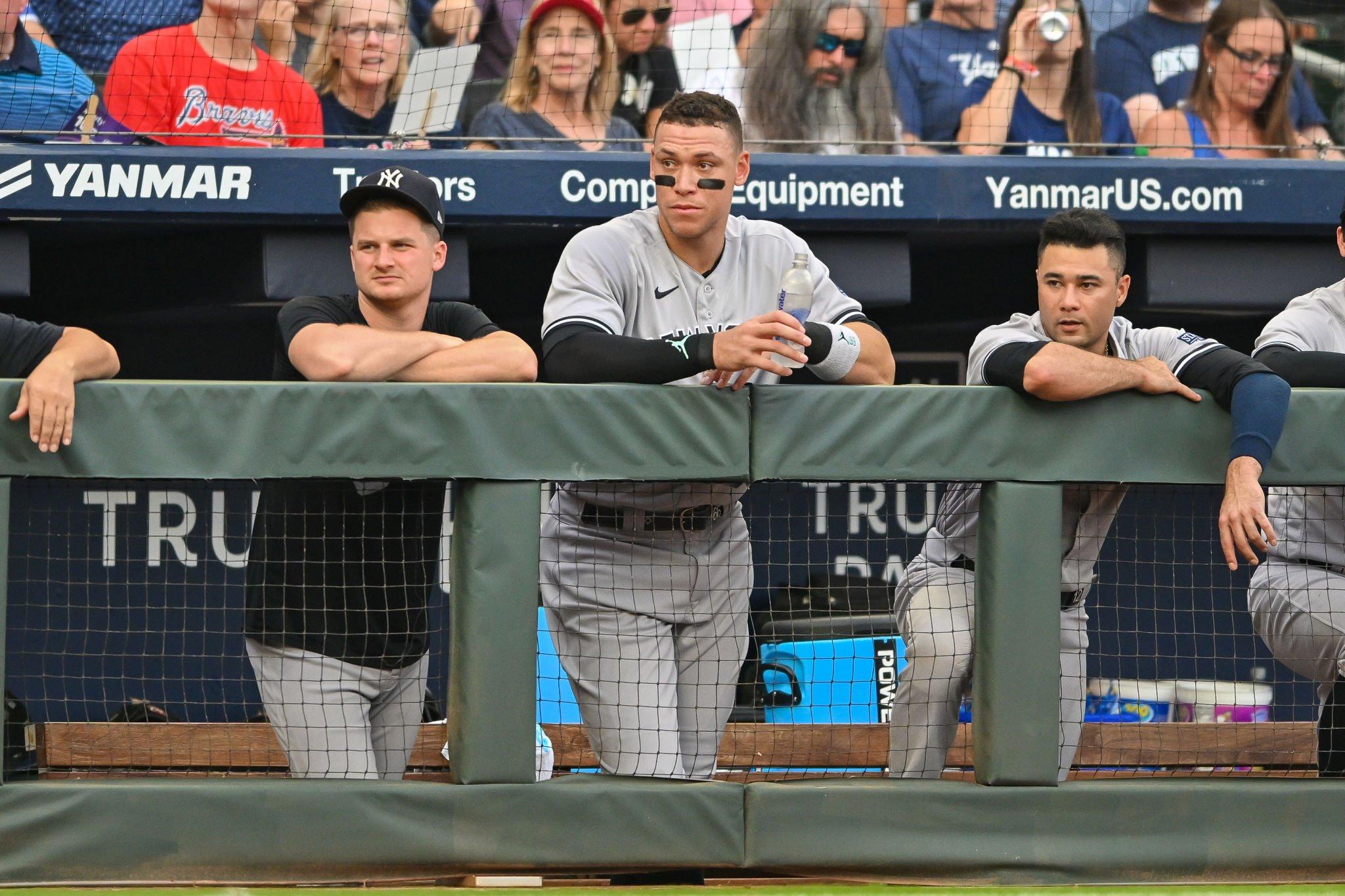
Aaron Judge powered an explosive offense that produced a team average exit velocity of 90.4 mph, the highest in MLB. The Yankees also posted a +1.9 mph launch angle advantage and a +99 home run differential. Those figures helped them dominate opposing pitchers and secure the No. 1 ranking.
Blengino explained the rankings by noting: “Think of this as an ordered listing of a team’s raw materials — and some teams do more with those than others, thanks to a team’s connective tissue, not to mention good old-fashioned luck.”

Dodgers rise to second after late surge
The Los Angeles Dodgers finished second in the rankings. Their projected record of 96-66 beat their actual 93-69 mark by three wins. The Dodgers’ season changed dramatically after the All-Star break.
Early in the year, their pitching staff ranked only 14th. But the return of Shohei Ohtani, Blake Snell, and Tyler Glasnow transformed their rotation down the stretch. Although injuries limited those pitchers to fewer than 200 combined innings, their presence helped fuel the surge.
Yoshinobu Yamamoto provided steady production throughout the year. The Dodgers’ offense ranked third at 112.8, and their pitching closed the year at fourth with a 91.9 rating.
The staff recorded 1,505 strikeouts, most in the majors, with a +152 strikeout differential. They also outperformed opponents with a +245 fly ball and +46 line drive differential. Their +69 home run advantage ranked third overall.
The Dodgers’ defensive rating of 100.6 placed 19th, leaving some room for improvement even as their roster remained one of baseball’s deepest.
Blue Jays rank seventh with balanced roster
Toronto placed seventh in the Forbes rankings with a projected 90-72 record, nearly identical to their actual 89-73 finish. The Blue Jays stood out for balance across all areas.
Their offense ranked fourth in MLB at 108.2. The pitching staff came in fifth with a 92.0 rating. Defense ranked 14th with a 98.6 mark.
The Blue Jays showed a contact-driven approach that contrasted with power-heavy clubs like the Yankees and Dodgers. They struck out 266 fewer times than opponents and put 319 more balls in play. Their 88.3 mph average exit speed was below average, but they made up for it with singles and doubles that consistently pressured opponents.
Toronto was out-homered on the season but still managed to rank among the top teams through disciplined hitting and balanced roster construction.
How Forbes’ true-talent system works
Blengino’s model measures exit speed and launch angle for every batted ball by and against each team. League averages then determine what production should have been based on those factors. Adding strikeouts and walks helps create offensive and pitching ratings, using 100 as the league average.
Defense is evaluated by comparing actual results against projected outcomes. Teams that underperform relative to expectations receive penalties. In 2025, six teams, including the Yankees, were docked for pulling too many ground balls without generating expected production.
This system captures elements that traditional statistics miss. It highlights where teams excel in raw ability even if luck, timing, or situational play impacted their win totals.
Other top finishers across MLB
The Philadelphia Phillies ranked third overall with a projected 95-67 record, nearly identical to their actual 96-66 season. Their pitching led baseball with an 87.3 rating. They held opponents to an 88.1 mph average exit velocity, lowest in MLB, and drew 93 more walks than they allowed.
The Chicago Cubs placed fourth with a projected 93-69 finish. Their offense rated sixth overall at 107.6, and their defense came in fourth at 94.1.
The Milwaukee Brewers were fifth, surprising analysts after jumping 12 spots from midseason. Their offense had the lowest average exit velocity at 87.6 mph, but they made up for it with elite defense anchored by shortstop Joey Ortiz. Their pitching ranked second in the majors with a 91.0 rating.
The San Diego Padres landed sixth with a projected 90-72 mark. They put 404 more balls in play than opponents despite modest exit velocities.
The Detroit Tigers placed tenth with an 88-74 projection. The Houston Astros ranked eleventh, and the Tampa Bay Rays shocked many by placing twelfth despite finishing 77-85.

Analyst brings scouting and data together
Tony Blengino has been covering Major League Baseball for Forbes since 2018. His background includes experience as an Area Scout and Assistant Scouting Director with the Milwaukee Brewers. He also worked as a Special Assistant to the General Manager for the Seattle Mariners.
The blend of scouting and analytics defines his rankings. Blengino uses modern data analysis along with traditional observation to assess big-league, minor-league, and amateur talent. His model measures performance beyond just wins and losses, offering fans a clearer look at true team strength.
Yankees’ dominance supported by stars
The Yankees’ offensive supremacy extended beyond basic metrics. Max Fried and Carlos Rodon anchored a pitching staff that maintained consistency throughout the season.
Minor weaknesses existed within the Yankees’ profile. They barely put more balls in play than opponents with only a +48 differential. Most other top clubs exceeded opponents by significantly higher margins in this category.
The Yankees received an extreme grounder-pulling penalty, one of six teams assessed this adjustment. Their team defense rated squarely in the league average range at 98.5.
Aaron Judge’s monster season drove much of the offensive success. The analysis noted Judge “easily deserves the AL MVP award” despite competition from Seattle’s Cal Raleigh.
The concentration of greatness among select players raised questions about roster depth. Judge and the top starting pitchers carried significant weight while the supporting cast performed at ordinary levels.
What do you think? Leave your comment below.