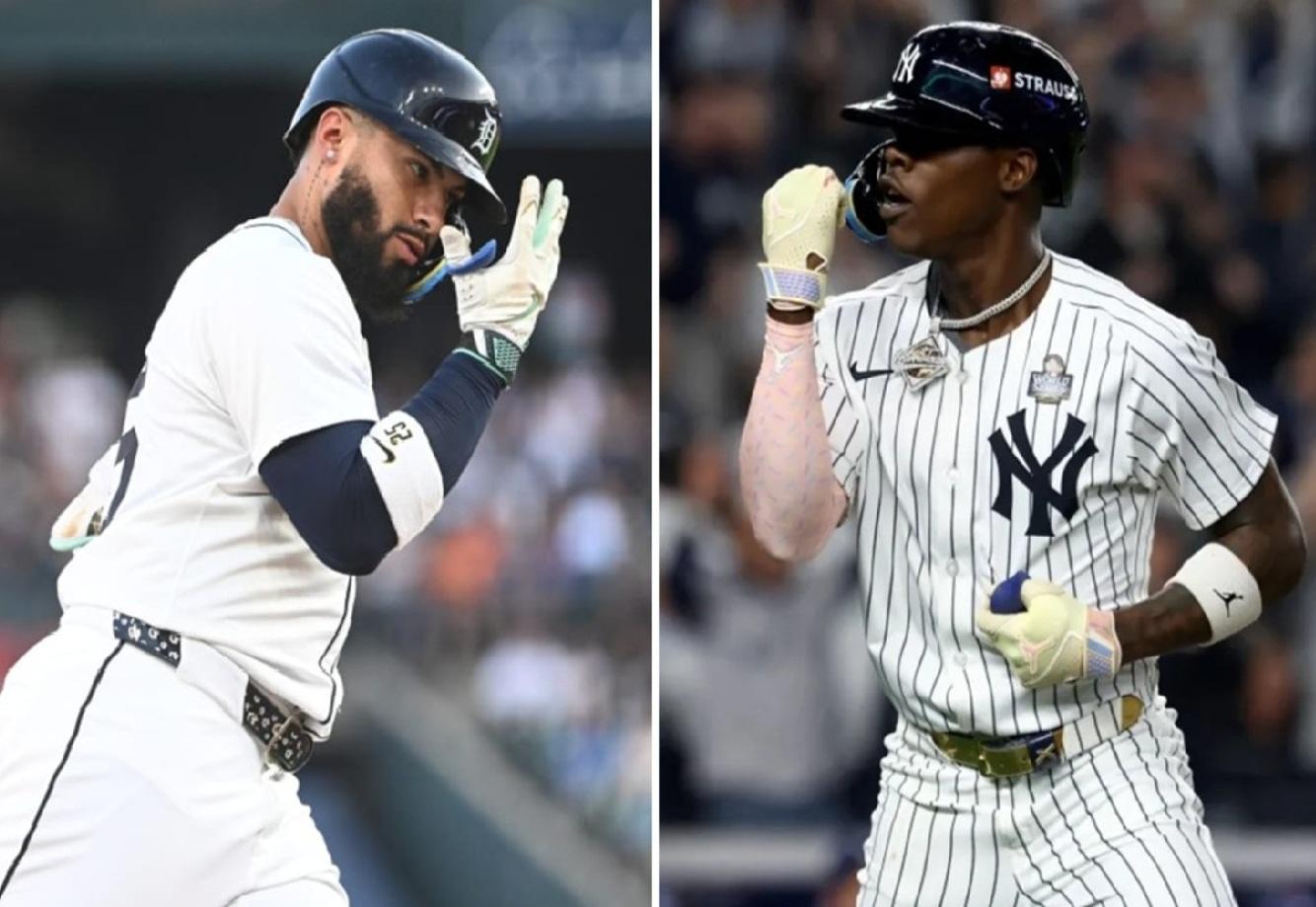
NEW YORK — Jazz Chisholm Jr. has taken command of the American League’s second base conversation in 2025, giving the Yankees the star power they once sought from Gleyber Torres. While the team struggles in the standings, Chisholm’s numbers at the plate and in the field have separated him from his peers across the league.
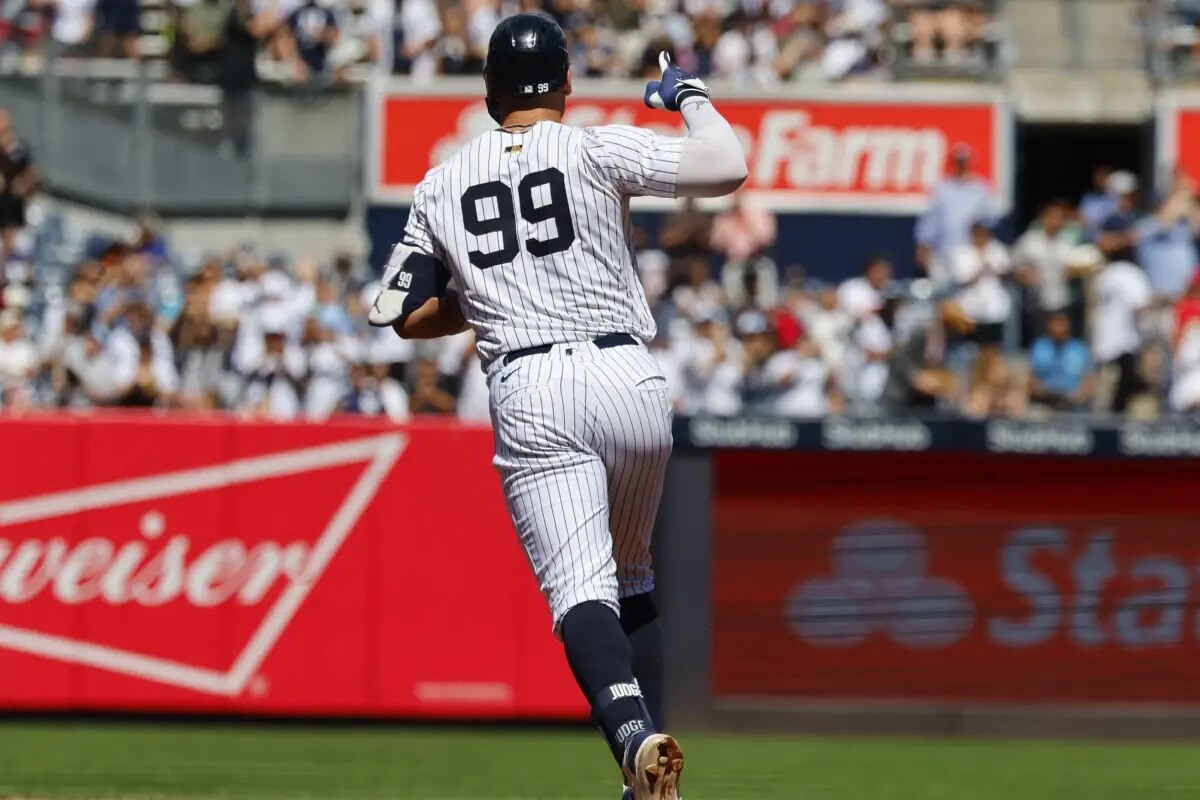
The 27-year-old has already hit 25 home runs and reached his 100th career homer on Aug. 24 against Boston, a milestone that came in an emotional two-homer performance following the death of a close friend. His ability to deliver during moments of adversity has added to his growing stature in the clubhouse.
Chisholm’s rare mix of power and speed has revived comparisons to Alfonso Soriano, who in 2003 was the last Yankees second baseman to post a 20-homer, 15-steal season. Chisholm has matched that production while also providing steady defense up the middle.
Statistical edge makes Chisholm AL’s premier second baseman

Across the league, Chisholm’s offensive production has been unmatched at the position. His 25 home runs lead all AL second basemen, well ahead of Torres’ 14 with Detroit. Chisholm also ranks first among the group in weighted runs created plus (wRC+) at 129, according to FanGraphs, further illustrating his role as the top offensive threat at the position.
His 3.7 fWAR through late August more than doubles Torres’ 2.9 mark, underscoring his superior overall value. Chisholm’s slugging percentage adds another layer of separation, boosted by his consistent ability to drive the ball out of the park and into the gaps.
FanGraphs recently ranked him fourth among all MLB second basemen, while Torres placed 11th. The distinction highlights just how much Chisholm’s game has grown since taking over full-time duties in the Bronx.
Torres rebuilds career in Detroit
Meanwhile, Torres has written his own comeback story. After signing a one-year, $15 million deal with the Tigers in December, the 28-year-old Venezuelan infielder has reestablished himself as a dependable starter. His play earned him a starting nod in the 2025 All-Star Game, his third career selection but first as a starter.
Torres has posted a .281 average with nine homers and 45 RBI through the All-Star break, producing consistent contact and improved plate discipline. His .363 on-base percentage places him among the better second basemen in the league when it comes to reaching base.
Detroit manager A.J. Hinch has praised Torres for his impact both on and off the field, crediting his leadership as a factor in the Tigers’ unexpected playoff push. Torres’ decision to sign with Detroit, even while leaving larger financial offers on the table, has reinforced his image as a veteran who values winning.

Defense highlights key differences
The defensive contrast between the two players remains significant. Chisholm has delivered above-average range and reliable execution at second base, a steadying presence for a Yankees infield that has lacked consistency. His fielding metrics consistently place him above league average, something manager Aaron Boone has noted since returning him to his natural position after experimenting at third base.
Torres, long criticized for defensive struggles during his time in New York, has improved since joining Detroit. Working with infield coach Joey Cora, he has climbed to league-average defensive ratings. Still, his overall metrics trail Chisholm, whose athleticism and range continue to be difference-making attributes.
Different paths, different narratives
Perhaps the clearest difference between the two lies in their team situations. Chisholm’s individual dominance has not been enough to lift the Yankees into serious contention. New York remains outside of playoff position as August winds down, falling short in the competitive AL East despite Chisholm’s contributions.
Torres, in contrast, has been central to Detroit’s surprising turnaround. The Tigers entered late August with a 78-56 record, putting them in firm control of an AL Central race few predicted them to win. His steady performance and veteran leadership have given Detroit a foundation for postseason play.
That narrative gap played into All-Star voting, where Torres earned the starting second base spot while Chisholm was named as a reserve. The difference reflects the influence of team success in shaping recognition, even when Chisholm’s individual numbers lead the field.

August highlights for both stars
The final weeks of August reinforced the contrasting arcs. Chisholm added to his highlight reel with his two-homer game against Boston on Aug. 24, a performance that included his 100th career blast and came under emotional circumstances. The display of resilience resonated with teammates and fans alike.
Torres continued steady production for Detroit, keeping the Tigers in playoff position with consistent contact hitting and situational offense. His role as a veteran leader has grown, as he has been vocal in calling for roster improvements and maintaining clubhouse confidence.
Who holds the crown at second base?
As the season turns toward its final month, the battle between Chisholm and Torres for recognition as the AL’s best second baseman underscores two paths to value. Chisholm, with his power, speed and defense, has separated himself statistically from the field. Torres, through steadiness and leadership, has helped drive a franchise revival in Detroit. For the Yankees, the story is simple: in Jazz Chisholm, they have found a star whose production ensures Gleyber Torres’ departure no longer stings as it once did.
What do you think?