The Los Angeles Dodgers’ successful pursuit of Japanese pitching sensation Roki Sasaki has unleashed a wave of controversy across Major League Baseball, with the New York Yankees and Mets leading a chorus of dissent over the recruitment process. The signing, while anticipated, has sparked serious allegations regarding competitive fairness and the potential misuse of confidential information, throwing the integrity of MLB’s international signing procedures into question.
Sasaki’s path to Los Angeles
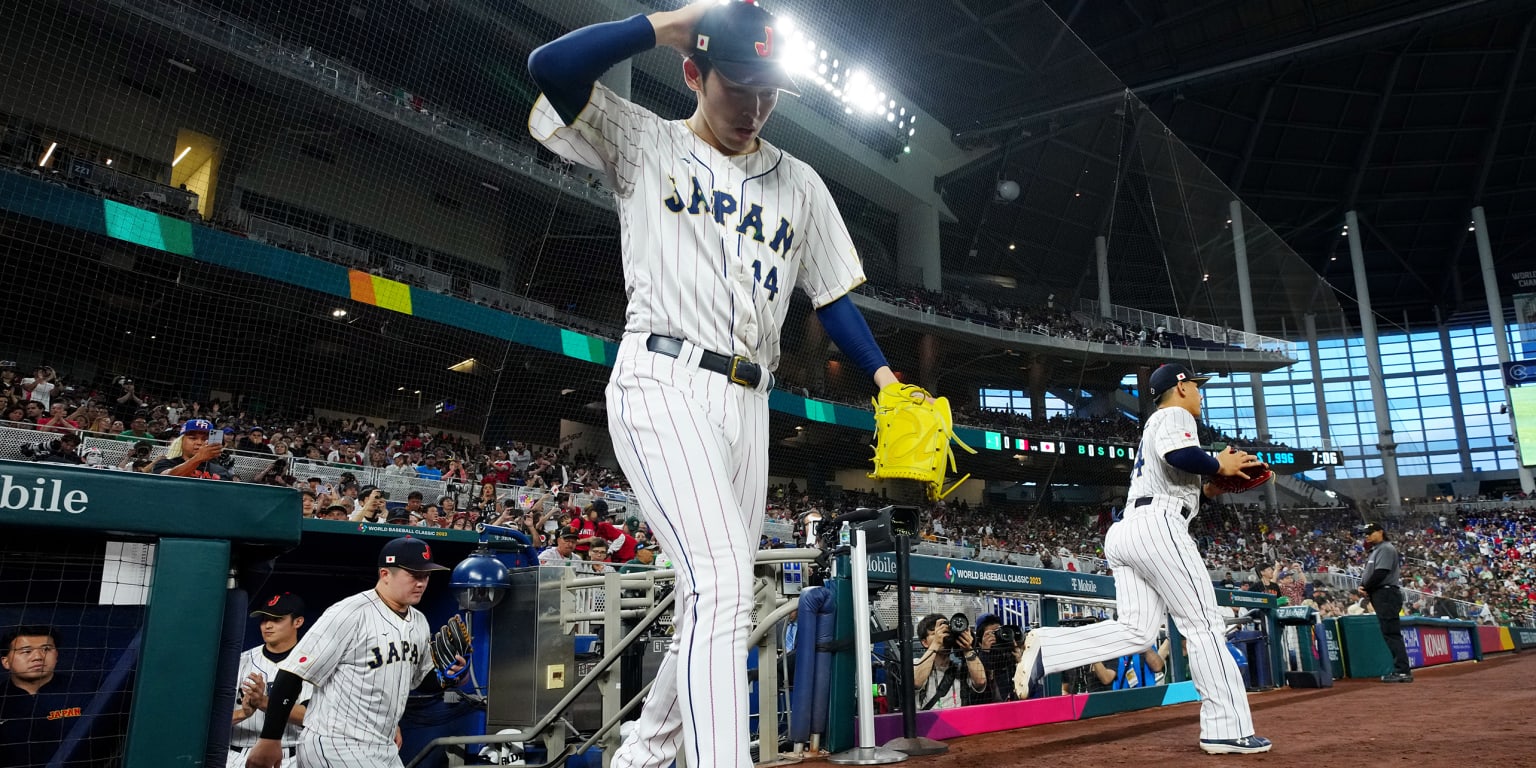
The acquisition of Roki Sasaki represented a culmination of intense competition for one of baseball’s most coveted international prospects. The 23-year-old right-hander arrived with impeccable credentials: a masterful 2.02 ERA, razor-sharp 0.88 WHIP, and 524 strikeouts across 414 2/3 innings during his tenure with the Chiba Lotte Marines.
When Sasaki entered the posting system in January, he drew immediate interest from baseball’s elite franchises. The Dodgers, Yankees, Mets, Blue Jays, Padres, Rangers, Giants, and Cubs all pursued the young phenom. However, whispers of Los Angeles’s inside track proved prophetic when Sasaki inked his deal with the Dodgers on January 17, accepting a $6.5 million posting bonus.
Despite MLB’s investigation finding no evidence of impropriety, industry skepticism remains rampant. ESPN’s Buster Olney captured the prevailing sentiment:
“They don’t believe it was ever on the up and up. There’s so many people who believe this was a done deal ahead of time.”
Proprietary data dispute

The controversy centers on an unusual request from Sasaki’s representatives during the evaluation process. Teams were asked to analyze his fastball velocity, which had declined to 96.9 mph in recent outings, and provide detailed plans for restoration and enhancement.
This request prompted organizations to invest substantial resources in developing comprehensive analyses, including proprietary pitching strategies and development methodologies. The subsequent concern, as teams now realize, is that this valuable intellectual property may have effectively been transferred to a direct competitor in the Dodgers.
Olney elaborated on the growing frustration:
“All that information, from what I understand, was taped in this presentation the teams were doing. And then he chose the Dodgers, which means all these teams basically handed over proprietary information to Sasaki and the Dodgers. All the man hours put in as he chose the Dodgers. That has made so many people angry about how this played out.”
Investigation and industry response
While Sasaki’s final decision reportedly came down to three teams—the Dodgers, Padres, and Blue Jays—many industry insiders viewed the outcome as predetermined. MLB’s investigation, though thorough according to Los Angeles Times reports, has done little to quell skepticism among rival executives.
Olney’s reporting suggests widespread disbelief in the investigation’s findings:
“They don’t believe that, either. And, man, are they mad about how this played out.”
Mixed reviews on Sasaki’s approach
The pitcher’s request for technical analysis has drawn varied responses from baseball evaluators. ESPN’s Alden Gonzalez highlighted this division:
“I heard a lot of that same skepticism… but I would hear from some evaluators who would think like, ‘What a great thing for a kid this age to be so self-aware to want to know that information.’ And then a lot of teams… would tell me exactly that: ‘Why would you do that?’ It’s because you already know you’re going to a destination and you just want to get information from the team.”
Beyond financial considerations

With international bonus pool restrictions capping Sasaki’s signing bonus at $6.5 million, his decision transcended purely financial motivations. The Dodgers offered compelling non-monetary advantages: proven player development expertise, an established Japanese player support system featuring Shohei Ohtani and Yoshinobu Yamamoto, and unparalleled marketing opportunities.
Demands for accountability
The New York teams’ frustration extends beyond mere disappointment, focusing on fundamental concerns about process integrity. Their push for additional investigation reflects growing unease about competitive balance in MLB’s international market.
The situation has exposed potential vulnerabilities in baseball’s international signing framework, raising questions about whether current regulations can prevent implicit agreements or preferential treatment.
The New Baseball Empire
The Sasaki signing further cements the Dodgers’ emergence as baseball’s dominant force, supplanting the Yankees as the sport’s financial and strategic powerhouse. Following the historic Ohtani contract and Yamamoto signing, this latest coup demonstrates Los Angeles’s unprecedented ability to attract elite talent.
Their success has generated both admiration and resentment throughout baseball, with rival organizations increasingly concerned about competitive implications.
Future implications

Sasaki faces immense pressure as he joins the Dodgers’ stellar roster, where his performance will either validate the controversial process or fuel further criticism. For MLB, this episode necessitates a careful examination of international signing protocols to maintain stakeholder confidence.
The path forward
The Sasaki controversy illuminates growing tensions within baseball’s international talent acquisition system. While the Dodgers celebrate another successful recruitment, rival organizations are questioning the fundamental fairness of the process.
His impending MLB debut will be scrutinized not only for athletic performance but as a referendum on the circumstances of his acquisition. The controversy’s lasting impact on baseball’s international signing landscape remains uncertain, but the immediate effect has been to spark intense debate about competitive balance in modern baseball.
The resolution of this dispute could reshape how MLB manages international recruitment, with potentially far-reaching implications for baseball’s global talent pipeline. As the 2025 season approaches, all eyes will be on Sasaki and the Dodgers, watching to see whether their partnership validates the controversy or prompts meaningful reform in baseball’s international signing system.
What do you think? Leave your comment below.