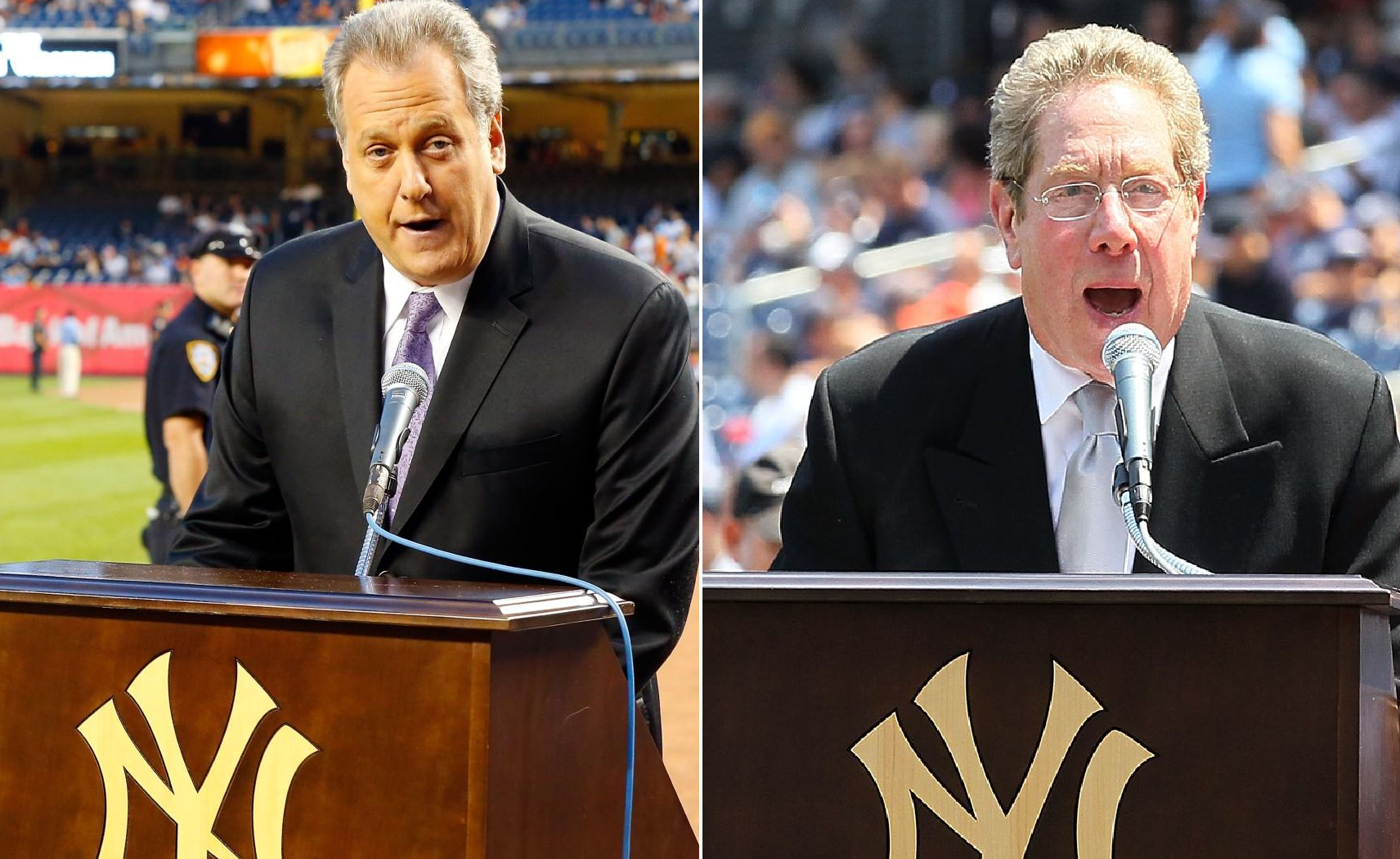
NEW YORK — From the 1950s through the early 2000s, New Yorkers could watch a large number of Yankees games for free on WPIX (Channel 11). WPIX began broadcasting Yankees games in 1951 and became synonymous with summer baseball in the city.
By the 1980s and 1990s, fans could tune into dozens of games each season without paying extra. Legendary broadcasters such as Phil Rizzuto, Bill White and Bobby Murcer became beloved figures largely because their voices entered living rooms through those free telecasts. For many fans, after-school afternoons and summer evenings meant simply turning on Channel 11 to catch the Yankees.
The landscape changed dramatically in 2002 with the launch of the YES Network. Created as a subscription cable channel centered primarily on Yankees programming, YES gradually moved most games behind a paywall. Fewer contests remained on free television, and fans increasingly needed a cable package or, later, a streaming subscription to follow the team.
The shift also made it harder for younger and casual viewers to discover Yankees baseball by simply channel surfing. Although a limited number of games continued to air on WPIX for several years after YES debuted, those broadcasts steadily declined.
The difference between then and now is stark. In the 1990s, it was common for New York households with nothing more than an antenna to watch a significant portion of the Yankees’ season. Today, the overwhelming majority of games air on YES and require some form of paid television or streaming service to watch.
Free TV push emerges
For many fans now, watching Yankees games means juggling a cable bill, a regional network and a handful of streaming subscriptions. A new political push wants to change that.
A bipartisan pair of New York City Council members has introduced a resolution urging Congress to make Major League Baseball and other pro sports easier to watch on free, over-the-air television. The measure points directly at how hard it has become to follow Yankees and Mets games as they scatter across cable, regional sports networks and streaming platforms.
Councilmen Frank Morano, a Staten Island Republican, and Harvey Epstein, a Manhattan Democrat, filed the non-binding resolution on June 11, according to the New York Post. It calls on Congress to review MLB’s antitrust exemption and to promote the availability of pro sports on broadcast television.
For Yankees fans worn down by the hunt for games, the proposal struck a nerve. It will not change anything on its own, but it pulls a long-running fan grievance into the public and political arena for the first time in years.
What the lawmakers want
The resolution asks Congress to examine MLB’s antitrust exemption, the legal shield that traces to a 1922 Supreme Court ruling and lets the league operate largely as a monopoly. The lawmakers want a review of whether the league’s current broadcasting setup still serves the public interest.
Their argument leans on a civic point. Both Yankee Stadium and Citi Field were built with significant public funding, which the council members say gives the public a stake in how easily fans can watch the teams that play there.
That public investment, in their view, strengthens the case for studying whether the antitrust exemption still earns its keep. The resolution treats the stadiums as shared civic assets rather than purely private ventures, and casts broad access to the games as part of the return taxpayers were owed.
The measure is a response to fragmentation. Games increasingly sit behind a patchwork of paywalls, and the resolution frames that spread as a barrier between the sport and the city that supports it.
A lawmaker makes the case for the next generation
Morano, a longtime Mets fan, framed the issue around baseball’s future rather than just monthly costs. He argued that access shapes whether young viewers ever become committed fans.
“If a kid can’t easily watch the Mets or Yankees, that kid is less likely to become a lifelong fan,” Morano said. “The future of baseball depends on the next generation being able to experience the game.”
He also pointed to the sheer number of services a fan now needs to keep up, calling the current setup unreasonable for an everyday follower of a hometown team.
“New Yorkers shouldn’t need five subscriptions just to watch their hometown team,” Morano said.
Why Yankees fans feel the squeeze
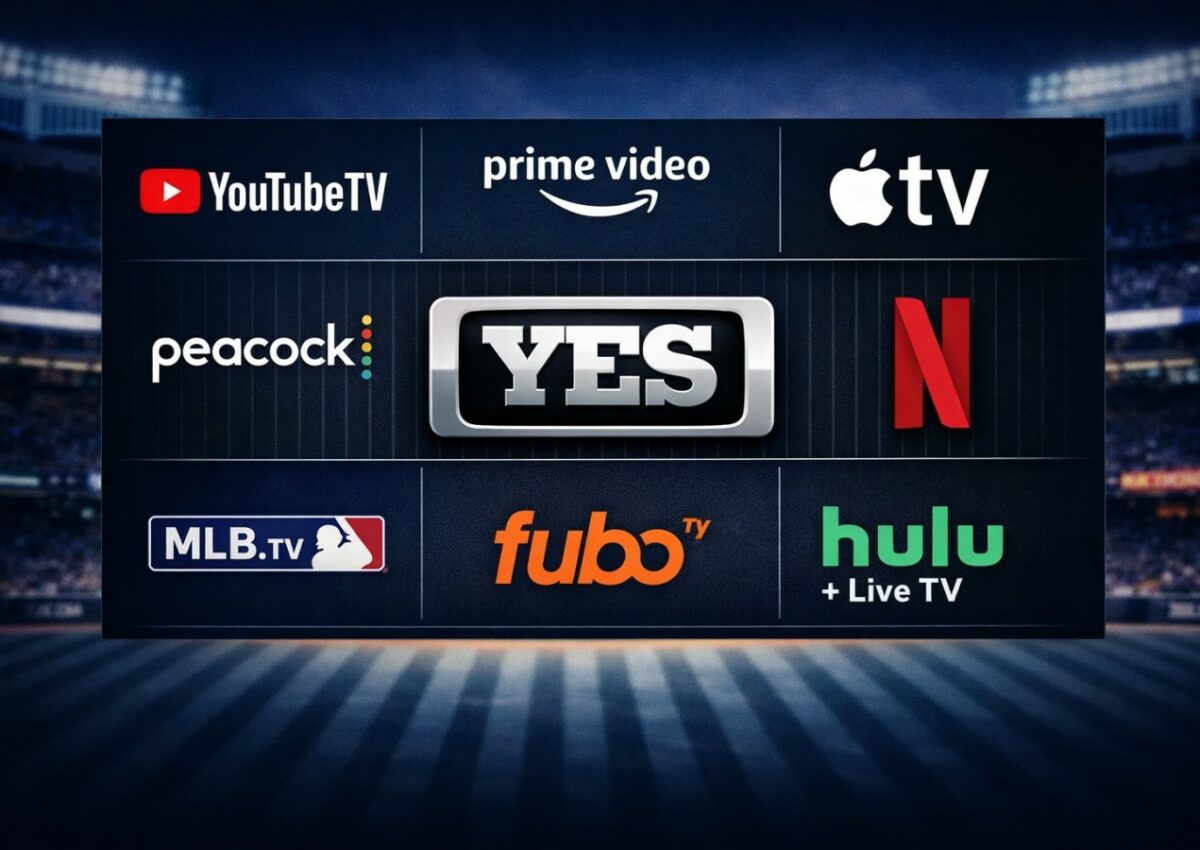
The frustration is grounded in how a Yankees season actually airs. Most games run on the regional network YES and on free TV, but the full slate is splintered well beyond that.
Apple TV Plus holds exclusive rights to MLB’s Friday night package at $12.99 a month, per the New York Post. Amazon carries regional streaming rights to 21 Yankees games this year, and Netflix has picked up the Home Run Derby and other exclusive events. A fan who wants everything may need cable, a regional package and multiple streaming apps.
That structure rewards the diehards who can afford to chase every game. It raises the barrier for the casual fans and kids who might have become diehards, the exact group the sport relies on to renew itself.
The contrast with the past is stark. In the mid-1970s, nearly all Mets games and most Yankees games aired on free television, a setup the resolution implicitly holds up as a baseline the league has drifted far from.
Where the proposal stands
The resolution carries no force on its own. It is non-binding, and any real change would require Congress to take a far larger step toward pressuring MLB over its broadcasting practices and its antitrust protection.
Its immediate effect is to reframe the debate. For years, leagues have treated shifting games to streaming as routine business decisions. Fans have experienced those moves as losses. The resolution connects the two, putting fan access back into a public conversation that usually happens in boardrooms.
Fans are not rejecting streaming outright. The complaint is about fragmentation, about needing to assemble several services to follow one local team. The objection is to confusion, not to technology itself.
For now, the Yankees remain spread across networks and apps, and nothing about that changes tonight. But the message from City Hall is clear, and judging by the reaction, plenty of Yankees fans have been waiting for someone to make it. Whether Congress listens is the open question.
What do you think? Leave your comment below.