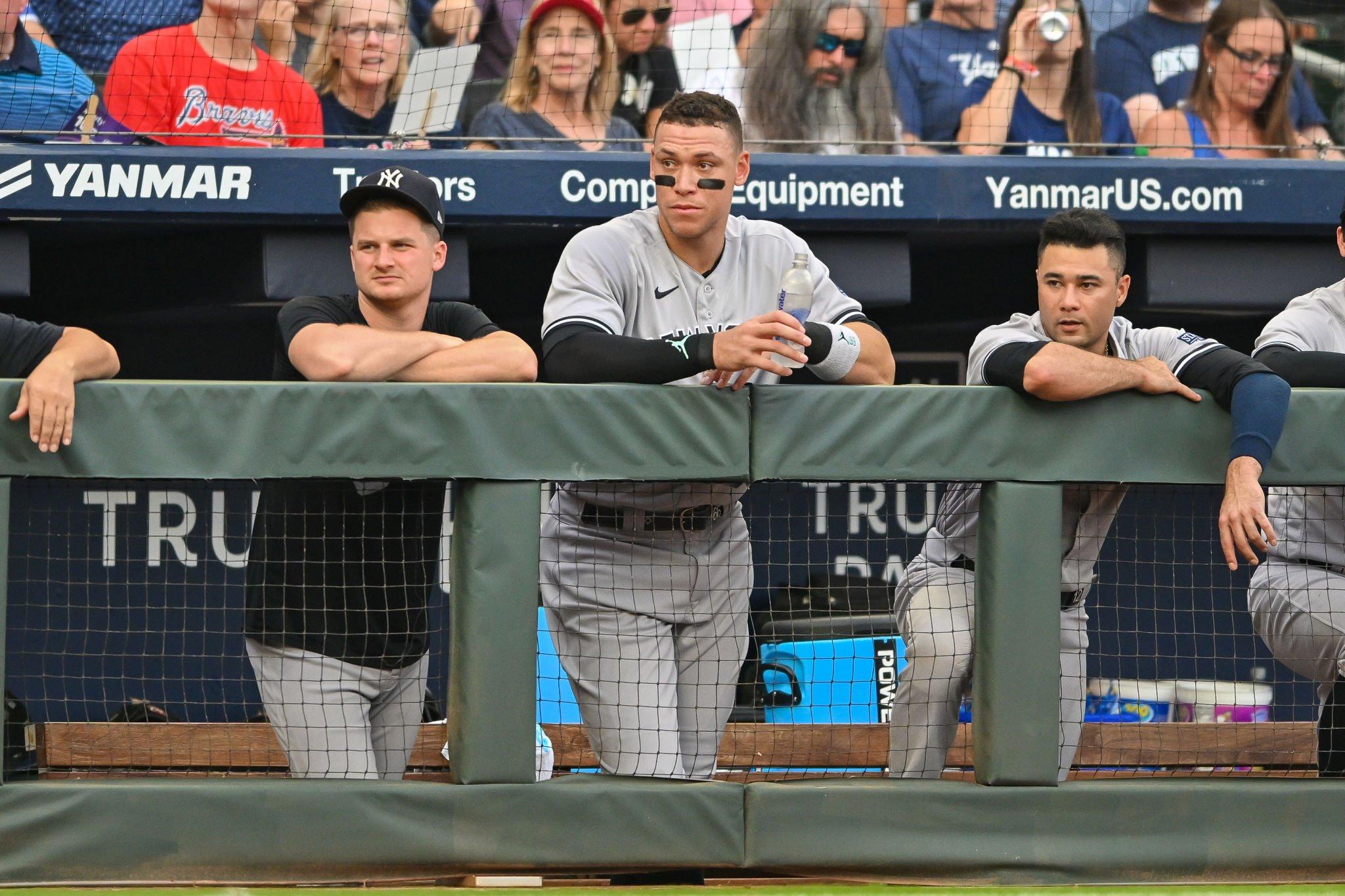
NEW YORK — On paper, the pairing of Pete Alonso and the New York Yankees looks like a perfect match. A right-handed slugger known for towering home runs in Yankee Stadium’s short right-field porch, joining a lineup already featuring Aaron Judge and Giancarlo Stanton, sounds like a dream scenario. The numbers seem to make sense, but baseball decisions often extend beyond surface-level arithmetic. Inside the Yankees’ front office, the equation is far more complicated.
What the numbers reveal about the slugger

Since his debut in 2019, Alonso has been one of baseball’s most dangerous power hitters. His 264 career home runs rank third in the majors over that period, trailing only Judge (285) and Kyle Schwarber (268). The Mets first baseman has built his reputation around elite power, consistently ranking among MLB’s home run leaders.
In 2024, Alonso once again showcased his trademark strength. He hit 38 home runs and recorded 80 extra-base hits, joining a select group of just six players to reach that mark. The names alongside him tell the story: Shohei Ohtani, Judge, Cal Raleigh, Schwarber, and Corbin Carroll. He also led the Mets with 126 RBIs, finishing second in baseball—12 more than Judge.
Statcast data from Baseball Savant highlights Alonso’s power profile in striking detail. His advanced hitting metrics glow red across categories like hard-hit rate, barrel percentage, and exit velocity, signaling elite offensive performance. Yet when the data shifts to fielding and baserunning, the picture changes dramatically.
Where the profile shifts
The same Baseball Savant page that celebrates Alonso’s power turns icy blue in other areas. His defensive and baserunning numbers fall well below league averages, revealing a growing concern for evaluators. Scouts who have tracked Alonso for years echo what the numbers suggest: his defensive value continues to decline.
Observers noted that Alonso’s throwing mechanics deteriorated during the 2025 season. Routine plays became unpredictable, with rushed or awkward throws creating unnecessary errors. For a first baseman, that kind of inconsistency can be alarming.
With Alonso turning 31 in December, the concern extends beyond current performance. Players entering their 30s typically plateau athletically or begin to regress. Teams project more time at designated hitter for players in that phase, not less.
The roster puzzle facing Yankees
For the Yankees, the issue is roster construction. The club already employs Stanton, a right-handed designated hitter with limited defensive range. Aaron Judge, while capable in the outfield, would also benefit from more DH days as he progresses through his 30s.
Adding another player who primarily profiles as a DH creates a positional bottleneck. There’s only one DH slot in the lineup, but three players—Alonso, Stanton, and Judge—would likely require it at various points to maximize health and production.
The Yankees also have an emerging internal option in left-handed slugger Ben Rice. Turning 27 in February, Rice hit 26 home runs last season and posted impressive hard-hit rates. The organization views him as a potential everyday first baseman by 2026. While Rice still needs defensive refinement, his upside offers a younger, cheaper alternative.
There’s also the philosophical shift after New York’s recent playoff exit. The Toronto Blue Jays eliminated the Yankees in the Division Series using a balanced, contact-oriented offense—exposing the all-or-nothing power model that has defined recent Yankees lineups.
What the market might demand
Reports indicate that Alonso’s representatives are seeking a seven-year contract. Even if that’s an initial negotiation stance, it signals that the first baseman expects a significant long-term investment, not a short-term deal.
The Yankees already have major financial commitments on their payroll. Adding another large contract for a player entering his 30s represents a calculated risk. Paying top dollar for a first baseman whose defense is slipping could have long-term consequences, especially under luxury tax constraints.
According to The Athletic’s Jim Bowden, several teams will enter free agency searching for power bats, and Alonso stands among the premier options. That competition could drive his price beyond what analytics departments believe is reasonable value.
If Alonso’s defensive decline continues, what will years five or six of a seven-year contract look like? It’s a question the Yankees cannot ignore.
What sets this decision apart
The Yankees’ history at first base has long valued defensive reliability. Don Mattingly redefined the position in the 1980s, while Mark Teixeira combined switch-hitting power with Gold Glove defense. More recently, Anthony Rizzo continued that tradition until his injuries limited him. The last time the Yankees invested heavily in a first baseman with defensive limitations was Jason Giambi—and that was over 20 years ago.
Organizational philosophy matters. Even in an era focused on analytics and exit velocity, the Yankees maintain a defensive standard at first base.
Another consideration is redundancy. The Yankees led Major League Baseball in home runs last season, outpacing the next-closest team by 30. Adding another right-handed power hitter who strikes out often doesn’t address their offensive imbalance—it amplifies it.
Alonso durability factor that complicates everything
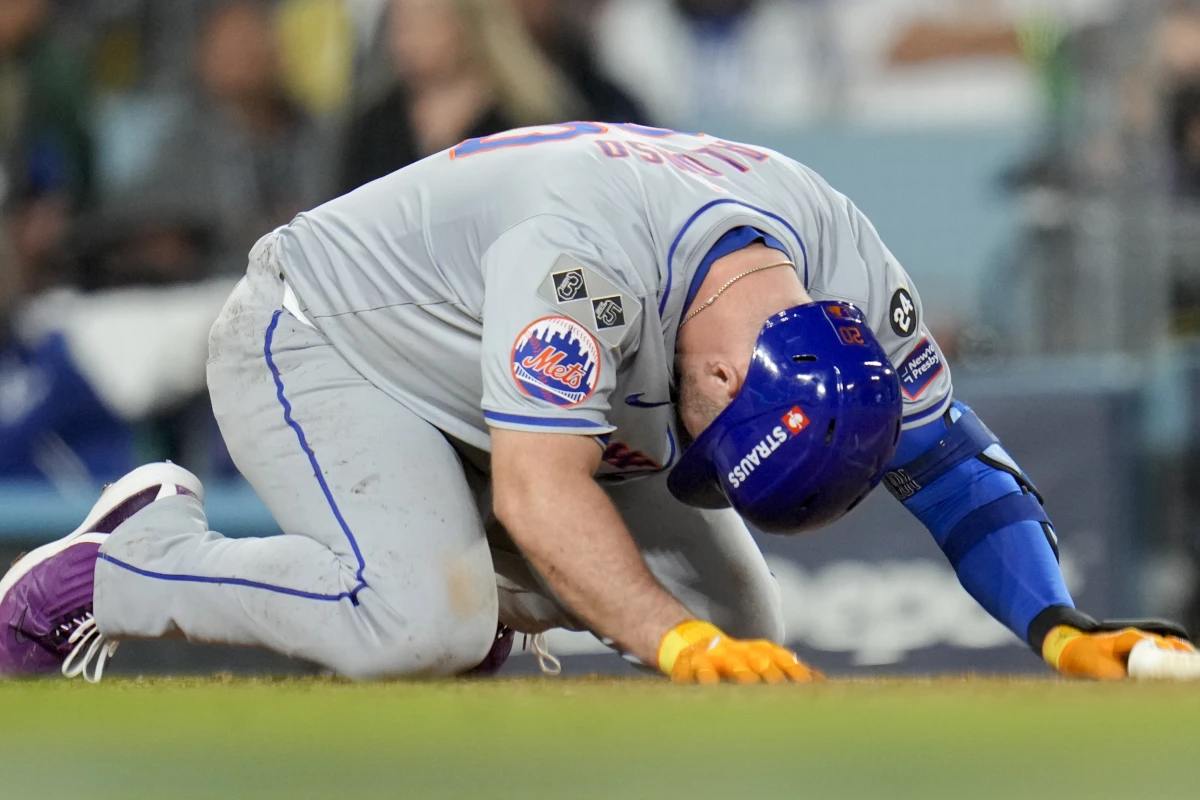
One trait sets Alonso apart in modern baseball: durability. In an era when load management dominates, Alonso simply plays every day. Since his debut in 2019, the Mets have played 1,048 games including postseason. Alonso has appeared in 1,024 of them—an astounding 97.7 percent participation rate.
His 1,008 regular-season games lead all players over that span, 17 more than Freddie Freeman and Matt Olson. He currently owns a streak of 416 consecutive games played. That level of availability carries enormous value, giving teams consistency in an unpredictable sport.
Defensively, Alonso does have one underrated skill—he’s excellent at picking low throws. His ability to dig errant infield throws out of the dirt saves errors, a skill the Yankees’ infield, prone to throwing issues, could appreciate.
October performance adds another dimension
Alonso has also proven he thrives under pressure. In 16 career postseason games, he’s hit five home runs with 11 RBIs and a 1.003 OPS. That production, when projected over a full season, would equate to roughly 50 home runs.
The Yankees, who haven’t captured a World Series title since 2009, could certainly use a player with that kind of October pedigree. His consistent postseason production underscores a key difference-maker trait that the team has lacked in recent years.
The crosstown dynamic nobody can ignore
Beyond the field, the emotional and political factors of an Alonso-to-Yankees move cannot be overlooked. Alonso isn’t just a Mets player—he’s their homegrown cornerstone. Drafted and developed by the franchise, he’s become a fan favorite and a symbol of Mets identity.
Watching him cross town to wear pinstripes would send shockwaves through New York baseball. Owner Steve Cohen and president David Stearns face heavy pressure to retain him, knowing that losing Alonso to the Yankees would ignite backlash across Queens.
Where the decision ultimately leads
The Yankees have never shied away from big-name pursuits, but the modern front office weighs every factor—from metrics to payroll flexibility. Defensive grades, roster balance, and long-term risk all play into their calculations.
Ben Rice could become the in-house solution at first base unless he’s used as trade bait to fill other needs. If Alonso’s market unexpectedly cools, the Yankees might revisit the possibility. However, it’s far more likely that the Mets will re-sign their star, keeping him where his value is highest.
For now, the Yankees seem more inclined to seek balanced offense and improved defense rather than another all-power, low-glove addition. Alonso’s numbers still shine bright in red, but it’s the icy blue metrics that have made the Bronx hesitate.
What do you think? Leave your comment below.