NEW YORK — When Ryan McMahon walked to the plate in the bottom of the eighth inning Friday night, Yankee Stadium booed him.
The Yankee Stadium crowd had reason. McMahon had five hits in 42 plate appearances. All singles. He was batting .119. He had been benched. He had not driven in a run since Opening Day. He was, statistically, one of the least productive Yankees regulars in baseball.
The game was tied 2-2. The Royals had just taken the lead back on a Vinnie Pasquantino homer off Camilo Doval in the top of the inning. Ben Rice kept the eighth alive with a two-out single. Then McMahon stepped in against Kansas City reliever Alex Lange.
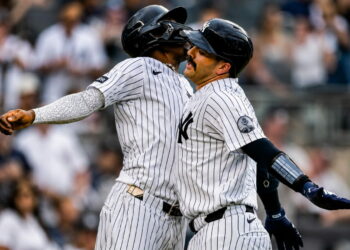
He took a 2-1 changeup and lofted it 372 feet to left field. The wind appeared to carry it over the fence. The boos turned to cheers before he reached second base. His two-run homer gave New York a 4-2 lead they would not lose. David Bednar closed it in the ninth. The Yankees improved to 11-9.
McMahon had gone from punchline to the punchline that won it. But the story of how he got there did not start on Friday night. It started months earlier, in a mostly empty spring training facility, with Aaron Judge watching him swing.
What the crowd did not know about the cages
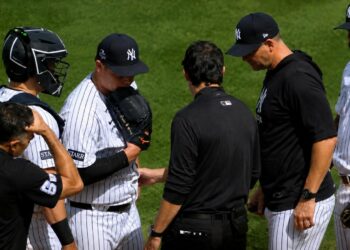
Before the game Friday, McMahon spent most of six innings in the cages beneath Yankee Stadium. He was not in the starting lineup. Yankees manager Aaron Boone had told him entering the Royals series that his playing time would be limited. Two more left-handed starters were coming in the next week. McMahon would get his chances against them.
So he worked. He estimated he took roughly 100 swings that evening before he was even called into the game.
He had been doing some version of this for weeks. He showed up early. He stayed late. He hit at 2 p.m., the same time as Ben Rice, who ranked second in the majors with a 1.205 OPS. Rice saw it all and said so after the game.
“I’m here with him early all the time,” Rice said. “We’re always hitting at the same time, like 2 o’clock. I see all the work he puts into it. He’s a ballplayer, man. He grinds. He’s going to help you in a lot of ways out there.”
McMahon entered as a defensive replacement for Amed Rosario at third base before the top of the eighth. He replaced Rosario, who started at third for the Yankees, and waited.
When his Yankees moment came, he did not miss it.
“Felt good,” McMahon said. “Just to do something to help the team win. It’s no secret. I’ve been struggling a little bit, so I get that off my chest and feel really good about it.”
Judge’s training session that nobody saw coming
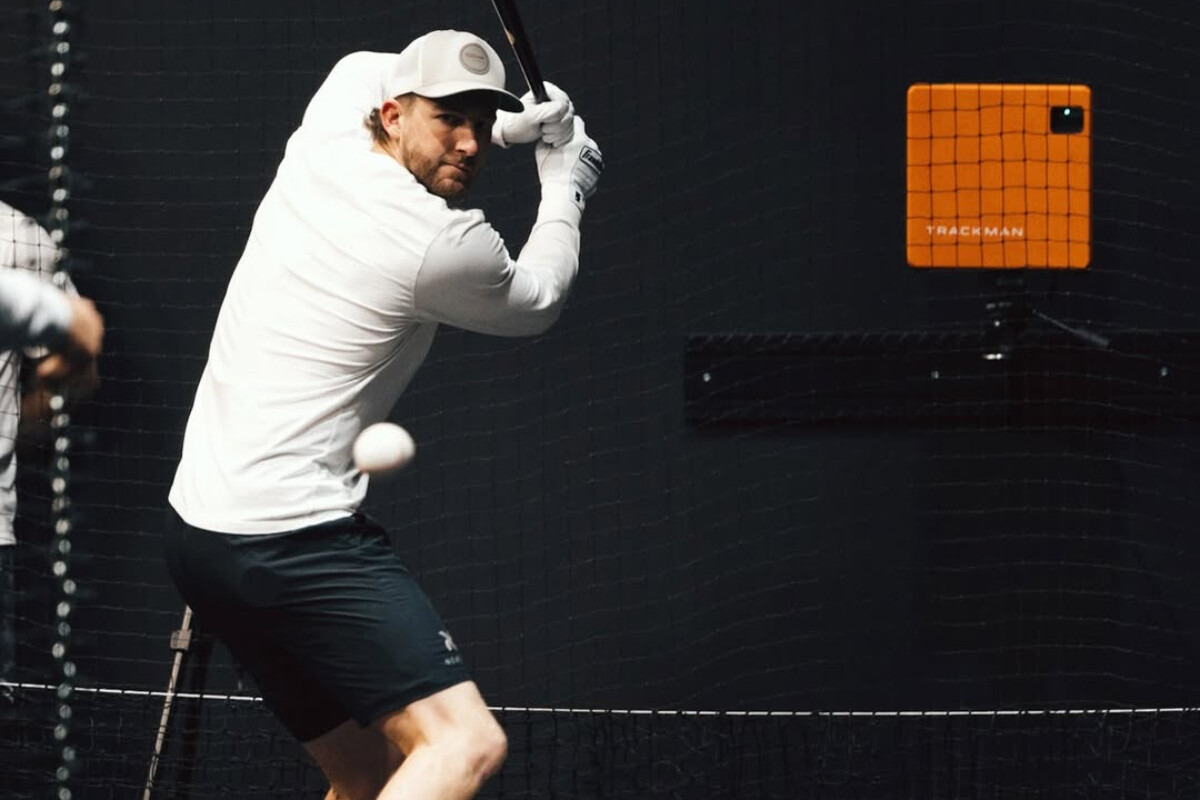
What the crowd booing Ryan McMahon did not know was what had been quietly built around him during spring training.
According to SNY’s Chelsea Janes, during a stretch when most of the Yankees roster was traveling, McMahon stayed behind to work through mechanical problems in his swing. He was not alone. Aaron Judge came to watch.
For nearly 30 minutes, the Yankees captain observed every swing McMahon took. He broke down what he saw. He demonstrated his own approach. He explained how he keeps his weight back and removes unnecessary movement before committing to the ball.
Judge did not have to be there. He chose to be.
In the Yankees clubhouse where Judge sets the tone, that kind of investment sends a signal. It tells the player being helped that he is not being written off. It tells the rest of the room that the captain believes in the work.
McMahon later confirmed that the Yankees process went deeper than a single spring training session. He and the Yankees coaching staff had been talking through mechanical adjustments since the offseason. He described it with a phrase that captured exactly how collaborative the effort was.
“We came up with them together, sat down this offseason and had a nice long meeting about it,” McMahon said. “So, yeah, it was a group effort.”
The mechanics behind the misery
McMahon’s brutal Yankees early-season numbers were not random. They were the visible side effects of intentional change being learned in live games.
He had been working to tighten a batting stance that had grown into one of the widest in the league. He was trying to become more square at the shoulders to reduce excess rotation. The goal was to get into his launch position earlier, giving him more time to read and attack pitches.
That kind of adjustment, when it clicks, produces power. When it is still being absorbed, it produces soft contact and strikeouts. McMahon had 16 strikeouts in his first 42 plate appearances with the Yankees. His slash line read .119/.260/.119.
Boone benched him. Rosario took the Yankees starts at third. Boone even told McMahon about the diminished role heading into the Royals series.
McMahon has hit at least 20 home runs in seven of his last eight non-shortened seasons. The Yankees acquired him from the Colorado Rockies knowing the power was real.
He was asked after the Yankees win to put the weight of the entire stretch into words. His answer was honest and unvarnished.
“It’s been tough,” McMahon said. “I love this game; I love doing this with these guys. The goal is to win a World Series, and you want to be somebody who helps out. It’s been grinding on me. You get sick and tired of it, but that doesn’t mean you’re going to figure it out. For me, you just never, ever quit.”
What do you think? Leave your comment below.