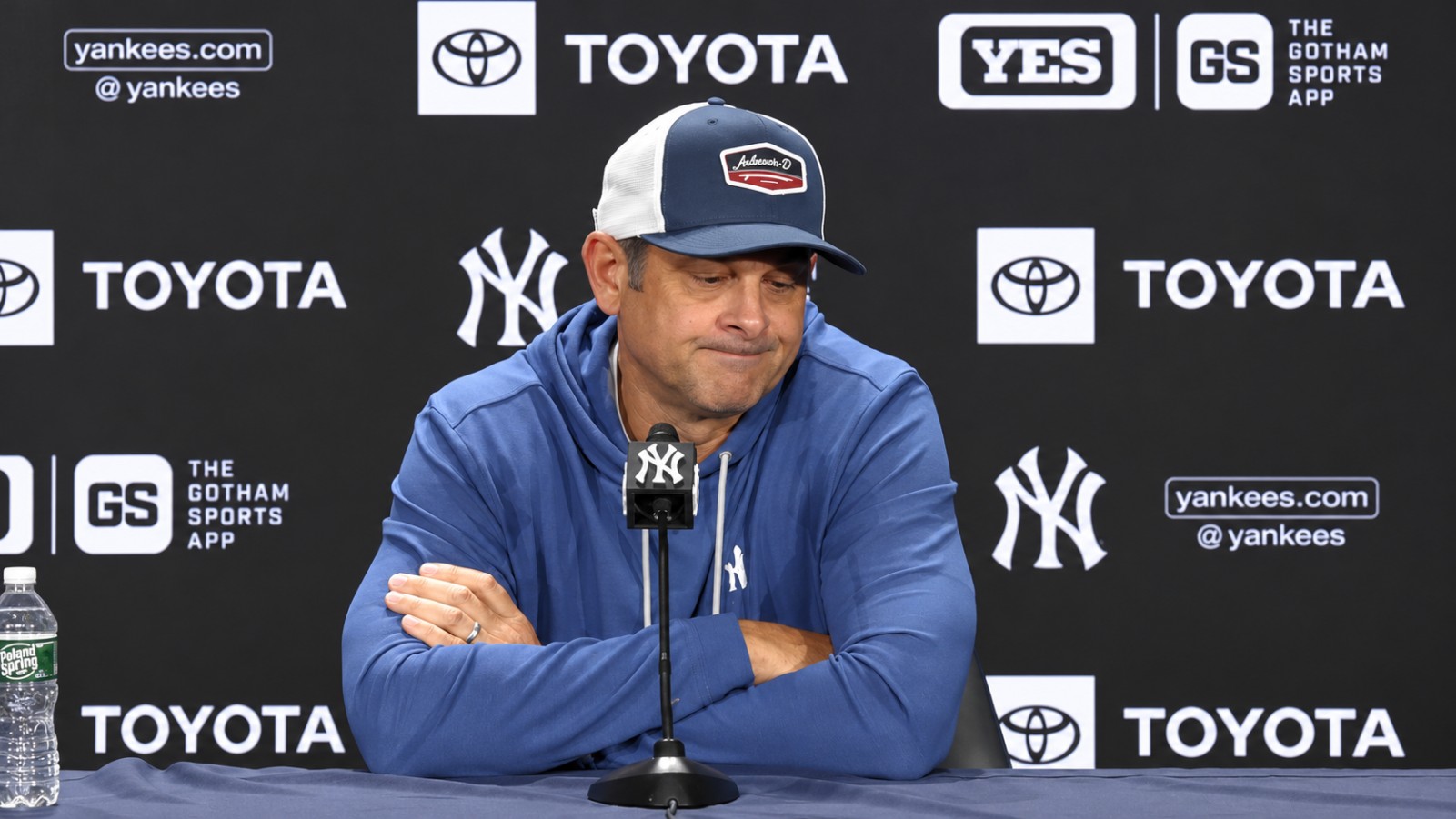
NEW YORK — The Yankees spent another October watching a division rival advance while their own season ended under familiar scrutiny. Three playoff games against Tampa Bay reduced a 93-win season to questions about hitting, execution and responsibility.
The Rays swept New York in the American League Division Series after the Yankees had overwhelmed Boston in the Wild Card Series. The sudden reversal sharpened an uncomfortable question: Who should answer for the difference between the club’s regular-season success and its October collapse?
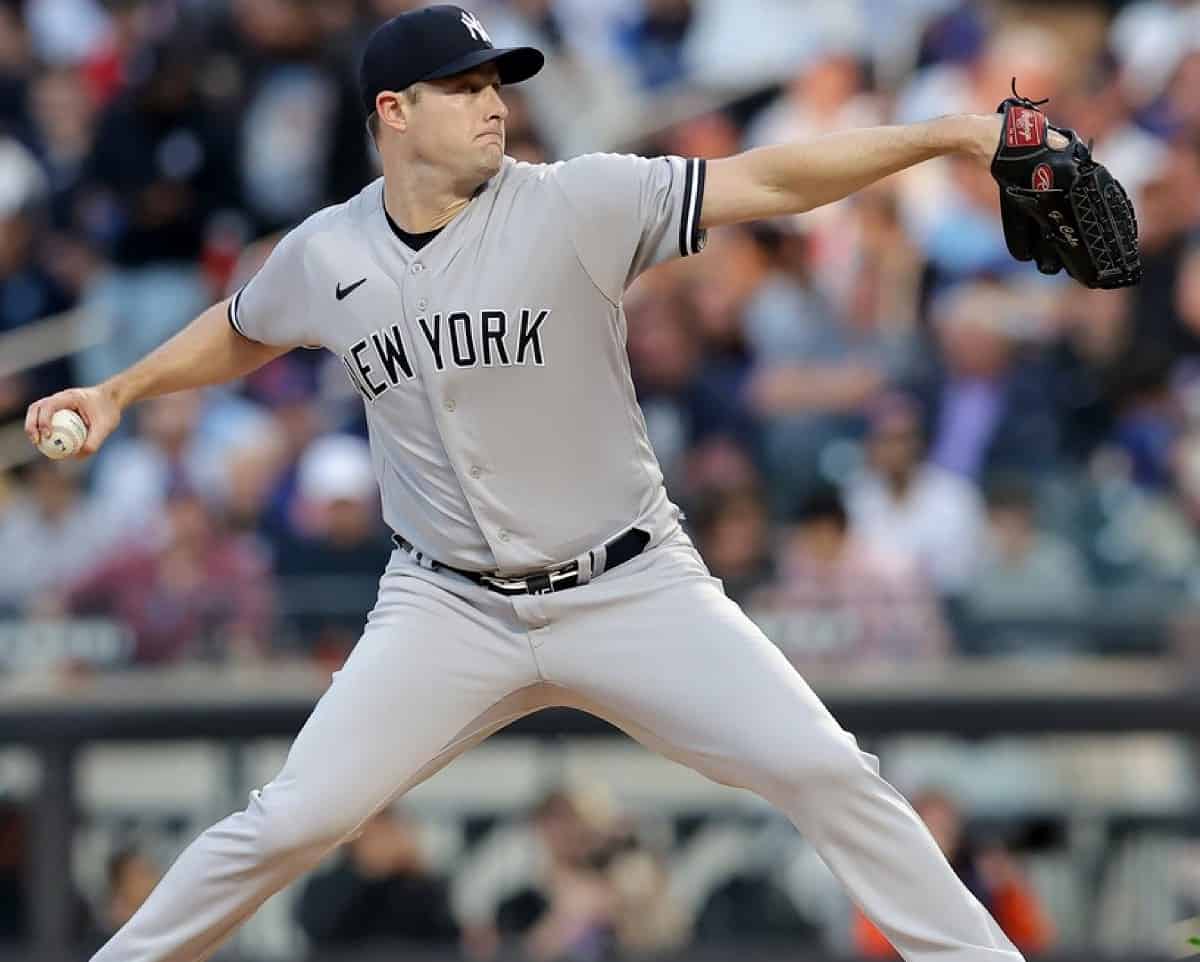
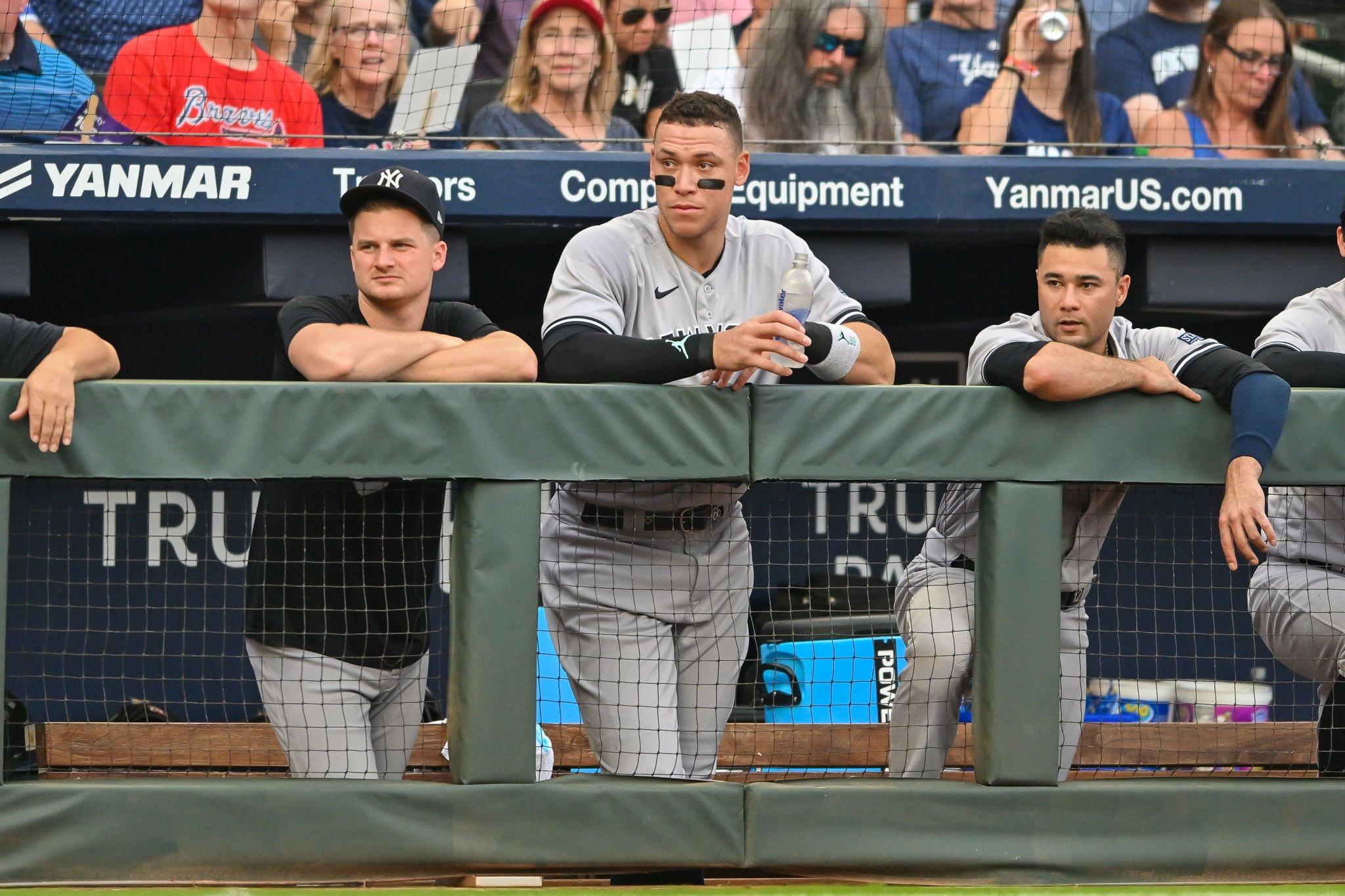
The Yankees scored 18 runs in two games against the Red Sox, then managed five in three games against Tampa Bay. Their hitters went 12-for-92 with 31 strikeouts in the ALDS. Game 2 also featured four defensive errors, adding to the growing criticism of their fundamentals.
Owner Hal Steinbrenner reviewed the season alongside general manager Brian Cashman during an Oct. 21 video news conference. Manager Aaron Boone spoke separately that day after learning he would return for 2027, the final season of his contract. Their explanations exposed an unusually public difference in how responsibility should be expressed.
Boone rejects public blame after owner singles out players
Steinbrenner defended the work of Cashman and Boone, crediting the manager with navigating injuries, rotation changes and an exhausted bullpen. He then delivered a pointed verdict on the postseason performance.
“The bottom line is the players didn’t live up to their end of the bargain in the playoffs,” Steinbrenner said.
“The offense had a big part of why we — and I don’t mind saying it — didn’t get to where we strive to get every year,” he added. “That was during the whole year. In the postseason, if you look at their performance against the two starting Boston pitchers and their performance against probably all of the Rays’ pitchers, it was just not good. I don’t know how else to put it. And if you don’t score runs, you’re not going to win.”
The owner also called the Yankees’ inconsistent offense a major disappointment throughout 2026. His assessment centered on performance rather than effort, and he argued that Boone was not chiefly responsible for the failed October run.
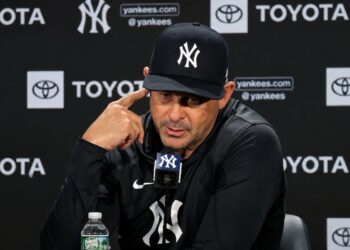
Boone was asked a different question: whether he should publicly call out individual players when they make costly mistakes. His reply offered a contrasting philosophy that drew fresh attention in light of the owner’s comments.
“There is probably a time and place for that, but generally speaking, to me that’s not leadership,” Boone said.
“That’s me giving red meat to people that want to be upset with somebody,” Boone said.
Those remarks were a defense of Boone’s own management approach, not a direct response to Steinbrenner. The distinction is important: the owner criticized collective performance, while the manager objected to publicly singling out individuals. Their statements nevertheless place different emphasis on how a Yankees leader should explain failure.
The numbers show why accountability became unavoidable
New York’s batting average of .130 against Tampa Bay illustrated the scale of the collapse. The Yankees’ .431 OPS over the three-game series underscored how quickly an offense that had handled Boston lost its effectiveness.
The contrast matters beyond a single slump. A club can win 93 games, reach October and still struggle to make contact against elite pitching. The difference between the two playoff rounds was not a marginal dip. Scoring fell from nine runs per game against Boston to 1.67 against the Rays.
Boone acknowledged that the club had periods of uneven run production during the season. He said the offense had looked its best against Boston before Tampa Bay shut it down. That concession brought his evaluation of the results closer to Steinbrenner’s, even as their public messaging differed.
The Yankees have now gone 17 consecutive seasons without a World Series title. Boone has led them to eight playoff berths in nine seasons, but his teams have not won a championship. The next season will put both his methods and the team’s offseason changes under greater scrutiny.
A private standard that faces public test in 2027
Boone’s reluctance to criticize individual Yankees players before reporters has been a consistent feature of his tenure. He has said errors and lapses are confronted directly inside the organization, where he believes those conversations are more productive.
Steinbrenner and Cashman have also defended the value of private conversations with Yankees players. That makes the October contrast less a broad disagreement over discipline than a narrower divide over public messaging after another playoff failure.
Boone enters 2027 without an extension. He said the contract situation does not trouble him and that he remains focused on preparing the Yankees to compete for a championship. Cashman has reached agreement on a new deal, while the Yankees face decisions on their offense and impending free agents.
The manager accepts that the absence of a title is the defining gap in his résumé. His next season will test whether protecting players publicly while addressing mistakes privately can produce different results when the games matter most.
What do you think? Leave your comment below.