


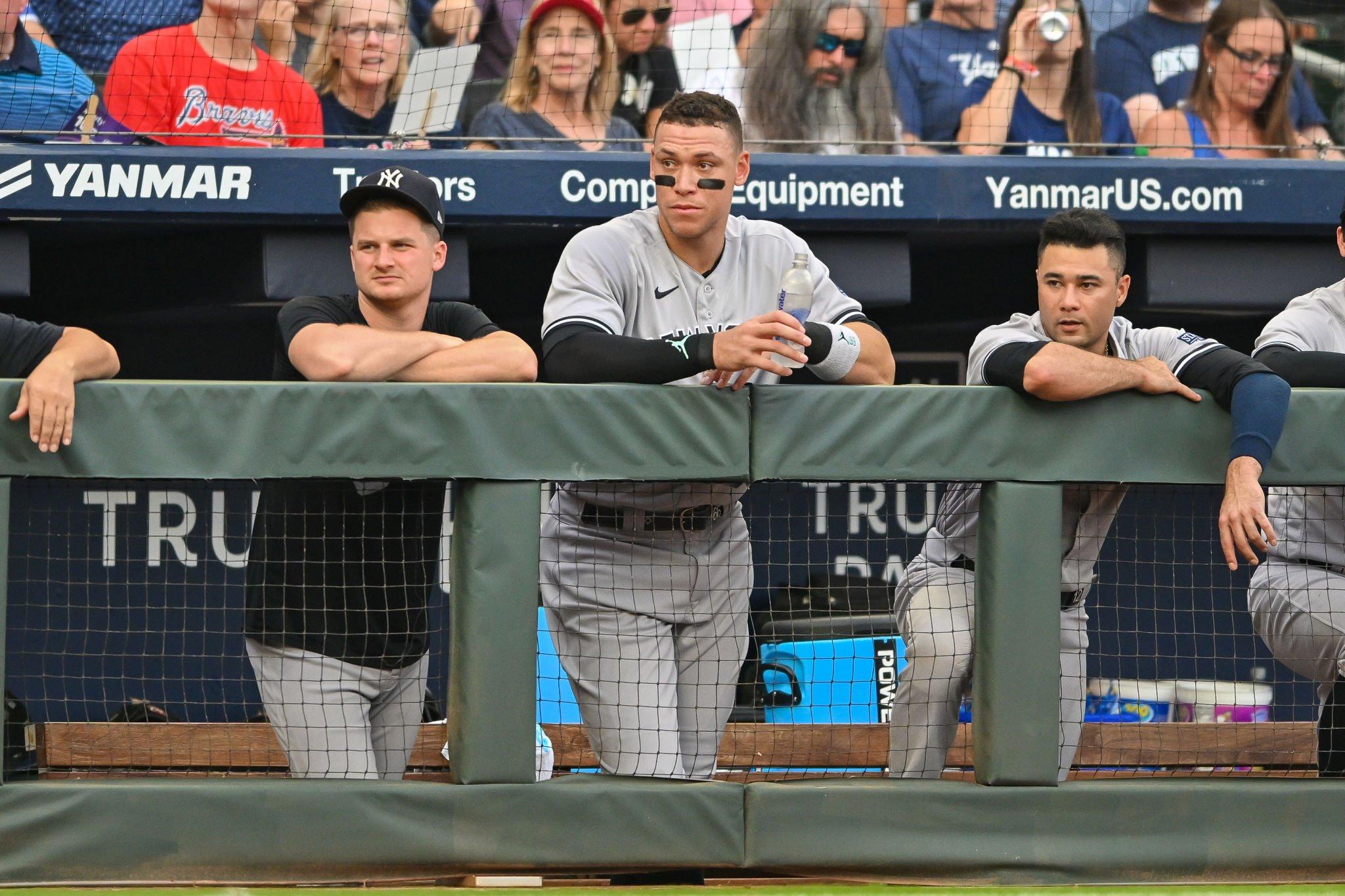
In a revealing development from the Bronx, the 2025 New York Yankees find themselves at the center of an organizational philosophy debate, as team captain Aaron Judge‘s leadership role extends into personnel decisions. The spotlight falls on Judge’s reported intervention to retain veteran infielder DJ LeMahieu, despite mounting performance concerns. This situation highlights the delicate balance between team chemistry and competitive necessity in modern baseball.
Inside sources, including reporting from Barstool Sports’ Eric Hubbs, reveal that the Yankees were prepared to part ways with LeMahieu during the previous season, coinciding with the promotion of their prized prospect Jasson Dominguez. Judge, supported by several clubhouse veterans, made a compelling case for LeMahieu’s retention, emphasizing the potential for a comeback if health issues could be resolved.
The evolution of Aaron Judge from slugging superstar to Yankees captain has brought with it unprecedented influence within the organization. Beyond his towering home runs and gold-glove defense, Judge has emerged as a powerful voice in shaping the team’s roster composition. His most recent demonstration of this influence came through his successful campaign to keep LeMahieu in pinstripes, a decision that might have far-reaching implications for the team’s future.
LeMahieu’s performance decline hits Yankees hard
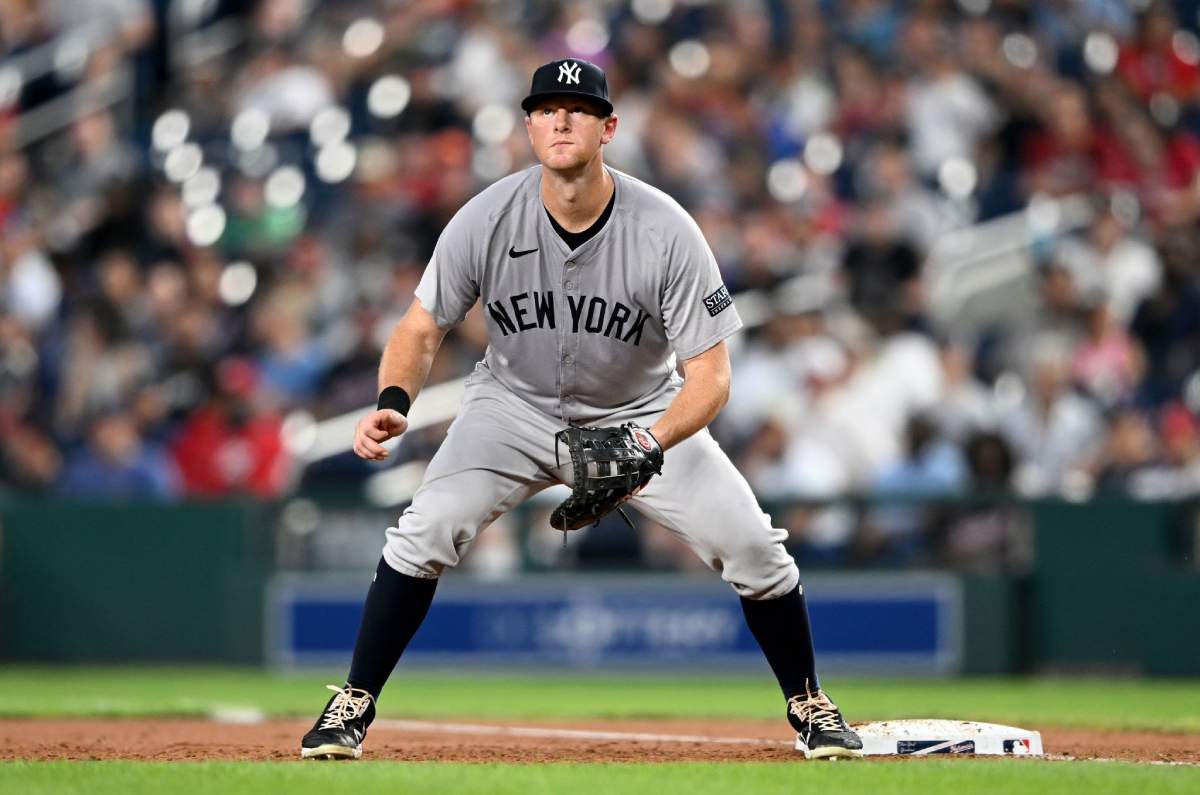
The stark reality of DJ LeMahieu’s career trajectory presents a challenging narrative for the Yankees. His early tenure with the team was nothing short of remarkable – a .327/.375/.518 batting line in 2020, coupled with two Silver Slugger Awards, painted the picture of an elite contributor. LeMahieu’s versatility and consistent bat made him a cornerstone of the Yankees’ offensive strategy.
However, recent seasons tell a dramatically different story. The 2024 campaign was particularly troubling, as LeMahieu struggled to a .204/.269/.259 slash line across 228 plate appearances. His wRC+ of 52 placed him among the least productive regulars in the league, raising serious questions about his ability to contribute meaningfully to a contending team’s lineup.
The leadership-performance paradox
Judge’s support for LeMahieu exemplifies both the strengths and potential pitfalls of player leadership in roster decisions. While team chemistry and veteran presence carry undeniable value, the Yankees operate in a results-driven environment where statistical production ultimately determines success. The American League’s competitive landscape leaves little room for sentiment in roster construction.
The decision to retain LeMahieu based partly on Judge’s advocacy creates a precedent that merits careful examination. While respecting veteran leadership is crucial, allowing player preferences to influence roster decisions could compromise the team’s ability to make objective personnel choices based on performance metrics and future potential.
What it means for the Yankees’ infield outlook
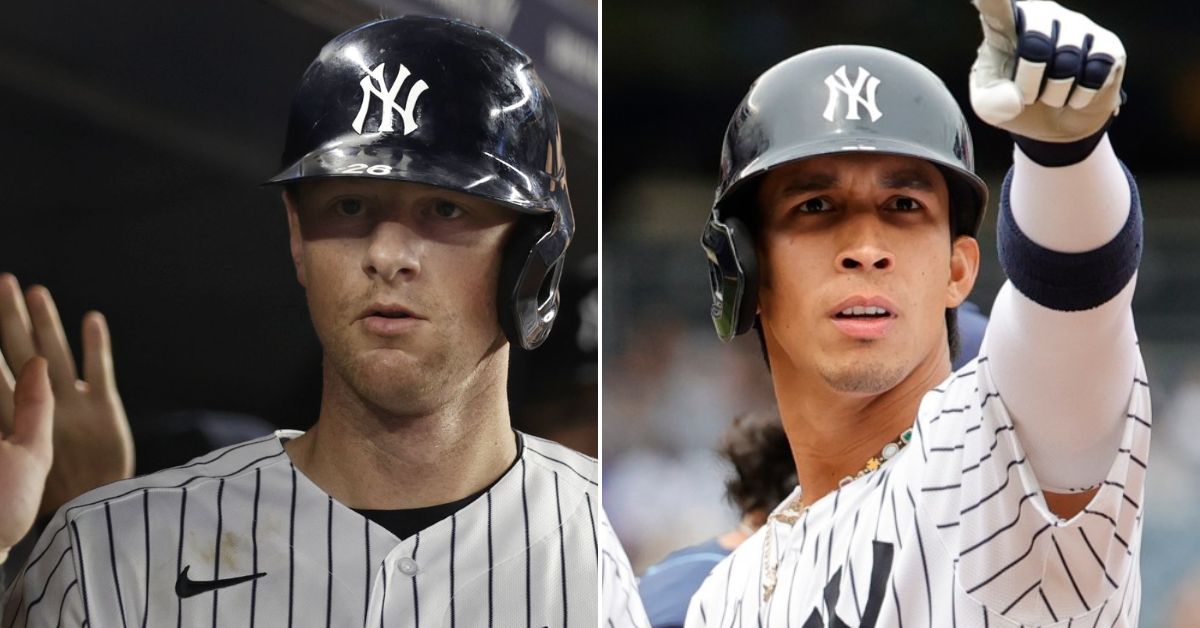
The retention of LeMahieu significantly impacts the Yankees’ infield configuration heading into 2025. Manager Aaron Boone faces the challenge of distributing playing time between LeMahieu, Oswaldo Cabrera, and Oswald Peraza at third base, none of whom has emerged as a clear-cut solution for the position.
While LeMahieu maintains his defensive prowess, his offensive regression presents a significant liability for a team with championship aspirations. Cabrera’s utility role and Peraza’s limited major league experience further complicate the situation, leaving the Yankees without a definitive answer at a critical defensive position.
Could this move backfire?
The Yankees’ choice to keep LeMahieu could have cascading effects throughout the season. If his performance doesn’t improve, the team may face a mid-season roster crunch, potentially forcing them to make the same difficult decision they previously avoided. This delay could cost valuable development time for younger players who might have benefited from increased playing time.
Moreover, Judge’s successful intervention sets an interesting precedent for future roster decisions. The question becomes whether similar situations involving struggling veterans will be handled based on performance metrics or influenced by interpersonal relationships and historical contributions to the team.
What comes next for LeMahieu and Yankees?

LeMahieu’s immediate future hinges on his ability to reverse recent trends and prove his value to the team. Whether in a starting role or as a utility player, he must demonstrate that Judge’s faith in his potential was well-placed. Early-season performance will be crucial in determining his long-term future with the organization.
For the Yankees, this situation emphasizes the need to address their third base position definitively. Whether through trade market exploration or internal development, finding a reliable solution becomes increasingly important as they pursue their championship ambitions.
Balancing act: Leadership and performance
The influence of Aaron Judge in the Yankees organization represents both an asset and a potential challenge. While his leadership qualities are invaluable, the impact of his personnel preferences must be carefully balanced against objective performance metrics and team needs.
As the 2025 season progresses, the wisdom of keeping LeMahieu will be measured in both statistical production and team success. This situation serves as a fascinating case study in modern baseball management, where traditional concepts of team leadership intersect with the data-driven demands of contemporary roster construction.
The Yankees’ pursuit of their next championship may well depend on finding the right balance between respecting veteran leadership and making the tough decisions necessary to field the most competitive team possible. The LeMahieu situation will likely serve as a significant reference point for future roster decisions, not just for the Yankees but for teams throughout Major League Baseball grappling with similar dynamics between star players and front-office decision-making.
What do you think? Leave your comment below.









DJ was NEVER a good player. His career OPS+ was always around 100. He had a small sample size of success & then the 2020 year was treated like a full season when it was only 50 games. Brady Anderson had a better peak than DJLM. New Yorkers overreact & overpaid for a guy who has hit .265 more often than .300.
They got the real DJLM. I wasn’t surprised. I don’t see why this is an issue. People are supposed to be so into analytics these days? So into pattern recognition right? But they couldn’t see that? 400 at bats was somehow more important than the other 3,000 he took in his career? Thats why Cashman is a terrible GM.
I’m from NYC & I see this behavior all the time. They pushed for the Carmelo Anthony trade when he was a TERRIBLE player & a black hole for the ball. Before him our team was moving The ball around very well and afterwards it was all isolation and the team went downhill. All of our assets went to the Nuggets and they want a championship with it. This is what New York teams do.