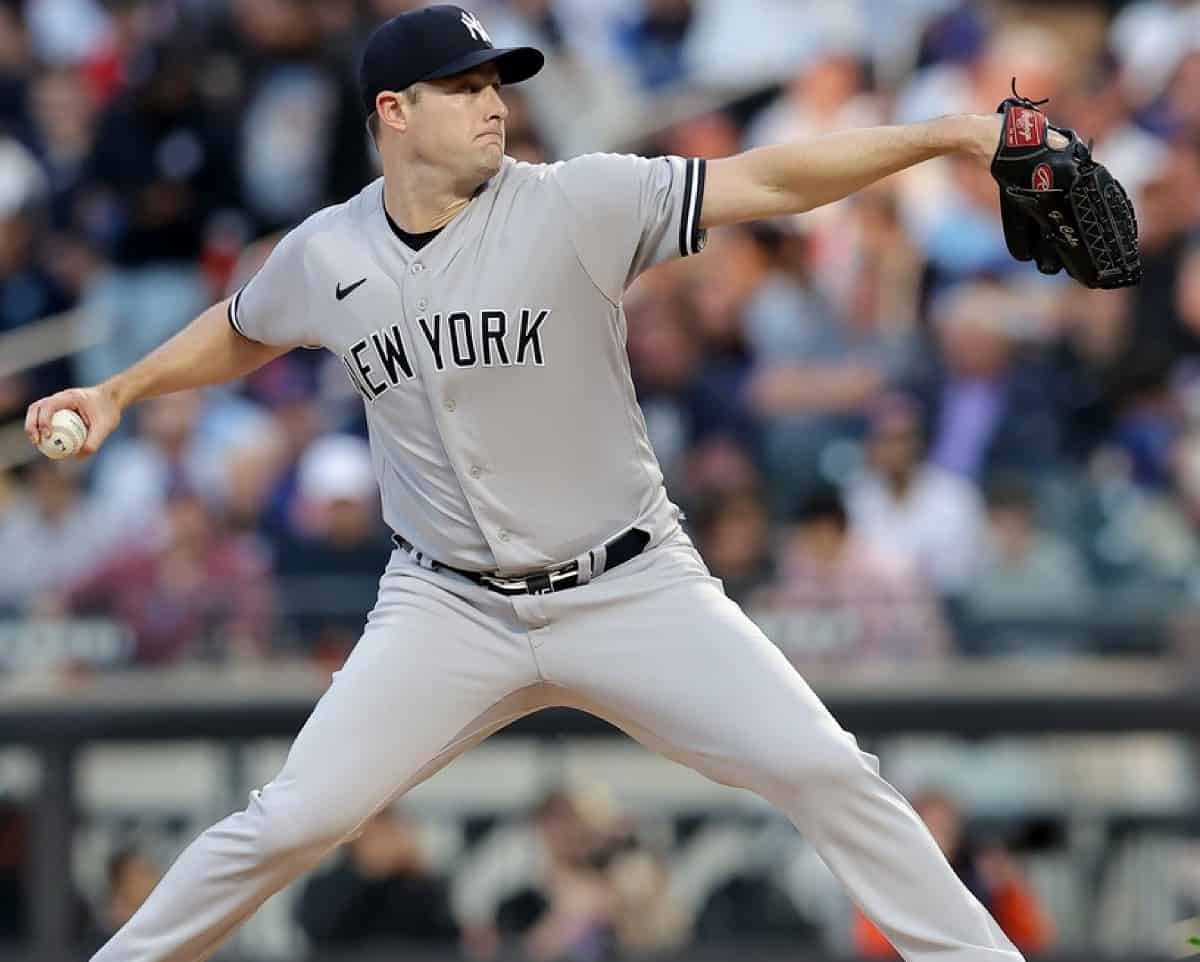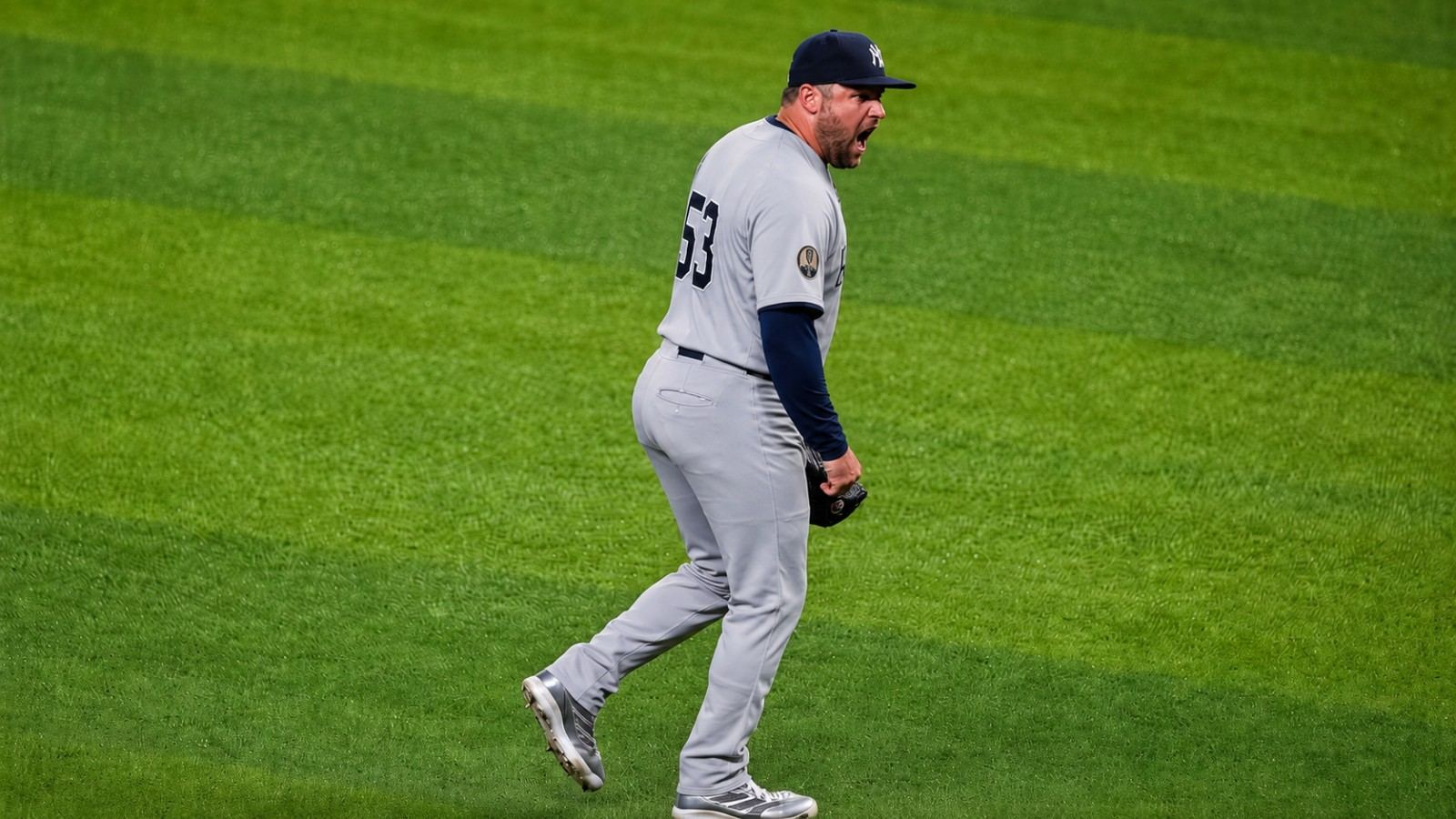
WASHINGTON, D.C — The tying run stood at the plate in the ninth inning Saturday, and the crowd at Nationals Park leaned in. David Bednar did not flinch. He put James Wood on with a single, then coaxed a harmless groundout to end it.
The Yankees had their 4-2 win over the Nationals. Bednar had his 18th save. And the ninth inning, once a nightly source of dread for the Yankees, looked like the calmest place on the field.
That calm is new. It is also fragile in a way that has nothing to do with the mound and everything to do with the calendar.
Because the reliever who has quietly become one of the surest closers in the American League is running out of runway with the only team he has anchored in October.
A quiet deadline that keeps getting louder
Here is the part that should give the front office pause. Bednar is playing on a one-year, $9 million contract for 2026, his final season of arbitration before he can reach free agency this coming winter. The Yankees hold him for this year and this year only.
There has been no groundwork laid. Back in spring training, Bednar said flatly that no extension talks had taken place, and the Yankees have long been reluctant to pay big money for relievers before they hit the open market. That approach has worked for them before. This time it carries a rising bill.
The reason is simple. Every month Bednar pitches like this, the number it will take to keep him grows. A closer who looked shaky in April now looks like a problem the Yankees solved, and solved arms do not come cheap when they walk to the market on their own terms.
What the last two months actually look like
The surface line is strong on its own. Through 40 innings this season, Bednar carries a 2.70 ERA, a 1.10 WHIP and a 45-to-12 strikeout-to-walk mark, with 18 saves in 20 chances. Those are numbers a contender happily hands the ball to in the ninth.
The recent stretch is the part that changes the math. Bednar has not allowed an earned run in 16 straight outings, a scoreless streak that reached 19 innings on Saturday. Saturday also marked his eighth save conversion in a row.
Dig into his last 15 appearances and the dominance sharpens. Over that span he has posted a 0.00 ERA, a 1.66 FIP, a 0.500 WHIP, a 30% strikeout rate and a 4% walk rate. Hitters have barely touched him.
There is a mechanical story underneath the run. Earlier this year, a first-pitch curveball to the Mets’ Tyrone Taylor turned into a back-breaking three-run homer. Bednar cut his first-pitch curveball usage from 44% over his first 20 games to 26% afterward, leaning more on his splitter, and the results turned almost immediately.
He has since folded the curveball back in as a change-of-pace weapon rather than a crutch. For the Yankees, the pitch that once betrayed him is now a reason hitters cannot sit on anything.
Voices around the room
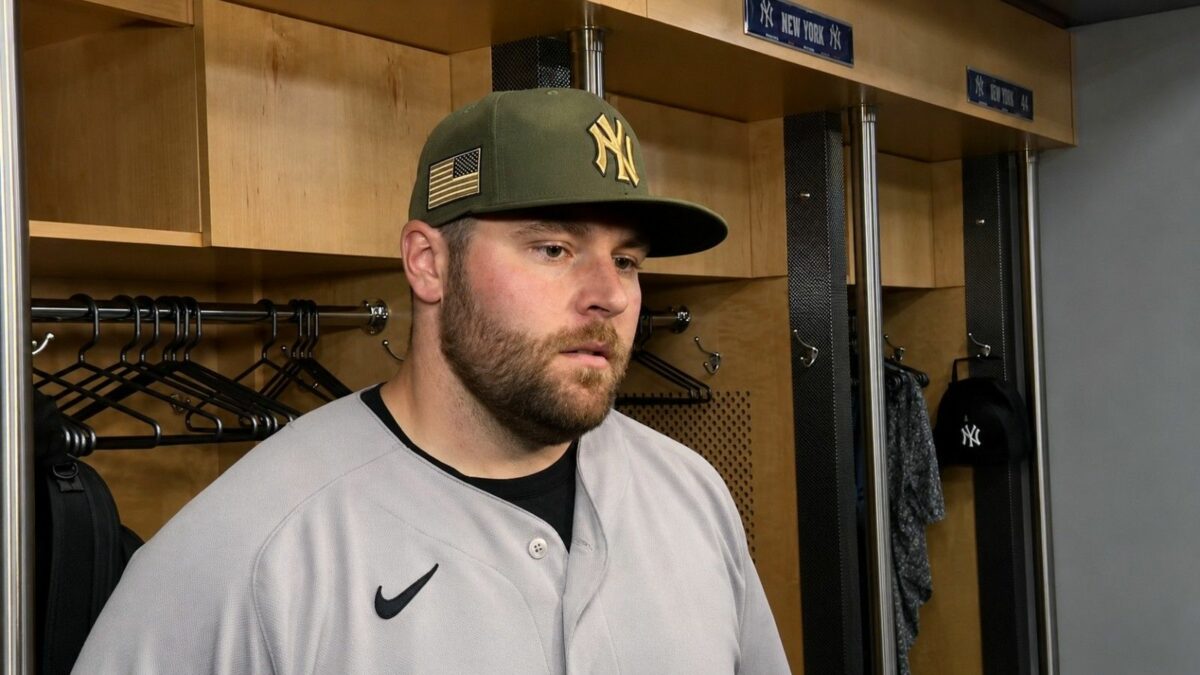
Bednar’s teammates have watched the transformation from a few feet away. After Saturday’s win, the reliever kept his own explanation plain, pointing to conviction rather than mechanics.
“Being aggressive in the zone and trusting all three of my pitches,” Bednar said. “Whenever I’m able to be in the zone with all three, I’m able to have success.”
The bullpen has fed off it. Since that loss in Queens, the Yankees relief corps has pitched to a sub-2.60 ERA and ranked among the majors’ best over that stretch, with Bednar setting the tone at the back.
That ripple effect is exactly why the timing matters. A stable ninth inning lets manager Aaron Boone script the seventh and eighth around it. Take Bednar out of the picture and the whole late-game structure shifts.
The market is not waiting for anyone
The cost of hesitation is easy to see if you look at what closers signed for last winter. The prices did not creep. They jumped.
Edwin Diaz reset the market with a three-year deal worth $69 million, a record average value for a reliever. Devin Williams, the closer the Yankees let walk, landed three years and $51 million with the Mets. Ryan Helsley got two years and $28 million from Baltimore. Tyler Rogers got three years and $37 million from Toronto.
Bednar is 31 and would market himself as a proven, postseason-tested ninth-inning arm at a moment when teams are paying a premium for exactly that. His $9 million salary this year already looks like a bargain for the Yankees against that backdrop. His next contract will not.
The Yankees also know the internal history. They watched Williams struggle in pinstripes, declined to make him a qualifying offer, and then watched him rebuild his value elsewhere. Letting a second late-inning arm reach free agency without a conversation would fit a familiar pattern.
Where this stands now
For now, nothing is imminent. The Yankees have made no public move toward an extension, and their stated preference is still to let relievers reach free agency before committing real money. Bednar, for his part, has said the right things about focusing on the season rather than his contract.
But the leverage is shifting with every clean inning. Bednar can become a free agent after this season, and he is pitching his way toward the biggest payday of his career at the worst possible time for a team hoping to keep him affordable.
The Yankees found their closer. The open question is whether they wait so long to pay him that someone else finishes the story.
What do you think? Leave your comment below.